
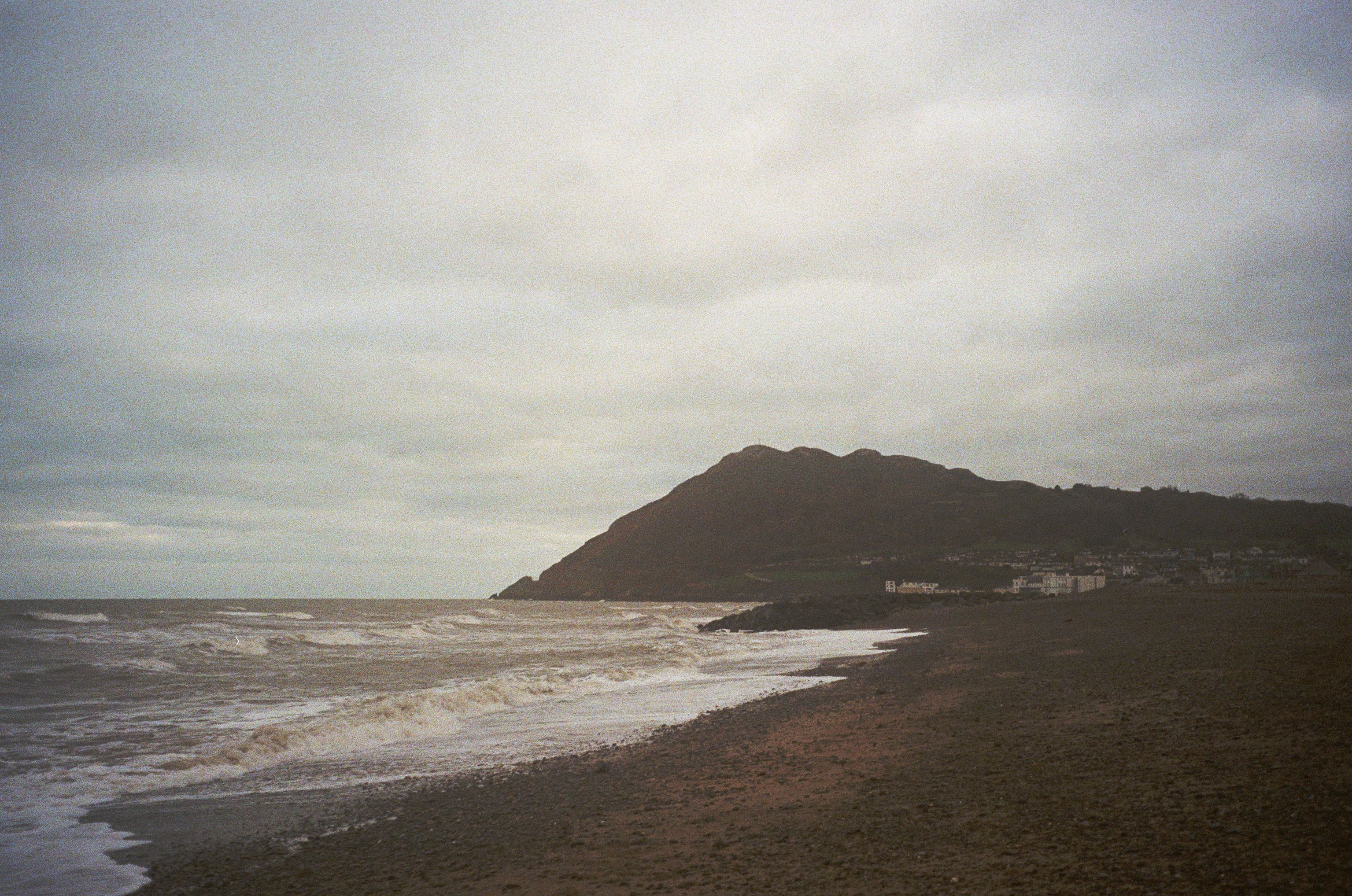
Ireland’s east coast has a way of drawing travelers in quietly rather than loudly. Bray, one of the country’s classic Victorian seaside towns, grew in popularity in the 19th century when the railway made sea-bathing and coastal holidays fashionable for Dubliners seeking fresh air and a quick escape from the capital.
Today, a Bray Beach itinerary pairs beautifully with Dublin city sightseeing. You get a pebbled shoreline, the Bray to Greystones cliff walk region, access to County Wicklow’s monastic valleys and gardens, and the museums, pubs, and literary history of Dublin only a short train ride away.
For practical planning, this 7-day Ireland itinerary is best done with two bases: Bray and Dublin. Expect mild, changeable weather even in brighter months, bring a waterproof layer and sturdy shoes for coastal paths, and book major attractions in advance; Irish food is far better than old clichés suggest, with excellent seafood, soda bread, stews, pastries, coffee culture, and a national talent for turning history into conversation.
Bray
Bray sits just south of Dublin in County Wicklow, though travelers often fold it into a greater Dublin trip because the DART/train connection is so simple. Its long seafront promenade, stony beach, bandstand atmosphere, and easy access to hill and cliff views make it a smart first stop for anyone wanting Ireland beyond the capital without going far.
The town is especially good for slow mornings and scenic afternoons. You can walk the promenade with coffee in hand, look toward Bray Head, dip into local cafés, and use Bray as a launch point for Enniskerry, Powerscourt, Glendalough, and the Wicklow Mountains.
Where to stay in Bray: Browse seaside apartments and holiday homes on VRBO Bray or compare centrally located stays on Hotels.com Bray.
Getting there: If arriving via Dublin Airport, plan on roughly 45-75 minutes to Bray by coach/taxi/train combination depending on traffic and connections. For wider European routing, check Omio flights and for rail planning in Ireland use Omio trains; Bray to central Dublin is typically about 35-45 minutes by DART/train, often around €5-€9 depending on timing and ticket type.
Day 1 - Arrival in Bray
Morning: Not scheduled, as this is your arrival day. Keep your plans light and let the coast set the pace for the week.
Afternoon: Arrive in Bray and check into your accommodation near the promenade if possible. Start with an easy walk along Bray Beach, where the Irish Sea, the long esplanade, and the old holiday-town feel create a fine first impression; this is not a sandy lounging beach in the Mediterranean sense, but a classic east-coast strand for strolling, sea views, and watching local life unfold.
For a late lunch, try Platform Pizza, a lively local favorite known for excellent wood-fired pizzas and a more polished menu than the name suggests, or head to The Harbour Bar, one of Bray’s best-known institutions, famous for its rambling interior, snug corners, and serious local character. If you want coffee and something lighter first, Butler & Barry has a dependable café feel and is well placed for settling in.
Evening: Ease into the trip with dinner at The Martello, a landmark seafront spot whose upper-level views are especially pleasant around sunset. Seafood dishes are a sensible order here, and even a simple pint by the water feels properly Irish on your first night.
If you still have energy, walk the promenade after dinner. Bray’s evenings are rarely about frantic nightlife; they are better suited to sea air, the sound of gulls, and an early night before fuller days ahead.
Day 2 - Bray Promenade, Bray Head and local food
Morning: Start with breakfast at Catalyst Coffee, where the coffee is taken seriously and the mood is contemporary without trying too hard. Then set out for a walk toward Bray Head; even if you do not complete the full ascent, the rising views back over the town and north toward Dublin Bay are worth the effort.
Bray Head is one of the area’s best low-commitment scenic rewards. On a clear day, the coastline opens dramatically, and the landscape helps explain why Wicklow is so often called the Garden of Ireland.
Afternoon: Come down for lunch at Box Burger, a casual but popular stop that works well after a walk, especially if you want something hearty without fuss. Spend the rest of the afternoon exploring the seafront, dipping into small shops, or simply taking your time on the promenade with an ice cream or coffee.
If you prefer a more substantial excursion, take the short trip inland to Powerscourt Estate and Gardens on your own; the formal gardens, terraces, statuary, and mountain backdrop are among the finest in Ireland. It is a good contrast to the marine atmosphere of Bray and gives the day a grander, more landscaped note.
Evening: Book dinner at Daata Bray for flavorful Pakistani cuisine in a smart but relaxed setting, a reminder that modern Irish dining extends far beyond traditional fare. Alternatively, for a more pub-led evening, return to The Harbour Bar for a pint and straightforward comfort food in one of the most memorable interiors in town.
After dinner, keep things simple with another short seafront walk. The rhythm of Bray rewards unhurried travelers.
Day 3 - Wicklow scenery and monastic Ireland
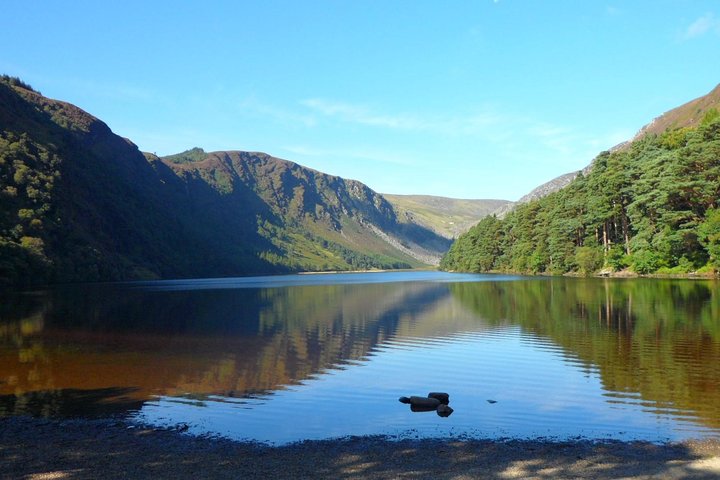
For your most scenic County Wicklow day, consider the Dublin to Glendalough, Wicklow and Kilkenny Full Day Guided Tour. This works especially well if you want a structured overview of the Wicklow Mountains, Glendalough’s early medieval monastic site, and one more historic Irish town without dealing with driving.
Morning: Depart early for Glendalough, one of Ireland’s most evocative historic landscapes. Founded by St. Kevin in the 6th century, the valley combines ruined churches, a round tower, and lake scenery in a way that feels both archaeological and deeply atmospheric.
Afternoon: Continue through Wicklow’s mountain scenery and onward through the remainder of the guided route. The appeal here is the contrast: monastic stillness, heathered uplands, and then urban medieval texture elsewhere on the tour.
Evening: Return to Bray and have a low-key dinner near your accommodation. If you want something comforting, order fish and chips by the seafront or head back to a familiar favorite; after a long excursion, simple choices usually win.
Dublin
Dublin is close enough to Bray to feel convenient and different enough to deserve its own stay. Compact, literary, argumentative, musical, and full of historical layers, the city offers Georgian streets, Viking roots, national museums, famous brewing culture, and a pub scene that ranges from touristy to genuinely excellent.
For a 7-day Ireland trip focused on Bray Beach, Dublin makes the ideal second base. You can walk much of the center, use public transport with ease, and fit major sights around long lunches, museum pauses, and evenings that drift from one good pub to another.
Where to stay in Dublin: Compare apartments and town stays on VRBO Dublin or hotels across the city center on Hotels.com Dublin.
Travel from Bray to Dublin: Take a morning DART/train into Dublin, usually about 35-45 minutes and generally around €5-€9. Search schedules and tickets on Omio trains; buses are another option via Omio buses, though rail is usually the more pleasant coastal transfer.
Day 4 - Transfer to Dublin and historic center

Morning: Check out of Bray and take the train to Dublin, aiming for a morning departure so you can make the most of the city. After dropping your bags, have breakfast or early coffee at Kaph, a compact specialty coffee favorite near Drury Street, or at Queen of Tarts if you prefer a more leisurely start with scones, quiche, and excellent baking.
Afternoon: Dive into the capital’s core history with the St Patrick's Cathedral, Book of Kells and Dublin Castle Tour. It is a strong first-day orientation because it gives you ecclesiastical history, medieval and colonial political history, and one of Ireland’s most famous manuscripts in a single sweep.
The Book of Kells at Trinity College remains one of Dublin’s signature attractions for good reason. Even travelers who are not usually manuscript people tend to be impressed by the intricacy of the illumination and by the Long Room’s almost mythic library atmosphere.
Evening: For dinner, book The Winding Stair, which pairs Irish ingredients with a literary setting near the Ha'penny Bridge, or try The Woollen Mills for updated Irish cooking in a handsome central location. Both work well if you want a meal grounded in local produce rather than generic pub food.
After dinner, take a gentle walk through Temple Bar without feeling obliged to stay there all night. It is lively and photogenic, but often best appreciated as a quick look before retreating to a pub with more locals and less performance.
Day 5 - Guinness, whiskey and Dublin neighborhoods

Morning: Begin with breakfast at Brother Hubbard North, one of Dublin’s best-loved breakfast spots, where the menu leans creative and generous without losing quality. The coffee is reliable, and it sets you up well for a full sightseeing day.
Afternoon: Join the Dublin Jameson Distillery and Guinness Storehouse Guided Tour. For many visitors, these are obvious picks, but obvious is not the same as overrated: Guinness is deeply tied to Dublin’s industrial, social, and architectural story, while Jameson Bow Street gives you a more intimate look at Irish whiskey heritage.
If you would rather focus only on stout and move at your own pace, the Guinness Storehouse Experience is another good option. The Gravity Bar alone, with its citywide views, justifies the visit for many travelers.
Evening: Have dinner in Smithfield or around the Liberties. Try L. Mulligan Grocer if you want a gastropub meal with unusually thoughtful beer pairings, or book at Fish Shop Benburb Street for a seafood-focused dinner that feels modern but not pretentious.
Later, if live music appeals, seek out an intimate pub session rather than a giant tourist production. Dublin is at its best after dark when the room is small, the conversation easy, and the music sounds slightly improvised even when the players are brilliant.
Day 6 - Food, hidden corners and an Irish evening

Morning: Start with a pastry and coffee at Bread 41, one of the city’s strongest bakery addresses. Their laminated pastries and breads are consistently praised, and it is the kind of place that makes an ordinary morning feel like a small event.
Afternoon: Spend the heart of the day on the Dublin Historical Centre Food Tour with 7 Food Tastings & Drinks. This is one of the best ways to understand modern Dublin because it moves beyond monuments and into the city’s edible identity: cheeses, baked goods, traditional flavors, and the contemporary revival that has made Dublin noticeably better for food than it was a generation ago.
If time remains, wander George’s Street Arcade and the creative lanes nearby. This part of the city rewards aimless walking, especially if you like bookshops, design stores, and the feeling that not every worthwhile place needs a grand facade.
Evening: For a classic final full evening in the city, consider the Belvedere Irish Night Show, Dance and Traditional 3-Course Dinner. It is more polished and visitor-facing than an impromptu pub session, but it can be genuinely fun if you want music, dance, and a celebratory atmosphere in one package.
If you prefer an independent dinner, try Delahunt for elegant Irish cooking in a historic setting or Etto for a smaller, more intimate meal with a strong reputation for carefully executed plates and a smart wine list. Either makes for a memorable last night in Dublin.
Day 7 - Coastal finale and departure

Morning: For your final morning, choose one last look at coastal Ireland with the Howth Coastal Half-Day Bus Tour from Dublin with Live Guide. It is a fitting bookend after Bray Beach: another side of Dublin Bay, this time with a fishing-village atmosphere, cliff views, and a more northerly maritime mood.
If you would rather stay in the city center, keep the morning free for last-minute shopping around Grafton Street and Nassau Street, or visit St Stephen’s Green for one final walk. This also gives you more buffer before an afternoon departure.
Afternoon: Have an early lunch at Avoca Suffolk Street for dependable Irish café fare and good pantry-style gifts, or stop at The Pepper Pot in Powerscourt Townhouse Centre if you want a quieter final meal with excellent cakes and sandwiches. Then collect your bags and depart Dublin in the afternoon.
Evening: Departure. If you have a late flight and extra time, leave room for one last tea, coffee, or pint rather than squeezing in another major sight.
This 7-day Bray Beach and Dublin itinerary gives you the best of Ireland’s east coast without overloading the schedule. You get seaside Bray, Wicklow landscapes, Dublin history, strong food, and enough flexibility to make the trip feel personal rather than rushed.
It is an Ireland trip built on contrasts that sit comfortably together: beach promenade and manuscript treasure, monastery ruins and city pubs, cliff views and bakery mornings. That balance is precisely what makes this corner of Ireland so easy to revisit in memory.