
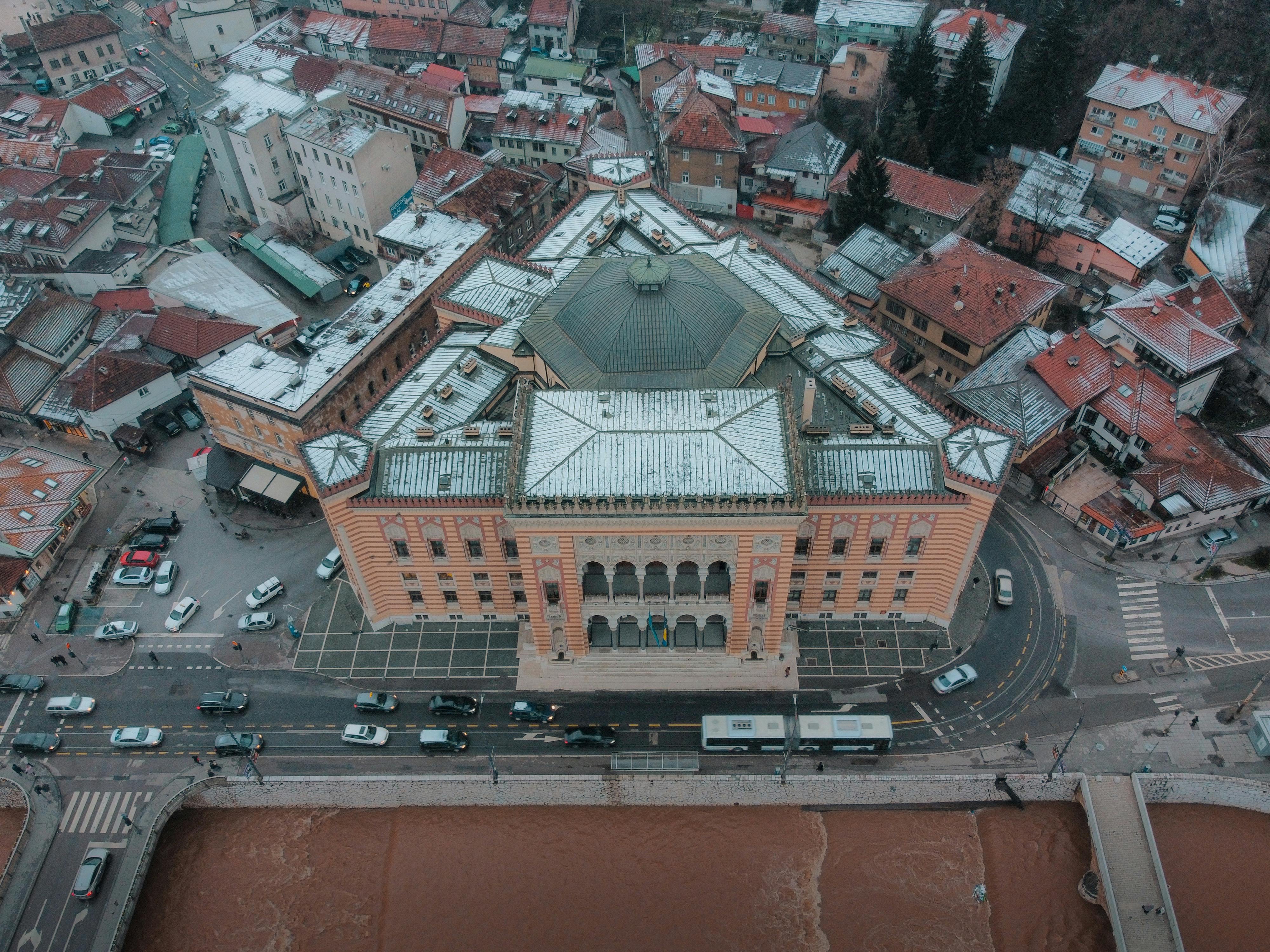
Few places compress as much history and beauty into such a small canvas as Bosnia and Herzegovina. Empires met here—Ottoman arches, Austro-Hungarian facades, and Austro-Modernist tramlines share the same streets. The country’s spirit springs from mountain valleys, market courtyards perfumed with coffee, and rivers so clear you can count every stone.
In a week, you’ll walk Sarajevo’s Baščaršija, ride a cable car to a 1984 Olympic mountain, and trace Mostar’s skyline to its graceful Stari Most (Old Bridge). You’ll taste somun warm from the oven, sip aromatic Bosnian coffee, and—if you like—swim beneath Kravice’s frothy falls. This itinerary is paced for culture lovers who appreciate both museums and slow afternoons along the Neretva.
Practical notes: the currency is the Convertible Mark (BAM), cards are widely accepted in cities, and tap water is drinkable. Dress modestly when entering mosques, carry cash for small bakeries, and mind signed trails if hiking (do not wander off-track in remote areas). Cuisine leans hearty and aromatic—grilled meats, slow-cooked stews, and delicate sweets—and there are excellent vegetarian options in both cities.
Sarajevo
Sarajevo is a living palimpsest: minarets behind Habsburg corners, a Latin-named bridge over an Ottoman river bend, and cafés where time slides by with each copper džezva of coffee. The Old Bazaar, Baščaršija, hums with copper-smiths and baklava aromas; a few blocks away, Austro-Hungarian avenues reveal belle-époque theaters and Viennese pastry counters.
Highlights include the Gazi Husrev-beg Mosque complex, the Sebilj fountain, the Latin Bridge, the Trebević cable car and abandoned bobsled track, and museums that contextualize both the 1914 assassination and the 1992–1996 siege. Evenings often mean sevdah music, clinking glasses of rakija, and views over a city glittering like a bowl of stars.
- Stay (search and book): VRBO Sarajevo | Hotels.com Sarajevo
- Specific stays: Hotel Europe Sarajevo (grand Habsburg-era stay in the center), Hostel Franz Ferdinand (stylish, social, steps from Baščaršija), Hotel Hills Sarajevo Congress & Thermal Spa Resort (family-friendly spa resort near Ilidža).
- Getting in: Fly into Sarajevo (SJJ). Compare fares on Omio (flights in/to Europe). Coming from outside Europe? Check long-haul options via Kiwi.com or Trip.com (flights). For easy airport transfers, prebook: Sarajevo: Shuttle to/from Sarajevo Intl. Airport.
Day 1 – Arrival in Sarajevo, Baščaršija first impressions
Afternoon: Arrive and check in. Ease into the city with a wander through Baščaršija—listen to the hammer-tap rhythm along Kazandžiluk (coppersmith street) and sip your first Bosnian coffee at Ministry of Ćejf or Miris Dunja. If you’re peckish, grab a spiraled pita at Buregdžinica Bosna—meat (burek), cheese (sirnica), or spinach (zeljanica).
Evening: Dinner at Ćevabdžinica Željo for classic cevapi in pillow-soft somun; or book Dveri for homey plates like klepe (Bosnian dumplings) and sogan dolma (stuffed onions) in a brick-vaulted dining room. Nightcap at the whimsical Zlatna Ribica bar—part antique cabinet, part salon—with a local craft beer or rakija.
Day 2 – Old Town stories and siege history
Morning: Start with a deep-dive walk: Sarajevo Grand Walking Tour. You’ll trace the Sebilj fountain, Gazi Husrev-beg Mosque courtyard, Bezistan arcade, and the Latin Bridge while hearing how East and West braided together here.

Afternoon: Confront recent history with the Fall of Yugoslavia, Sarajevo War Tour with Tunnel of Hope Museum and Frontlines. Guides—often eyewitnesses—explain the siege, the life-saving tunnel, and the city’s resilience.

Evening: Ride the Trebević cable car for a sunset wash over Sarajevo (round-trip ~20 BAM). Walk part of the forested ridge and peek at the graffiti-laced 1984 bobsled track. Dinner with a view at Kibe Mahala—reserve for terrace seats and order slow-cooked sač or river trout.
Day 3 – Museums, mosques, and mountain air
Morning: Explore the Gazi Husrev-beg Mosque complex (respectful dress) and the clock tower whose lunar time once marked prayer hours. Pop into the War Childhood Museum for intimate stories from the 1990s told through everyday objects—moving, concise, and beautifully curated.
Afternoon: Tram to Marijin Dvor for Austro-Hungarian facades and coffee at Vienna-style cake counters. If you prefer more fresh air, hike the easy path from the Trebević upper station to viewpoints; keep to marked routes. Late lunch at Aščinica ASDŽ for a classic tray of stews, japrak (stuffed vine leaves), and dolmas—canteen style, delicious.
Evening: Seek live sevdah (traditional Bosnian song) at intimate venues—ask your host or concierge for the night’s lineup. For dinner, Karuzo is a chef-led spot with excellent seafood and vegetarian plates; or Inat Kuća pairs folklore with riverside ambiance and hearty Balkan comfort dishes.
Mostar
South in Herzegovina, Mostar glows Mediterranean: stone lanes, fig trees, and the Neretva running jade beneath the world-famous Stari Most. Rebuilt after the war, the bridge again draws cliff divers each summer; minarets and church towers punctuate a skyline best admired at golden hour.
Beyond the Old Bridge, visit the Koski Mehmed Pasha Mosque for a minaret climb, browse artisan workshops along Kujundžiluk, and sample local wines—Žilavka (white) and Blatina (red). Nearby day trips reveal a softer countryside: Blagaj’s cliff-hugging Dervish Tekke, the Ottoman hilltown of Počitelj, and the cascades at Kravice Waterfalls.
- Stay (search and book): VRBO Mostar | Hotels.com Mostar
- Areas: Stay in the Old Town (near the Crooked Bridge and Kujundžiluk) for atmosphere; or west of the river for modern comforts and parking. Boutique favorites include historic stone houses and terrace-view B&Bs overlooking Stari Most.
- Sarajevo–Mostar transport: Morning train (~2–2.5 hours, ~$8–12) through spectacular canyon scenery—compare times on Omio (trains). Buses (~2.5–3 hours, ~$10–15) run frequently—see Omio (buses).
Day 4 – Scenic ride to Mostar, first look at Stari Most
Morning: Depart Sarajevo by train for Mostar. Nab a left-side window seat for mountain-and-river panoramas. On arrival, check in and refresh.
Afternoon: Walk the cobbles of Kujundžiluk and cross Stari Most, pausing to watch divers rehearsing on the ledges. Climb the Koski Mehmed Pasha Mosque minaret for the postcard view—the pale arch floating above emerald water.
Evening: Dinner at Šadrvan for a sampler “National Plate” (klepe, japrak, and more) served on embroidered tablecloths; or Hindin Han for grilled trout and fresh salads beside the river. For dessert, try tufahija (walnut-stuffed poached apple) or hurmašice syrup cakes.
Day 5 – Artisan morning, skywalk afternoon
Morning: Join a hands-on, small-group craft session: Jewelry Making Workshop in Mostar. Learn coppersmithing techniques in a historic workshop and create a keepsake of your own.

Afternoon: Taxi up to Fortica Park for the glass-bottom skywalk and zip lines with a sweeping view across the valley. Back in town, recover with a traditional coffee at Café de Alma, where staff happily explain the ritual of foam, pour, and patience.
Evening: Dinner at Tima Irma—fast-moving, friendly, and famous for meat platters and stuffed peppers. Then sample Herzegovinian wines (Žilavka, Blatina) at a local wine bar; finish with gelato by the river or a pint at Black Dog Pub as the bridge lights reflect on the Neretva.
Day 6 – Full-day Herzegovina: waterfalls, a cliffside tekke, and an Ottoman hilltown
Spend the day exploring the region with the excellent Discover Herzegovina Day Tour from Mostar: Kravice Waterfalls, Blagaj, Počitelj. Swim or wade at Kravice’s travertine cascades (summer), marvel at Blagaj’s Dervish House tucked beneath a limestone cliff by the Buna spring, and climb Počitelj’s stone lanes to its citadel for big-sky views.

Day 7 – Back to Sarajevo and departure
Morning: Take an early train or bus back to Sarajevo (~2–3 hours). Grab a to-go pita from a Mostar bakery for the ride. If time allows, swing past Baščaršija for last-minute copperware or coffee sets.
Afternoon: Fly out of SJJ. Check fares on Omio (flights within/to Europe); for intercontinental routes, compare on Kiwi.com or Trip.com. Prefer a no-stress ride to the terminal? Book the reliable airport shuttle.
Where to eat and drink (quick picks)
- Sarajevo breakfast & coffee: Čajdžinica Džirlo (teas and sweet bites), Ministry of Ćejf (third-wave meets Bosnian tradition).
- Sarajevo lunches: Aščinica ASDŽ (traditional trays), Klopa (modern Bosnian with veggie options), Ćevabdžinica Željo (the city’s classic).
- Sarajevo dinners: Dveri (Old Town favorite), Kibe Mahala (views), Apetit (intimate chef-run spot).
- Mostar cafés: Café de Alma (coffee ritual), Café Marshall (casual), Coco Loco (sweet treats for hot afternoons).
- Mostar meals: Šadrvan (Bosnian staples), Hindin Han (riverside), Tima Irma (hearty grills), Restoran Lagero (bridge views).
Optional extra: another perspective on Sarajevo’s past
If you’d like an alternative or additional history experience, consider the survivor-led ROSES OF SARAJEVO (Official WAR + CITY tour) - Story of a Survivor on a free morning or afternoon instead of a museum visit.

Logistics recap: use Omio to check Sarajevo–Mostar trains (fast, scenic) and Omio for buses as a backup. For stays, browse VRBO Sarajevo, Hotels.com Sarajevo, VRBO Mostar, and Hotels.com Mostar.
In seven days you’ll have tasted the country’s essence: Sarajevo’s layered history, Mostar’s river-lit romance, and Herzegovina’s sunlit stones and waterfalls. Expect to depart with a new favorite coffee ritual, a deeper understanding of the Balkans, and a reason to return for the mountains and villages you didn’t have time to see—yet.