
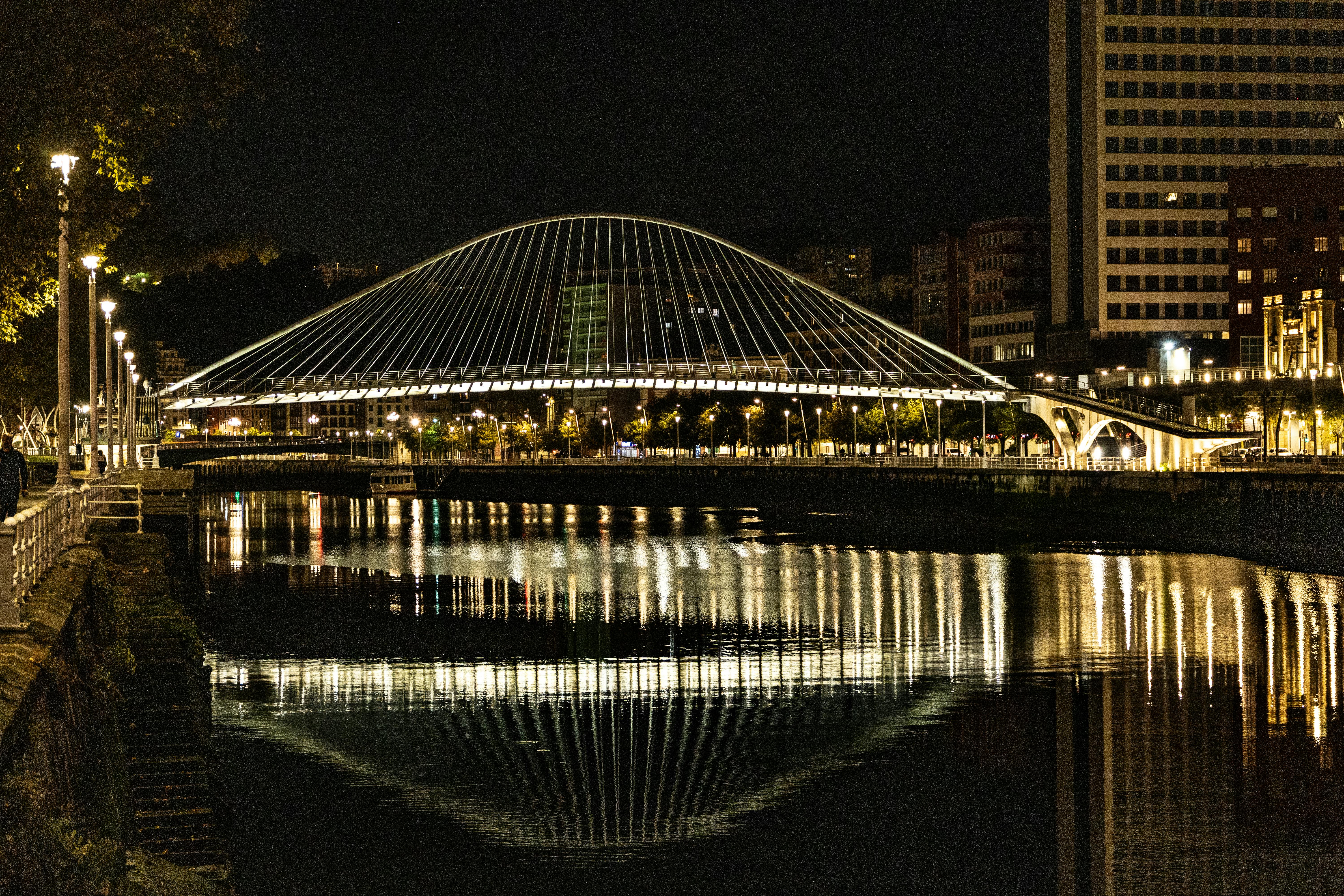
The Basque Country is one of Spain’s most distinctive regions: fiercely proud of its language, deeply attached to local traditions, and blessed with a landscape that shifts quickly from industrial river city to vineyard, surf beach, and fishing port. Bilbao, once known chiefly for shipbuilding and steel, reinvented itself in spectacular fashion in the late 20th century, with the Guggenheim Museum becoming both symbol and catalyst for its revival.
What makes this corner of northern Spain especially addictive is the contrast. In a single trip you can stand before titanium curves by Frank Gehry, eat jewel-like pintxos in a bar packed with office workers, walk medieval lanes, and then find yourself on a windswept coastal path above the Bay of Biscay or on San Sebastián’s polished Belle Époque seafront.
Practically speaking, this is an easy region for a 7-day itinerary: Bilbao and San Sebastián pair naturally, and the road or bus journey between them is short enough to avoid wasting a day in transit. March through autumn is ideal for long walks and day trips, but the Basque Country can be rainy year-round, so pack layers, a light waterproof jacket, and shoes fit for cobblestones, museum floors, and cliffside viewpoints; above all, come hungry, because local specialties such as bacalao al pil-pil, txangurro, txuleta, Idiazabal cheese, txakoli, and burnt Basque cheesecake are central to the experience.
Bilbao
Bilbao is the right opening act for a Basque Country itinerary because it introduces the region through both history and reinvention. Its Casco Viejo still hums with 14th-century bones and old merchant streets, while the riverfront showcases one of Europe’s most successful urban transformations.
This is a city for travelers who like their culture grounded in daily life. You can spend the morning with world-class contemporary art, the afternoon crossing elegant bridges or browsing market stalls, and the evening shoulder-to-shoulder with locals hopping between pintxos bars rather than sitting through a formal, lengthy meal.
For stays, consider Hotel Bilbao Plaza for a practical central base near the river, or NH Collection Villa de Bilbao if you want extra comfort near San Mamés and the museum district. Apartment travelers can browse VRBO Bilbao stays, and hotel shoppers can compare broader options on Hotels.com Bilbao.
For arrival into the region, use Omio flights for Europe or Kiwi.com flights / Trip.com flights for long-haul searches. Bilbao Airport to the center usually takes about 20–30 minutes by taxi or airport bus, making arrival day refreshingly simple.
Day 1 – Arrival in Bilbao
Morning: This is your travel day, so no formal plans are needed before arrival. Keep your first day intentionally light so you can settle in without feeling that the trip has begun at a sprint.
Afternoon: Arrive in Bilbao, check in, and ease into the city with a riverfront walk from the Ensanche toward the Guggenheim exterior. Even if you do not enter the museum immediately, seeing Jeff Koons’ floral Puppy and Louise Bourgeois’ giant spider Maman introduces Bilbao’s flair for public art and gives you a vivid first sense of the city’s rebirth.
Evening: Start with coffee or an early merienda at Café Iruña, one of Bilbao’s classic cafés, known for its Moorish-inspired interior and old-world atmosphere. For dinner, head into Casco Viejo for your first pintxos crawl: try Gure Toki for inventive bar-top bites, Sorginzulo for excellent mushroom and seasonal pintxos, and El Globo for polished classics such as truffled egg or crab preparations; the reason to do this on night one is simple—you will understand Bilbao fastest through its bars.
Day 2 – Guggenheim, riverfront Bilbao, and a proper pintxos evening
Morning: Begin with breakfast at Arvo Specialty Coffee, a favorite for carefully brewed coffee, excellent pastries, and a more contemporary brunch feel. Then join the Guggenheim Museum guided tour for a richer understanding of both the building and the collection; Gehry’s titanium masterpiece is best appreciated with context, because the museum is as much about urban change as it is about art.

Afternoon: Walk the riverside promenade toward Zubizuri Bridge and continue into the Abandoibarra area, where former industrial land is now one of Spain’s smartest urban redevelopments. For lunch, choose Nerua’s more refined format if you want a serious gastronomic splurge inside the Guggenheim orbit, or opt for a relaxed Basque meal at Café Bar Bilbao back in the old quarter, beloved for classics done with confidence and local rhythm.
Evening: Dive deeper into Bilbao’s food scene with The Award-Winning Bilbao Food Tour & Wine Pairing by Basque Local. This is ideal early in the trip because a local guide can decode pintxos etiquette, local wines, and neighborhood nuance, so every meal afterward becomes more informed and more fun.

Day 3 – Casco Viejo, market culture, and Bilbao on foot
Morning: Grab breakfast at Charamel Gozotegia or a simple coffee and pastry near Plaza Nueva, then explore Bilbao’s old heart with the Bilbao walking tour. The Seven Streets, Santiago Cathedral, and Plaza Nueva tell the older story of Bilbao as a mercantile town long before titanium and starchitect fame arrived.

Afternoon: Continue to Mercado de la Ribera, one of Europe’s great covered markets, where produce, seafood, and cured goods reveal just how serious the Basques are about ingredients. For lunch, settle into the market area or nearby traditional spots for bacalao dishes, croquetas, or seasonal vegetables; afterward ride the Artxanda funicular for a broad city panorama, a rewarding way to understand Bilbao’s basin-like geography between hills.
Evening: Dine at Mina if you want a modern tasting-menu experience by the river, or book Los Fueros for a more rooted Basque table with famed offal dishes and deeply traditional flavors. If you still have energy, end with a short stroll through the Ensanche, where Bilbao feels less medieval and more late-19th-century bourgeois, another layer of the city often missed by first-time visitors.
Day 4 – Basque coast day trip: Gaztelugatxe, Bermeo, Mundaka, and Gernika
Today is best devoted to the coast and countryside, where Biscay becomes dramatic, green, and salt-laced. Book Dragonstone, Mundaka and Guernica from Bilbao or, if you want txakoli folded into the day, Bilbao: Gaztelugatxe, Bermeo, Mundaka and Gernika with Txakoli; either route introduces the sea-cliff grandeur of San Juan de Gaztelugatxe, the fishing heritage of Bermeo, surf-minded Mundaka, and the historic gravity of Gernika.

Gaztelugatxe is no mere viewpoint: the hermitage-topped islet, reached by a winding bridge and stairway, feels mythic even before one remembers its screen fame as Dragonstone. Gernika, by contrast, is essential for understanding modern Basque identity, as the 1937 bombing immortalized by Picasso remains one of the most resonant events in the region’s collective memory.
After returning to Bilbao in the evening, keep dinner simple. A good plan is a glass of txakoli and a few pintxos near Plaza Nueva rather than a long meal; by then, the sea air and stair climbs will likely have done their work.
Day 5 – Bilbao to San Sebastián
Morning: Depart Bilbao in the morning for San Sebastián. The most practical route is usually bus via Omio buses or train via Omio trains; expect roughly 1 hour 15 minutes to 2 hours depending on service, with fares commonly around $10–$25, making this one of Europe’s easiest city-to-city transfers.
Afternoon: Check in and spend your first hours in San Sebastián with a gentle orientation walk along La Concha Beach, one of the most elegant urban bays in Europe. The curve of the promenade, the island in the bay, and the pale Belle Époque architecture create a city that feels immediately different from Bilbao—more polished, more seaside, and unabashedly scenic.
Evening: For dinner, begin in the Parte Vieja, where San Sebastián’s bar culture rivals any in Spain. Try Gandarias for expertly handled steak and foie pintxos, Borda Berri for hot, deeply flavored small plates such as veal cheek, and La Cuchara de San Telmo for modern classics with a cult following; these bars are recommended because they reward both casual grazing and serious culinary curiosity.
San Sebastián
San Sebastián, or Donostia in Basque, is the graceful counterpart to Bilbao’s muscular story of reinvention. Long favored by Spanish royalty and summer visitors, it combines beach beauty, aristocratic urban planning, and a food culture so dense that even a short walk can feel like moving through a live index of Basque gastronomy.
The city works brilliantly over three days because it is compact, walkable, and layered. You have hilltop viewpoints, surf beaches, serious dining rooms, animated pintxos bars, and easy access to smaller coastal towns that show another side of Gipuzkoa.
For accommodation, browse VRBO San Sebastián stays for apartments or compare hotels on Hotels.com San Sebastián. Staying near Centro or the Parte Vieja makes the most sense for a first visit, since beaches, bars, and major viewpoints are all within easy reach.
Day 6 – San Sebastián viewpoints, markets, and classic dining
Morning: Begin with coffee and breakfast at Old Town Coffee or Maiatza, both solid choices for specialty coffee and a calmer start before the city fills. Then walk or take the funicular up Monte Igueldo for the signature panorama over La Concha; it is the postcard view, yes, but it earns its fame because the city’s geography reveals itself all at once from the top.
Afternoon: Return through the center and visit the San Telmo Museoa if you want historical context for Basque society, identity, and art in a former convent setting. For lunch, head to the harbor side or Parte Vieja for seafood-forward dishes, and if the weather is good, spend time on La Concha or continue on foot to Ondarreta and the Comb of the Wind sculptures, where Chillida’s steel works meet pounding Atlantic swells.
Evening: Reserve a more formal dinner tonight. If your budget allows, this is a fine city to pursue Michelin-level cuisine, but even without that splurge you can eat brilliantly by doing another focused pintxos route, perhaps emphasizing different styles—anchovy preparations, grilled prawns, mushroom dishes, and small glasses of txakoli or cider—rather than simply repeating last night’s highlights.
Day 7 – Coastal Basque finale and departure
Morning: For your final day, keep things close and scenic. Enjoy breakfast near your hotel, then take a final promenade along La Concha or a brisk walk up Monte Urgull if you want one last historic viewpoint; the hill’s fortress and sea-facing paths offer a fitting farewell, tying together military history, nature, and the city’s enduring beauty.
Afternoon: Depending on departure timing, have an early lunch centered on local specialties you may not yet have tried—perhaps hake, spider crab, tortilla, or a final slice of Basque cheesecake—before heading onward. If you are returning toward Bilbao for a flight, use Omio buses or Omio trains and allow roughly 1 hour 15 minutes to 2 hours plus airport transfer time.
Evening: This is your departure window. Leave with one final practical note in mind: the Basque Country rewards return visits, because even a well-planned week only begins to cover Bilbao, San Sebastián, Rioja, and the coast.
If you prefer to keep San Sebastián as a day trip rather than an overnight stop, Bilbao also offers excellent guided options such as Bilbao: Excursion to San Sebastian, Hondarribia, Hendaye and Getaria, San Sebastian, Hondarribia, Getaria, Zarautz from Bilbao, or the more tailored PRIVATE San Sebastian and Basque Coast Tour from Bilbao.
This 7-day Basque Country itinerary balances Bilbao’s art, architecture, and old-town energy with San Sebastián’s coastal elegance and famously serious food culture. It is a trip built on contrast—museum and market, cliff path and city promenade, pintxos bar and formal dining room—and that contrast is exactly why travelers fall so hard for northern Spain.