
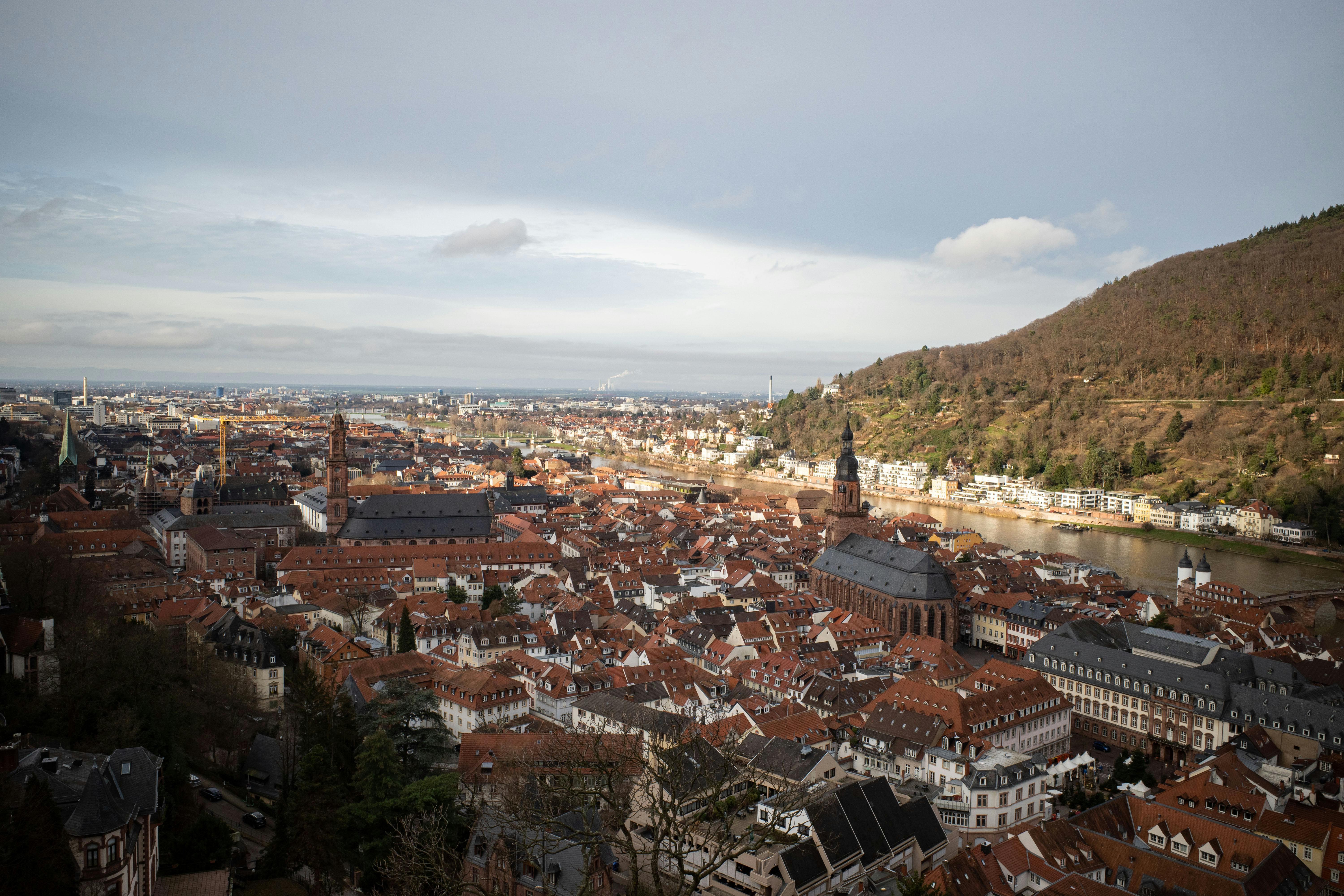
Berlin is a city that has been broken, rebuilt, divided, and brilliantly reinvented. Once the capital of Prussia, then of the German Empire, later scarred by dictatorship and war, and finally split by the Wall, it now wears its history in plain sight—on boulevards, in memorials, inside museums, and across neighborhoods where old factories have become galleries and cafés.
What makes Berlin so compelling is not only its past, but the way it lives now. One hour you are standing beneath the Brandenburg Gate, the next you are eating exceptional Turkish-German street food in Kreuzberg, then drifting along the Spree past government buildings and modern architecture. The city is expansive, but public transport is excellent, museums are abundant, and many central districts reward unhurried walking.
For practical planning, Berlin is generally easy to navigate in English, though a few basic German phrases are appreciated. Keep a contactless card or transit app handy, reserve major museum entries and the Reichstag well ahead when possible, and note that many museums close on Mondays. Berlin dining ranges from historic beer halls to sharply modern kitchens, and its coffee culture is strong enough to structure entire mornings around.
Berlin
Berlin is not a city that asks to be admired from a distance; it invites investigation. Its appeal lies in contrast: imperial facades beside bold contemporary design, solemn memorials near playful canal-side bars, and neighborhoods that feel entirely distinct from one another.
Mitte is ideal for first-time visitors because many headline sights sit close together: Museum Island, Unter den Linden, the Reichstag, the Holocaust Memorial, and the Brandenburg Gate. Prenzlauer Berg offers quieter streets, handsome 19th-century buildings, and polished cafés. Kreuzberg and Neukölln bring a more restless energy, with global food, nightlife, and street art.
For accommodations, Berlin works best when you stay near efficient transit. Consider Hotel Adlon Kempinski Berlin for a storied stay by Brandenburg Gate, Novotel Berlin Mitte for a practical central base, Scandic Berlin Potsdamer Platz for easy access to major sights, or The Circus Hostel for a stylish budget-friendly option. For apartment-style stays, browse VRBO Berlin, and for a wider hotel comparison use Hotels.com Berlin.
To reach Berlin from elsewhere in Europe, compare flights and trains on Omio flights and Omio trains. From Berlin Brandenburg Airport to central Berlin, the Airport Express and regional trains usually take about 30 to 40 minutes to Hauptbahnhof or Alexanderplatz, while taxis are typically 35 to 50 minutes depending on traffic and cost roughly €45-€65.
If you want expert-led experiences during the week, these are especially worthwhile:
- Discover Berlin Half-Day Walking Tour for an excellent foundation early in the trip.
- Berlin Center Food Tour with 8+ Authentic Local Tastings for culinary context beyond currywurst stereotypes.
- Berlin: 1 h Boat Tour with Bilingual Live Guide (DE/EN) for a relaxed architectural overview from the water.
- Sachsenhausen Concentration Camp Bus Tour in English from Berlin for a serious, well-structured historical excursion.


Day 1: Arrival in Berlin and a First Walk Through Mitte
Morning: Arrival day assumes you are still en route, so keep the morning light and flexible. If you land early, simply transfer into the city using the airport train or a taxi and check into your hotel.
Afternoon: After settling in, begin gently in Mitte with a walk from Unter den Linden toward the Brandenburg Gate. This is one of Berlin’s defining monuments, once a symbol of division during the Cold War and now the city’s grand ceremonial threshold. Continue to the nearby Memorial to the Murdered Jews of Europe, whose field of concrete stelae is intentionally disorienting and deeply affecting.
Evening: For dinner, book a table at NENI Berlin for lively Middle Eastern-influenced plates and sweeping city views, or choose Lokal in Mitte for a more grounded, ingredient-driven German meal with seasonal produce and a thoughtful wine list. If you want a simpler first-night classic, stop for currywurst at Curry 36 or Konnopke’s Imbiss and then take an evening stroll around Pariser Platz while the city glows more quietly than by day.
Day 2: Berlin’s Historic Core, Museum Island, and the Spree
Morning: Start with coffee and breakfast at The Barn in Mitte, known for meticulous specialty coffee, or House of Small Wonder for a softer, greenhouse-like setting and elegant Japanese-European breakfast plates. Then join the Discover Berlin Half-Day Walking Tour, which is ideal early in the trip because it links the Reichstag, Brandenburg Gate, remnants of the Wall, Museum Island, and the city’s political geography into one coherent story.
Afternoon: Have lunch at Augustiner am Gendarmenmarkt for dependable Bavarian and German favorites in a convivial beer-hall setting, or visit Baret for a more polished lunch with one of the city’s finest rooftop perspectives. Spend the rest of the afternoon on Museum Island; if choosing just one major museum, the Pergamonmuseum remains partially restricted by long-term works, so the Neues Museum is often the smartest pick for its superb collection including the bust of Nefertiti.
Evening: End the day with the Berlin: 1 h Boat Tour with Bilingual Live Guide (DE/EN). Seeing the Reichstag, government quarter, and museum facades from the Spree offers a calmer, more spacious reading of the city. For dinner afterward, try Clärchens Ballhaus area dining nearby or head to Hackescher Markt for a casual meal at Transit, where the small-plates format makes for an easy first deep dive into Berlin’s eclectic dining scene.
Day 3: Third Reich, Cold War Berlin, and a Serious Historical Lens
Morning: Begin with breakfast at Zeit für Brot, where the cinnamon buns are famous for good reason, or Distrikt Coffee for stronger brunch energy and excellent coffee. Then take the Berlin's Best: 2 Hour Walking Tour Third Reich and the Cold War. It provides clear historical framing for sites that can otherwise feel abstract, especially the area of Hitler’s bunker, the former SS and Gestapo headquarters, and stretches of the Berlin Wall.
Afternoon: Pause for lunch at Rutz Zollhaus if you want a refined German meal with regional touches, or head to Mustafas Gemüse Kebap or Rüyam Gemüse Kebab for a very different Berlin institution: the city’s beloved Turkish-German fast food culture. After lunch, visit the Topography of Terror documentation center and Checkpoint Charlie. The former is especially important—less theatrical than some Berlin sites, and all the more powerful for its documentary rigor.
Evening: For dinner, try Katz Orange, set in a handsome old brewery building and known for slow-cooked meats and a warm candlelit atmosphere, or Grill Royal if you want a polished night out near the river. If you still have energy, have a nightcap at Buck and Breck, one of Berlin’s best discreet cocktail bars, where the tiny room and exacting drinks feel intentionally removed from the city’s louder nightlife traditions.
Day 4: Food, Street Life, and Creative Berlin in Kreuzberg and Neukölln
Morning: Take it slower today with breakfast at Five Elephant for superb coffee and legendary cheesecake, or at Annelies in Kreuzberg for a neighborhood café atmosphere with excellent pastries and savory brunch dishes. Then make your way into the streets of Kreuzberg, where canals, murals, bookstores, and independent shops reveal a side of Berlin that is less monumental and more lived-in.
Afternoon: Join the Berlin Center Food Tour with 8+ Authentic Local Tastings or, if timing suits better, the Berlin Food Tour with Full Meal & Drinks by Do Eat Better. Berlin’s food scene makes more sense when you understand its layers: Prussian staples, East German nostalgia, immigrant influence, and a contemporary generation of chefs treating the city as a laboratory.
Evening: Stay in Kreuzberg or Neukölln for dinner. Try Markthalle Neun if trading stalls are active for the day, especially if you like variety and local producers; otherwise book Coda Dessert Dining for something genuinely unusual, where dessert techniques meet serious savory thinking, or go to Café Mugrabi and then later to a wine bar nearby for a looser neighborhood evening. If beer is more your style, the Historic Pubs of Berlin & Berlin Beer Tour is a fine way to connect old tavern culture with the city’s history.
Day 5: Potsdam Day Trip for Palaces, Gardens, and Prussian Grandeur
Morning: Have an early breakfast at Father Carpenter, beloved for polished brunch plates in a tucked-away courtyard, then take a regional train from Berlin to Potsdam. Trains usually take about 25 to 45 minutes depending on route and station, with fares commonly around €4-€8 each way under regional transit options; compare schedules on Omio trains. Potsdam, once the residence city of Prussian kings, feels greener, calmer, and more courtly than Berlin.
Afternoon: Spend the afternoon at Sanssouci Park and Sanssouci Palace, where Frederick the Great built his intimate rococo retreat. The terraces, ornamental gardens, follies, and broad parkland make this less a single-site visit than a day-long landscape experience. For lunch, dine in Potsdam’s Dutch Quarter at a relaxed café or choose a classic German restaurant in the old center before visiting either the Neues Palais or Cecilienhof, where the Potsdam Conference took place in 1945.
Evening: Return to Berlin in the early evening. For dinner, choose eins44 in Neukölln for modern German cooking in a former distillery-like industrial setting, or Pauly Saal for a more formal meal in an impressive Jewish girls’ school building that now houses one of the city’s notable dining rooms. If you prefer a low-key finish, have a late drink in Prenzlauer Berg and enjoy a quieter residential side of the capital.
Day 6: Sachsenhausen Memorial and an Evening in Prenzlauer Berg
Morning: Start with a simple breakfast at your hotel or nearby café, then join the Sachsenhausen Concentration Camp Bus Tour in English from Berlin. This is not a casual excursion but an important one. Sachsenhausen, north of Berlin, was conceived as a model concentration camp and later used in multiple brutal phases of 20th-century German history. A guided visit provides essential context and ensures the site is approached with the seriousness it demands.
Afternoon: The tour will occupy much of the day. On your return, keep the afternoon intentionally light. Stop for coffee at Bonanza Coffee or Silo in Prenzlauer Berg and allow time to decompress. If you still want a gentle walk, wander Kollwitzplatz and the surrounding streets, where elegant restored buildings and leafy squares show a very different face of Berlin.
Evening: For dinner, book Mrs Robinson’s if you want one of Berlin’s most interesting contemporary tasting menus, or choose Zur Letzten Instanz for a more historic atmosphere and traditional dishes in one of the city’s oldest restaurants. If you would rather keep things simple, order a Flammkuchen and wine at a neighborhood spot in Prenzlauer Berg and turn in early.
Day 7: Markets, Last Museums, and Departure
Morning: On your final day, enjoy breakfast at Benedict Berlin if you want a generous brunch-style sendoff, or return to a favorite local café for one last excellent coffee. Depending on your departure time, spend the morning at the East Side Gallery, the longest surviving open-air stretch of the Berlin Wall, where murals transformed concrete once meant for confinement into a public canvas.
Afternoon: If time allows before heading to the airport, choose one final stop: the Jewish Museum for its intellectually rich and emotionally layered presentation, the DDR Museum for a more accessible look at everyday life in East Germany, or a short browse around Hackesche Höfe for independent boutiques and Art Nouveau courtyards. Have an early lunch at House of Small Wonder, standard serious ramen at Cocolo if you want something comforting, or a final German plate in Mitte before transferring to Berlin Brandenburg Airport by train or taxi.
Evening: Departure. Aim to leave central Berlin at least 2.5 to 3 hours before an international flight, especially during busy travel periods. If you are taking the train to the airport, allow a little extra time for platform changes and station navigation.
Over seven days, this Berlin itinerary moves from the city’s most important monuments to its neighborhoods, kitchens, museums, memorials, and nearby royal landscapes. It is a week designed not only to help you see Berlin, but to understand why so many travelers leave feeling they have only just begun to grasp it.