
7 Days in Berlin, Germany: History, Cafés, Museums & Neighborhood Gems
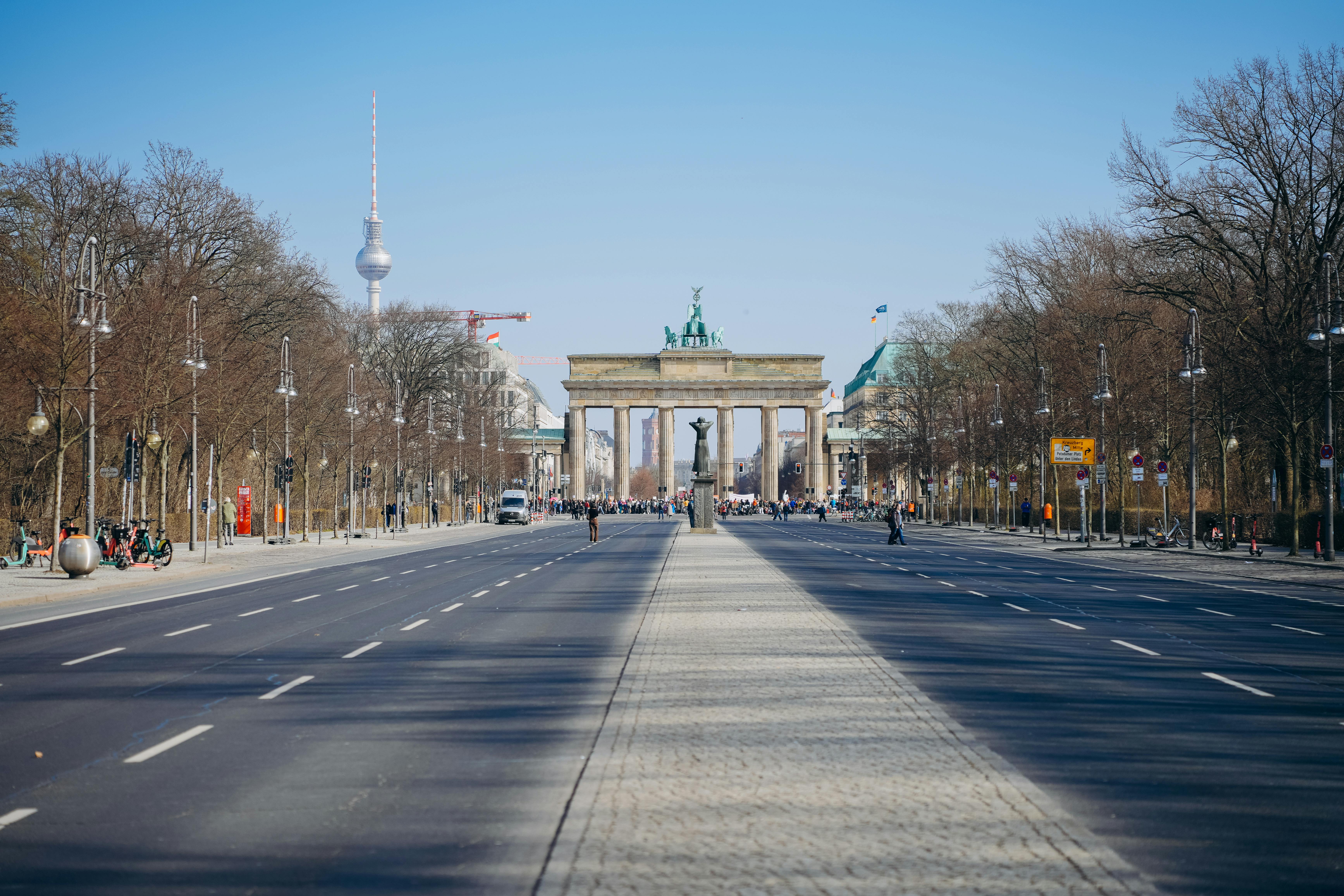
Berlin is a city that has been shattered, rebuilt, divided, and reinvented more dramatically than almost any capital in Europe. Prussian grandeur, Weimar experimentation, Nazi terror, Cold War partition, and reunification all left visible marks here, which is why walking through Berlin often feels like moving through a living archive rather than a static museum.
It is also a city of delightful contrasts. One hour you are standing before the solemn Memorial to the Murdered Jews of Europe; the next you are drinking excellent flat whites in Mitte, eating Turkish-German street food in Kreuzberg, or hearing techno pulse out of former industrial spaces that now define Berlin nightlife.
For practical planning, Berlin is easy to navigate by U-Bahn, S-Bahn, tram, bus, and on foot, especially if you organize each day by district. The city is generally safe and efficient, but as in any major European capital, keep an eye on bags in transit hubs and crowded areas, and note that many museums and the Reichstag require advance booking or timed entry.
Berlin
Berlin is not a city that tries to seduce you all at once. It wins people over gradually—through a courtyard café in Prenzlauer Berg, a stretch of surviving Wall art on the Spree, a fiercely good plate of modern German cooking, or a museum gallery that rearranges your sense of the 20th century.
The great pleasure of a week here is that Berlin rewards both first-time sightseeing and neighborhood wandering. You can cover icons like the Reichstag, Brandenburg Gate, Museum Island, Checkpoint Charlie, and the East Side Gallery, then still have time for canal-side walks, food markets, palace gardens, and late-night wine bars.
Where to stay: For a classic, prestigious address near Brandenburg Gate, consider Hotel Adlon Kempinski Berlin. For a smart mid-range base with easy transit links, Novotel Berlin Mitte works well; for rail convenience, MEININGER Hotel Berlin Hauptbahnhof is practical; and for a social, budget-friendly option, The Circus Hostel remains a strong pick. You can also browse a wider selection via VRBO Berlin or Hotels.com Berlin.
Getting there: For flights into Berlin Brandenburg Airport, compare options on Omio flights. From the airport, the Airport Express or S-Bahn into central Berlin usually takes about 30–45 minutes, with public transport costing roughly €4–€5 depending on the ticket used.
Recommended activities: If you like expert context, Berlin is one of the best guided-tour cities in Europe because the stories here matter. Strong options include the Discover Berlin Half-Day Walking Tour, the Berlin's Best: 2 Hour Walking Tour Third Reich and the Cold War, the Berlin Center Food Tour with 8+ Authentic Local Tastings, and the Potsdam Tour from Berlin With Guided Sanssouci Palace Visit.


Day 1 – Arrival in Berlin, Unter den Linden & a First Taste of Mitte
Morning: This is your travel day, so keep the morning reserved for your flight and arrival logistics. If you land early enough, use Omio flights for planning and expect roughly 30–45 minutes from Berlin Brandenburg Airport into the center by rail.
Afternoon: After check-in, ease into the city with a gentle walk through Mitte. Start at Pariser Platz for your first view of the Brandenburg Gate, then stroll along Unter den Linden toward Bebelplatz, where the underground memorial marks the Nazi book burnings of 1933; it is a quiet, haunting introduction to the city’s moral seriousness.
Afternoon: For a late lunch or substantial snack, try Nante-Eck near Unter den Linden for classic Berlin dishes in a historic style setting, or head to Zeit für Brot for one of the city’s most beloved cinnamon buns if you want something lighter. If you need coffee, The Barn in Mitte is a strong first stop, known for its precise brewing and role in Berlin’s modern specialty coffee scene.
Evening: Keep the first night atmospheric rather than ambitious. Dine at Clärchens Ballhaus if you can secure a table—part restaurant, part dance hall, part Berlin institution—or choose Zur Letzten Instanz, often cited as Berlin’s oldest restaurant, for hearty fare and a memorable old-world interior.
Evening: If you still have energy, walk to Museum Island after dark and see the domes, colonnades, and riverfront lit up. Berlin’s monuments often feel gentler at night, when the city’s scale softens and the crowds thin.
Day 2 – Reichstag, Memorials & Berlin’s Defining 20th-Century Story
Morning: Begin with the government quarter and Reichstag area. If available, book the Express Tour Government District plus Visit Reichstag with Dome; it adds structure and context to buildings that can otherwise seem purely political, and the glass dome is both a Norman Foster design statement and a symbol of democratic transparency in reunified Germany.
Morning: Before touring, get breakfast at House of Small Wonder near Friedrichstraße, where the greenery-filled interior and Japanese-European menu make for a polished start, or at Distrikt Coffee in Mitte for excellent eggs, toast, and serious coffee. Both are consistently liked because they feel contemporary without being generic.
Afternoon: Continue on foot to the Memorial to the Murdered Jews of Europe, then to the nearby information center if you want deeper historical grounding. Afterward, walk to the site of Hitler’s bunker and then up to Topography of Terror, one of Berlin’s most important documentation centers, built on the former SS and Gestapo headquarters site.
Afternoon: For lunch, stop at Rutz Zollhaus for elevated German cooking in a relaxed setting by the water if you want a more refined midday meal, or choose Curry 36 for an iconic currywurst experience. Currywurst may sound humble, but in Berlin it is practically civic folklore: sliced sausage with curry ketchup, born from postwar improvisation and now beloved across every budget tier.
Evening: Deepen the day with the Berlin's Best: 2 Hour Walking Tour Third Reich and the Cold War or the Third Reich Berlin: Hitler and WWII Walking Tour. A good Berlin guide can turn streets and empty lots into a readable map of dictatorship, war, division, and recovery.
Evening: For dinner, consider Grill Royal if you want a famously stylish riverside room with steaks and seafood, or Cookies Cream for a clever vegetarian tasting-focused experience hidden behind an unassuming entrance. End with a drink at Newton Bar, which feels old-school in the best way, all leather and polished confidence.
Day 3 – Museum Island, Berlin Cathedral & Historic Core
Morning: Start with breakfast at Father Carpenter in a beautiful courtyard in Mitte, where the coffee is excellent and the Australian-influenced brunch menu is reliable without feeling formulaic. Then head to Museum Island, Berlin’s UNESCO-listed ensemble of world-class museums in the Spree, where even the setting alone is worth the visit.
Morning: Choose one or two museums rather than trying to conquer all five. The Pergamon Museum’s main building remains under long-term renovation, so for 2025 the Neues Museum is one of the strongest choices for its superb curation, including the bust of Nefertiti, while the Alte Nationalgalerie is ideal if you want 19th-century painting in a palatial setting.
Afternoon: Visit Berlin Cathedral for its monumental Protestant architecture and climb the dome if open; the views help orient the city’s patchwork skyline. Then wander the Nikolaiviertel, a reconstructed historic quarter that is touristy but pleasant, and cross toward Hackescher Markt for a livelier urban texture of courtyards, shops, and street life.
Afternoon: For lunch, try Hackescher Hof for traditional German plates in an area steeped in prewar Berlin urbanism, or Transit Restaurant if you want shareable Southeast Asian dishes in one of the city’s favorite casual date-night spaces. If you need an afternoon pick-me-up, Five Elephant’s outpost nearby is a fine excuse for coffee and a slice of their famous cheesecake.
Evening: Take the Berlin: 1-hr Boat Tour with Bilingual Live Guide (DE/EN). Seeing Berlin from the water is especially useful after a museum-heavy morning because it connects imperial facades, Cold War-era interventions, and modern civic buildings into a coherent visual story.
Evening: Have dinner at Lokal in Mitte for seasonal German cooking with a thoughtful wine list, or at Schnitzelei Mitte if you want a well-executed schnitzel dinner without theatrical fuss. If the night is still young, have a cocktail at Buck and Breck, the tiny reservation-only bar hidden behind an unmarked door, one of Berlin’s enduring low-key legends.
Day 4 – East Side Gallery, Kreuzberg & Berlin’s Multicultural Food Scene
Morning: Begin in Friedrichshain at the East Side Gallery, the longest surviving open-air section of the Berlin Wall, now covered with murals painted after 1989. It can be crowded, so arriving earlier lets you actually look rather than shuffle, and the river beside it gives the site an unexpectedly open, reflective mood.
Morning: Grab breakfast near the area at Silo Coffee, known for hearty brunch plates and consistently good espresso, or at Fine Bagels if you want something quick but satisfying before more walking. Berlin does breakfast well when it resists hotel buffets and leans into neighborhood cafés.
Afternoon: Dedicate the middle of the day to food and Kreuzberg. The Berlin Center Food Tour with 8+ Authentic Local Tastings is a smart pick if you want a curated introduction to the city’s layered culinary identity, from German staples to Turkish, Middle Eastern, and other immigrant influences that define modern Berlin more honestly than any single national cuisine could.
Afternoon: If you explore independently, make time for Mustafa’s Gemüse Kebap or Rüyam Gemüse Kebab for one of Berlin’s signature street foods, then stop by Markthalle Neun if operating hours align. Markthalle Neun is especially worth recommending because it shows Berlin not just as a place of monuments, but as a city of producers, bakers, brewers, and cooks working in a restored market hall with real local energy.
Evening: Walk through Kreuzberg and along Landwehr Canal, then settle in for dinner at Zur letzten Instanz only if missed earlier—or better, choose Kreuzberg institutions that match the day’s mood. Try Henne for famous roast chicken in a timeworn dining room, or Restaurant Horváth if you want a serious Central European meal with fine-dining precision.
Evening: For drinks, head to Prater Garten if you prefer a classic beer garden atmosphere, or to ORA in Kreuzberg, a beautiful former pharmacy turned cocktail bar. ORA is particularly good on a Berlin itinerary because it captures the city’s gift for adaptive reuse: history is not polished away here; it is repurposed.
Day 5 – Potsdam Day Trip: Sanssouci, Palaces & Prussian Grandeur
Take a half-day or fuller day excursion to Potsdam, the elegant city southwest of Berlin associated with Frederick the Great, royal gardens, and the 1945 Potsdam Conference. The simplest option is the Potsdam Tour from Berlin With Guided Sanssouci Palace Visit, which takes the guesswork out of logistics and gives needed context to the palaces, terraces, and political history.
If you go independently, train connections can be checked via Omio trains; Berlin to Potsdam is usually around 25–45 minutes depending on your starting point and route, with local/regional fares often around €4–€10 each way. Morning departures work best so you have enough time for parkland, palace interiors, and a slower lunch.
Morning: Start at Sanssouci Palace and the terraced vineyard gardens, where Frederick the Great built a summer retreat meant for philosophy, music, and controlled elegance rather than court ceremony. The scale is more intimate than Versailles, which is part of its appeal: it feels like a ruler’s cultivated private world rather than pure spectacle.
Afternoon: Have lunch in Potsdam’s Dutch Quarter or old center. Try Juliette for polished French-inspired fare in a refined setting, or Kartoffelkiste if you want hearty regional dishes built around potatoes, which sounds modest until you realize how much German kitchens can do with them.
Afternoon: If time allows, visit Cecilienhof, where Truman, Churchill, and Stalin met in 1945, or simply stroll the landscaped parklands and lakes. Potsdam offers a striking counterpoint to Berlin: where Berlin often asks hard questions, Potsdam seduces with symmetry, water, and courtly order.
Evening: Return to Berlin and keep dinner easy. Try Katz Orange for warm, modern European cooking in a restored brewery building, or order a casual supper in your neighborhood and enjoy a slower night after a day of palaces and transit.
Day 6 – Charlottenburg, Kurfürstendamm & Berlin After Dark
Morning: Shift west to Charlottenburg for a different Berlin mood—more bourgeois, more boulevard-oriented, and touched by old West Berlin glamour. Start with breakfast at Benedict Berlin if you want a playful all-day breakfast institution, or at Café Wintergarten im Literaturhaus, where the leafy garden and literary setting feel particularly civilized.
Morning: Visit Charlottenburg Palace, the city’s grandest surviving royal residence. Its baroque and rococo interiors, formal gardens, and porcelain collections reveal another Berlin entirely, one less associated with rupture and more with dynastic display.
Afternoon: Spend the afternoon around Kurfürstendamm and the Kaiser Wilhelm Memorial Church. The church’s bomb-damaged spire, deliberately left ruined beside a modern rebuild, is one of Berlin’s clearest architectural statements about remembrance: destruction is not erased, but framed.
Afternoon: For lunch, choose Tim Raue’s more casual outposts if available in your route, or go to Paris Bar for a storied West Berlin institution known as much for its art-world clientele as for its French bistro menu. If you prefer something simpler, KaDeWe’s gourmet floor is still one of the city’s great edible playgrounds, ideal for assembling a high-quality informal lunch from multiple counters.
Evening: This is a good night for the Historic Pubs of Berlin & Berlin Beer Tour if you want sociable structure, or for a self-guided evening beginning with aperitifs. Berlin beer culture is less polished than in Munich and more eclectic; that is part of the fun, with craft taprooms, old pubs, and natural wine bars all thriving side by side.
Evening: For dinner, try Schneeweiß for a stylish Alpine-German menu, or Bandol sur Mer if you want one of Berlin’s most admired small restaurants, where the cooking is thoughtful, seasonal, and deeply assured. Finish with a late drink at Monkey Bar, whose zoo views and skyline perch make it tourist-friendly but still genuinely enjoyable.
Day 7 – Prenzlauer Berg, Mauerpark & Departure
Morning: Spend your final morning in Prenzlauer Berg, a district that shows Berlin’s softer domestic side with leafy streets, handsome facades, bakeries, and independent shops. Have breakfast at Anna Blume for generous café fare and cakes in a neighborhood institution, or at Bonanza Coffee for one last excellent cup from one of Berlin’s foundational specialty roasters.
Morning: Depending on the day of week and your departure time, wander Mauerpark, famous for its flea market and the open-air karaoke sessions that have become a Berlin ritual. Even when the market is not in full swing, the park and nearby Bernauer Straße provide one of the clearest places to understand the former death strip and the mechanics of the Berlin Wall.
Afternoon: Before leaving, you could fit in the Explore Berlin: See All The Iconic Sights & Some Hidden Gems if your flight is late, but only if timing is comfortable. Otherwise, enjoy a final lunch at Konnopke’s Imbiss for a historic currywurst stand under the U-Bahn tracks, or at Monsieur Vuong for fast, flavorful Vietnamese food—another reminder that Berlin is shaped as much by migration and everyday life as by headline history.
Afternoon: Collect bags and head to Berlin Brandenburg Airport, allowing about 45–60 minutes for the journey from central districts plus airport processing time. Ground transport is straightforward, and for any final route checks or onward flights in Europe, Omio is the most relevant affiliate option here.
Seven days in Berlin gives you far more than a checklist of famous sites. It gives you the city’s argument with itself—imperial and radical, solemn and playful, scarred and inventive—and enough time to understand why so many travelers leave feeling they have only just begun to read it.
Come for the Brandenburg Gate, Museum Island, Berlin Wall history, Potsdam palaces, and Kreuzberg food culture; stay for the cafés, neighborhoods, and the way Berlin turns memory into daily life. It is one of Europe’s most rewarding week-long city breaks precisely because it resists simplification.