
7 Days in Antigua: St. John’s, English Harbour & Jolly Harbour Beach and History Itinerary
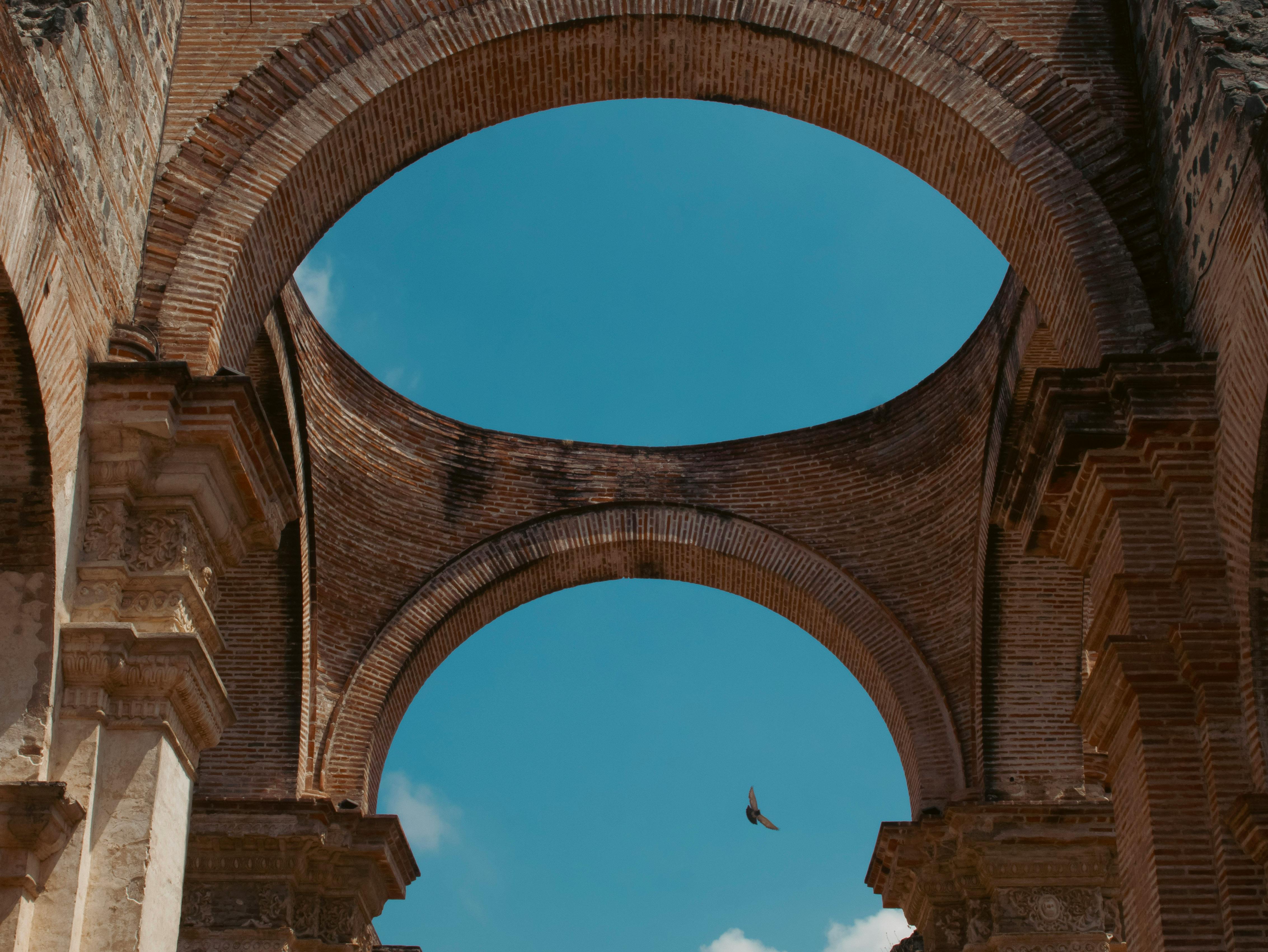
Antigua, the larger island of Antigua and Barbuda, has long stood at a crossroads of empire, trade, and seafaring ambition. The British fortified its harbors in the eighteenth century, and nowhere is that legacy more vivid than at Nelson’s Dockyard, where stone storehouses and naval buildings still frame the water with unusual grace.
The island is famous for its oft-repeated claim of having 365 beaches, one for every day of the year. While that number is part slogan and part local pride, the spirit behind it is true: Antigua offers a remarkable variety of shores, from calm west-coast bays to wind-shaped Atlantic coves and reef-lined snorkeling spots.
For practical planning, Antigua is an easy island for a 7-day trip, especially when divided between lively St. John’s and the historic south around English Harbour. March is part of the dry season and one of the best times to visit; still, bring reef-safe sun protection, book popular boat tours ahead, and note that driving is on the left if you plan to rent a car.
Antiguan cooking deserves real attention. Look for ducana, saltfish, fungi, fresh grilled lobster when in season, conch dishes, pepperpot, and rum punch that lands stronger than it tastes. The island also rewards travelers who mix headline sights with small pleasures: a bakery in the morning, a roadside shack for lunch, and a lookout at dusk when the whole sea seems to catch fire.
For arrival logistics, compare flights and airport transfers through Trip.com flights or Kiwi.com flights. If you prefer to pre-book the ride from V.C. Bird International Airport to your hotel, this round-trip airport transfer between Antigua Airport and Antigua hotels is a practical option.
St. John’s
St. John’s is Antigua’s capital, cruise gateway, commercial center, and best place to begin if you want to understand the island beyond its postcard beaches. Its streets can feel busy and unvarnished in places, but that is part of their value: markets, rum shops, churches, and waterfront life reveal Antigua as a lived-in Caribbean nation, not merely a resort backdrop.
The city is also a convenient base for west-coast beaches, island tours, and boat departures. You will be close to Heritage Quay, Redcliffe Quay, the public market, and a short drive from Fort James, Dickenson Bay, and the airport.
For hotels, consider the historic atmosphere of Casa Santo Domingo if you want a standout heritage-style stay, or browse broader options on VRBO St. John’s and Hotels.com St. John’s. If you want a reliable resort-style option with easy access by road, Hotel Soleil La Antigua is another useful choice to compare.
Food-wise, St. John’s gives you range. For breakfast and coffee, seek out local cafés and bakeries for saltfish bakes, johnnycakes, fresh fruit juices, and strong coffee before the heat builds. Around lunch and dinner, the capital is ideal for casual Caribbean plates, seafood, and waterfront cocktails without the more polished resort markup found elsewhere on the island.
Day 1 - Arrival in St. John’s and a Gentle First Taste of Antigua
Morning: This is your travel day, so keep the morning focused on departure logistics and flight time. For air options, use Trip.com flights or Kiwi.com flights, then plan on roughly 15 to 25 minutes by road from the airport to central St. John’s or nearby west-coast accommodations.
Afternoon: Arrive, check in, and settle slowly rather than trying to conquer the island on day one. If you want a no-fuss transfer, this round-trip transfer between Antigua Airport and Antigua hotels removes the need to negotiate a ride after landing.
Afternoon: Once refreshed, take an easy orientation walk around Redcliffe Quay and Heritage Quay. Redcliffe Quay is the more atmospheric of the two, with restored stone buildings, boutiques, and a harborfront setting that hints at the colonial port Antigua once was, while Heritage Quay feels busier and more contemporary, often animated by cruise traffic.
Evening: For dinner, begin with local seafood and a harbor view. If you find a waterfront restaurant serving grilled catch of the day, conch fritters, and rum punch, that is the right first-night move; order simply and let the island set the pace. If energy allows, finish with a short stroll by the water before an early night to recover from travel.
Day 2 - St. John’s Market Life, Fort James, and a Sunset by the Sea
Morning: Start with breakfast in St. John’s at a local bakery or café where you can try a bake with saltfish, a coconut pastry, or a fresh juice alongside coffee. Afterward, visit the Public Market to see everyday Antigua in motion: fruit vendors, spice sellers, and conversations that tell you more about the island than any brochure can.
Afternoon: Head to Fort James, one of Antigua’s older coastal fortifications, built to guard St. John’s harbor. The cannons and ruined structures are interesting in themselves, but the greater reward is the broad sea view and the sense of how strategic these waters once were; pair the visit with time on the adjacent beach for a swim or a lazy hour under the sun.
Afternoon: For lunch, choose a casual local spot and look for pepperpot, jerk chicken, rice and peas, or grilled fish. Antigua’s best midday meals are often the least pretentious, and roadside or town eateries can be more memorable than polished hotel dining rooms.
Evening: Spend the evening around Dickenson Bay or back near the capital’s waterfront for dinner and drinks. A beachfront setting is ideal tonight: the soft trade winds, low light on the water, and a plate of lobster or snapper make a fine introduction to why Antigua has such a loyal following among repeat visitors.
Day 3 - Full-Day Island Overview with Historic Lookouts and the Atlantic Coast

Today works best as a full excursion. Book the Scenic Full Day Tour of Antigua for a strong introduction to the island’s geography, history, and viewpoints, including famous stops such as Devil’s Bridge and Dow’s Hill.
This kind of island tour is especially smart early in the trip. It helps you understand the island’s layout, lets you decide which beaches or landmarks you may want to revisit later on your own, and provides historical context that makes the rest of the week richer.
Expect dramatic contrasts as you move from gentler Caribbean-facing shores to the rougher Atlantic side, where the sea has carved rock into strange, forceful forms. Devil’s Bridge, in particular, is worth lingering at: not just for the blowhole-like surf action and limestone arch, but for its connection to the brutal history of colonial sugar plantations and enslaved labor.
In the evening, return to St. John’s for a relaxed dinner rather than another major outing. Choose somewhere with grilled fish, curry dishes, or rotis, and keep the night light; a full island day in the sun has a way of making an early bedtime feel like a reward.
English Harbour
English Harbour is Antigua at its most cinematic: masts in the marina, old naval stonework, steep green ridges, and some of the island’s best historical storytelling. It is the right base for travelers who want beach time, yes, but also a stronger sense of place and a more atmospheric evening scene.
This area includes Nelson’s Dockyard, Shirley Heights, Galleon Beach, and access to Pigeon Point and nearby coves. It also places you within reach of several of Antigua’s best water-based excursions, including snorkeling trips and boat tours that reveal the island from its most flattering angle: offshore.
For accommodations, compare Hotel Mesón del Valle, Casa Santo Domingo, and broader vacation-rental choices on VRBO English Harbour and Hotels.com English Harbour. The road transfer from St. John’s to English Harbour usually takes about 35 to 45 minutes depending on traffic, and a taxi is commonly around $25-$40 USD.
Day 4 - Transfer to English Harbour, Nelson’s Dockyard, and Shirley Heights Sunset
Morning: After breakfast, transfer from St. John’s to English Harbour. The drive typically takes 35 to 45 minutes, and leaving in the morning means you arrive before the day grows hottest; if you are self-organizing transport, ask your hotel to arrange a taxi or compare transfer and flight tools through Trip.com and Kiwi.com for broader trip planning.
Afternoon: Check in, then spend your first hours in Nelson’s Dockyard National Park. This UNESCO-listed naval complex is one of the great historic sites of the Caribbean: eighteenth-century workshops, officers’ quarters, and harbor defenses preserved not as ruins alone, but as a living waterfront still threaded with yachts, museums, and old maritime geometry.
Afternoon: For lunch, eat near the harbor and keep it leisurely. This is the place for fresh seafood, salads brightened by tropical fruit, or a straightforward fish sandwich while watching boats slide in and out beneath the hills.

Evening: End the day at Shirley Heights, Antigua’s most famous lookout, where restored military batteries overlook English Harbour and Falmouth Harbour from high above. If you prefer not to sort transport yourself, book the Sunset party at Shirley Heights - SHARE round trip; the entrance ticket is separate, but the ease is worthwhile, especially if you plan to enjoy the bar and live music.
Evening: Stay through sunset. The panorama is extraordinary, and on the right evening the scene becomes half history lesson, half Caribbean social ritual, with steel-pan or live music, barbecue aromas, and a crowd that ranges from yacht crews to families to first-time visitors who suddenly understand why this spot has become an island institution.
Day 5 - Stingrays, Long Bay, and the Wild Edge of the East Coast

Today is ideal for one of Antigua’s signature wildlife-and-scenery outings. The Best of Antigua: Stingrays, Devils Bridge & Long Bay Beach combines several of the island’s strongest eastern highlights in one efficient small-group day.
The stingray encounter is memorable because the water is shallow and clear enough to make the interaction feel intimate rather than theatrical. Southern stingrays glide around you with surprising elegance, and for many travelers this becomes the story they tell first when they get home.
Long Bay Beach offers the softer counterpoint: pale sand, calmer water, and a classic Caribbean palette of light turquoise and white. Devil’s Bridge returns you to the Atlantic’s rough drama, where surf and wind have shaped limestone into a natural arch that looks almost too sculptural to be real.
In the evening, have dinner back in English Harbour. This is a good night for a proper sit-down meal with seafood pasta, grilled mahi-mahi, or a rum-forward cocktail; after an active day, the marina atmosphere feels civilized without losing the island’s relaxed pulse.
Day 6 - Snorkeling, Galleon Beach, and a Rum Masterclass

Morning: Start early with the Turtle Beach Power Snorkeling Adventure, which explores the waters around Galleon Beach and nearby reef areas with sea scooters. It is a playful way to cover more water than a standard snorkel session, and the area is well chosen for marine life, coral views, and that clean, lucid blue Antigua does so well.
Afternoon: After snorkeling, stay around Galleon Beach for a slower stretch on shore. Galleon has a more tucked-away feel than some of the broader resort beaches, and because of its position near historic lookouts and the harbor entrance, it combines scenery with a sense of discovery.
Afternoon: Lunch should be casual and coastal today. Choose something light, such as grilled fish tacos, a fresh salad, or a roti, because the afternoon’s heat and salt air make simple food taste best.

Evening: For a distinctly Antiguan change of pace, join the Rum Making Masterclass Galleon Beach Antigua. Rum is not just a drink in the Caribbean; it is a historical thread tied to sugar, trade, labor, celebration, and local identity, and a guided class gives context as well as pleasure.
Evening: Finish with dinner in English Harbour or nearby Falmouth. If you can, pick a place where the tables look toward the marina and the menu leans local rather than generic international fare; this is the sort of night when the island feels settled under your skin.
Day 7 - Pigeon Point, a Final Swim, and Departure
Morning: Take your last full Antigua morning at Pigeon Point Beach, one of the loveliest easy-access beaches in the south. The water is usually calm, the setting is gentle rather than showy, and it is a fitting place to reflect on the week without racing toward one more major activity.
Morning: Have breakfast or early coffee nearby before heading back to pack. A fruit plate, eggs, and good coffee are enough; on departure days, simplicity is wisdom.
Afternoon: Check out and transfer to the airport, allowing roughly 35 to 45 minutes from English Harbour to V.C. Bird International Airport, longer if road conditions are busy. If you want transport prearranged, use the round-trip Antigua airport transfer; for return flights, compare Trip.com and Kiwi.com.
Evening: You will likely be in transit, carrying home a week of bright water, naval history, reef life, and the distinct rhythm of Antigua’s coasts. Few islands balance ease and variety this well, which is why seven days here feels satisfying rather than rushed.
This 7-day Antigua itinerary gives you two complementary bases: the everyday energy of St. John’s and the historic beauty of English Harbour. Together they create a trip rich in beaches, snorkeling, island history, local food, and memorable Caribbean sunsets.