
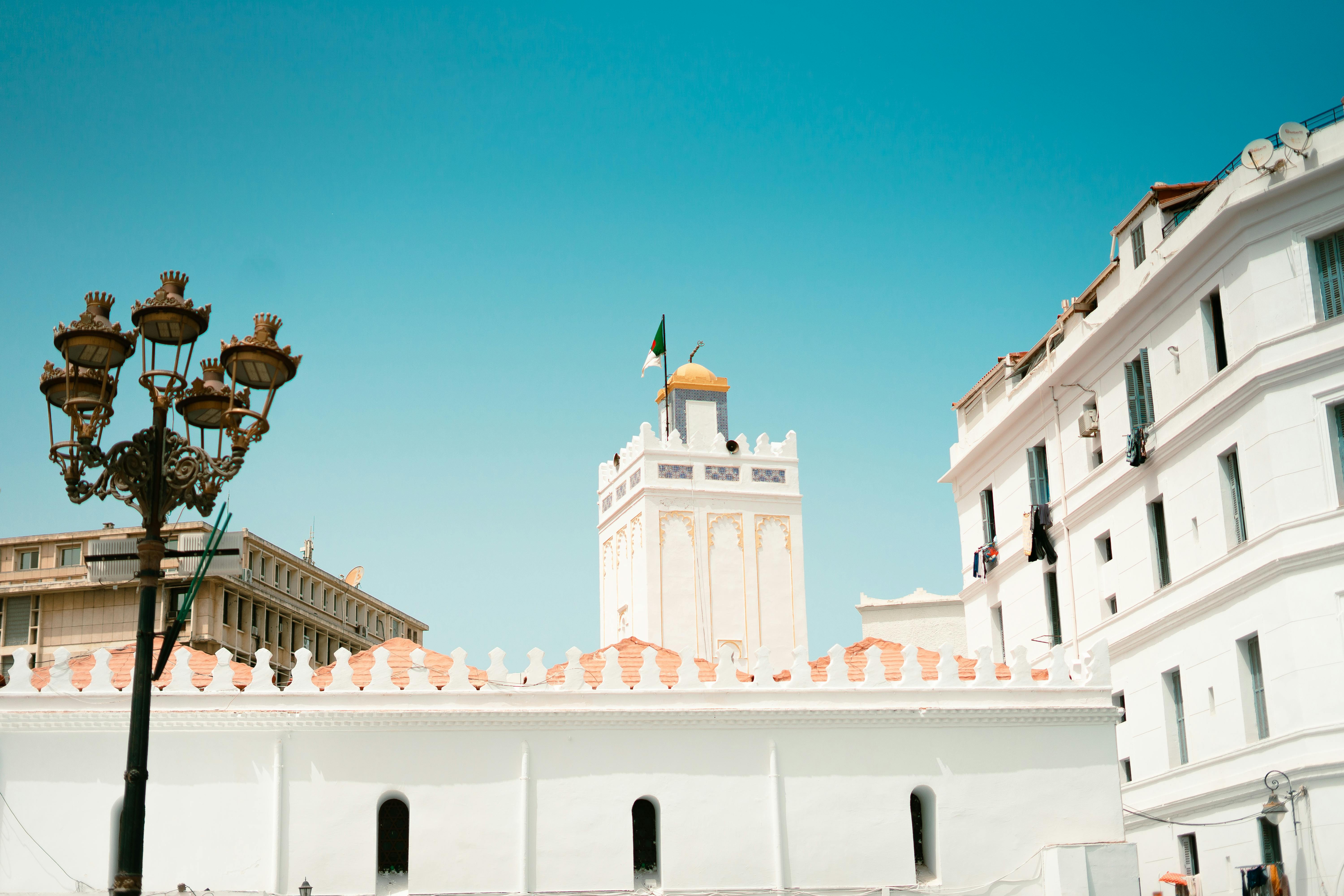
Algeria rewards the traveler who lingers. In one week, you can trace Phoenician trade winds, Roman ambitions, Ottoman craft, and modern resistance—often within the same neighborhood. From Algiers “the White” and its hilltop basilica to Constantine’s legendary gorges and suspension bridges, this itinerary moves with the logic of the land: coast to high plateau, old medina to modern boulevard.
History runs deep here. Walk the Casbah of Algiers, a UNESCO World Heritage site layered with stories; spend a day among Tipaza’s Roman seaside ruins; then hop east to Constantine, once the capital of Numidia and still home to vertigo-inducing vistas. If Roman Africa is your passion, Timgad—Trajan’s immaculate grid city—is the capstone.
Practical notes: Many nationalities need a visa arranged in advance; carry a mix of cash and card (ATMs are easy in big cities, but cash remains common in markets). Dress modestly in religious and historic quarters. Arabic and French are widely spoken; a few words of either go a long way. Cuisine is hearty and regional—think couscous, rechta, chakhchoukha, bourek, spicy merguez, and syrupy mint tea.
Algiers
Algiers is a city of light and angles: whitewashed facades climbing hills above the Mediterranean, Ottoman palaces tucked behind cedar doors, and the stately colonial arcades of the lower town. The Casbah is the soul—narrow lanes, carved wood, tiled courtyards—while the French-era boulevards host cafés that fuel the city’s daily rhythm.
Top sights include the Casbah, the sweeping basilica of Notre Dame d’Afrique, the Martyrs’ Memorial, and the dreamy Jardin d’Essai du Hamma (one of North Africa’s most storied botanical gardens). Food-wise, Algiers leans coastal: grilled sardines, brik-like bourek, and couscous on Fridays, with patisseries offering almond sweets and flaky msemen for breakfast.
- Stay: Browse central stays and sea-view apartments on VRBO Algiers or vetted hotels near downtown, Hydra, and El Biar on Hotels.com Algiers.
- Getting in: Search international and regional flights on Trip.com (flights) or Kiwi.com. Private airport pickup is easy to pre-book: Algiers Airport Transfer.
Day 1: Arrival in Algiers, seafront first impressions
Afternoon: Land at Houari Boumediene (ALG) and transfer to your hotel. Stretch your legs along Boulevard Zighoud Youcef and the neo-Moorish La Grande Poste, a postcard of the city. For a historic caffeine fix, slide into a banquette at Café Tontonville on Rue Didouche Mourad—order an espresso and a slice of almond cake while you people-watch.
Evening: Ride up to Notre Dame d’Afrique for a golden-hour view across the Bay of Algiers. Dinner back in town: book a table at Les Orientalistes (inside the historic Hotel El-Djazair) for refined Algerian-Mediterranean plates—try rechta with chicken and cinnamon, or lamb with prunes and almonds. Prefer something homier? Seek out a traditional kitchen like Lalla Mina in Hydra for couscous and bourek. Nightcap: mint tea on a terrace with a sea breeze.
Day 2: Casbah, Martyrs’ Memorial, and Hamma Garden
Morning: Dive into the UNESCO-listed Casbah with a local guide—its palaces and alleyways are a living archive. Consider booking the dedicated Algiers Casbah Tour for context and access to hidden courtyards.

Grab a quick lunch in the lower Casbah—bourek (fried pastry with minced meat and herbs) or a hot, folded msemen with harissa and fresh cheese.
Afternoon: Head to the Martyrs’ Memorial (Maqam Echahid) for sweeping city views, then wander the Jardin d’Essai du Hamma. Giant ficus roots, palm avenues, and a film-history footnote (think Tarzan-era botany) make this an atmospheric respite.
Evening: Follow locals to Bab El Oued for the catch of the day—grilled sardines, shrimp, or a simple fish soup at no-frills seafood grills along the corniche. Post-dinner stroll the waterfront promenade as the city lights glitter across the bay.
Day 3: Day trip—Tipaza and Cherchell (Roman coast)
Set out west along the Mediterranean (about 1.5–2 hours each way by road) to roam the seaside forums, basilicas, and amphitheater at Tipaza, then the sculpture-rich museum at Cherchell. A guided outing keeps the logistics smooth and the history vivid: book the "Tipaza and Cherchell" Tour by Fancyellow.

Don’t miss the Royal Mausoleum of Mauretania—“the Tomb of the Christian”—on the return. Lunch is best at simple port-side grills: order whatever fish the boats just brought in, with lemon, olive oil, and hot flatbread. Return to Algiers by early evening for a light dinner and rest.
Constantine
Constantine, “City of Bridges,” is part drama, part engineering marvel. The Rhumel River gashes through a deep gorge, and the city leaps across it via stone arches and suspension spans—Sidi M’Cid, Sidi Rached, El-Kantara—each a viewpoint, each a photo you’ll keep.
The city’s history is dense: once Cirta of Numidia, renamed for Constantine the Great, and today a university hub with a proud musical tradition (malouf) and bold flavors. Expect chakhchoukha (torn flatbread in a rich sauce), mtewem (meatballs with chickpeas and garlic), and zlabia pastries dripping with honey.
- Stay: Look near Place de la Brèche or the old town for easy bridge-hopping. Compare options on VRBO Constantine and Hotels.com Constantine.
- Getting there from Algiers (Day 4 morning): Fly ALG → CZL (about 55 minutes; ~$50–120 one way) via Trip.com or Kiwi.com. Overland options exist (train/bus ~6–9 hours), but flying maximizes your time.
Day 4: Morning flight to Constantine, bridges and palaces
Morning: Depart Algiers on an early flight; arrive Constantine by mid-morning and check in. Snack on msemen with honey and a café crème near Place de la Brèche to fuel your first walk.
Afternoon: Take the elevator or cable car up to the cliff rim, then cross Sidi M’Cid Bridge for a goosebump-inducing view into the gorge. Continue to the Monument to the Dead and loop back via the Sidi Rached stone viaduct. Tour the lavish Ahmed Bey Palace—painted ceilings, Italian marble, and a courtyard that whispers of Ottoman days.
Evening: Dinner near the center: try chakhchoukha constantinoise (torn flatbread in a tomato-chickpea sauce, often with lamb) or mtewem. For a classic setting, the restaurant at the historic Hotel Cirta is a reliable bet; for something humbler, grill houses around Sidi Mabrouk serve excellent brochettes with cumin and paprika. Dessert? Warm zlabia with mint tea.
Day 5: Constantine in depth—bridges, museums, and malouf vibes
Morning: Join a guided city circuit to tie the history together—the medina lanes, the El-Kantara bridge, and the best overlooks. A curated option is the "Best of Constantine City" by Fancyellow for architecture and local lore.

Afternoon: Visit the Cirta Museum (archaeology and ethnography) to frame tomorrow’s Roman excursion. If time allows, admire the modern Emir Abdelkader Mosque—dress modestly, and check visiting hours. Coffee break with kaak or baqlawa at a patisserie near the center.
Evening: Track down a casual spot offering mahjouba (tomato-onion stuffed crêpes) and a bowl of chorba frik (green wheat soup). If there’s a malouf performance listed locally, it’s a beautiful window into Constantine’s musical heritage.
Day 6: Day trip—Timgad, Trajan’s perfect Roman city
Set off early for Timgad (Thamugadi), around 2.5–3 hours by road from Constantine. Founded by Emperor Trajan in AD 100, this UNESCO World Heritage site is a textbook Roman grid: triumphal arch, library, theater, baths, and cardo/decumanus scored into North African earth. Book the "Best of Timgad's Roman Ruins" Tour By Fancyellow to handle logistics and guiding.

Lunch is typically a simple stop in Batna—grilled meats, salad méchouia, and fresh flatbread—before returning to Constantine by evening for a light dinner and an early night.
Day 7: Constantine markets and departure
Morning: Pick up edible souvenirs—dates from the Sahara, spices, and pastries—in markets near the center. Walk one last bridge for a final look into the gorge; it never gets old.
Afternoon: Fly out of Constantine (CZL). If your long-haul departs Algiers, take a morning hop to ALG via Trip.com or Kiwi.com, leaving a safe connection window.
Optional Algiers full-day tour alternative (Day 2)
If you prefer one comprehensive day with a private guide, swap Day 2 for the "Best of Algiers city" by Fancyellow, which weaves Roman, Ottoman, colonial, and contemporary Algiers into a single narrative.

Where to eat and drink—quick picks you’ll love
- Breakfast/coffee in Algiers: Café Tontonville (historic café culture and excellent espresso); street-side stalls for hot msemen with honey or cheese.
- Lunch in Algiers: Casbah snack bars for bourek and rechta; fish grills in Bab El Oued for whatever’s freshest.
- Dinner in Algiers: Les Orientalistes (classic Algerian-Mediterranean in a storied hotel); homestyle couscous at traditional eateries in Hydra and El Biar.
- Constantine staples: Chakhchoukha, mtewem, grilled brochettes; pastries like zlabia and kaak. For sit-down meals, central hotel restaurants are reliable, while Sidi Mabrouk’s grills are local favorites.
Good to know
- Money: ATMs are common in major cities; smaller vendors prefer cash.
- Dress and etiquette: Modest attire is appreciated in the Casbah, mosques, and traditional quarters.
- Timing: Fridays are quieter; many families gather for couscous. Museums and some shops may have reduced hours.
Over seven days, you’ll read Algeria like a layered manuscript—coastal Algiers in the morning light, Roman stones at the water’s edge in Tipaza, and Constantine’s bridges arcing from past to present. Expect big skies, sincere hospitality, and meals that taste like home cooking—wherever the home might be.