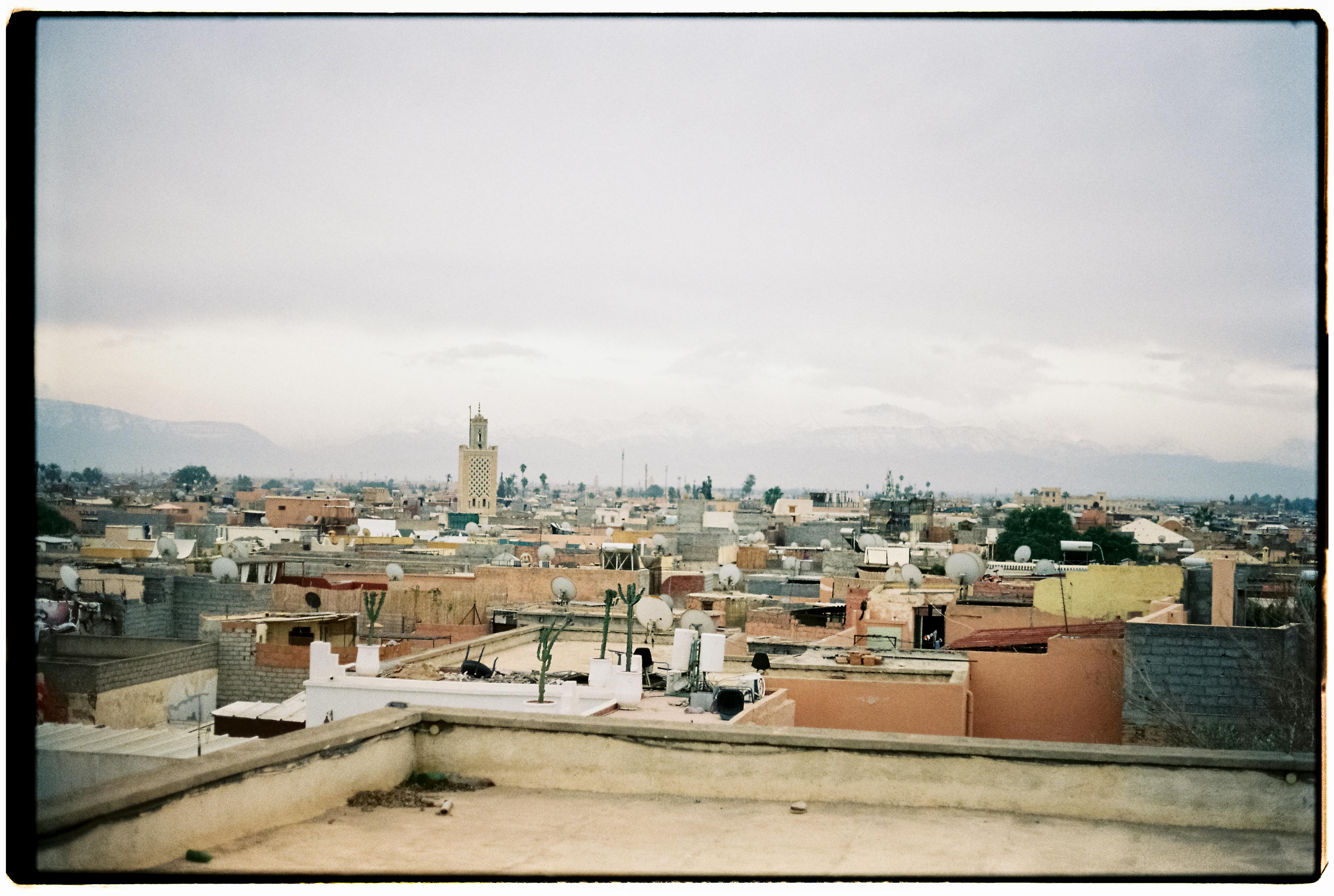
6 Days in Morocco: Marrakech & the Sahara Desert Adventure
A fast, well-paced loop from the souks and palaces of Marrakech to a camel trek and overnight under the stars on the dunes of Erg Chebbi.
6 days in Marrakech
Morocco packs an astonishing amount into a short visit: a thousand-year-old imperial city, snow-dusted Atlas peaks, palm oases, and the cinematic dunes of the Sahara, all within a day's drive of each other. Marrakech, founded by the Almoravids in 1070, has been a caravan crossroads for centuries, and its walled medina is still a maze of souks, fountains, and tiled palaces.
With only six days, this plan keeps a single base in Marrakech and devotes the middle stretch to the country's headline experience: a 3-day overland loop to Merzouga, where you ride a camel into the orange ridges of Erg Chebbi and sleep in a desert camp. It is a lot of road, but the route itself (the Tizi n'Tichka pass, the ksar of Ait Ben Haddou, the Dades and Todra gorges) is half the reward.
Practical notes: the dirham (MAD) is the local currency, and Morocco runs about 10-11 dirhams to the dollar, with cash still king in the medina. June is hot, often 38-42 C (100-108 F) in Marrakech and hotter in the desert, so plan sightseeing for mornings and evenings, carry water, and respect the midday lull. French and Arabic are widely spoken, English is common in tourism, and modest dress plus a little haggling go a long way.
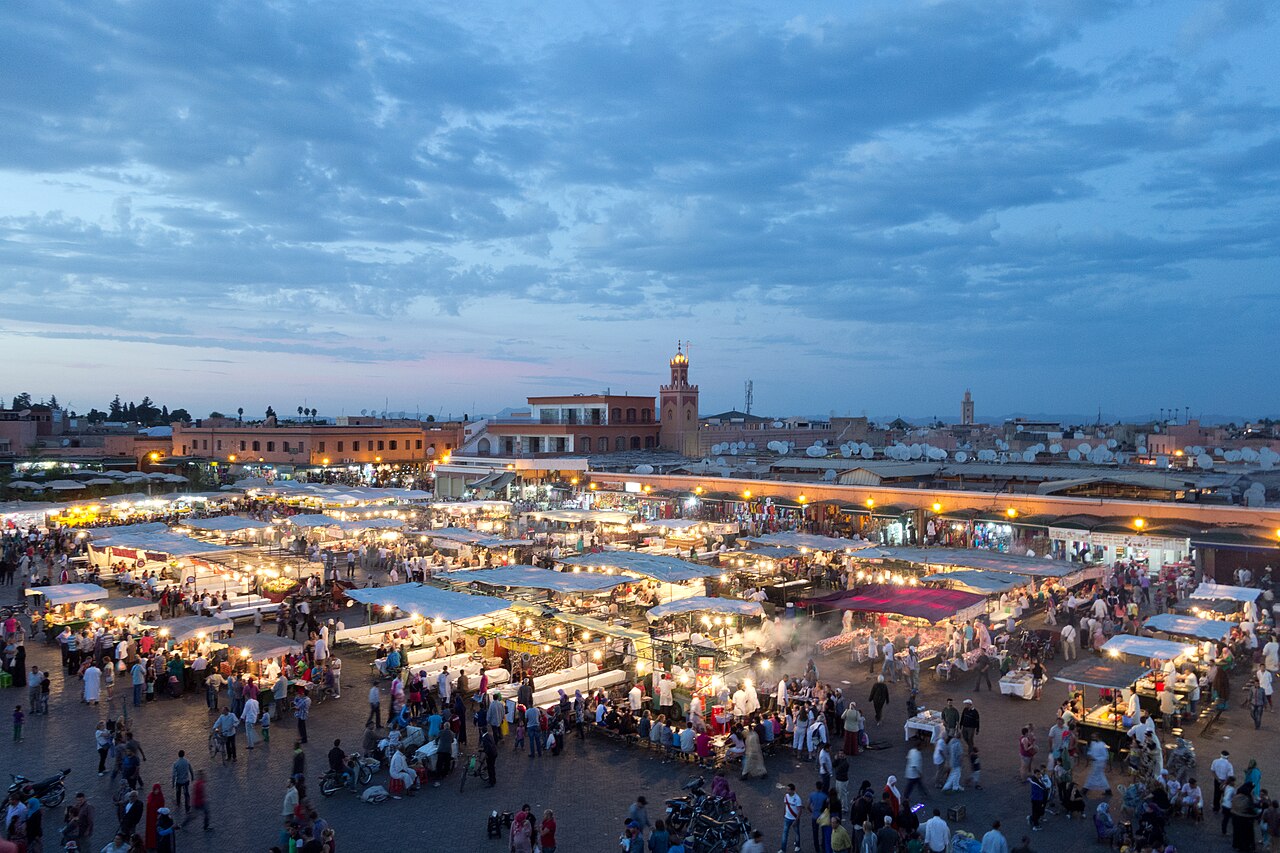
Arrival, the Medina & Jemaa el-Fnaa at Dusk
Jemaa el-Fnaa · Boris Macek / CC BY-SA 3.0Settle into your riad, then ease into the medina at the gentler end of the day. Don't over-plan: a slow loop through the souks and a first look at the Koutoubia is the right pace after a flight.
Marrakech's 12th-century landmark, its 77-meter minaret visible across the city and the model for Seville's Giralda. Non-Muslims can't enter, but the rose gardens alongside are free, shaded, and perfect for a first wander.
Plunge into the covered souks north of Jemaa el-Fnaa, where lanes specialize in slippers, lanterns, leather, and spices. Browse without pressure on day one, note prices, and save serious haggling for later; vendors expect a friendly back-and-forth.
As the heat breaks, Jemaa el-Fnaa transforms into an open-air carnival of musicians, storytellers, and food carts; a UNESCO-listed spectacle best seen from above first, then from within.
Grab a mint tea on a rooftop overlooking the square to watch the smoke and crowds gather at sunset before diving in. Drinks are simple and the view is the point; expect 20-40 MAD for tea.
Your first dinner should be classic Marrakech, whether that means grazing the legendary food stalls or sitting down to a proper tagine.
The square's grill stalls fire up nightly: skewers, merguez, grilled vegetables, and bowls of harira soup for a few dirhams a plate. Pick a busy stall with high turnover, watch your order being cooked, and expect to eat well for 60-100 MAD.
A modern Moroccan rooftop above the spice market doing lighter, contemporary takes on local dishes with a great view of the medina. Reserve a sunset table; mains run roughly 120-180 MAD.

Palaces, Gardens & the Souks of Marrakech
Majorelle Garden · Viault / CC BY-SA 3.0Start with coffee and a Moroccan breakfast of msemen, eggs, and orange juice before the day heats up.
Set inside a restored palace, this opulent coffee house pours hundreds of single-origin coffees beneath painted ceilings and tilework. A splurge experience (coffee from around 60 MAD) but worth it for the setting; arrive early to beat the queue.
Cafe Clock (Kasbah) does a relaxed breakfast and great fresh juices in a creative, traveler-friendly space, while Naranj near the Bahia serves a Levantine-Moroccan menu. Both are comfortable, mid-priced spots to fuel up.
Tackle the southern medina's monuments while the air is still cool. The Bahia Palace and Saadian Tombs sit a short walk apart in the Kasbah quarter.
A 19th-century palace of carved cedar, painted ceilings, and tranquil courtyards built for a grand vizier. Entry is around 100 MAD and it opens about 9am; go early to photograph the patios before tour groups arrive.
Sealed for centuries and rediscovered in 1917, these 16th-century royal tombs glow with marble columns and gilded honeycomb plaster. Entry is roughly 100 MAD; the famous Hall of Twelve Columns has a small queue, so come at opening.
Refuel in a medina courtyard or rooftop before the afternoon heat peaks.
A green, plant-filled courtyard restaurant in the souks serving fresh Moroccan salads, tagines, and grilled fish. Cool, calm, and reasonably priced with mains around 90-140 MAD.
Sister spots on the Rahba Kedima spice square, good for sandwiches, salads, and a rooftop breeze. Casual and dependable, with light meals around 70-120 MAD.
Cross to Gueliz for the city's most photographed garden, then return to the souks as the light softens.
The cobalt-blue villa and bamboo gardens created by Jacques Majorelle and later saved by Yves Saint Laurent, paired with the excellent YSL Museum next door. Garden entry is around 150-220 MAD and the museum about 100 MAD; book timed tickets online in advance as same-day slots routinely sell out.
A restored medina riad-garden with Islamic and exotic plantings and a tower viewpoint, far quieter than Majorelle. Entry is around 100 MAD and it sits right in the souks, making it an easy heat-of-the-day retreat.
Soak away the day's dust with a traditional hammam, Morocco's centuries-old bathing ritual of steam, black soap, and a vigorous scrub.
Both offer accessible spa-style hammams with scrub and massage packages from roughly 250-500 MAD, a relaxing primer for first-timers. Book a slot earlier in the day; you emerge polished and ready for dinner.
Go for a proper sit-down Moroccan dinner tonight, since the next two evenings are on the road and in the desert.
A beloved, women-run restaurant famous for slow-cooked lamb shoulder (mechoui) and pastilla, serving refined Fassi home cooking. Reserve ahead; expect roughly 200-300 MAD per person.
A theatrical set-menu feast in a lavishly decorated medina mansion with a rooftop aperitif. A splurge at around 600-700 MAD, but a memorable last-night-in-the-city occasion.

Over the High Atlas to Ait Ben Haddou & Dades Gorge
Aït Benhaddou · Petar Milošević / CC BY-SA 4.0Eat early at your riad and check out (most will store your main luggage while you take a small bag to the desert). Your guided 3-day Sahara tour departs Marrakech in the early morning.
Have your riad's breakfast packed or served early so you're ready for an 7-8am pickup. Bring layers (desert nights cool down), a scarf for dust, sunscreen, and cash for snacks and tips.
Today crosses the spine of Morocco: the Tizi n'Tichka pass through the High Atlas, then down to the fortified mud-brick city of Ait Ben Haddou, with an overnight near the Dades Gorge.
A well-rated, budget-friendly group expedition run by local desert families, covering the Tizi n'Tichka pass (2,260 m), the UNESCO ksar of Ait Ben Haddou (a backdrop in Gladiator and Game of Thrones), Ouarzazate's film studios, and an overnight in the Dades valley. Transport, driver-guide, and lodging are included; lunches are extra and budget-friendly along the route.
Dinner is included at your Dades-area guesthouse, usually a hearty home-style spread after the day's driving.
Expect harira soup, a vegetable or meat tagine, bread, and fruit served family-style at your overnight kasbah. It's simple, filling, and part of the tour; the star is the silence and the star-filled sky over the gorge.

Todra Gorge, the Road to Merzouga & a Night in the Dunes
Erg Chebbi · Bjørn Christian Tørrissen / CC BY-SA 3.0The big day: drive through the dramatic Todra Gorge, continue east across stony desert to Merzouga, then trade the van for a camel and ride into the Erg Chebbi dunes for sunset and a night in camp.
Morning takes you into Todra Gorge, where 300-meter rock walls narrow over a palm-lined stream, before the long, scenic push to Merzouga. In late afternoon you mount a camel for the roughly one-hour trek over the dunes to a Berber camp, arriving for sunset, drumming around the fire, and dinner under the stars (all part of your 3-day tour).
If your camp offers add-ons and you still have energy, the dunes reward a little extra adventure before dinner.
Many Merzouga camps and local operators offer sandboarding down the ridges or a short quad-bike spin across the dunes at golden hour. It's optional and paid on the spot (quad excursions run from roughly $25-45), but a fun way to feel the scale of the Sahara.
Dinner in camp is a communal affair, followed by Berber music and some of the clearest night skies you will ever see.
A tagine and bread dinner served in the mess tent, then drumming and tea around the fire as the Milky Way comes out. Lie back on the cooling sand; in June the desert nights are far more comfortable than the daytime heat.
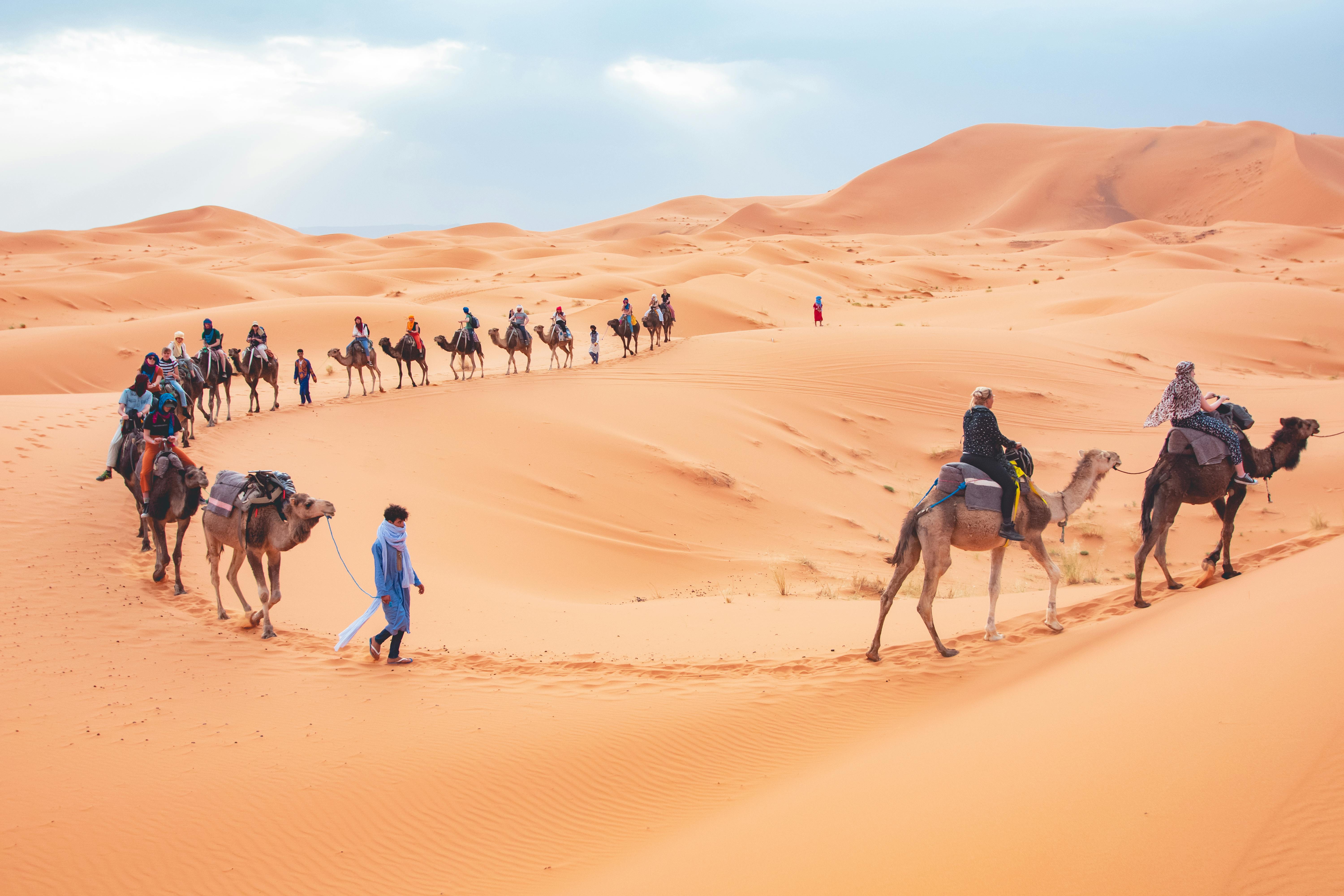
Sahara Sunrise & the Long Road Back to Marrakech
Tourists ride camels across the scenic sand dunes of Merzouga, Morocco. · Photo by Zakaria HANIF on PexelsWake before dawn for sunrise over the dunes, ride the camels back to Merzouga, then settle in for the long return drive to Marrakech (roughly 9-10 hours with stops). It's a big travel day, but the changing landscapes keep it interesting.
Climb a dune for the sunrise, then trek back out of Erg Chebbi for breakfast before the drive west via the Ziz Valley palm oases and the Atlas. Your tour delivers you back to central Marrakech in the evening; doze, snack, and enjoy the scenery on the way.
Back in Marrakech and checked into your riad, keep dinner easy and close to home after a long day on the road.
Pepe Nero pairs Italian and Moroccan dishes in a candlelit riad courtyard, while Le Trou au Mur does refined Moroccan home cooking; both are calm, mid-range medina spots ideal for a tired traveler. Reserve ahead and expect roughly 150-250 MAD per person.
Most riads will cook a multi-course Moroccan dinner with advance notice, served in the courtyard so you don't have to step back out. The most restful option after the desert; typically 150-250 MAD per person.
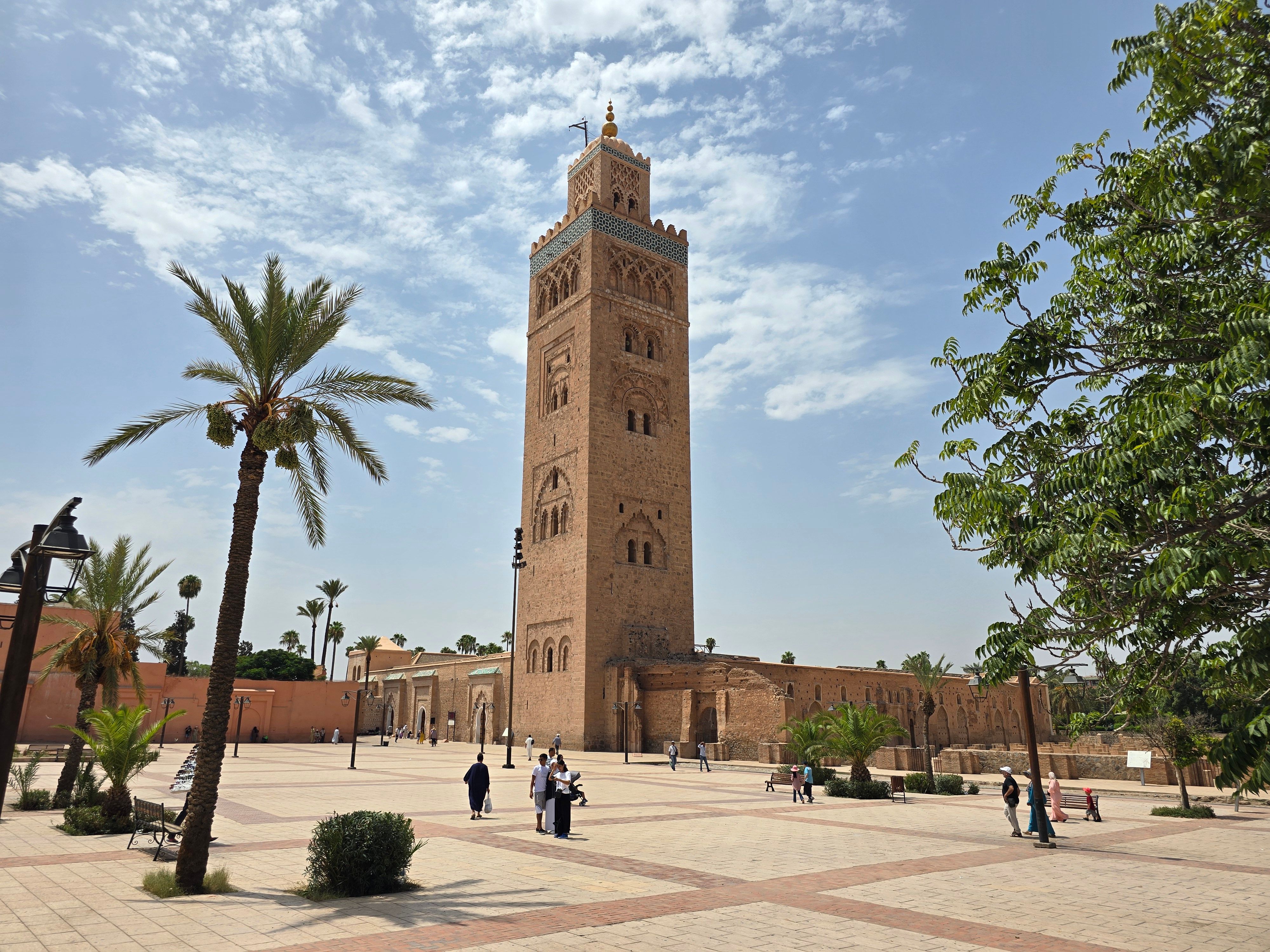
A Final Medina Morning & Departure
Koutoubia Mosque's majestic minaret stands tall in Marrakesh, Morocco, with people strolling below. · Photo by Zak H on PexelsEnjoy a last leisurely breakfast on your riad rooftop before checking out. Confirm your airport transfer the night before so the morning is unhurried.
Msemen, amlou, fresh juice, and coffee with a final view over the medina rooftops. A gentle start before a bit of last-minute exploring.
Use the cool morning hours for any souvenir shopping you've been eyeing, or a quiet last sight, before the heat and your flight.
Return to the souks for the rugs, lanterns, leather babouches, or argan oil you scouted earlier, now with confidence to haggle. Mornings are calmer and shopkeepers are keen to make the first sale of the day.
A small museum of vintage Moroccan photography in a restored medina house, with a rooftop cafe and sweeping views. Entry is around 50 MAD and it's a peaceful, air-conditioned finale near the souks.
Have an early lunch near your riad, then collect your bags and head to Menara Airport (about 15-20 minutes from the medina).
Both are relaxed, casual spots for a quick final tagine, salad, or sandwich and a last mint tea before the airport. Light, affordable, and easy on the schedule; budget 60-120 MAD.
Pick your base
For first-timers, sleep inside the medina to be steps from Jemaa el-Fnaa and the souks; a traditional riad is the quintessential experience. Choose the southern medina (near the Bahia Palace and Kasbah) for quieter lanes, or the area around Dar el Bacha for easy access. If you prefer space, a pool, and quieter streets, Gueliz and Hivernage offer modern hotels a short taxi ride from the action.
A tiny four-room riad on a quiet lane near the Mouassine fountain, with a banana-tree courtyard, attentive hosts, and home-cooked dinners. Excellent mid-range value and an easy walk to the souks and Jemaa el-Fnaa.
A relaxed medina riad with a heated pool, rooftop terrace, and family rooms, plus a hands-on cooking class on offer. A comfortable, good-value base for travelers who want a little more room to spread out.
A well-kept budget riad with a classic tiled courtyard and rooftop, tucked in the medina within walking distance of the main sights. A wallet-friendly pick that still delivers the riad experience.
A leafy garden resort in Hivernage with large pools, a spa, and casino, set a short taxi from the medina. A good choice if you want resort comforts and space for kids alongside city sightseeing.
Built by royal command, this is Marrakech at its most theatrical: private multi-story riads, hand-carved plaster, and a dreamlike spa. A genuine splurge and one of the most iconic hotels in Africa if you want one unforgettable night.
Good to know
How many days do you need in Marrakech?
Two to three full days is enough to cover Marrakech's highlights: Jemaa el-Fnaa, the souks, the Bahia Palace and Saadian Tombs, the Jardin Majorelle, and a hammam. In a six-day Morocco trip, basing in Marrakech and giving the middle three days to a Sahara desert tour is a popular, efficient split.
Is it worth doing a Sahara desert tour from Marrakech in only 6 days?
Yes, if you accept the long drives. Merzouga is roughly 9-10 hours from Marrakech each way, so the standard 3-day/2-night tour spends real time on the road, but the route through the High Atlas, Ait Ben Haddou, and the Dades and Todra gorges is scenic, and the overnight camel camp in Erg Chebbi is the trip's standout. If you'd rather avoid the driving, a closer alternative is the Agafay desert, under an hour from Marrakech.
What is the best time of year to visit Morocco?
Spring (March-May) and autumn (September-November) offer the most comfortable weather for both Marrakech and the desert. June through August is very hot, often topping 40 C (104 F) in Marrakech and the Sahara, so summer visitors should sightsee in the early morning and evening and rest during the midday heat.
What is the best area to stay in Marrakech for first-time visitors?
Stay inside the medina, ideally in a traditional riad near Jemaa el-Fnaa or in the quieter Kasbah quarter, so you can walk to the souks and main sights. If you prefer a pool, more space, and modern hotels, the Gueliz and Hivernage districts are a short taxi ride from the medina.
How do you get around Morocco and Marrakech?
Within the Marrakech medina you walk, since cars can't enter most lanes; petit taxis handle trips to Gueliz, Hivernage, and the airport (agree the fare or insist on the meter). For the desert, a guided multi-day tour with a driver is the easiest option, as it bundles transport, lodging, and the camel trek.
Is Morocco expensive to visit?
Morocco is generally affordable for mid-range travelers. Riads, street food, and taxis are inexpensive by Western standards, a group desert tour runs roughly $90-130 per person for three days, and meals range from a few dollars at food stalls to around $20-30 at nicer restaurants. Cash (dirhams) is essential in the medina, where cards are rarely accepted.
Six days is enough to feel Morocco's range, from the sensory overload of the Marrakech medina to the deep quiet of a Saharan sunrise. This loop trades a slower pace for two genuinely unforgettable nights in the dunes, then returns you to the city for a relaxed final morning of souks and mint tea. Pack light, carry cash and water, embrace the haggling, and let the desert be the memory you keep.