
Japan rewards short trips better than almost anywhere on earth, and this 5-day itinerary proves it. Tokyo, once the small fishing village of Edo, became the seat of shogunal power in the early 17th century and then one of the world’s great capitals; Kyoto, by contrast, preserves more than a millennium of imperial memory in its temples, wooden streets, and refined culinary traditions.
For first-time visitors, the pairing is hard to beat. Tokyo gives you neon, ramen counters, craft beer, department-store food halls, and late-night neighborhoods; Kyoto offers shrine paths, tea houses, excellent kaiseki and ramen, and a slower cadence that feels especially rewarding after the capital’s velocity.
Practically speaking, Japan is very easy to navigate, and your budget level allows for a comfortable mid-range trip with a few special splurges. Keep some cash for smaller eateries, load a transit card on arrival, reserve Shinkansen seats if traveling at peak times, and note that many spas and sento have tattoo policies that vary by venue, so checking house rules in advance is wise.
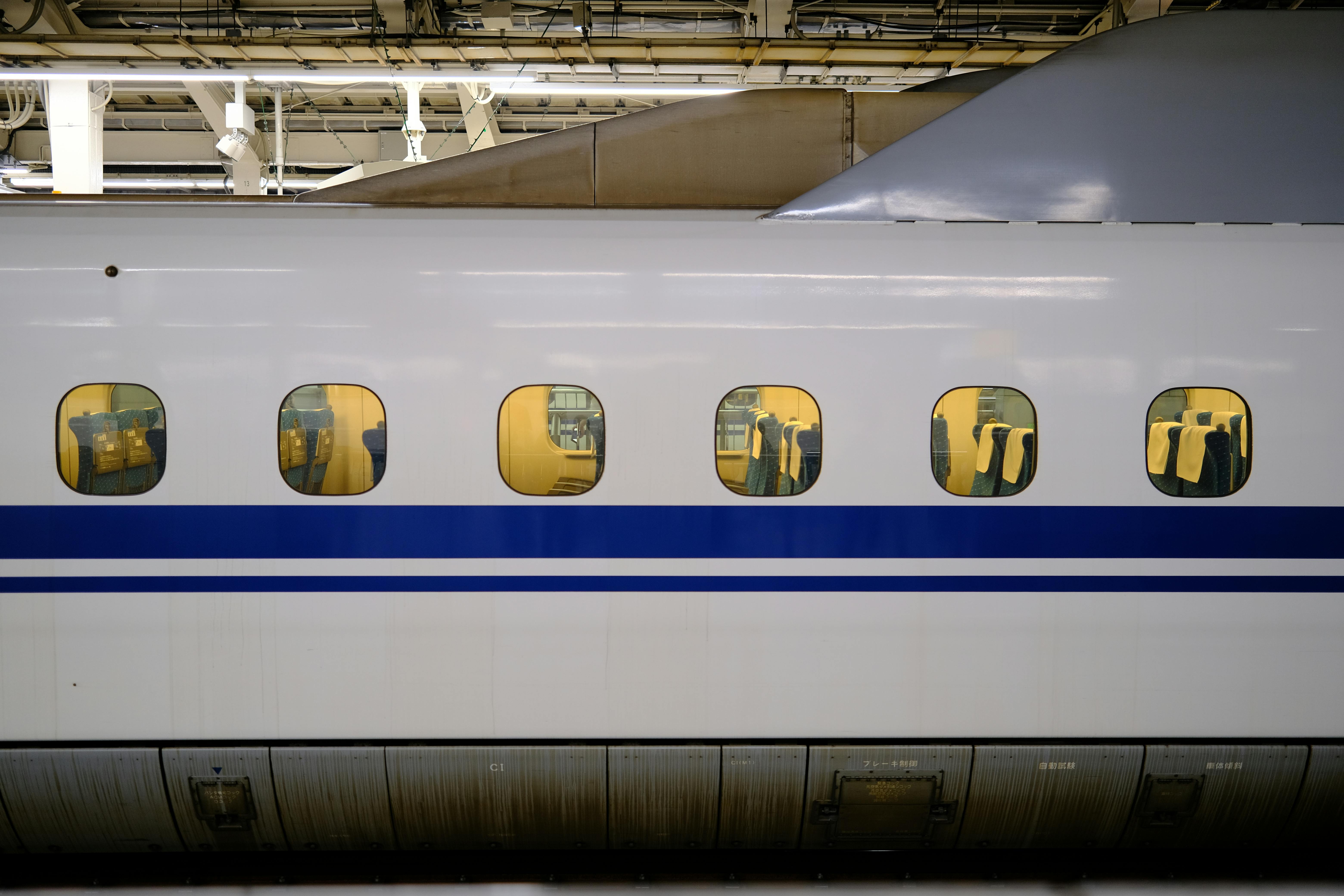
Travel setup: With 5 days, the most logical split is Tokyo + Kyoto, using the Shinkansen between them. For flights into Japan and any airfare comparison, start with Trip.com flights or Kiwi.com. For the Tokyo–Kyoto rail leg, use Trip.com trains; the Nozomi Shinkansen typically takes about 2 hours 10 minutes to 2 hours 20 minutes and usually costs roughly US$90–$100 one way in ordinary class.
Tokyo
Tokyo is a city of layers: Edo-era temple precincts, postwar alleyways, polished cocktail bars, and some of the best casual dining on the planet. It can be overwhelming if approached as a checklist, so this plan organizes the city by mood: classic arrival sights, a Mt. Fuji excursion, and one day devoted to neighborhoods where food and nightlife are the point.
For a stay, browse VRBO in Tokyo for apartments in Shinjuku, Shibuya, or Asakusa, or compare hotels via Hotels.com Tokyo. Shinjuku suits nightlife and transport convenience, Asakusa suits historic atmosphere, and Shibuya is ideal if you want style, shopping, and easy late evenings.
- Why Tokyo works for this trip: world-class food, easy rail links, excellent craft beer bars, famous nightlife districts, and enough variety to suit both first-timers and repeat visitors.
- Food highlights: sushi counters, standing soba shops, izakaya, kissaten cafés, depachika food halls, yakitori alleys, and high-end cocktail bars sitting a few minutes from coin-laundry ramen joints.
- Wellness note: if you enjoy spas, look for modern sento and onsen-style facilities in the city; they are a wonderful antidote to long walking days and train travel.
Recommended Tokyo activities:
- Mt Fuji and Hakone 1-Day Bus Tour Return by Bullet Train — an efficient way to see Japan’s most iconic landscape and ride the Shinkansen as part of the experience.
- Tokyo: Shinjuku Food Tour (13 Dishes at 4 Local Eateries) — especially well matched to a foodie traveler who wants hidden local spots rather than generic tourist menus.
- Tokyo Sumo Entertainment Show with Chicken Hot Pot and Photo — a lively cultural dinner in Asakusa that works well for an evening with built-in food.
- 1-Day Tokyo Bus Tour — useful if you prefer a broad, guided orientation to major landmarks with less transit planning.


Day 1 – Arrive in Tokyo: Asakusa, Sumida River air, and an easy first night
Morning: In transit to Japan.
Afternoon: Arrive in Tokyo, check in, and keep the first hours simple to beat jet lag. Head to Asakusa, where Senso-ji’s great red lantern, incense smoke, and Nakamise shopping street offer the most graceful possible introduction to the city’s older soul.
Afternoon: For a late lunch, start with Daikokuya Tempura, a classic Asakusa institution known for dark, richly sauced tempura bowls that feel deeply old Tokyo. If you want something lighter, try Asakusa Mugitoro for grated yam over rice and seasonal dishes, a traditional specialty that many visitors overlook.
Evening: If you have energy, book the Tokyo Sumo Entertainment Show with Chicken Hot Pot and Photo. It is tourist-friendly, yes, but also a genuinely fun immersion into sumo ritual and spectacle, with the bonus of a warming meal.
Evening: For drinks afterward, cross into the riverside and have one quiet opening-night cocktail at a polished hotel bar or keep it local with an izakaya around Asakusa’s backstreets. If you would rather unwind than roam, consider an early night and save your stamina for the days ahead.
Coffee & breakfast note for tomorrow: Mark down Fuglen Asakusa for excellent coffee in a Scandinavian-Japanese setting, or Suke6 Diner for very good toast, eggs, coffee, and a river-adjacent neighborhood feel.
Day 2 – Mt. Fuji and Hakone day trip from Tokyo
Morning: Depart early for a full-day excursion. The best fit here is the Mt Fuji and Hakone 1-Day Bus Tour Return by Bullet Train, which is efficient, scenic, and ideal for a short trip because it bundles transport logistics into one polished day.
This outing is a smart use of time: you trade Tokyo’s density for volcanic landscapes, lake views, and the unmistakable cone of Fuji, weather permitting. Hakone adds a softer counterpoint, known for mountain air, onsen culture, and long-standing appeal as a retreat from the capital.
Afternoon: Continue the guided excursion through Fuji and Hakone sights. If conditions are clear, expect some of the best photo opportunities of the trip; if mist rolls in, the region still has a theatrical beauty that feels quintessentially Japanese.
Evening: Return to Tokyo by bullet train. For dinner, keep it hearty and nearby in Shinjuku: Fuunji is famed for tsukemen with deeply concentrated broth, while Omoide Yokocho offers tiny yakitori counters where smoke, beer, and close quarters create one of Tokyo’s most memorable casual dining experiences.
Evening: If you want one proper nightcap, go to Ben Fiddich-style creative cocktails if you can secure a seat, or choose a more accessible craft-beer stop such as BrewDog Roppongi or a Tokyo taproom near your hotel. After a long excursion day, even one drink can feel celebratory.
Day 3 – Tokyo foodie neighborhoods, craft beer, and nightlife before the Shinkansen
Morning: Begin in Shibuya with coffee at About Life Coffee Brewers, a respected local favorite for carefully pulled espresso and a steady stream of stylish regulars. Follow with a stroll past Shibuya Scramble Crossing, which became globally iconic not because it is merely busy, but because it captures Tokyo’s talent for turning daily order into urban theater.
Afternoon: Explore Harajuku and Omotesando for a mix of shrine calm and design-forward streets. Meiji Jingu offers a wooded pause that feels almost impossible given the surrounding city, then Omotesando leads you back into fashion, architecture, and some excellent cafés and lunch options.
Afternoon: For lunch, choose Uobei Shibuya Dogenzaka if you want fast, playful conveyor-belt sushi done far better than many expect, or Afuri Harajuku for yuzu-scented ramen that is lighter and fragrant. If you prefer something more classic and atmospheric, a set lunch at a small soba or tonkatsu shop in the backstreets of Omotesando often beats trendier addresses.
Evening: Book the Tokyo: Shinjuku Food Tour (13 Dishes at 4 Local Eateries). This is one of the best matches for your interests, since it goes beyond headline restaurants and introduces the kind of alleyway and second-floor spots that many visitors walk past without realizing what is inside.
Evening: Afterward, continue into Golden Gai for a one-bar or two-bar crawl. These tiny watering holes are less about volume and more about atmosphere: eight seats, handwritten menus, music obsessions, and the feeling that a whole novel could unfold between first pour and last train.
Alternate activity: If you want spectacle instead of a food crawl, the Tokyo Shinjuku Sumo Show & Experience with Photo is an entertaining substitute. Night owls could also seek out a late soak at a modern spa facility before returning to pack for Kyoto.
Kyoto
Kyoto is not a museum piece; it is a lived-in city where convenience stores stand near temple walls and office workers line up for extraordinary bowls of ramen. What makes it special is not only the architecture, but the continuity of craft: tea, ceramics, sweets, seasonal cuisine, and neighborhood rituals that have survived political upheaval, fires, and modern reinvention.
For accommodations, browse VRBO in Kyoto for machiya-style stays or apartments, and compare options on Hotels.com Kyoto. Staying around Kyoto Station is practical for a short visit, while Gion or Higashiyama gives you atmosphere, especially in the early morning and after the day-trippers thin out.
- Travel from Tokyo to Kyoto: Take a morning Shinkansen booked via Trip.com trains. Expect about 2 hours 10–20 minutes and around US$90–$100 in ordinary class.
- Why Kyoto works here: it contrasts beautifully with Tokyo, has superb food, is ideal for a cooking-class style experience, and offers evenings that can be as refined or as lively as you wish.
- Food highlights: ramen workshops, kaiseki, tofu cuisine, yudofu, traditional sweets, market snacks, sake bars, and excellent coffee tucked into renovated townhouses.
Recommended Kyoto activities:
- No.1 Ramen Experience in Kyoto – 5.0 rated, 2,100+ reviews — the strongest fit for your cooking-class interest.
- PERFECT KYOTO 1-Day Bus Tour — useful if you want a broad sweep of Kyoto’s major sights without overthinking logistics.
- Kyoto Sumo Show Experience with Chicken Hot Pot & Souvenir — an evening option if you want food plus theatrical cultural context.

Day 4 – Shinkansen to Kyoto, Higashiyama lanes, and ramen-making
Morning: Depart Tokyo by Shinkansen for Kyoto. Try to sit on the right side when traveling south for possible Mt. Fuji views, and pick up an ekiben station lunch or pastries before boarding; Japan’s station food culture is so good it is effectively an attraction in its own right.
Afternoon: After check-in, head to Higashiyama. Walk the slopes around Kiyomizu-dera, then continue through Sannenzaka and Ninenzaka, where preserved wooden buildings, stone lanes, tea shops, and craft stores create the Kyoto scene many travelers imagine, but which still feels moving in person.
Afternoon: For coffee, stop at % Arabica Kyoto Higashiyama, one of the city’s best-known modern coffee addresses, worth visiting not just for the beans but for the clean design and excellent location. For a sweet pause, sample matcha desserts or wagashi from a traditional confectioner in the area.
Evening: Book the No.1 Ramen Experience in Kyoto. It is hands-on, memorable, and ideal for travelers who do not want a passive tasting but rather a proper culinary activity with bragging rights attached.
Evening: If you would rather do a standard dinner instead, consider Men-ya Inoichi, widely admired for elegant, clear broths and serious craft, or Kyoto Engine Ramen if you want a highly approachable option with vegetarian-friendly choices. For a nightcap, ease into Pontocho, where narrow lantern-lit lanes are lined with bars and restaurants that feel cinematic without being fake.
Day 5 – Fushimi sake, spa time, and departure
Morning: Spend your final morning in Fushimi, south of central Kyoto, a district long associated with clear water and sake brewing. If you prefer a classic landmark first, arrive early at Fushimi Inari Taisha to walk under the vermilion torii gates before peak crowds; in early hours, the shrine’s mountain paths feel meditative rather than busy.
Afternoon: Continue into the Fushimi sake district for a brewery-focused close to the trip. This area suits your interest in breweries, though here the local mastery is rice-based rather than beer-based; look for tasting rooms and canal-side walks that reveal another side of Kyoto’s culinary identity.
Afternoon: For lunch, try a traditional Kyoto meal near Fushimi or around Kyoto Station before departure. If you want one final indulgence and have time, fit in a visit to a modern bathhouse or spa facility for a restorative soak before heading to the station or airport transfer.
Evening: Depart in the afternoon with enough cushion for station navigation. Pick up one last box of sweets, tea, or snacks from the station department stores; Japanese stations are exceptionally good for edible souvenirs that you will actually want to eat yourself.
Extra dining recommendations for Kyoto:
- Nishiki Market area: excellent for grazing on tamagoyaki, soy milk doughnuts, tsukemono, sesame sweets, and skewered bites if you prefer variety over a sit-down lunch.
- Gion/Ishibei-koji side streets: better for atmospheric dinners, especially if you want seasonal Kyoto cuisine in a historic setting.
- Coffee lovers: seek out townhouse cafés around central Kyoto for slower breakfasts with meticulous hand-drip coffee and toast sets.
This 5-day Tokyo and Kyoto itinerary gives you two different Japans without rushing so much that the trip becomes a blur. You will sample headline sights, excellent food, a cooking-class experience, brewery-adjacent sake culture, nightlife, and the pleasure of the Shinkansen itself—one of the country’s greatest rituals of movement.
If you return, you can easily deepen this route with Osaka, Nara, or a dedicated onsen stay. For a first short journey, though, this pairing is hard to improve upon: vivid, delicious, and balanced between high-speed modernity and enduring tradition.