
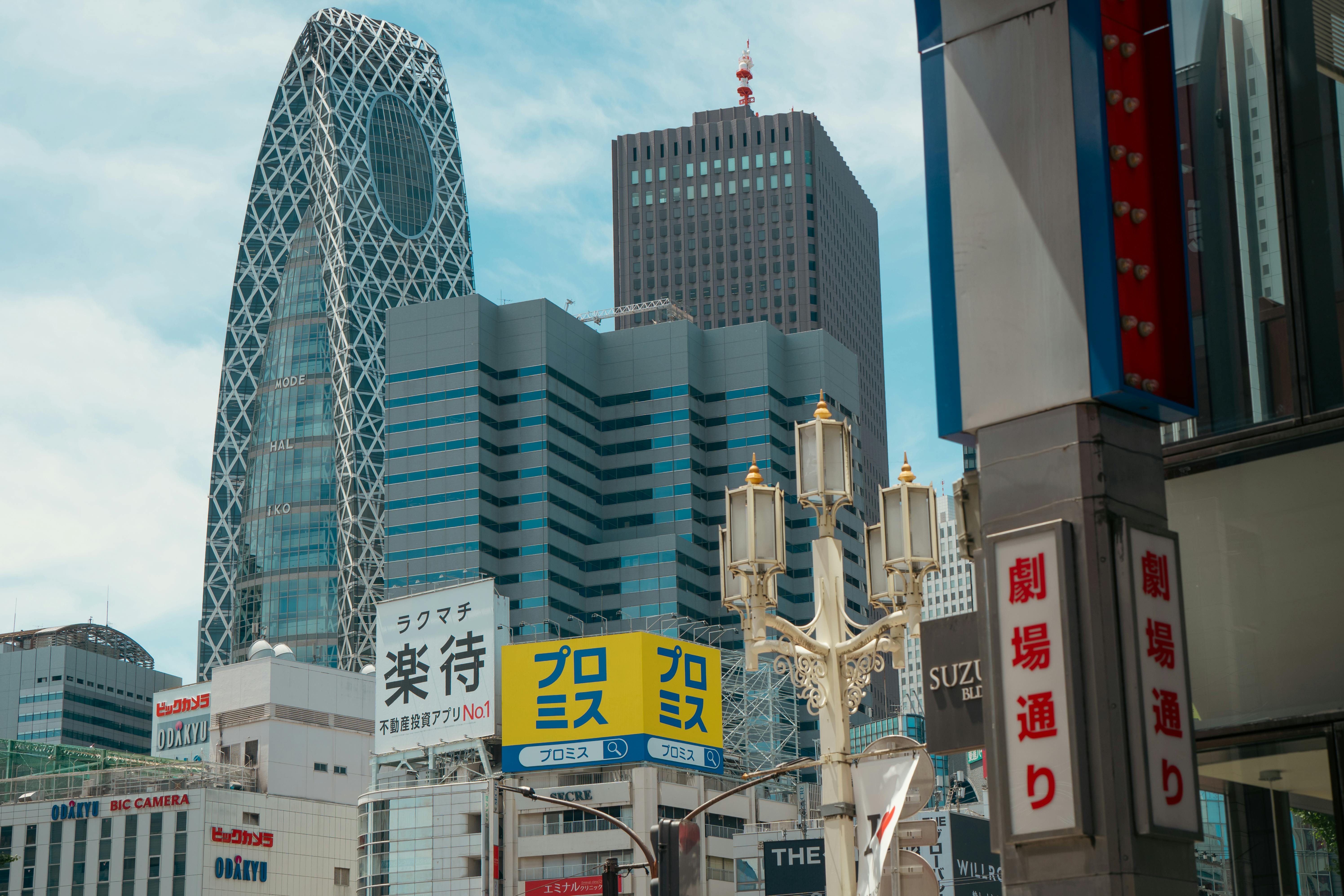
Tokyo began as Edo, a castle town that grew into one of the most influential cities on earth, and traces of that long history still surface between glass towers, temple lanes, and old shopping streets. It is a city of contrasts in the best sense: meticulous and playful, ancient and futuristic, deeply local yet endlessly welcoming to curious visitors.
For a 5-day trip, pairing central Tokyo with Hakonegasaki creates a smart rhythm. You get the headline sights, standout museums, and world-class dining, then a calmer western Tokyo base with access to parks, local neighborhoods, and a slower pace that suits a relaxing vibe.
Practical notes matter in Japan. Trains are punctual, convenience stores are genuinely useful for quality snacks and light meals, many restaurants still prefer small groups over large parties, and cash remains handy even though card acceptance is much better than it once was. March weather is cool and comfortable for sightseeing and light hiking, though mornings and evenings can still feel brisk.
Tokyo
Tokyo is not one city so much as a constellation of them. In the span of a single day, you can sip hand-dripped coffee in a quiet backstreet, stand in the rush of Shibuya Crossing, study samurai armor in a museum, and finish with a bowl of ramen under a railway arch.
It is also one of the best food cities on the planet, and not only at the high end. Tiny soba counters, long-running tonkatsu specialists, basement food halls, and neighborhood kissaten coffee shops often leave as strong an impression as any famous landmark.
For your first base, stay in Shinjuku, Tokyo Station/Marunouchi, or Ginza for easy rail connections and a smooth arrival. Good options include Hotel Gracery Shinjuku for a lively location, Hotel Sunroute Plaza Shinjuku for value and convenience, Keio Plaza Hotel Tokyo for space and service, The Peninsula Tokyo for polished comfort near Hibiya and Ginza, or browse more options on Hotels.com Tokyo and VRBO Tokyo.
For arrival travel, compare airfare on Trip.com flights or Kiwi.com. From Narita Airport to central Tokyo, expect roughly 60-75 minutes by airport train; from Haneda, usually 25-45 minutes depending on your hotel area.
Day 1 - Arrival in Tokyo: Shinjuku Ease-In and First Night Views
Morning: This is your transit window, so keep expectations light and practical. Aim for an afternoon hotel check-in in Shinjuku or Marunouchi so your first evening is simple rather than overplanned.
Afternoon: After arrival and check-in, begin gently with Shinjuku Gyoen National Garden, one of Tokyo's finest green spaces and an ideal antidote to travel fatigue. Its mix of Japanese, English, and French garden design makes it feel like several parks in one, and in early spring the first blossoms and bare-limbed trees create a moody, photogenic atmosphere.
For a late lunch or early meal, try Fuunji in Shinjuku for tsukemen, the richly flavored dipping ramen that made the shop famous with locals and visitors alike. If you want something more old-school and leisurely, Tajimaya Coffee House offers the kind of kissaten-style coffee break that reminds you Tokyo takes quiet rituals as seriously as spectacle.
Evening: Head to the Tokyo Metropolitan Government Building observation deck before or after sunset. It is free, the skyline is immense, and on clear evenings you may catch a distant outline of Mount Fuji, which gives the city a surprising sense of geography.
For dinner, choose between Omoide Yokocho and New York Grill area dining in Park Hyatt's neighborhood alternatives. Omoide Yokocho is the more atmospheric pick for this trip: a tight alley of tiny eateries, smoke, skewers, and postwar nostalgia, where you can sample yakitori and simple grilled dishes in a setting that feels a world away from the department stores nearby. If you'd prefer a calmer sit-down, book a tonkatsu meal at Tonkatsu Narikura-style quality in the city when available, or visit a dependable branch of Maisen for crisp pork cutlets and shredded cabbage done with great care.
Day 2 - Asakusa, Ueno Museums, and Tokyo Skytree After Dark
Morning: Start in Asakusa at Senso-ji, Tokyo's oldest temple, best experienced early before the main crowds gather. The giant lantern at Kaminarimon, the incense smoke, and the market lane of Nakamise-dori offer exactly the blend of history and theater many travelers hope for in Tokyo.
Breakfast nearby at Pelican Cafe is a lovely choice if you appreciate Tokyo's devotion to excellent bread and simple breakfast sets. Another good option is a traditional snack stop for ningyo-yaki or melon pan around Asakusa, which turns breakfast into part of the sightseeing experience.
Afternoon: Move to Ueno Park, one of the city's great cultural districts. Visit the Tokyo National Museum if you want a strong historical foundation, especially for Japanese screens, ceramics, armor, and Buddhist sculpture; choose the National Museum of Nature and Science if you prefer something more varied and interactive.
For lunch, Inshotei in Ueno is a classic recommendation for a refined Japanese meal in a garden setting, especially if you want a break from fast-paced city energy. If you prefer casual local comfort food, the Ameyoko area has plenty of inexpensive donburi, grilled seafood, and snack stalls that reward wandering.
Evening: Spend your evening at Tokyo Skytree and the surrounding Solamachi complex. The tower is not just a high viewpoint; it also gives shape to the city below, showing how waterways, rail lines, and neighborhoods interlock in a way that is hard to understand from street level.
Dinner options here include sushi, tempura, and casual Japanese chains, but for a more memorable meal detour to Kappabashi or back toward Asakusa for a specialist spot. A dependable and atmospheric choice is sukiyaki or shabu-shabu at a long-running traditional restaurant where thin-sliced beef and vegetables are cooked at the table, turning dinner into an event rather than a stop between attractions.
Day 3 - Meiji Shrine, Harajuku, Omotesando, Shibuya Food and Photography Walk
Morning: Begin at Meiji Jingu, a forested Shinto shrine complex that feels improbably serene given its central location. The broad gravel paths, giant torii gates, and sake barrel displays make it one of Tokyo's best places to reset your pace.
For breakfast or coffee, Little Nap COFFEE STAND near Yoyogi Park is a favorite for excellent espresso and a local crowd. If you want something more substantial, find a brunch cafe in the Omotesando backstreets, where Tokyo's design sensibility shows up in everything from tableware to pastry presentation.
Afternoon: Walk from Harajuku into Omotesando, then on to Shibuya. This route is perfect for photography because the character shifts block by block: shrine forest, youth fashion streets, polished architecture, and finally the neon movement of one of the world's most famous intersections.
For lunch, try Afuri for its lighter yuzu-scented ramen, a good choice if you want something satisfying that will not slow you down. Another excellent option is Uobei Shibuya Dogenzaka, where sushi arrives by conveyor and express lanes, making the meal feel distinctly Tokyo without sacrificing quality or budget.
Evening: Visit Shibuya Sky near sunset if tickets are available. It is one of Tokyo's strongest photography spots, especially as daytime detail gives way to a field of city lights and moving trains.
For dinner, book an izakaya in Shibuya or nearby Ebisu. An izakaya is Japan's answer to the tavern, though often more food-serious than the word suggests: small plates, skewers, seasonal dishes, beer, sake, and a social rhythm that rewards lingering. Look for a place specializing in charcoal-grilled chicken, sashimi, and seasonal vegetables, then end the night with dessert from a depachika food hall or a late parfait shop if you still have energy.
Hakonegasaki
Hakonegasaki, in western Tokyo near Mizuho, offers a side of the metropolis many visitors never see. Here, the mood softens into local streets, parks, and practical everyday Japan, making it a useful counterweight to central Tokyo's constant stimulation.
This area works especially well for travelers who like photography, easy nature, and a more residential feel. It is less about ticking off famous landmarks and more about seeing how Tokyo stretches outward into quieter communities with broad skies, riverside paths, and access to western green spaces.
To reach Hakonegasaki from central Tokyo, use the rail network and compare routes on Trip.com trains. From Shinjuku or Tokyo Station area, expect roughly 60-90 minutes depending on connections and your exact lodging, usually for about $5-$10 equivalent. For stays nearby, browse Hotels.com Hakonegasaki or a home-style rental on VRBO Hakonegasaki.
Day 4 - Transfer to Hakonegasaki, Showa Kinen Park, and Local Western Tokyo Evenings
Morning: Check out of your Tokyo hotel and transfer toward Hakonegasaki. Leave after breakfast so you can arrive before lunch, drop bags, and keep the rest of the day open for a lower-key western Tokyo exploration.
Before leaving central Tokyo, grab breakfast at Blue Bottle Coffee or a classic station-area bakery cafe for something efficient but good. Travel time is typically around 1 to 1.5 hours by train depending on your starting point and final stop.
Afternoon: Spend the afternoon at Showa Kinen Park in Tachikawa, one of the best broad green spaces in the Tokyo area and an excellent fit for a relaxing itinerary. There are wide walking and cycling paths, seasonal flower fields, open lawns, ponds, and enough room to feel far from the city even though you are still firmly within greater Tokyo.
For lunch, eat around Tachikawa Station where you will find reliable soba, curry, and teishoku set-meal restaurants. A Japanese set meal is ideal here: grilled fish or pork, rice, miso soup, and small side dishes that provide balance without the heaviness of a more ambitious lunch.
Evening: Return toward Hakonegasaki and enjoy a quieter local dinner. Seek out a neighborhood izakaya, yakitori shop, or family-run soba restaurant near the station area; these suburban spots often deliver some of the warmest service and most grounded food experiences of the trip.
If you still want a unique activity, consider an evening onsen or sento visit in the wider western Tokyo area, depending on your comfort level with Japanese bathing customs. It is one of the most effective ways to settle into the relaxing tone of the trip, especially after several days of urban walking.
Day 5 - Gentle Nature, Local Photography, and Departure
Morning: Use your final morning for a gentle outdoor outing in western Tokyo. Depending on your departure airport and timing, a practical choice is a walk in the Tama area or nearby riverside greenways, where local life, open space, and changing seasonal light make for rewarding photography without complicated logistics.
If you want a more defined hike and your departure is later, head toward the lower-access trails of Mount Takao area from western Tokyo, but keep the outing brief and conservative with timing. Takao is beloved for a reason: cedar-lined paths, temple atmosphere, and broad views, all accessible enough that it feels restorative rather than punishing.
For breakfast, choose a local bakery cafe or a station-adjacent coffee shop for toast sets, pastries, and strong coffee. If time allows before heading out, have an early lunch of hand-made udon or soba, which makes for a comforting final meal that is distinctly Japanese without being too heavy for travel.
Afternoon: Depart for the airport. From the Hakonegasaki area, allow ample buffer time and check rail options in advance on Trip.com trains, and if needed compare onward flight timing on Trip.com flights or Kiwi.com. Haneda is typically easier than Narita from western Tokyo, but your exact route will depend on train connections and departure hour.
Evening: Most travelers will already be in transit, but if you have a late departure, keep your final hours simple: coffee, a small souvenir stop, and one last bento or sweets purchase for the journey. In Japan, even the travel food can feel carefully curated, which is a pleasant final note on which to end.
Recommended food highlights to work into the trip if reservations and timing allow:
- Sushi: Mid-range omakase or counter sushi in Ginza, Ueno, or Shibuya for a memorable but budget-aware splurge.
- Ramen: Fuunji for tsukemen and Afuri for citrus-bright ramen with a lighter profile.
- Tonkatsu: Maisen or another respected specialist for impeccably fried pork cutlets.
- Tempura: A traditional tempura restaurant in Asakusa or Nihonbashi where the batter stays delicate rather than greasy.
- Coffee: Little Nap COFFEE STAND, Tajimaya Coffee House, and strong independent cafes in Omotesando and western Tokyo.
- Sweet stops: Department store food halls, wagashi shops in Asakusa, and fruit parfait or pancake cafes if you want a playful Tokyo dessert break.
Budget notes: With a budget level of 50, this itinerary balances comfort and value well. Expect to mix a solid mid-range hotel, a few destination meals, museum admissions, train fares, and plenty of affordable everyday food options; Tokyo is expensive only if you insist on doing every meal and every stay at the highest tier.
This 5-day Tokyo and Hakonegasaki itinerary gives you famous sights without the usual sense of overload. You will leave with skyline photos, temple memories, better meals than you thought possible at your budget, and a feel for both the grand and everyday faces of Tokyo.