
5 Days in Rome: A Food, History, and Vatican Itinerary for the Eternal City
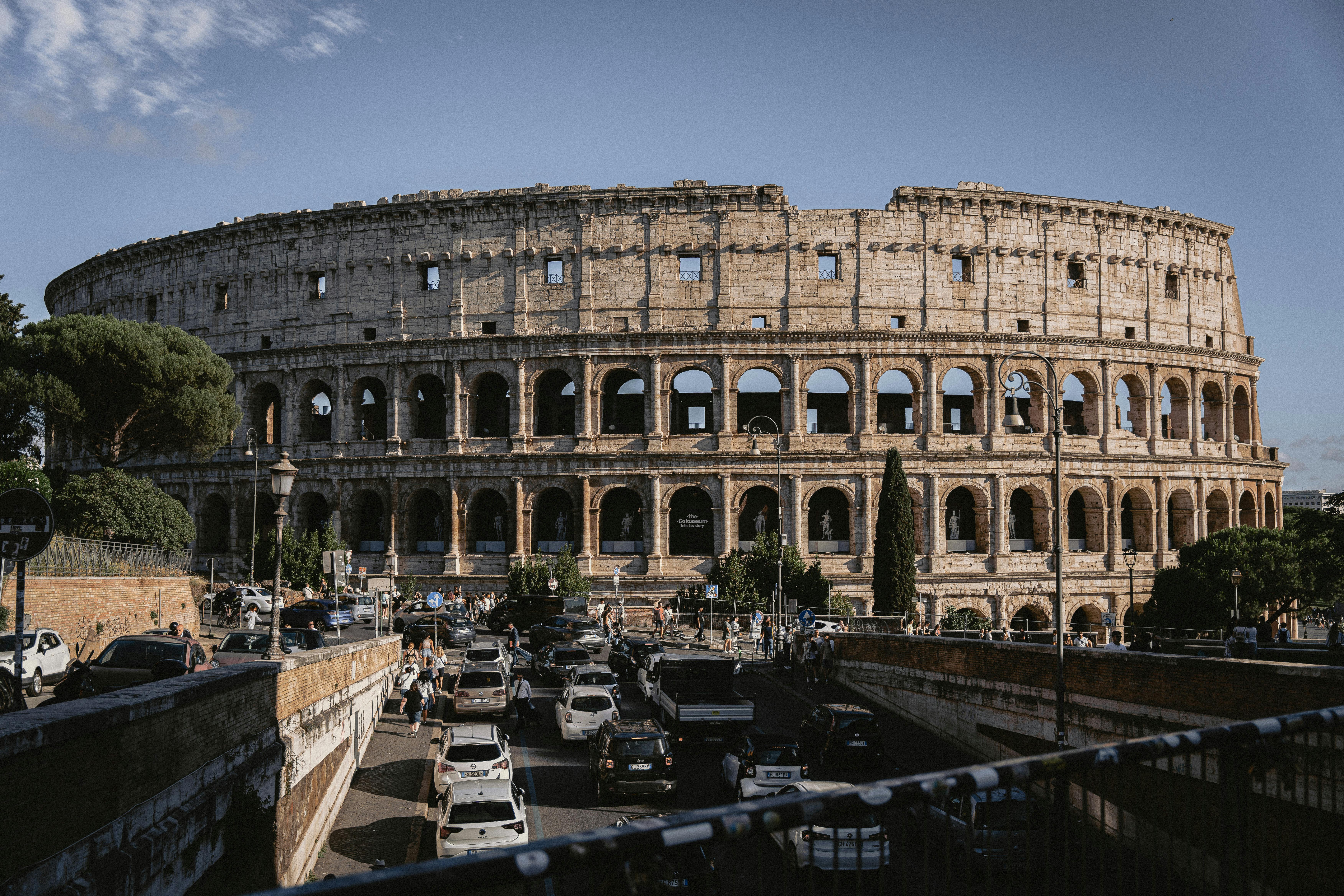
Rome does not merely preserve history; it stages it in broad daylight. Imperial forums, Renaissance palaces, Bernini fountains, and working neighborhood markets sit within the same daily rhythm, which is why even a short Rome itinerary can feel astonishingly full.
Founded, according to legend, in 753 BC, Rome grew from a small settlement on the Tiber into the center of an empire that shaped law, engineering, language, religion, and urban life across Europe and beyond. Today, the city’s great draw lies in that layering: a morning can begin with espresso at a neighborhood counter and end beneath Michelangelo’s frescoes or inside the Colosseum.
For practical planning, expect a great deal of walking on cobblestones, pre-book major sights, and dress modestly for church visits, especially at St. Peter’s Basilica. Roman cuisine rewards curiosity: cacio e pepe, carbonara, supplì, artichokes, pizza al taglio, and tiramisù are not tourist clichés here, but living local staples done brilliantly in the right places.
Rome
Rome is ideal for a 5-day stay because the city’s major highlights are concentrated enough to be manageable, yet varied enough that no two days feel alike. One hour you are tracing the lives of emperors and gladiators; the next, you are lingering in Trastevere over amatriciana while laundry hangs above ochre lanes.
The city’s best pleasures are often in the transitions. The walk from Piazza Navona to the Pantheon, the late-afternoon light over the Roman Forum, and the hum of conversation in a small enoteca near Campo de’ Fiori are every bit as memorable as the headline monuments.
Where to stay: For hotel options, browse Hotels.com Rome or a private apartment on VRBO Rome.
- Hotel Santa Maria – A favorite in Trastevere, set around a peaceful orange-tree courtyard. It suits travelers who want atmosphere, walkability, and evenings in one of Rome’s best dining districts.
- Kolbe Hotel Rome – Near the Roman Forum and Circus Maximus, excellent for visitors who want early access to ancient sites and a quieter base after busy sightseeing days.
- Hotel Mascagni – A practical choice around the Repubblica area, convenient for transit, taxis, and reaching multiple neighborhoods efficiently.
- The Beehive – An appealing option near Termini for travelers who value a sociable, thoughtful, independently minded stay with easy arrival logistics.
- Hotel de Russie or Rome Cavalieri, A Waldorf Astoria Hotel – Strong picks for travelers seeking a more elevated full-service experience.
Getting there: For flights to Rome from Europe, compare schedules on Omio flights. If arriving by train from elsewhere in Italy or Europe, use Omio trains; high-speed rail connections into Roma Termini are usually efficient and often city-center to city-center.
Recommended experiences to book ahead:
- Vatican Museums, Sistine Chapel & St Peter’s Basilica Guided Tour – One of the smartest bookings in Rome because it turns an overwhelming complex into a coherent story and saves valuable time.
- Colosseum Arena Floor, Roman Forum and Palatine Hill Guided Tour – Excellent for understanding ancient Rome in context rather than as isolated ruins.
- Winner 2026 Rome Twilight Trastevere Food Tour by Eating Europe – A strong choice if you want local food culture, neighborhood history, and a lively evening without guesswork.
- Rome Pasta and Tiramisu Class: Ravioli, Fettuccine & Fine Wine 5* – Ideal for travelers who want a hands-on Roman cooking experience instead of another museum slot.


Day 1 – Arrival, Centro Storico, and a First Taste of Rome
Morning: You will likely be in transit, so keep this portion of the day light. If you arrive earlier than expected and can drop bags, have a simple Roman breakfast at Sant’Eustachio Il Caffè, known for its famously guarded espresso routine and creamy, slightly sweet shot, or at Roscioli Caffè, where pastries and coffee are both taken seriously.
Afternoon: After arrival and check-in, begin gently in the historic center with a walking loop through Piazza Navona, the Pantheon, and Piazza della Rotonda. This is the right first afternoon because Rome’s grandeur appears without effort here: Bernini’s Fountain of the Four Rivers, the Pantheon’s astonishing dome, and the constant theater of street life quickly settle you into the city.
For a late lunch, head to Armando al Pantheon if you can secure a table; it is one of the most respected traditional Roman kitchens in the center, known for deeply flavored classics and a room that still feels rooted in the city rather than staged for it. If you want something quicker, Pizzarium-style pizza al taglio is not here, but Roscioli’s bakery and café options offer a strong first bite of Roman breads, cured meats, and pastries.
Evening: Walk to the Trevi Fountain around dusk, when the marble seems to glow and the crowds soften slightly after peak afternoon hours. Then continue toward the Spanish Steps and Via dei Condotti, not for shopping alone but for the pleasure of seeing Rome shift from monumental to cinematic after dark.
For dinner, book Da Enzo al 29 in Trastevere if available, where the cacio e pepe, fried artichokes when in season, and suppli are consistently worth the demand. Another excellent option is Tonnarello, lively and unabashedly popular, especially for tonnarelli cacio e pepe and amatriciana; go expecting bustle rather than hush.
Day 2 – Ancient Rome: Colosseum, Forum, and Monti
Morning: Start early with a proper coffee and pastry at La Licata near Monti or Panella for a broader selection of baked goods. Then devote the morning to the Colosseum Arena Floor, Roman Forum and Palatine Hill Guided Tour, one of the most rewarding ways to encounter Rome’s ancient core.
This guided approach is particularly valuable because the Forum can otherwise feel fragmentary. With context, the Via Sacra, temple remains, senate spaces, and imperial palaces become legible as the political and ceremonial heart of the ancient city rather than a field of beautiful ruins.
Afternoon: After your tour, have lunch in Monti, a neighborhood that balances Roman texture with a contemporary food scene. Ai Tre Scalini is a solid choice for wine, cured meats, and small plates in a historic setting, while La Taverna dei Fori Imperiali is beloved for classic Roman pastas and warm, old-school hospitality.
Spend the afternoon exploring Monti’s lanes, artisan shops, and small piazzas, then walk up to the Basilica di San Pietro in Vincoli to see Michelangelo’s Moses. If energy allows, continue toward the Capitoline Hill viewpoints, which offer one of the best perspectives over the Roman Forum.
Evening: Rome rewards unhurried evenings, and tonight is ideal for that. Start with an aperitivo in Monti, then have dinner at Urbana 47 if you want a more contemporary Roman table with careful sourcing, or at Trattoria Luzzi near the Colosseum for a casual, bustling, very local-feeling meal.
If you prefer a lighter cultural add-on, choose the Rome 3H Private Golf Cart Tour with Pick Up and Drop Off Included in the evening on a different pacing logic: it lets you see more of the city illuminated without more strain on your feet. Rome at night, from the Colosseum exterior to Piazza Venezia and the riverfront, is especially dramatic.
Day 3 – Vatican City, Prati, and the Tiber at Night
Morning: Begin early in Prati with coffee and breakfast at Sciascia Caffè 1919, a Roman institution known for polished espresso culture and chocolate-touched specialties. Then head into the Vatican Museums, Sistine Chapel & St Peter’s Basilica Guided Tour.
The Vatican demands stamina, but it repays it magnificently. The Raphael Rooms, classical sculpture galleries, cartographic halls, and the Sistine Chapel are not just masterworks; they are a compressed history of collecting, theology, patronage, and artistic ambition on a continental scale.
Afternoon: After the tour, have lunch in Prati. Il Sorpasso is a smart pick for a refined but relaxed lunch with seasonal plates, good wine, and a more local crowd, while Pizzarium by Gabriele Bonci is excellent if you want Roman pizza al taglio done at an unusually high level, with imaginative toppings and superb dough.
Spend the afternoon more quietly after the museum intensity. Walk across the Tiber toward Castel Sant’Angelo and the bridge lined with Bernini angels, then continue to Via Giulia or Campo de’ Fiori for an easy meander through one of Rome’s most elegant stretches.
Evening: Tonight is perfect for Trastevere, whose appeal lies in both its beauty and its appetite. The Winner 2026 Rome Twilight Trastevere Food Tour by Eating Europe is an excellent structured option if you want deep context on Roman Jewish influences, street food, pasta traditions, and neighborhood lore while sampling along the way.
If you prefer to dine independently, try Seu Pizza Illuminati for creative, top-tier Roman pizza in a modern style, or Cesare al Casaletto if you are willing to take a short taxi for one of the city’s most respected trattoria experiences. For a nightcap, sit down with a cocktail at Freni e Frizioni, long a favorite aperitivo stop with a spirited local crowd.
Day 4 – Markets, Baroque Rome, and a Hands-On Cooking Experience
Morning: Ease into the day with breakfast at Roscioli Caffè, where the pastry case, coffee, and central location make it a reliable launch point. Then browse Campo de’ Fiori and continue into the Jewish Ghetto, one of Rome’s most historically rich quarters, where layers of Roman, papal, and Jewish history remain palpable in the street plan and food culture.
Walk past the Portico d’Ottavia and toward Largo di Torre Argentina, where Republican-era temple ruins sit improbably amid modern traffic and cats doze among antiquities. This is a particularly satisfying area for independent wandering because nearly every corner reveals some collision of eras.
Afternoon: For lunch, book Giggetto al Portico d’Ottavia or Nonna Betta for Roman-Jewish specialties. Fried artichokes alla giudia, when in season, are the signature order: crisp, bronze, and one of the city’s essential dishes, tied directly to the culinary history of the quarter.
In the afternoon, choose a practical and memorable immersive activity: the Rome Pasta and Tiramisu Class: Ravioli, Fettuccine & Fine Wine 5*. After several days of eating Roman food, learning the mechanics of pasta dough and tiramisu gives useful context and a pleasant change of tempo from churches and ruins.
Evening: Keep dinner lighter after the class if the experience includes a substantial meal. If not, settle into a classic Roman dinner at Felice a Testaccio, where cacio e pepe is famously finished at the table, or at Flavio al Velavevodetto, built into Monte dei Cocci and prized for carbonara, amatriciana, and a deeply Roman sense of place.
If you still have energy, finish with a stroll in Testaccio. This district is less monumental than the center but often more revealing about modern Roman identity, especially through its food culture, market tradition, and straightforward neighborhood character.
Day 5 – A Last Roman Morning and Departure
Morning: Use your final morning for one last layer of Rome rather than another major-ticket site. A fine choice is Villa Borghese and the Pincian Terrace, where the city opens out in soft, expansive views that contrast beautifully with the dense historic center.
Before or after the walk, have breakfast at a nearby café and then browse the streets around Piazza del Popolo. If you prefer one last neighborhood experience, return to a favorite quarter for shopping: gourmet provisions at Roscioli, ceramics and small design shops in Monti, or food gifts from Testaccio market vendors if timing allows.
Afternoon: Enjoy an early lunch before departure. For a memorable final meal in the center, Pipero is a polished choice if you want a celebratory lunch, while a simpler last plate of pasta at a trusted trattoria can be the more Roman farewell.
Allow generous transfer time to the airport or station, especially if departing in the afternoon. For onward European rail connections, compare options on Omio trains; for flights within or from Europe, check Omio flights.
Evening: This portion of the day is reserved for departure. If your schedule leaves a little buffer, use it for a final espresso at the bar, standing as Romans do, and take one last look at the city’s beautiful disorder before heading out.
Five days in Rome gives you more than a checklist of the Colosseum, Vatican, Trastevere, and the Pantheon. It gives you enough time to understand how the Eternal City truly works: through history, appetite, ritual, and the pleasure of moving slowly between great things.
This itinerary is built to balance headline sights with neighborhood life, so you leave with more than photographs. You leave with a working memory of Rome: espresso at the counter, stone warmed by late sun, and the conviction that one visit is never enough.