
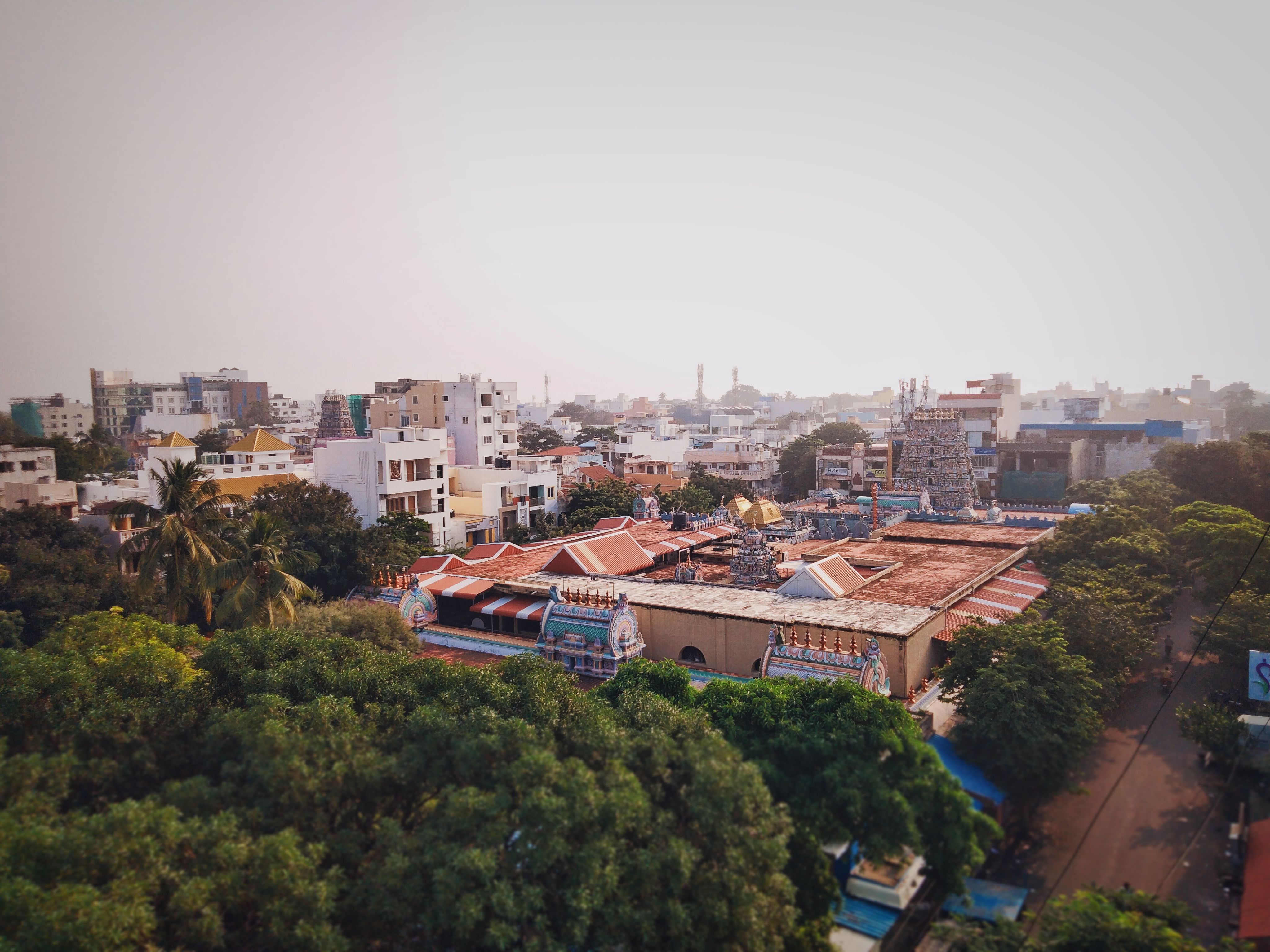
Puducherry is one of India’s most singular destinations: a former French colony on the Coromandel Coast where mustard villas, bougainvillea-draped lanes, Tamil markets, and sea breeze all meet within a compact, walkable center. Officially a Union Territory, it is best experienced through its two most compelling bases for a 5-day trip: Puducherry city and nearby Auroville, whose contrasting moods—colonial waterfront and utopian experiment—make for a richly layered holiday.
The city’s history runs from ancient maritime trade to French rule that lasted, in effect, until the mid-20th century, and you can still feel that legacy in the White Town grid, churches, bakeries, and street names. Yet this is no museum piece: fishermen still head out at dawn, temple bells fold into church chimes, and local life hums strongest in Tamil Quarter mansions, market streets, and family-run messes serving deeply satisfying South Indian meals.
Practical notes first: Puducherry is easiest to reach via Chennai, then continue by road in roughly 3 to 3.5 hours, or by rail depending on schedules; mornings are best for sightseeing, while afternoons can be hot and humid for much of the year. Dress modestly for temples and ashram spaces, remove shoes where required, and come hungry—this is one of India’s most enjoyable small-city food scenes, spanning filter coffee, fresh seafood, Franco-Tamil cuisine, wood-fired pizza, millet-forward wellness cafés, and excellent pastries.
For arrival logistics, most travelers fly into Chennai and continue onward by car or rail. Check Trip.com flights or Kiwi.com flights for flights into Chennai; expect a taxi or private car transfer onward to Puducherry in about 3 to 3.5 hours, typically around US$35-70 depending on vehicle type and time of day. Rail travelers can also review Trip.com trains for South India rail options, though road transfers are usually the simplest for this route.
Puducherry
Puducherry city is where most first-time visitors fall in love: White Town’s pale facades and leafy boulevards soften into the more intricate Tamil Quarter, where carved doors, deep verandas, and family homes tell the older local story. It is compact enough to explore at an unhurried pace, which is exactly the right pace here.
The headline sights are the seaside promenade, Sri Aurobindo Ashram precinct, Notre Dame des Anges Church, the Bharathi and Bharathidasan memorial houses, the French War Memorial, and the Tamil Quarter’s heritage streets. Just as rewarding are the small rituals: morning coffee, cycling past pastel walls, market browsing, and a sunset walk beside the Bay of Bengal with locals doing exactly the same.
Food in Puducherry is one of the trip’s strongest pleasures. You can move from crisp dosas and pongal at breakfast to Creole seafood lunches, then finish with croissants, wood-fired sourdough, or elegant Tamil tasting menus depending on your mood.
Where to stay: For apartment-style stays and heritage homes, browse VRBO in Puducherry. For hotels ranging from seafront addresses to boutique heritage properties, see Hotels.com in Puducherry.
- Breakfast and coffee favorites: Coromandel Café for excellent coffee and polished brunch plates in a restored villa; Bread & Chocolate for serious pastries, sandwiches, smoothie bowls, and strong café culture; Surguru for dependable South Indian breakfast, especially idli, vada, pongal, and filter coffee.
- Lunch ideas: Villa Shanti for refined Franco-Indian dishes in a courtyard setting; Carte Blanche for a peaceful garden meal with global comfort food; Kamatchi for a more local, satisfying South Indian lunch when you want something straightforward and flavorful.
- Dinner picks: Tanto Pizzeria for famously good pizzas and relaxed evenings; Theevu Plage or other seafront seafood spots if you want a breezy coastal meal; Bay of Buddha for rooftop dining with views and a menu leaning pan-Asian.
- Fun facts: Puducherry still has a visible French urban plan in White Town, but the city’s soul is thoroughly multilingual and layered—Tamil, French, English, spiritual tourism, beachgoing, and student life all overlap here.
Day 1: Arrival in Puducherry and a First Taste of White Town
Morning: This is primarily a travel morning. Arrive via Chennai by road or rail and plan for a hotel check-in around early afternoon; if you land early, keep the schedule light because the city is best enjoyed without rushing.
Afternoon: After check-in, begin gently with a walk through White Town, the old French quarter that still feels distinct from the rest of urban South India. Stroll along Rue Romain Rolland, Rue Suffren, and nearby lanes to admire mustard and white colonial facades, shuttered windows, quiet courtyards, and the slow visual rhythm that makes Puducherry so photogenic.
Pause at Coromandel Café for late lunch or coffee. It is a fine first stop because it captures modern Puducherry well: stylish but not stiff, with good coffee, attractive interiors, and a menu suited to travelers easing into the climate and pace.
Evening: Head to Rock Beach Promenade near sunset, when the sea wall, Gandhi statue, French War Memorial, and broad waterfront become the city’s communal drawing room. The Bay of Bengal here is dramatic rather than swimmable, and that is part of its appeal: waves crash against the rocks while families, joggers, pilgrims, and camera-toting visitors all share the same open stretch.
For dinner, book Villa Shanti, one of the city’s most consistently rewarding meals. Its courtyard setting and Franco-Indian menu make it ideal for your first evening, especially if you want a sense of Puducherry’s blended cultural identity on the plate as well as on the street.
Day 2: Ashram Heritage, Tamil Quarter, and the Seafront
Morning: Start early at Sri Aurobindo Ashram precinct, one of Puducherry’s most important spiritual and cultural landmarks. Even if you are not visiting for spiritual reasons, the atmosphere is strikingly calm, and it helps explain why the city became a magnet for seekers, thinkers, and long-stay travelers.
Afterward, visit the nearby heritage zone on foot, including Notre Dame des Anges Church and the surrounding French-era streets. Have breakfast at Baker Street if you want pastries and coffee, or Surguru if you prefer a more local South Indian spread with dosa, upma, and filter coffee.
Afternoon: Spend the afternoon in the Tamil Quarter, which offers a valuable counterpoint to White Town. Streets here reveal a more rooted Puducherry: traditional houses with thinnais (raised platforms), busy local shops, temple activity, and a lived-in texture many visitors miss when they stay only by the seafront.
Include the Puducherry Museum if it is open during your visit for a compact overview of archaeology, colonial artifacts, and sculpture, then browse local boutiques for handmade paper, incense, and crafts. Lunch at Kamatchi is a good call for an unpretentious South Indian meal, while Carte Blanche works well if you want a greener, slower sit-down break.
Evening: Take a twilight stroll back along the promenade and stop at the old lighthouse area and memorials. This is the hour when the city is at its most cinematic, with salt wind, low light on pastel walls, and a general sense that everyone has agreed to slow down.
Dinner at Bay of Buddha gives you rooftop views and a menu broad enough to suit mixed appetites. If you prefer something casual, opt instead for La Pasta World or a relaxed café dinner in White Town.
Day 3: Beaches, Cafés, and a Flexible Leisure Day
Morning: Begin with breakfast at Bread & Chocolate, one of the region’s standout café-bakeries and well worth the short ride if you are not staying nearby. Their baked goods, artisan bread, egg dishes, smoothie bowls, and coffee make this a destination in itself, and it suits a slower leisure day perfectly.
Then continue to Serenity Beach. Unlike the rocky urban waterfront, this is where you come for a more conventional beach mood: fishing boats, surfers, sandy stretches, and a relaxed village edge. Early morning is best before the heat builds.
Afternoon: Have lunch at a beachside café or return toward town for Tanto Pizzeria, whose pizzas have earned a loyal following for good reason: properly blistered crusts, thoughtful toppings, and an atmosphere that feels easy rather than performative. After lunch, rest at your hotel or spend time browsing design stores and artisan boutiques in White Town.
If you enjoy culture over sun, replace some beach time with Bharathi Park and the Aayi Mandapam, a classic colonial-era park ensemble that makes a pleasant shady break. Nearby memorial houses linked to Subramania Bharati and Bharathidasan add literary interest to the city for travelers who like history with texture.
Evening: Use the evening for one of Puducherry’s simplest pleasures: café-hopping and wandering without an agenda. Stop for coffee, gelato, or dessert in White Town, then settle into dinner at Theevu Plage or another seafood-forward restaurant if you want the coast reflected in your meal.
If seafood is not your mood, a second dinner at Villa Shanti or a casual table at Tanto is never a bad idea. Puducherry rewards return visits to favorite places because ambiance is part of the experience here, not just the menu.
Auroville
Auroville lies just north of Puducherry and feels like stepping into a parallel world. Founded in 1968 as an international township dedicated to human unity, it is part forest restoration project, part philosophical experiment, part design-and-wellness destination, and part everyday community with bakeries, workshops, guesthouses, and schools hidden among red earth roads and trees.
The most famous site is the Matrimandir, the golden geodesic meditation dome that has become one of the most recognizable modern landmarks in India. Yet Auroville is not only about one monument; it is also about the unusual texture of the place—organic cafés, ceramics studios, sustainable architecture, handicrafts, and the feeling that people here are genuinely trying to live differently.
It works beautifully either as a day trip from Puducherry or as an overnight stay. Spending at least one night lets you experience its quieter evenings and gentler mornings, which many travelers find more memorable than a quick in-and-out visit.
Where to stay: For villas, apartments, and longer-stay options, browse VRBO in Auroville. For guesthouses and hotels in and around the township, see Hotels.com in Auroville.
- Breakfast and coffee favorites: Bread & Chocolate remains the obvious star if you are on the Puducherry-Auroville side; Marc’s Café is another favorite for cakes, coffee, and easy brunches.
- Lunch ideas: Well Café for nourishing, health-conscious plates; Tanto Pizzeria for wood-fired pizzas in a leafy setting; solar kitchen-style community meals if available through your stay arrangements.
- Dinner picks: Guesthouse dinners can be especially pleasant here because the atmosphere is quiet and rural; otherwise return to Tanto or choose one of the township cafés serving organic, globally inflected menus.
- Fun facts: Auroville’s surrounding landscape was once badly eroded; much of the greenery visitors now enjoy is the result of decades of reforestation work by the community.
Travel between Puducherry city and Auroville is straightforward by taxi, auto-rickshaw, or rental scooter. Expect about 20 to 30 minutes depending on your exact start point and traffic, with taxi fares often around US$6-15 equivalent for a one-way ride; if you need onward rail or flight planning later, use Trip.com trains and Trip.com flights for broader India connections.
Day 4: Move to Auroville and Explore the Community
Morning: After breakfast in Puducherry, transfer to Auroville in the morning and check in or leave bags. The short drive north is easy, and making the move in daylight helps you settle into the township’s slower, less urban rhythm.
Your first stop should be the Auroville Visitors Centre, where exhibitions, orientation materials, cafés, and craft shops offer useful context before deeper exploration. This is the best place to understand what Auroville is trying to be, rather than merely photographing it as a curiosity.
Afternoon: Arrange your visit toward the Matrimandir viewing point and, if secured in advance and available under current visitor procedures, a more in-depth visit. Even from the viewing area, the structure is extraordinary: a golden sphere rising from carefully planned gardens, futuristic yet serene, and unlike anything else on a South India itinerary.
Lunch at Well Café or Tanto Pizzeria. Well Café is particularly good if you want a menu that reflects Auroville’s wellness-minded culture—fresh, thoughtful, and rooted in produce-driven cooking rather than heavy restaurant fare.
Evening: Spend your evening browsing Auroville’s boutiques and workshops for ceramics, handmade paper, textiles, incense, natural body products, and design objects. Shopping here often feels more meaningful than standard souvenir buying because so much is tied to small-scale production and community enterprise.
For dinner, keep it simple and local to where you are staying. Auroville’s nights are quieter than Puducherry’s, and that is the point—fewer distractions, more conversation, more tree sounds than traffic.
Day 5: Slow Morning in Auroville and Departure
Morning: Begin with coffee and breakfast at Marc’s Café or Bread & Chocolate, depending on your route and timing. Then take one final unhurried look at Auroville’s forested lanes, artisan spaces, or nearby beach stretch if time allows; this is a good morning for absorbing atmosphere rather than trying to collect one more major sight.
If you prefer a final dose of city over quiet, return briefly to Puducherry for last-minute shopping in White Town—handmade paper, scented candles, textiles, and local gourmet items are particularly good buys. Keep enough margin for your onward road transfer to Chennai or rail departure, especially on weekends and holidays.
Afternoon: Depart for your onward connection. For exits via Chennai, allow about 3 to 3.5 hours by road under normal conditions, then review Trip.com flights or Kiwi.com flights for onward air options if needed. Rail travelers can check Trip.com trains for suitable departures.
Evening: Most travelers will be in transit by evening. If your schedule includes a later departure, use the extra time for an early dinner en route or one final waterfront walk in Puducherry before heading onward.
About activities: The provided Viator activity links for this destination feed are for Indianapolis and are not relevant to Puducherry or Auroville, so I have not included them in order to keep your itinerary accurate and useful as of March 2025.
This 5-day Puducherry itinerary offers a satisfying balance: heritage streets, sea air, serious café time, Tamil culture, and the unusual intellectual calm of Auroville. It is a trip for travelers who like beauty without hurry, history without overload, and food that ranges from temple-town classics to French-inflected plates in one of South India’s most distinctive coastal corners.