
5 Days in Pittsburgh: A Smart, Scenic Steel City Itinerary
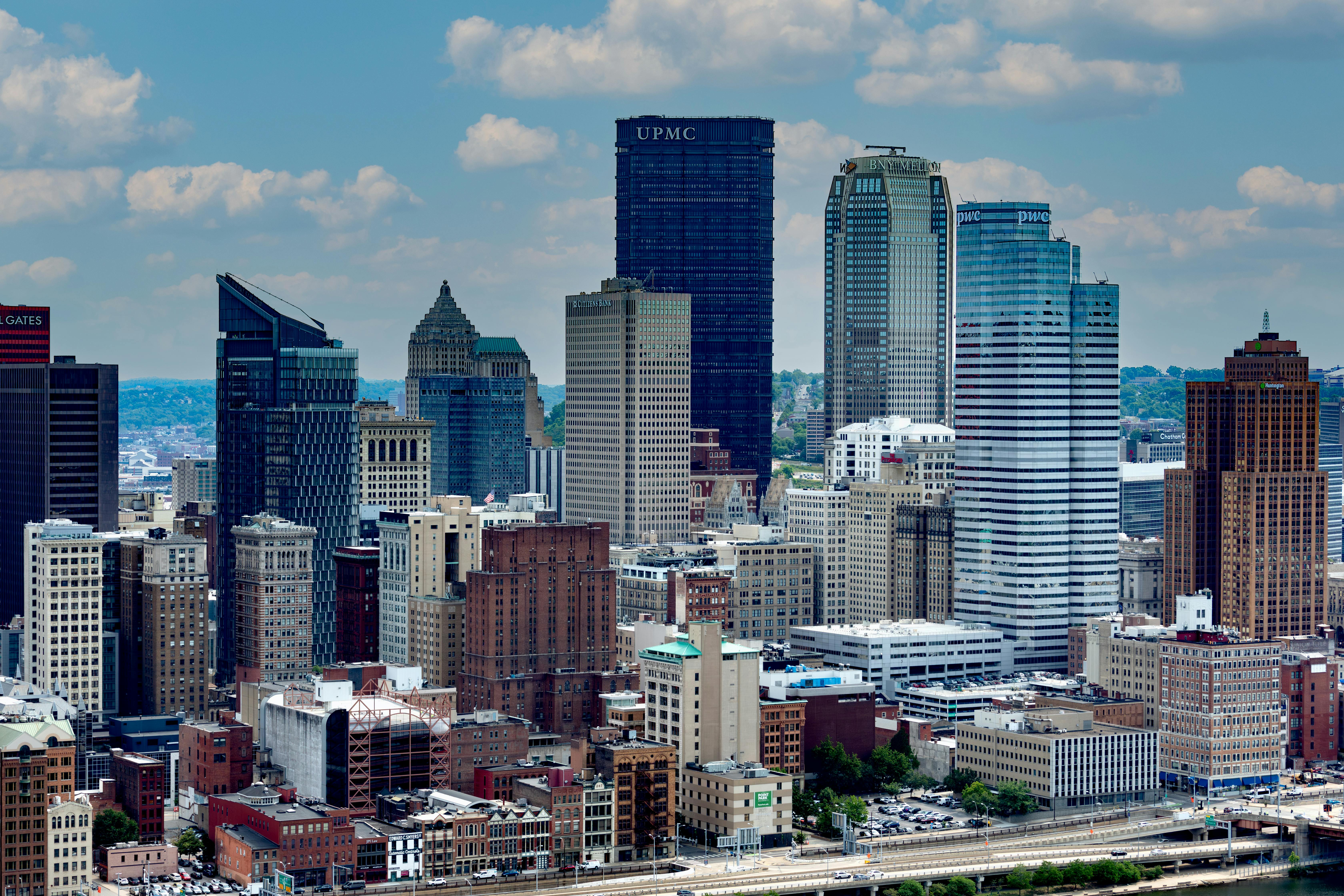
Pittsburgh is a city that learned how to reinvent itself without erasing its past. Once defined by steel mills and smoke, it now pairs industrial history with riverfront parks, acclaimed museums, sharp architecture, and neighborhoods that still feel proudly local.
Fun fact: Pittsburgh has more bridges than Venice by the local count, and whether or not one wishes to litigate the exact number, the effect is undeniable. The city’s geography—three rivers, steep hills, and old working-class enclaves—creates dramatic viewpoints, compact districts, and a sense that every turn reveals another layer of American history.
For practical planning, 5 days is an excellent length for Pittsburgh. You will have time for downtown landmarks, the Strip District, Oakland’s museums, North Shore sports-and-river scenery, and a worthwhile excursion into the Laurel Highlands for Fallingwater; wear comfortable shoes, expect hills and steps, and come hungry for pierogies, whiskey, Italian pastries, and one of Pennsylvania’s strongest independent coffee scenes.
Pittsburgh
Pittsburgh is one of the most compelling urban getaways in the United States: scholarly in Oakland, gritty-cool in Lawrenceville, grand downtown, and unexpectedly cinematic from Mount Washington. It rewards travelers who like cities with substance—places where old market halls, Beaux-Arts lobbies, baseball stadiums, avant-garde art, and neighborhood bakeries all fit into the same day.
The classic sights are strong: Point State Park at the meeting of the Allegheny, Monongahela, and Ohio Rivers; the Duquesne Incline climbing to one of America’s great skyline views; the Andy Warhol Museum; the Carnegie Museums; and the Strip District, where old produce warehouses now house coffee roasters, Italian grocers, sandwich counters, and specialty shops.
It is also a city of excellent eating. You can build a whole trip around breakfast sandwiches, pierogies, housemade pasta, old-school chop houses, neighborhood bakeries, and whiskey tasting tied to the region’s role in the Whiskey Rebellion. For where to stay, start with Fairmont Pittsburgh for polished downtown convenience, Omni William Penn Hotel for historic grandeur, The Priory Hotel for a more intimate stay on the North Side, or browse broader options on VRBO Pittsburgh and Hotels.com Pittsburgh.
For flights into Pittsburgh International Airport, compare fares on Trip.com flights and Kiwi.com flights. Most U.S. nonstop and one-stop routings are straightforward; from the airport to downtown, expect roughly 30-40 minutes by car depending on traffic, and a rideshare is usually the simplest option after an afternoon arrival.
- Viator activity pick: Essential Pittsburgh Experience - The One Tour to Take

Essential Pittsburgh Experience - The One Tour to Take on Viator - Viator activity pick: Downtown Pittsburgh Hidden Eats Food Tour with 6 Food Tastings

Downtown Pittsburgh Hidden Eats Food Tour with 6 Food Tastings on Viator - Viator activity pick: Fallingwater and Kentuck Knob - Two Visions of Frank Lloyd Wright

Fallingwater and Kentuck Knob - Two Visions of Frank Lloyd Wright on Viator - Viator activity pick: Best of the Burgh Walking Tour of Pittsburgh

Best of the Burgh Walking Tour of Pittsburgh on Viator
Day 1 - Arrival, Downtown Pittsburgh, and Mount Washington
Morning: Today is your arrival day, so keep the morning light and transit-focused before your afternoon check-in. If you land early, head straight into downtown and drop bags at your hotel; if your room is not ready, concierge storage is common and worth using so you can begin exploring immediately.
Afternoon: Ease into the city with a walk around Market Square and nearby downtown blocks, where Pittsburgh’s mercantile past and present-day revival sit side by side. For a late lunch, I recommend Primanti Bros. in Market Square if you want the iconic local sandwich with fries and slaw inside the bread, or Meat & Potatoes if you prefer a more refined gastropub meal with strong cocktails and rich comfort food such as steak tartare, roasted meats, and elevated bar classics.
Afternoon: After lunch, stroll to Point State Park, where the rivers meet in one of the city’s defining landscapes. The fountain, the open lawns, and the views toward the bridges and North Shore provide the best possible first impression of Pittsburgh, and the site matters historically too: this was the strategic fork contested by empires before it became a core of American westward expansion.
Evening: Around golden hour, ride the Duquesne Incline up Mount Washington. The restored incline cars are more than transport—they are a piece of 19th-century engineering theater—and the overlook at the top offers the postcard Pittsburgh view, with downtown compressed between rivers and bridges in a way that makes the city look almost theatrical.
Evening: For dinner, book Monterey Bay Fish Grotto on Mount Washington if you want seafood with a panoramic backdrop, or return downtown for The Commoner, a dependable choice for modern American cooking in a handsome central setting. If you want a nightcap, the bar at the Omni William Penn carries a sense of old Pittsburgh ceremony, while a casual alternative is to linger in Market Square with a coffee or dessert and let the city settle around you.
Coffee and sweets tip: If time allows before dinner, stop at La Gourmandine downtown for French pastries that locals genuinely line up for, or head to Nicholas Coffee & Tea in Market Square, one of the city’s classic stops for beans, tea, and old-school downtown atmosphere.
Day 2 - Strip District, History, and the Cultural Core
Morning: Begin in the Strip District, one of the city’s most satisfying neighborhoods for first-time visitors. Start with coffee at De Fer Coffee & Tea, known for carefully sourced beans and a polished but unfussy setting, then pick breakfast based on mood: Pamela’s Diner for the famous thin, crisp-edged crepe-style hotcakes, or Colangelo’s Bakery for pizza by the slice, bread, and Italian bakery staples that feel like a direct line to the district’s immigrant roots.
Morning: Spend the rest of the morning browsing Penn Avenue institutions. Pennsylvania Macaroni Company is part grocer, part pilgrimage for cheese, olive oil, pasta, and cured meats; Wholey’s remains the market anchor for seafood and regional food culture; and the district as a whole still hints at the era when produce trucks arrived before dawn and wholesale commerce drove the neighborhood.
Afternoon: This is an excellent slot for the Downtown Pittsburgh Hidden Eats Food Tour with 6 Food Tastings, especially if you want a guided introduction to local flavors and downtown history. If you prefer to self-direct, cross back toward downtown and visit the Heinz History Center, the city’s most rewarding all-round museum, where exhibitions on Western Pennsylvania, sports, industry, and the Heinz brand itself create a vivid portrait of the region.
Afternoon: For lunch without a tour, try DiAnoia’s Eatery in the Strip District. Its housemade pasta, meatballs, and pastries have made it one of the city’s most beloved Italian spots, and it manages the difficult trick of feeling both current and rooted in neighborhood tradition.
Evening: Spend the evening in the Cultural District. If there is a performance that interests you, this is one of the best places in America to build a trip around theater, symphony, or jazz in restored grand venues and intimate halls.
Evening: For dinner, I recommend Proper Brick Oven & Tap Room for pizza and one of the city’s stronger beer lists, or täkō if you want a louder room, stylish cocktails, and creative tacos in a downtown setting that feels more festive. End with a short river walk or, if you want a darker historical twist, consider the Black & Ghost Tour on another evening of your stay.
Day 3 - Oakland Museums, Schenley Park, and Lawrenceville
Morning: Head to Oakland, the city’s academic and museum district, and start with coffee and breakfast at Redhawk Coffee or Butterjoint, depending on whether you want a quick specialty drink or a fuller sit-down start. Then devote the morning to the Carnegie Museums of Art and Natural History, neighboring institutions that are easy to pair and unusually strong for a mid-sized U.S. city.
Morning: The art museum ranges from classical to contemporary, while the natural history museum is famous for its dinosaur halls and strong scientific collections. Even travelers who usually avoid museums tend to enjoy this pairing because it feels broad, intelligent, and distinctly Pittsburgh rather than merely obligatory.
Afternoon: For lunch, walk to Porch at Schenley for a pleasant park-adjacent meal with salads, sandwiches, and seasonal plates, or choose Union Grill for a more old-school neighborhood option. Afterward, walk through Schenley Park or visit Phipps Conservatory and Botanical Gardens, whose Victorian glasshouse framework and rotating horticultural displays provide a softer counterpoint to the city’s industrial narrative.
Afternoon: If you would rather prioritize a broader city overview, this is also a fine point to slot in the Best of the Burgh Walking Tour of Pittsburgh or the Essential Pittsburgh Experience - The One Tour to Take if you want architecture, stories, and neighborhood context from a guide.
Evening: Spend the evening in Lawrenceville, a former working neighborhood that has become one of the city’s most appealing stretches for dining and independent shopping without losing its edge. Begin with an aperitif or coffee at Caffè d’Amore or another Butler Street stop, then choose dinner at Morcilla for superb Spanish-inspired small plates, cure for a deeply Pittsburgh take on contemporary American cooking, or Pusadee’s Garden if you want Thai cuisine in one of the city’s prettiest dining rooms.
Evening: If you still have energy, browse small boutiques and bars along Butler Street rather than trying to force a single attraction. Lawrenceville is best appreciated slowly: a good meal, a bit of wandering, perhaps dessert or one final drink, and the feeling of having found the Pittsburgh locals actually use.
Day 4 - Fallingwater and the Laurel Highlands
Morning: Today is your major excursion day, and it is worth the early start. The easiest and most insightful option is the Fallingwater and Kentuck Knob - Two Visions of Frank Lloyd Wright, which handles transport and interpretation for a journey of roughly 1.5 to 2 hours each way from Pittsburgh into the Laurel Highlands.
Afternoon: Fallingwater deserves its reputation. Wright’s house over the waterfall is not simply a famous building but one of the rare places where architecture, landscape, sound, and movement all combine into something unforgettable; the cantilevered terraces, native stone, and daring siting above Bear Run still feel radical nearly a century later.
Afternoon: Kentuck Knob makes an ideal companion because it shows another side of Wright—still organic, still deeply tied to site, but calmer and more domestic in mood. Seeing both in one day sharpens your eye and turns the outing into more than a checklist; it becomes a lesson in how American modernism tried to converse with the land.
Evening: Return to Pittsburgh in the early evening and keep dinner easy. Apteka is an excellent choice if you want inventive Central and Eastern European-inspired cooking with a vegan menu that wins over devoted meat eaters, while Dish Osteria in the South Side offers intimate Italian comfort and a neighborhood feel that suits a lower-key night after a long excursion.
Evening: If a full two-site day feels too ambitious, an alternative is the single-site FALLINGWATER - America's UNESCO World Heritage Masterpiece!. Either way, this day adds depth and distinction to the trip, turning a city break into a regional journey with real intellectual and visual payoff.
Day 5 - North Shore, Warhol, and Departure
Morning: Spend your final morning on the North Shore, where riverfront paths, stadium silhouettes, and major museums create a very Pittsburgh farewell. Start with coffee and breakfast at The Nook or a downtown café near your hotel, then cross the river to visit the Andy Warhol Museum, the city’s most internationally recognized single-artist museum and a fitting reminder that Pittsburgh produces far stranger and more fascinating cultural stories than outsiders expect.
Morning: Warhol’s work, films, archives, and personal mythology are presented in satisfying depth, and even visitors who think they are lukewarm on Pop Art often come away absorbed by the scale of his ambition. If sports matter more than modern art, use this time for a walk around PNC Park and Acrisure Stadium, where the city’s black-and-gold identity is almost civic religion.
Afternoon: Before heading to the airport, have an early lunch nearby. Federal Galley is useful if your group wants options under one roof, while nearby independent spots often reward a short detour; if you missed pierogies earlier in the trip, now is the time to correct that error.
Afternoon: If your schedule allows and luggage logistics are manageable, a final scenic flourish is a brief riverfront walk or even the 2 Hour Private Sightseeing Charter Boat Cruise for travelers with a later departure and a taste for something celebratory. Otherwise, collect your bags, allow about 30-40 minutes to reach Pittsburgh International Airport by car, and depart with a far more textured idea of the city than most American travelers ever get.
Evening: Departure day usually ends in transit, but if you have a late flight and want one final proper meal, downtown’s fl.2 or a return to a favorite neighborhood restaurant makes a fine coda. Pittsburgh is the kind of city that often improves in memory because its pleasures are cumulative: the skyline, the neighborhoods, the bridges, the food, and the sense of hard-won reinvention all keep echoing after you leave.
Over 5 days, this Pittsburgh itinerary gives you a full portrait of the Steel City: rivers and overlooks, museums and markets, old industrial history, and a day trip to one of America’s greatest architectural masterpieces. It is a trip with strong scenery, stronger character, and enough excellent food and neighborhood texture to make Pittsburgh feel not like a stopover, but like the destination itself.