

Nice has long been the Riviera’s grand introduction: first a winter refuge for British aristocrats, then an artists’ haunt, and now one of the most rewarding bases in southern France. Its wide seafront, baroque old quarter, and hilltop lookouts make it feel both stately and gloriously lived-in.
There is pleasure here in the details. Socca arrives blistered from the oven, the light turns the sea from silver to lapis by late afternoon, and neighborhoods shift quickly from palm-lined promenades to steep old lanes and everyday food markets.
For a 5-day trip, staying primarily in Nice is the most sensible plan, with easy day trips along the Côte d’Azur and into Provence. Nice is well connected by air and rail, public transport is straightforward, and March usually offers milder weather and fewer crowds than high summer, though a light jacket and comfortable walking shoes are wise for breezy evenings and hilltop villages.
Nice
Nice is one of the great city-and-sea combinations in Europe. You get beach views, strong Niçois food traditions, excellent museums, a handsome historic center, and effortless access to the wider French Riviera itinerary without constantly changing hotels.
The city rewards wandering. One hour you are admiring Belle Époque façades along the Promenade des Anglais; the next, you are climbing to Castle Hill for a view over the red roofs of Vieux Nice and the curve of the bay.
Food matters here. Look for socca, pissaladière, pan bagnat, farcis niçois, and local rosé; they tell the story of a port city shaped by Provence, Liguria, olive oil, and the Mediterranean.
Where to stay: For an iconic splurge near the sea, consider Hotel Negresco, a Riviera landmark with historic interiors on the Promenade des Anglais. For a solid mid-range base near the station and walkable to the center, see Hotel Amaryllis or Hôtel Amaryllis. If you prefer a modern seafront stay with easy airport access, Radisson Blu Hotel, Nice is a practical choice. For apartment-style stays and more neighborhood flexibility, browse VRBO in Nice or compare options on Hotels.com Nice.
Getting there: Fly into Nice Côte d’Azur Airport and compare routes on Omio flights. Airport to central Nice usually takes around 20-30 minutes by tram, taxi, or rideshare. If you plan any rail day trips, Omio trains is useful for schedules along the Riviera.
Worth booking in advance: The Riviera’s best excursions often sell out first on clear-weather days. Good options include the Monaco, Monte-Carlo and Eze Village Small Group Half-Day Tour, the Half Day Guided Boat tour to Mala caves with stop in Villefranche, the Provence Wine Tour - Small Group Tour from Nice, and the NO DIET CLUB - Unique Local Food in Nice !.


Day 1 – Arrival in Nice and a First Taste of the Promenade
Morning: This is your travel day, so keep the morning reserved for arrival logistics and transit. After landing, make your way into central Nice, drop your bags, and give yourself time to settle rather than forcing a packed schedule too early.
Afternoon: Once checked in, begin with a gentle walk along the Promenade des Anglais, the city’s famous seafront avenue created during the 19th century when English winter visitors helped shape Nice’s identity as a resort town. Continue into Vieux Nice, where ochre façades, laundry lines, churches, and narrow passageways create the texture people imagine when they picture the old Mediterranean.
Afternoon: For a late lunch, head to Chez Pipo for socca, the city’s beloved chickpea crêpe baked in a wood-fired oven; it is simple, smoky, and one of the essential Nice food experiences. If you want something more varied, try Lou Balico, known for classic Niçois dishes such as petits farcis and daube, served in a setting that still feels rooted in local tradition rather than performance.
Evening: Climb or take the lift area route up to Castle Hill before sunset for the signature panorama over Nice, the port, and the curve of the Baie des Anges. It is the best possible introduction to the city’s geography and one of those viewpoints that makes the whole trip click into place.
Evening: For dinner, reserve a table at La Merenda if you can; it is tiny, old-school, and devoted to Niçois cooking with unusual seriousness. If it is fully booked, Peixes is an excellent alternative for inventive seafood plates and lively atmosphere, while Boccaccio offers a more classic brasserie feel with a strong seafood reputation near Place Masséna.
Day 2 – Markets, Museums, and the Old Soul of Nice
Morning: Start with coffee and breakfast at Café Marché, near Cours Saleya, where the espresso is dependable and the people-watching is half the point. Then browse the Cours Saleya market area, one of Nice’s great daily rituals, filled with flowers, produce, soaps, and ingredients that reveal just how deeply Provence still shapes the city’s table.
Morning: If you prefer a heartier breakfast, Marinette Kitchen offers pastries, eggs, and a stylish but relaxed setting, while Emilie and the Cool Kids is a fun option for coffee and baked goods if you want something quick before museum time. Afterward, visit the Palais Lascaris or the Cathédrale Sainte-Réparate while the old town is still relatively calm.
Afternoon: Spend the afternoon in Cimiez, Nice’s hilltop district associated with Roman remains, belle époque villas, and several excellent museums. The Musée Matisse is the standout for many travelers; it traces Henri Matisse’s long relationship with Nice and explains why so many artists fell under the spell of Riviera light.
Afternoon: For lunch nearby, try Le Kalliste or return toward the center for a pan bagnat from a trusted local counter. If you want a sit-down meal, Café de Turin is a classic choice for oysters, shellfish, and a grand old brasserie mood, especially if you enjoy the idea of lunch in a place with genuine city pedigree.
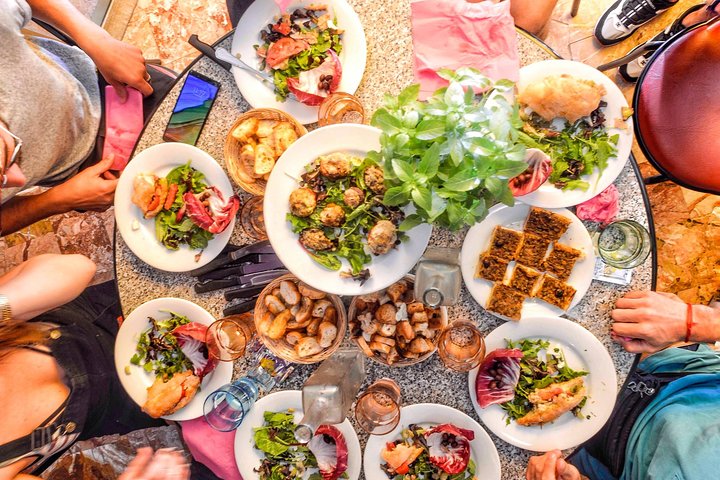
Evening: In the evening, consider the NO DIET CLUB - Unique Local Food in Nice ! for a more social and snack-filled way to understand the city through its food culture. It is especially useful early in the trip because it helps you build a mental map of what to order later on your own.
Evening: If you would rather dine independently, try Le Bistrot d’Antoine for rich, satisfying bistro cooking with local personality, or Olive & Artichaut for a more intimate, carefully composed meal in the old quarter. End with a slow stroll through Place Masséna, whose checkerboard paving and evening lighting give the center a theatrical air.
Day 3 – Èze and Monaco Half-Day, Nice at Night
Morning: After breakfast at Neroli, a polished café known for excellent coffee and refined brunch plates, set out for the hills and principality beyond Nice. The easiest way to do this without juggling multiple local connections is the Monaco, Monte-Carlo and Eze Village Small Group Half-Day Tour, which covers medieval Èze, coastal viewpoints, and Monaco in one efficient outing.
Morning: Èze is worth seeing not merely because it is photogenic, though it certainly is, but because it preserves the vertical drama of a fortified hill village above the sea. Monaco, by contrast, is polished, vertical in another sense, and fascinating as a sovereign microstate where royal history, Formula 1 mythology, and extraordinary real estate all coexist.
Afternoon: Return to Nice for a relaxed lunch. Try Acchiardo, a long-running local favorite with generous portions of Niçois and Provençal classics, or Chez Davia for an old-fashioned atmosphere and dishes that feel deeply rooted in family cooking.
Afternoon: Spend the rest of the afternoon around the Port district and Place Garibaldi, which has a more local rhythm than the promenade. This is a good moment for unhurried wandering, shopping for olive oil or regional specialties, or simply pausing at a terrace to watch the city go about itself.
Evening: For aperitif hour, try a glass of Provençal rosé or local vermouth near the port before dinner. Then book dinner at JAN if you want one memorable contemporary tasting experience, or choose Lavomatique for inventive small plates in a stylish setting that still feels approachable.
Evening: If energy remains, take a final promenade walk after dark. Nice at night is softer than flashier Riviera neighbors; the sea is black glass, the façades glow amber, and the city feels confident without needing to announce itself.
Day 4 – Sea Day: Villefranche, Cap Ferrat, and the Riviera by Boat
Morning: Begin with breakfast at La Claque Café, one of Nice’s best modern coffee stops, especially good if you care about beans, technique, and a lighter start to the day. Then head to the port for the Half Day Guided Boat tour to Mala caves with stop in Villefranche, an excellent way to experience the Riviera from the water rather than just admiring it from the corniche roads.
Morning: The coastline east of Nice is among the prettiest on the Côte d’Azur: coves, steep green folds, pale villas, and water that changes color with almost offensive beauty. Villefranche-sur-Mer’s harbor has long drawn painters and sailors alike, and the Mala caves area is one of those places best appreciated by boat.
Afternoon: After returning, have lunch in Villefranche-sur-Mer if timing permits, or back in Nice near the port. In Villefranche, simple seafood and harbor views are the point; in Nice, try Influens for a more contemporary lunch or keep it casual with a market-fresh picnic assembled from local shops.
Afternoon: If you still want more coastline, take a local bus or short ride toward Saint-Jean-Cap-Ferrat for a leisurely walk, especially around the peninsula paths if weather is clear. The cap’s history is one of old fortunes and discreet villas, but what matters most to the traveler is the combination of pine, rock, and sea.
Evening: Back in Nice, choose dinner with a bit of ceremony. Le Plongeoir is famous for its setting above the water on a rocky outcrop and is best reserved for the view as much as the plate, while La Petite Maison remains a polished classic for Riviera dining if you want a more established address.
Evening: If you prefer a quieter end, take the Mediterranean Coastal Sightseeing Cruise from Nice instead of the afternoon peninsula wander. It offers a handsome final sweep of the bay and works particularly well if you want a low-effort sunset-oriented experience.
Day 5 – Provence Wine Country and Departure
Morning: On your final full morning, leave the city behind for vineyards and hill country with the Provence Wine Tour - Small Group Tour from Nice. This is a rewarding contrast to the coast: softer landscapes, cellar visits, and a better understanding of why rosé in Provence is not an afterthought but a local language.
Morning: Even travelers who do not consider themselves wine devotees usually enjoy this excursion because it combines scenery, regional culture, and a slower rhythm. Expect a sociable pace, useful commentary, and tastings that clarify the differences between crisp everyday rosés and more structured bottlings from serious estates.
Afternoon: Return to Nice with enough buffer to collect bags and head to the airport. If you have time for one last meal, keep it distinctly local: pick up a final pan bagnat, a slice of pissaladière, or sit down for a quick lunch at a bistro near your hotel rather than wasting the last hours in generic airport food lines.
Afternoon: For airport transfers and onward flights, compare options on Omio. If your departure is later and you decide not to do the wine tour, a final slow lunch on the Cours Saleya or one last museum visit in central Nice makes an elegant alternative.
Evening: Departure.
This 5-day Nice itinerary gives you the best of the French Riviera without turning the trip into a suitcase exercise. You will see why Nice works so well as a base: it offers culture, sea, food, history, and easy access to Monaco, Èze, Villefranche, and Provence, all while preserving a strong identity of its own.
Come for the Riviera light and the postcard coast, certainly. But you may remember Nice most for smaller things: a chickpea crêpe eaten standing up, market flowers in the morning, and that first blue sweep of the bay from above the city.