
5 Days in New Orleans: Jazz, Creole Flavors, and Mississippi River Magic
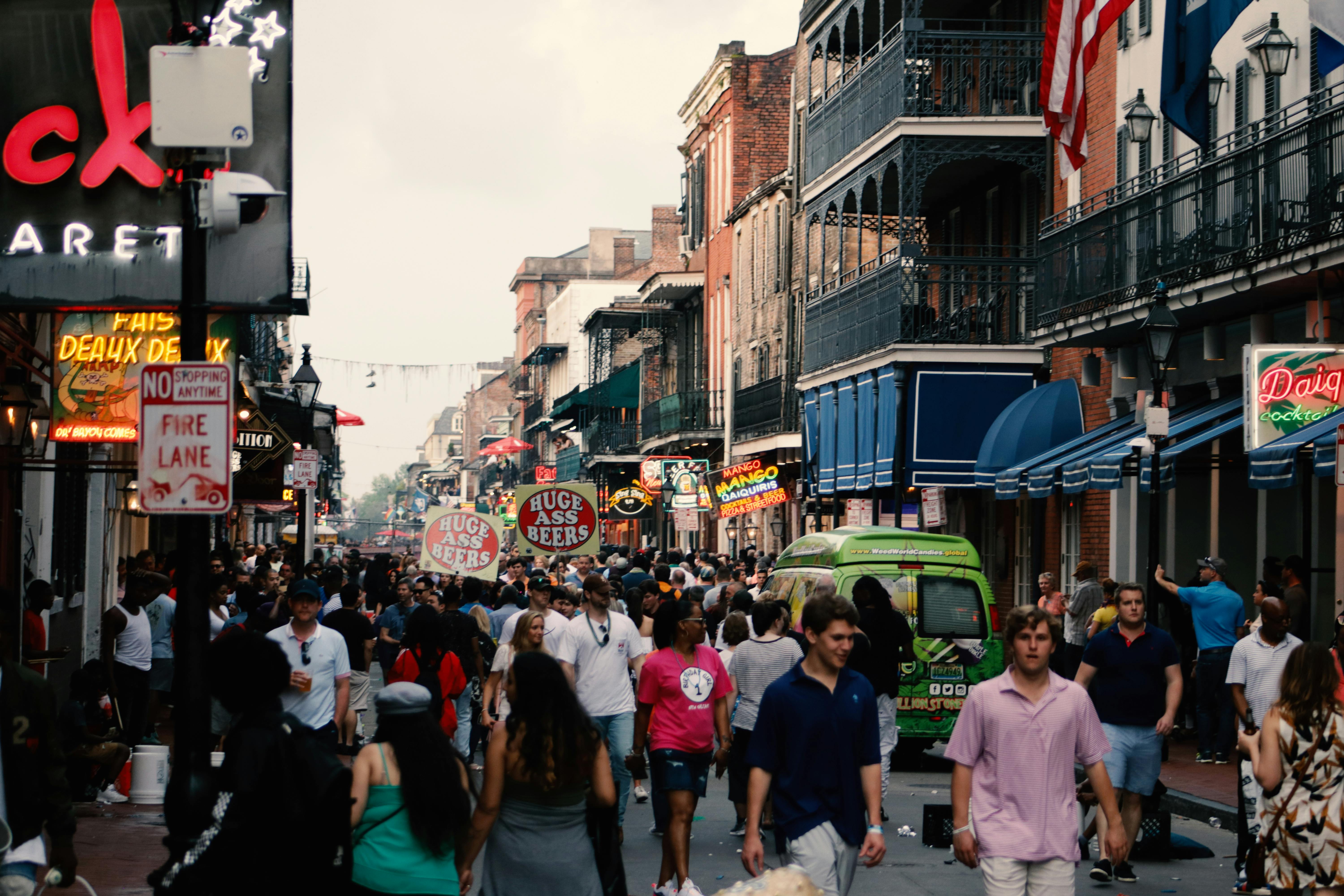
New Orleans is a city where history hums in brass and the air smells of beignets and chicory coffee. Founded in 1718 and shaped by French, Spanish, African, and Caribbean cultures, it’s a place where Creole and Cajun traditions animate every block. From wrought-iron balconies to oak-lined avenues, the architecture tells a story you can trace with your feet.
Music is New Orleans’ heartbeat—jazz here isn’t background noise; it’s the city’s voice. Walk the French Quarter by day to admire pastel facades and hidden courtyards, then drift to Frenchmen Street by night for world-class live music in intimate clubs. Cruise the Mississippi, ride a vintage streetcar, and savor gumbo, po-boys, and oysters shucked to order.
Practical notes: hurricane season runs June–November, so check forecasts and consider travel insurance. Open-container laws allow drinks in plastic to-go cups (not glass). Pack light, breathable clothing, comfy walking shoes, and insect repellent if you’re heading to the swamps. Book popular restaurants and tours well in advance, especially around Mardi Gras and Jazz Fest.
New Orleans
New Orleans mixes Old World elegance with street-corner spontaneity. The French Quarter’s Creole townhouses, the Garden District’s grand mansions, and Bywater’s artsy edge create a kaleidoscope of neighborhoods to explore. Streetcars rattle along St. Charles Avenue, and second-lines erupt when you least expect them.
- Top sights: Jackson Square, St. Louis Cathedral, the French Market, The National WWII Museum, Audubon Park, and the Mississippi Riverfront.
- Essential experiences: beignets at Café du Monde, a steamboat jazz cruise, a cemetery tour, a Garden District walk, and a swamp airboat ride.
- What to eat: gumbo, jambalaya, crawfish étouffée, oysters, muffulettas, po-boys, bananas Foster, and pralines. Don’t miss a Sazerac or a Ramos Gin Fizz.
Where to stay: Browse stays on VRBO (great for historic homes in the Marigny/Bywater) or compare hotels on Hotels.com.
- Classic luxury: The Ritz-Carlton, New Orleans — refined rooms, excellent spa, and a prime location off Canal Street. Book on Hotels.com.
- Grande dame: Omni Royal Orleans — rooftop pool, polished service, and a storied Royal Street address. Book on Hotels.com.
- Stylish budget: The Quisby — social hostel in a historic building on St. Charles Avenue, easy streetcar access. Book on Hotels.com.
Getting there: Fly into Louis Armstrong New Orleans International (MSY). Search fares on Trip.com or Kiwi.com. Typical nonstop times: 2.5–3 hours from the U.S. East Coast, ~4 hours from the West Coast; roundtrips often range ~$180–$450 depending on season.
Getting around: Ride the historic streetcars (St. Charles, Canal, Rampart) and buses; a single ride is modestly priced and day passes are affordable via the RTA GoMobile app. Taxis and rideshares are plentiful; the French Quarter is best on foot.
Day 1: Arrival, the French Quarter, and Classic Creole
Morning: Travel day. If you have time before your flight, eat light—you’ll want room for beignets later. Check Trip.com or Kiwi.com for any last-minute schedule changes.
Afternoon: Check in, freshen up, and take a gentle orientation stroll: Royal Street’s antique shops, Jackson Square’s artists, and the Mississippi Riverfront. Grab a first taste at Café du Monde (beignets and café au lait) or Café Beignet on Royal Street for a slightly quieter scene.
Evening: Sit down for classic Creole. Consider Galatoire’s (Friday “lunch” energy even at dinner), Brennan’s (turtle soup, bananas Foster flambéed tableside), or Antoine’s (since 1840—order oysters Rockefeller). Nightcap options: the Carousel Bar at Hotel Monteleone for a slow spin and a Vieux Carré, or a Sazerac at the elegant Sazerac Bar in the Roosevelt.
Day 2: Cemeteries, the French Market, and a Mississippi River Jazz Cruise
Morning: Fuel up at Croissant D’Or Patisserie (butter-rich croissants, quiche) or Spitfire Coffee (micro-roaster, tiny but mighty). Then join the official tour inside the city’s most storied burial ground:
Do this: St. Louis Cemetery No. 1 Official Walking Tour

It’s the only way to legally enter; learn about above-ground tombs, Creole funerary customs, and figures like Marie Laveau. Tours typically last ~1–1.5 hours.
Afternoon: Browse the French Market (produce, pralines, local crafts) and shop Royal Street’s galleries. For lunch, try Napoleon House for a warm muffuletta and Pimm’s Cup, or Coop’s Place for rabbit and sausage jambalaya and fried chicken. If you crave oysters, hit Felix’s or Acme for chargrilled platters.
Evening: Board a classic riverboat for dinner, jazz, and skyline views:
Do this: New Orleans Steamboat Natchez Jazz Cruise with Dinner Option
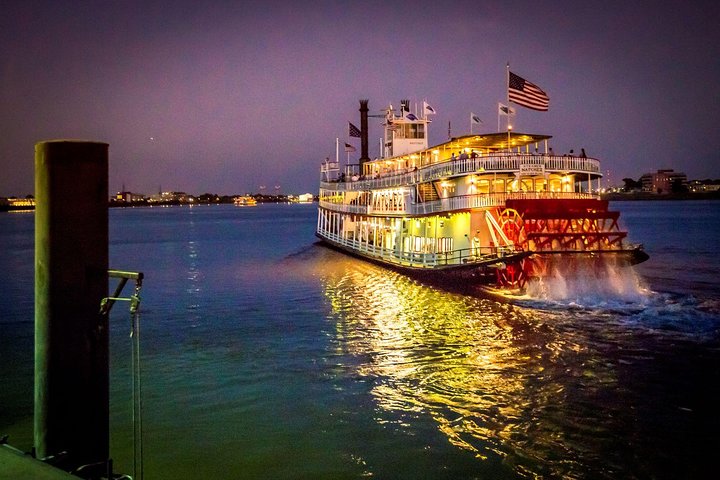
Listen to the calliope, watch the paddlewheel churn the Mississippi, and enjoy live jazz as the city lights come on. After docking, wander to Frenchmen Street’s The Spotted Cat Music Club or d.b.a. for late-night sets.
Day 3: St. Charles Streetcar, Garden District Mansions, and Magazine Street
Morning: Breakfast uptown: District Donuts (creative doughnuts, biscuit sandwiches) or Molly’s Rise and Shine (playful plates like collard green melt). Ride the St. Charles streetcar under cathedral oaks to the Garden District, then take a deep dive into architecture:
Do this: New Orleans Garden District Architecture Tour

Admire Greek Revival, Italianate, and Victorian gems; hear how fortunes from cotton and river trade shaped this neighborhood. Note: Lafayette Cemetery No. 1 access is limited—tours typically view from perimeter.
Afternoon: Lunch near Washington Avenue. Commander’s Palace offers a refined Creole lunch (legendary 25-cent martinis on weekdays; verify current policy), while La Petite Grocery on Magazine Street pairs house-made pastas with Southern accents. Stroll Magazine Street’s boutiques, galleries, and coffee stops (Cherry Espresso Bar).
Evening: Contemporary New Orleans flavors: Cochon (wood-fired Cajun, roasted oysters), Pêche Seafood Grill (whole grilled fish, gumbo), or Herbsaint (housemade spaghetti with guanciale, duck confit). For music, head to Tipitina’s if there’s a show, or return to Frenchmen for brass bands that spill onto the sidewalk.
Day 4: Swamp Airboats, WWII Museum, and a Cocktail Crawl
Morning: Quick bite at Willa Jean (biscuits, grits, breakfast bowl) or Bearcat CBD (healthy/“bad cat” hearty options). Then trade city streets for wetlands on an adrenaline-kissed wildlife ride:
Do this: New Orleans Airboat Ride

Skim through cypress and sawgrass, spotting alligators, egrets, and turtles. Many departures include hotel pickup; rides typically run ~2 hours dock-to-dock, plus transport time.
Afternoon: Spend a few hours at The National WWII Museum—its immersive exhibits and oral histories are among the best in the country. For lunch nearby, Cochon Butcher serves excellent muffulettas, hot boudin, and house-cured meats. If you prefer fried seafood, Deanie’s Seafood is a long-running favorite.
Evening: Sample the city’s cocktail heritage. Start at Cure on Freret Street (serious mixology), then the Columns’ porch for a julep under the oaks, and finish at Bar Marilou (French-leaning lounge with velvet and vinyl). Dinner ideas: Gianna (Italian-Creole pastas, wood oven), Compère Lapin (Caribbean spice meets Gulf seafood), or The Gumbo Shop for a comforting classic.
Day 5: Beignets, Last Strolls, and Departure
Morning: Squeeze in a final taste: beignets and café au lait redux, or Brennan’s for a celebratory breakfast (eggs Hussarde, chicory coffee, bananas Foster finale). If it’s warm, swing by Hansen’s Sno-Bliz (seasonal) for a perfectly shaved sno-ball with house syrups.
Afternoon: Fit in last-minute shopping at the Historic New Orleans Collection’s museum store or peruse local art on Royal Street. Grab a po-boy for the road—Parkway Bakery & Tavern (shrimp or roast beef debris) or Domilise’s (fried oyster)—then head to MSY. Check flights on Trip.com or Kiwi.com and allow ample time for security and potential traffic on I-10.
Evening: If you have a late flight, consider a final saunter along the Moonwalk by the river or a quiet coffee at Backatown Coffee Parlour before you say “laissez les bons temps rouler” till next time.
Optional Add-Ons (If You Extend or Swap)
- Jazz deep dive: New Orleans Jazz History and Music Walking Tour for context on clubs, legends, and the evolution of the sound.

New Orleans Jazz History and Music Walking Tour on Viator - Architecture alternative: French Quarter Architecture Walking Tour for balcony lore and hidden courtyards.

New Orleans French Quarter Architecture Walking Tour on Viator
Note: The optional tours above are great swaps if your interests skew more toward music or architectural history. Book in advance during festival weekends.
Local tips: For a classic muffuletta without the French Quarter lines, try Cochon Butcher. For art markets, explore the Palace Market on Frenchmen in the evenings. If you love wine gardens, Bacchanal in the Bywater pairs live music with backyard vibes and cheese boards.
Budgeting: Expect most guided tours to range roughly $25–$90 per person; fine-dining entrees $28–$48; casual po-boys $12–$20; streetcar day passes are a bargain. Tipping is customary (18–20% for restaurants; a few dollars per drink on cocktail-heavy nights goes a long way with bartenders).
Safety & etiquette: Stick to well-lit streets at night, keep phones and valuables secured, and use licensed taxis/rideshares late. Always use plastic cups outdoors. Ask before photographing musicians, and toss a few dollars into the tip bucket when you enjoy a performance.
One more Viator gem (great for history buffs): If you want a deeper look at daily life and its shadows, the brothels-and-bordellos walking tour examines the city’s complex social history through the lens of Storyville and beyond.
With five days, you’ll taste the city’s rhythm: beignets at dawn, mansions at midday, brass bands after sunset, and the river always in your peripheral vision. New Orleans rewards curiosity—wander, listen, and let the music lead you down the next block.