
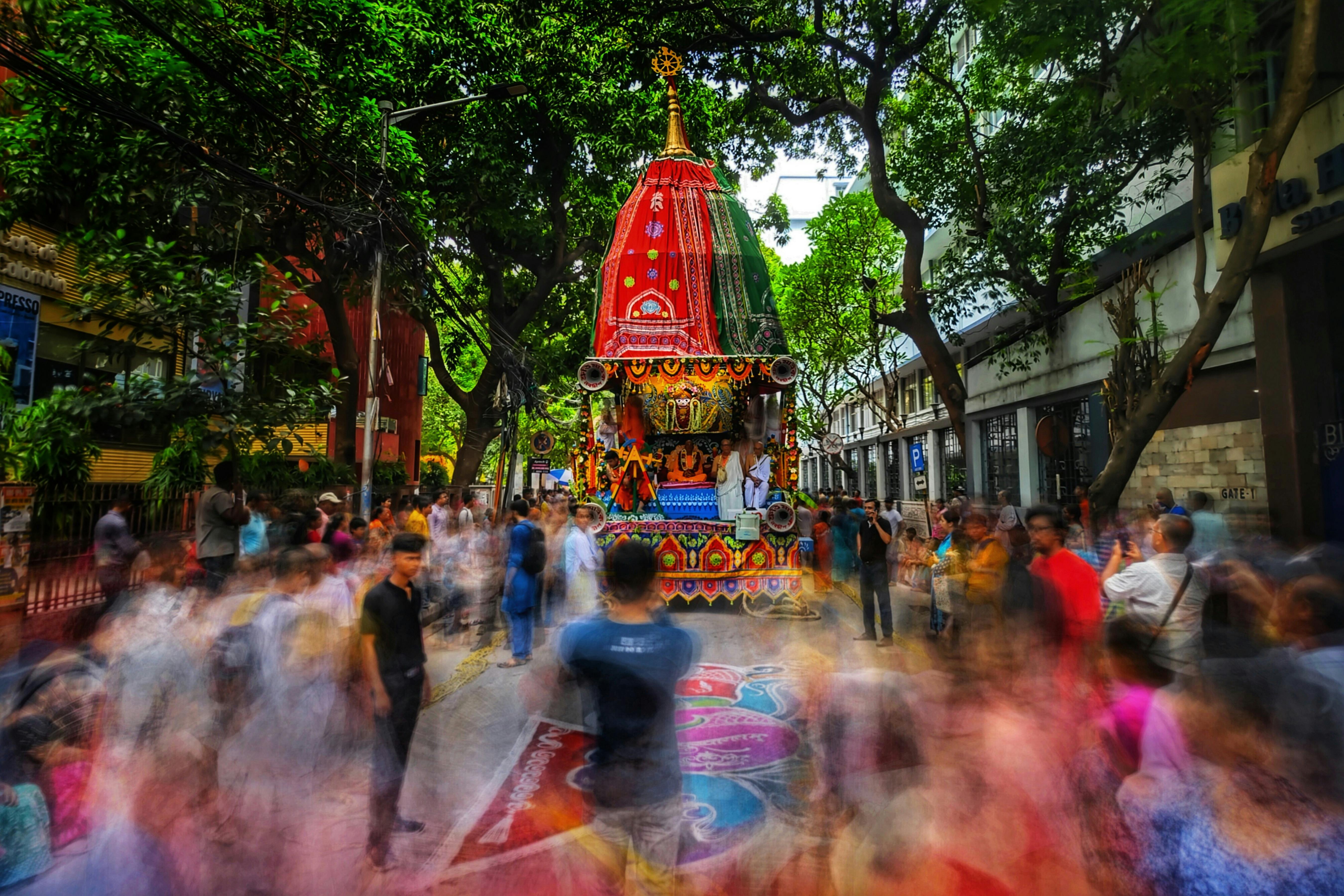
Kolkata—once the capital of British India—wears its history on its sleeve. Marble domes and colonnaded banks rise above tea stalls, tramlines, and legendary bookshops. Beyond the colonial grandeur lies a fiercely creative city: birthplace of Tagore’s poetry, Satyajit Ray’s cinema, and India’s oldest football rivalries.
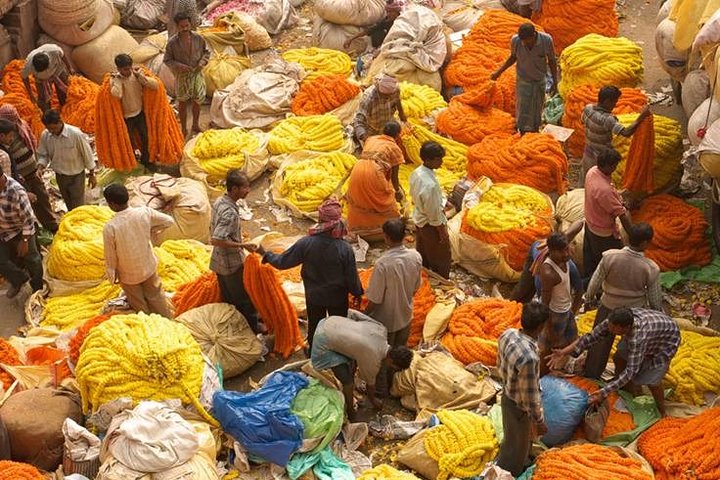
Come for the living streets. Dawn unfolds at the Hooghly River and the riot of color at the flower market; afternoons wander through College Street’s miles of used books and the Indian Museum; evenings glow along Park Street’s café culture and live music. And always: the scent of biryani, kosha mangsho, and mishti doi.
Practical notes: October–March is ideal (cooler, drier). Expect warm hospitality, bustling traffic, and excellent app cabs. Cash and cards work widely; digital payments are common. Dress modestly for temples, and carry small change for ferries, street snacks, and tips.
Kolkata
Why go: A heady mix of colonial architecture, Bengali art and literature, vibrant markets, and India’s most storied food scene—this is the “City of Joy.”
- Top sights: Victoria Memorial, St. Paul’s Cathedral, Indian Museum, Dalhousie Square (BBD Bagh), Howrah Bridge, Mullik Ghat Flower Market, South Park Street Cemetery, Kalighat Temple, Dakshineswar & Belur Math, Prinsep Ghat.
- Neighborhood flavors: Park Street’s old-world cafés; North Kolkata’s heritage mansions; College Street’s book arcades; Ballygunge’s Bengali kitchens; riverside sunsets at Prinsep Ghat.
- Eat this: Chelo kebab at Peter Cat; kathi rolls at Nizam’s or Kusum; biryani at Arsalan; kosha mangsho at Golbari; fish fry at Mitra Café; Jewish bakes at Nahoum’s; sandesh from Balaram Mullick & Radharaman Mullick.
- Fun facts: Kolkata’s tram network (1902) is India’s oldest; Eden Gardens is cricket’s “Colosseum” in the East; College Street is Asia’s largest secondhand book market.
Where to stay:
- Search apartments & homes: VRBO Kolkata
- Search hotels (all budgets): Hotels.com Kolkata
- ITC Sonar, a Luxury Collection Hotel: resort-style greens, excellent restaurants, spa. Book ITC Sonar
- Hotel Cecil (good-value boutique near central sights): clean, friendly, easy base for first-timers. Book Hotel Cecil
How to get there and around:
- Fly to CCU (Netaji Subhas Chandra Bose International): nonstop from major Indian hubs and select international cities. Compare fares on Trip.com Flights and Kiwi.com. Typical domestic fares: ~$40–120 one-way from Delhi/Mumbai; flight time ~2–2.5 hours.
- Arriving by train: Howrah or Sealdah stations link Kolkata to India’s rail network. Check schedules/prices on Trip.com Trains. Overnight Rajdhani routes from Delhi take ~17–20 hours.
- Local transport: App cabs are reliable; the metro is fast (use it for Dakshineswar/Esplanade/Park Street); historic trams run limited heritage services; river ferries are scenic and cheap. Airport to Park Street by taxi: ~45–90 minutes, ~$8–12.
Day 1: Arrive, Park Street legends & Victoria at golden hour
Afternoon: Land in Kolkata and settle into your hotel. Shake off the flight with a gentle orientation walk along Park Street: pop into Flurys for Darjeeling tea and rum balls, then admire the art deco façades and neon signs that have lit up the city since the 1930s.
Evening: Head to Victoria Memorial for sunset—the white Makrana marble glows peach as the sky turns indigo. Stroll the Maidan lawns and peek into St. Paul’s Cathedral. Dinner on Park Street: book Peter Cat for its cult-favorite Chelo Kebab (butter rice, runny egg, Persian-style kebab) or try Mocambo for old-school “continental” classics and prawn cocktail. For a nightcap, Someplace Else at The Park hosts live rock and blues; or sample craft brews at The Grid in Topsia.
Day 2: Dawn markets, colonial core & a Bengali food tour
Morning: Start before sunrise with a guided immersion into the city waking up. The flower market beneath Howrah Bridge is a burst of marigold garlands and temple offerings; ferries putter on the Hooghly as tea stalls clink kulhads.

Post-tour breakfast: if it’s a weekend, try the early-morning Chinese breakfasts in Tiretta Bazaar (pork buns, rice congee); otherwise grab baked treats at Nahoum & Sons in New Market or a sit-down breakfast at 8th Day Café & Bakery (great coffee, cinnamon rolls).
Afternoon: Explore Dalhousie Square (BBD Bagh): see the Writers’ Building façade, the stately GPO, and colonial banks framing Lal Dighi tank. Then visit the Indian Museum (natural history, archaeology, and rare art; India’s oldest, founded 1814). Make for College Street to browse miles of bookstalls; pause at Indian Coffee House—retro wood-and-wicker, strong filter coffee, adda (lively debate) at every table. Cool off with a classic sherbat at Paramount nearby.
Evening: Dive into Kolkata’s culinary heart on a guided tasting crawl (13+ bites). Expect kathi rolls, Mughlai parota, chaat, fish curry, sweets, and stories of the city’s melting-pot palate.
Book: Bengali Nights Kolkata Food Tour with 13+ Tastings

If you prefer a sit-down dinner, try Arsalan for Kolkata-style biryani (potato and egg are the city’s signature additions) or The Bhoj Company for hearty Bengali thalis (mustard fish, shukto, chingri malai curry).
Day 3: The City of Joy in one sweep (private full-day tour)
All day: Maximize your time with a comprehensive city tour that typically covers Mother Teresa’s Mother House, Kalighat Temple, South Park Street Cemetery’s mossy Raj-era tombs, St. John’s Church (with Job Charnock’s mausoleum), Prinsep Ghat, and more. Arrange a lunch stop at 6 Ballygunge Place (classic Bengali spread: luchi, kosha mangsho, mustard hilsa in season) or quick street-side puchkas at Vivekananda Park.
Book: Private Full Day Sightseeing Tour of Kolkata

Evening ideas after drop-off: Sunset promenade at Prinsep Ghat and a short public ferry hop for skyline views, or a heritage tram ride if running on your date (limited schedules; ask your guide). Late dinner at Olypub (Park Street stalwart for pepper steaks) or kosha mangsho at Golbari in Shyambazar.
Day 4: Day trip to Bishnupur—terracotta temples & Baluchari silk
All day: Journey into the 17th-century Malla kingdom at Bishnupur (about 4–5 hours by road each way with guided logistics). The low-slung laterite temples are clad in exquisite terracotta panels depicting epics and everyday life. Visit weaving ateliers to see Baluchari silk sarees being made and try local specialties like posto bora (poppy fritters) and chhanar pulao (sweet curd-cheese dessert).
Book: Day trip from Kolkata to Bishnupur for Terracotta Temples and Silk

Back in Kolkata, keep dinner light: Mitra Café (fish fry, kobiraji cutlets) or Nizam’s for a late kathi roll.
Day 5: River temples, last bites & departure
Morning: Take the metro up to Dakshineswar Kali Temple (about 40–50 minutes from central Kolkata). After darshan, cross the river by ferry or bridge to Belur Math, the serene headquarters of the Ramakrishna Mission—an elegant blend of Hindu, Islamic, and Christian architectural motifs. It’s a calm, reflective finale to your trip.
Late morning/early afternoon: Grab coffee and a bagel at 8th Day Café or Sienna Café in south Kolkata, then swing by New Market for last-minute spices, tea, and sweets (pack tins of nolen gur sandesh in winter). Quick lunch at Bhojohori Manna (home-style Bengali plates) before your transfer to the airport.
Departure: Aim to leave the city center 3–3.5 hours before an international flight (traffic can be unpredictable). Compare rides and check-in reminders with your provider; book or modify flights on Trip.com Flights or Kiwi.com.
Optional swaps & add-ons (if you have extra time or specific interests):
- Kumartuli artisans’ quarter: Watch sculptors shaping goddess idols from straw and clay; most active ahead of Durga Puja but fascinating year-round.
- Classic heritage walk: For deeper Raj-era stories and architecture, consider a specialist tour. Kolkata – Sounds & Sights (Full Day) is a strong alternative to Day 3.
From river sunrises and marble domes to book bazaars and midnight kebabs, Kolkata rewards the curious at every turn. This 5-day itinerary balances headline sights with local rituals and flavors so you leave not just with photos—but with stories, tastes, and a tug to return.