
5 Days in Goa, India: A North & South Goa Itinerary of Beaches, Heritage Walks, Spice Plantations and Sunset Dining
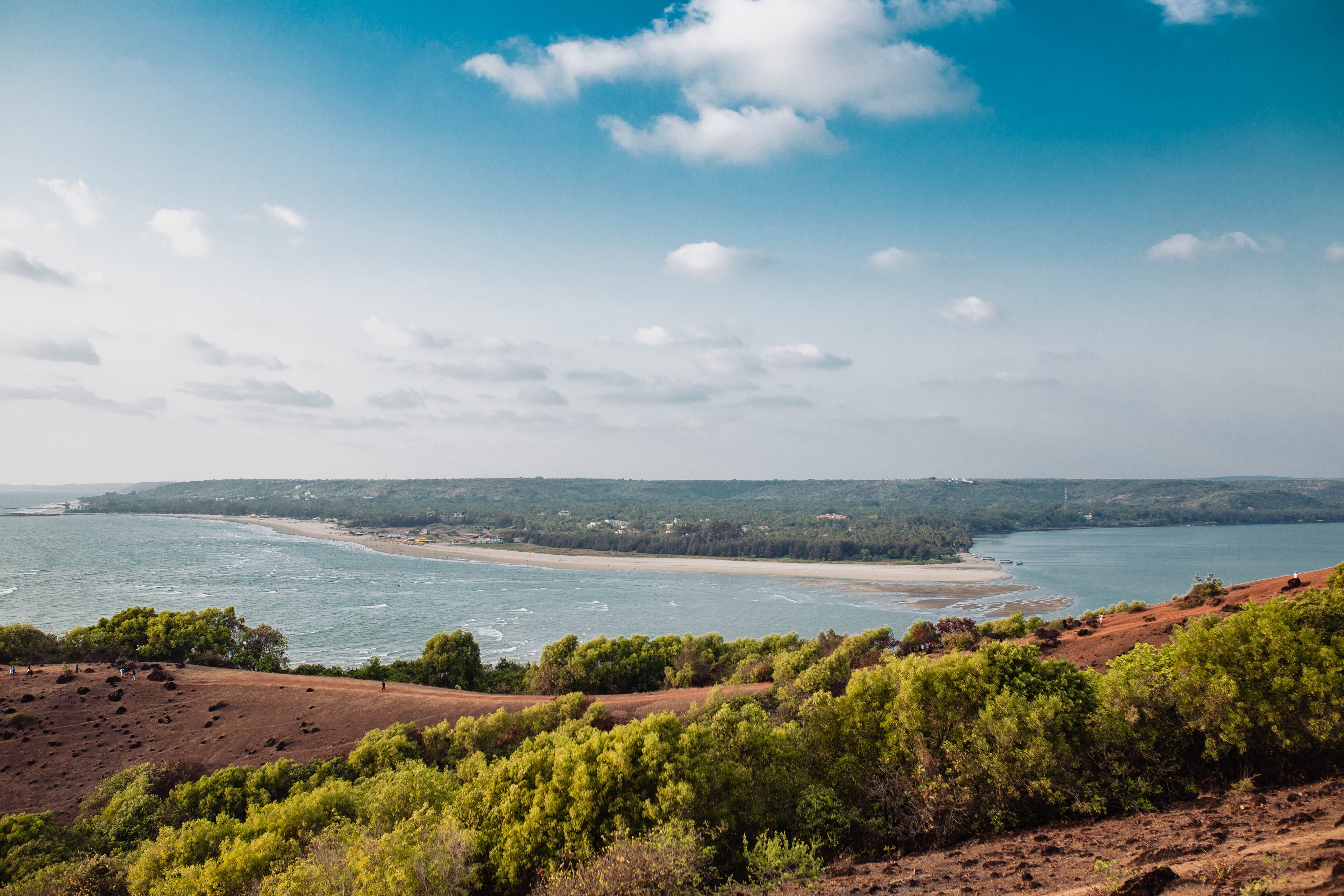
Goa may be India’s smallest state, but it has lived several grand lives: ancient trading port, Portuguese colony for more than four centuries, hippie trail magnet, and now one of South Asia’s most beloved beach destinations. That layered history is what makes a Goa itinerary so rewarding—baroque churches stand not far from Hindu temples, village bakeries still deliver warm poi bread at dawn, and beach shacks serve seafood touched by coconut, kokum and vinegar in ways that belong unmistakably to this coast.
There is also more than one Goa. North Goa is energetic and sociable, with beach clubs, surfy cafés, heritage neighborhoods in Panaji, and easy access to Old Goa’s UNESCO-listed churches. South Goa moves at a gentler pace: long sands, quieter villages, elegant resorts, traditional bakeries in Majorda, and a stronger sense of retreat for travelers who want sea breeze over soundtrack.
Practically speaking, the best way to enjoy 5 days in Goa is to divide your stay between North Goa and South Goa, keeping road transfers short and your days unrushed. Expect warm weather most of the year, use app-based cabs or pre-arranged hotel cars when possible, dress modestly when visiting churches and temples, and make room for Goan classics such as prawn curry rice, pork vindaloo, cafreal, recheado fish, bebinca and fresh cashew feni cocktails.
Arrival and getting around: Fly into Goa via Manohar International Airport (North Goa/Mopa) or Goa International Airport (Dabolim), depending on your route and hotel base. Use Trip.com flights or Kiwi.com flights to compare fares; domestic flights from major Indian hubs are frequent, and pricing often ranges widely by season. For this itinerary, plan on roughly 45-75 minutes by road from airport to North Goa, and about 60-90 minutes between North Goa and South Goa depending on traffic, with a private transfer usually the easiest option.
North Goa
North Goa is the Goa of bright beach umbrellas, sunset crowds, DJ posters, tiled villas, flea-market legends and leisurely brunches that turn into cocktails. Yet it is also where many travelers first discover Goa’s older soul—in Panaji’s Latin Quarter, on ferries across the Mandovi, and among the monumental churches of Old Goa.
This is the best base for travelers who want variety packed into short distances. You can begin the day with third-wave coffee in Assagao, spend the afternoon walking through Portuguese-era lanes in Fontainhas, and finish with seafood at a beachside table in Morjim, Vagator or Anjuna.
Where to stay in North Goa: For resort comfort with easy access to Candolim and Sinquerim, browse Novotel Goa Resort & Spa. For social, budget-friendly stays near Anjuna’s scene, consider The Funky Monkey Hostel. You can also compare broader options via VRBO North Goa and Hotels.com North Goa.
- Coffee and breakfast favorites: Mojigao in Assagao for a garden setting and thoughtful breakfast plates; Babka Goa for excellent coffee, breads and pastries; Artjuna in Anjuna for shakshuka, smoothie bowls and an easy, creative crowd.
- Lunch ideas: Vinayak Family Restaurant in Assagao for beloved Goan fish thali and prawns; Pousada by the Beach in Calangute for a sit-down seaside lunch with strong Goan-Portuguese flavors; Bomras for Southeast Asian cooking when you want a break from curries without sacrificing quality.
- Dinner picks: Thalassa for sunset energy and Greek-leaning plates with one of North Goa’s best-known evening views; Cavatina by Avinash Martins for a more refined take on Goan ingredients; Gunpowder for bold South Indian flavors in a leafy old-house setting.
Recommended North Goa experiences:
Fontainhas Heritage Walk by Make It Happen is an excellent first deep dive into Panaji’s Latin Quarter, where mustard-yellow walls, oyster-shell windows and tiny chapels reveal the Portuguese imprint better than any guidebook summary. It is especially worthwhile early in the trip because it gives cultural context to nearly everything else you will eat, see and photograph in Goa.

Old Goa Heritage Walk by Make It Happen is ideal for travelers who want more than quick photo stops at famous churches. The walk adds political history, religious context and architectural detail to sites that many visitors otherwise rush through.

BLive Electric Bike Tours – Discovery of Divar Island offers one of the most refreshing contrasts to beach-going: quiet village roads, river views and a slower Goan landscape many visitors miss entirely. It is particularly good if you enjoy light activity and prefer stories and scenery over crowds.

Explore the Best of North Goa by Car is a convenient option for travelers who want a broad orientation without self-planning logistics. It works well if your priority is fitting beaches, forts and cultural stops into a single, organized day.

Day 1 – Arrive in North Goa, settle in, and catch your first sunset
Morning: This is your travel morning, so keep the schedule open and focus on your flight into Goa. If you still need tickets, compare options on Trip.com or Kiwi.com. Aim for an afternoon arrival, with a pre-booked transfer to your North Goa hotel.
Afternoon: Check in and ease into Goa rather than trying to conquer it on arrival day. If you are staying around Candolim, Calangute, Anjuna or Assagao, have a late lunch at Pousada by the Beach for Goan specialties and sea views, or head to Vinayak Family Restaurant for a proper fish thali that introduces you to everyday local flavor rather than tourist shorthand.
Evening: Make your first evening all about the coast. Vagator is a fine choice for a dramatic sunset backed by red cliffs, and if you want dinner with a social pulse, reserve a table at Thalassa; if you prefer something quieter and more food-driven, Cavatina is a stronger culinary bet with polished presentations and a menu rooted in Goan ingredients. End early enough to recover from travel, perhaps with a quick nightcap of kokum soda or a restrained feni cocktail.
Day 2 – Panaji, Fontainhas and the old capital’s layered history
Morning: Start with coffee and breakfast at Babka Goa or Mojigao, both reliable for a relaxed first full morning. Then head into Panaji for the Fontainhas Heritage Walk by Make It Happen, which is one of the smartest introductions to Goa’s cultural texture—painted villas, bakeries, old family homes and stories that reveal why Goa feels unlike anywhere else in India.
Afternoon: Continue to Old Goa and join the Old Goa Heritage Walk if timing allows, or independently visit the Basilica of Bom Jesus and Sé Cathedral with enough time to actually look, not merely tick boxes. These churches were built when Old Goa was called the “Rome of the East,” and their scale still hints at the city’s former power. Lunch in Panaji afterward works well—try Ritz Classic for a famed fish thali or Kokni Kanteen for soulful Goan fare in a setting that locals return to for good reason.
Evening: Spend the evening back in Panaji or nearby Miramar at an unhurried pace. Joseph Bar, one of Goa’s most storied drinking spots, is worth a stop for atmosphere and a sense of old Panaji sociability, while dinner at The Black Sheep Bistro suits travelers who want inventive plates and a more contemporary dining room. If you are drawn to a simpler meal, return north and dine at Gunpowder under the trees.
Day 3 – Villages, island life and a North Goa beach finale
Morning: Have breakfast at Artjuna in Anjuna if you like cafés with character, or at Mojigao for a greener, calmer start. Then join the BLive Electric Bike Tours – Discovery of Divar Island, a memorable way to see another face of Goa—ferry crossings, sleepy villages, church spires, paddy fields and the riverine landscape that sustained local life long before beach tourism arrived.
Afternoon: Return to North Goa for lunch and a few hours by the sea. Vinayak is excellent if you want one more deeply local meal; alternatively, choose a beachside lunch near Morjim or Ashwem where the pace is slower than central Calangute. If you prefer a structured sightseeing day instead, swap the island ride for Explore the Best of North Goa by Car.
Evening: Give your final North Goa night a sense of occasion. Watch sunset from Chapora Fort if you do not mind a short climb and some company, then head to dinner at Bomras for superb Southeast Asian flavors or to Cavatina for one of the most thoughtful dinners in Goa. Pack tonight for an easy transfer south in the morning.
South Goa
South Goa is where many travelers finally exhale. The beaches are broader, the pace is slower, and the pleasures feel less performative: a long breakfast shaded by coconut palms, a village bakery turning out fresh poi, a languid swim, a drive past whitewashed churches and emerald paddy fields.
It is also home to some of Goa’s most comfortable stays and many of its most satisfying slow-travel experiences. For a 5-day Goa itinerary, South Goa provides the perfect second act after North Goa’s busier rhythm.
Where to stay in South Goa: For a polished beachfront stay, consider Taj Exotica Resort & Spa, Goa or Holiday Inn Resort Goa. Travelers wanting a high-end resort option can also review The Leela Goa. For broader holiday rentals or hotel comparisons, use VRBO South Goa and Hotels.com South Goa.
- Coffee and breakfast favorites: Caravela Café in Margao for old-Goa bakery atmosphere and Goan sweets; Cavatina has breakfast lovers, but for South Goa village character, a local bakery stop in Majorda is more memorable; Martin’s Corner area cafés also offer easy morning options if you are nearby.
- Lunch ideas: Zeebop by the Sea at Utorda for seafood with toes-nearly-in-sand appeal; Pentagon Restaurant in Verna for hearty Goan staples and local popularity; spice plantation lunches are often simple but fragrant and worthwhile when part of a day tour.
- Dinner picks: Martin’s Corner in Betalbatim for iconic Goan dining and live-music energy; The Fisherman’s Wharf in Cavelossim for river-adjacent ambiance and a broad menu; Mickey’s in Colva for a more casual beachside meal.
South Goa transfer: Travel from North Goa to South Goa by private car in the morning; the drive usually takes about 1.5 to 2.5 hours depending on your exact points and traffic, and hotel-arranged transfers are generally the most efficient. If you are building a wider India trip before or after Goa, you can continue searching domestic flights on Trip.com or Kiwi.com.
Recommended South Goa experiences:
Highlights of South Goa with Spice Plantation Tour is a strong choice for travelers who want a broad introduction to churches, beaches, village life and spice-growing landscapes without juggling separate taxis and timings. It works especially well if this is your first visit and you want context with your scenery.

Bake Bread With 80 Years Old Baker In Majorda is one of the most distinctive food experiences in Goa. Rather than another generic cooking class, it introduces the beloved Goan poder tradition and the daily bread culture that quietly underpins village life.

Private Tour of Butterfly Sanctuary and Spice Plantation suits travelers who prefer greenery, natural history and a quieter inland excursion over another full beach day. The combination of conservation, village landscapes and lunch makes it a lovely contrast to the coast.

Photoshoot in South Goa is a pleasant add-on for couples, solo travelers or families who want polished keepsakes from some of Goa’s most photogenic beaches and village settings. It is best treated as a stylish extra layered onto an otherwise relaxed day.

Day 4 – Transfer to South Goa, village baking and a slower shoreline
Morning: Check out of North Goa and depart by private car for South Goa after breakfast. The road journey typically takes 1.5 to 2.5 hours, so leave in the morning to preserve your day; once settled into your hotel, have coffee or a light breakfast if needed before heading toward Majorda.
Afternoon: Join Bake Bread With 80 Years Old Baker In Majorda, one of the most intimate ways to understand Goa’s food culture beyond restaurants. Learning about poi, pao and the poder tradition adds texture to every breakfast basket you will see afterward, and the experience feels rooted in lived local history rather than performance. If you want a full meal after, Zeebop by the Sea is a strong lunch choice for seafood and relaxed beach views.
Evening: Spend the late afternoon on Majorda, Utorda or Betalbatim beach, where South Goa’s broader sands and softer tempo begin to work their spell. Dinner at Martin’s Corner is a classic for a reason—lively, deeply associated with South Goa, and good for Goan seafood staples such as recheado fish, prawn balchão and crab preparations. If you prefer something slightly more scenic and spread out, The Fisherman’s Wharf in Cavelossim is another dependable pick.
Day 5 – South Goa highlights, spice plantation and departure
Morning: Keep your final day organized and scenic with the Highlights of South Goa with Spice Plantation Tour if your flight departs later in the day; otherwise, choose a shortened private outing or a beach-and-lunch farewell. This guided day is especially good for seeing churches, inland greenery and local agricultural life in one coherent sweep.
Afternoon: If your departure timing is tighter, opt instead for a leisurely breakfast and one last walk on the beach before checking out. Caravela Café in Margao is a delightful stop for coffee, pastries and old-world atmosphere if your route to the airport allows, while a final seafood lunch at Zeebop or a resort restaurant keeps the ending easy. Leave ample time for the drive to the airport, especially if departing from Mopa, which is farther from South Goa than Dabolim.
Evening: This is your departure window, so the best recommendation is simplicity: a well-timed transfer, a final look at the palms, and perhaps a box of local sweets or packaged bebinca for home. If your flight is later and you still have time, a brief sunset pause near Cavelossim or Colva is a graceful way to close the trip without stress.
Over five days, this Goa travel itinerary lets you experience both the spirited beach culture of the north and the gentler elegance of the south without rushing the distances. You will leave with more than beach photographs: you will carry stories of old capitals, village bakers, spice gardens, seafood tables at dusk, and the many Goas that hide behind one famous name.