
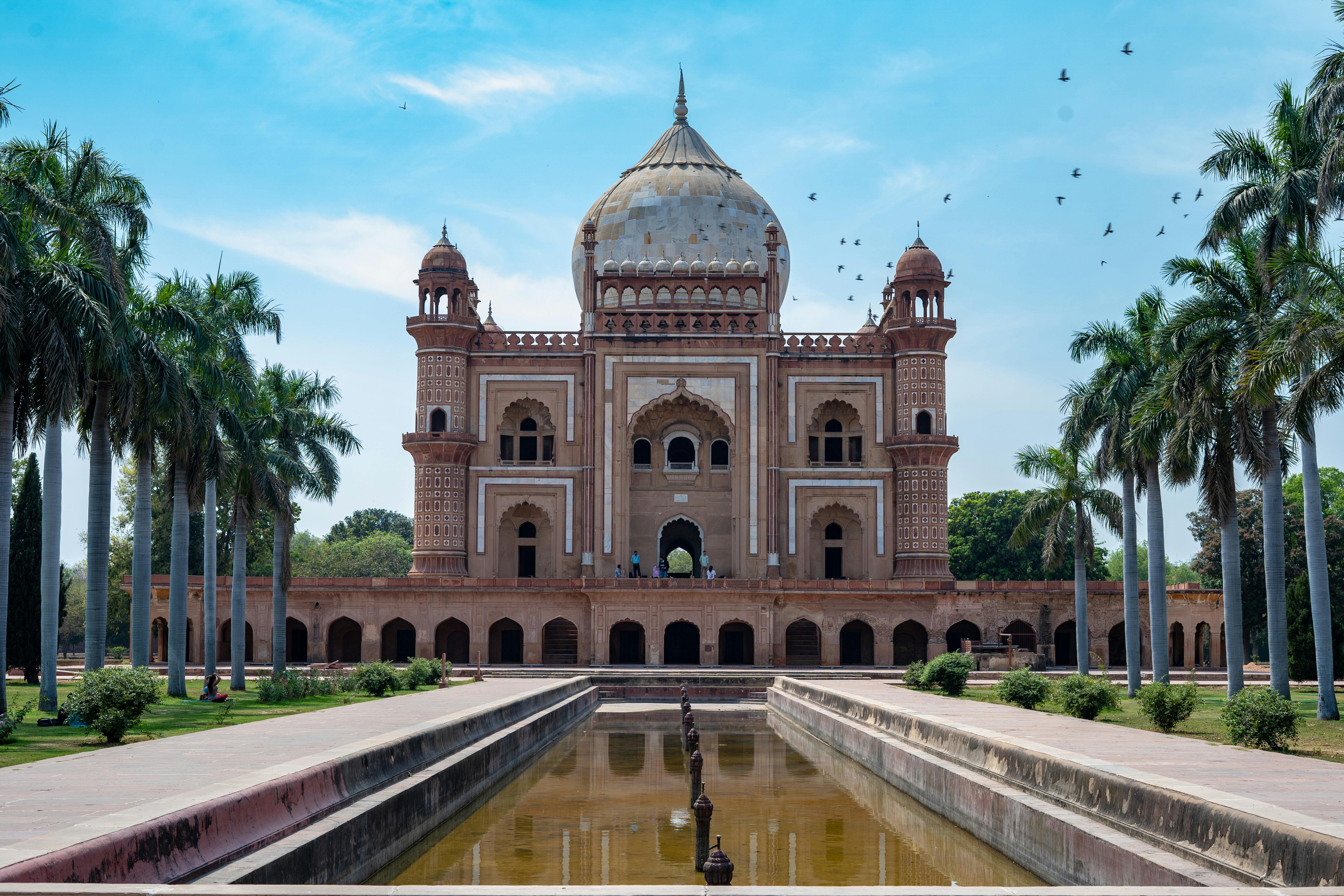
Delhi is not one city so much as a stack of civilizations. Empires rose here, fell here, and built over one another, leaving behind Sultanate tombs, Mughal forts, British imperial avenues, Sikh shrines, bustling bazaars, and neighborhoods where a breakfast stall can feel as storied as a monument. For travelers, that means a rare kind of urban richness: a place where history is never trapped in museums, but spills directly into daily life.
Fun facts help explain Delhi’s magnetic pull. It has been associated with at least seven historic cities, is home to three UNESCO World Heritage Sites within the capital itself, and offers one of the most varied food scenes in India—from kebabs in Old Delhi and butter chicken in central districts to elegant modern Indian tasting menus. Distances can look modest on a map, but traffic is real, so each day in this itinerary is designed by area to reduce backtracking.
Practical notes matter here. March is generally a good month for a Delhi trip, with warm days, cooler mornings and evenings, and clearer sightseeing conditions before peak summer heat. Dress modestly for religious sites, carry bottled water, use app-based cabs or the Delhi Metro when sensible, and build in a little patience: Delhi rewards travelers who move with curiosity rather than haste.
Delhi
Delhi is a capital of contrasts in the best sense. One hour you are under the red sandstone walls of a Mughal fort; the next you are sipping single-origin coffee in a leafy enclave, then eating chaat from a stall whose recipe has survived longer than many governments.
For a five-day trip focused on one base, Delhi works beautifully. It gives you enough time to see Old Delhi and New Delhi properly, explore major landmarks like Humayun’s Tomb, Qutub Minar, India Gate, and Lodhi Garden, and still include a well-paced day trip to Agra without feeling rushed.
For hotels, Delhi has excellent range. If you want classic heritage polish and one of the city’s great addresses, book The Imperial, New Delhi. For refined contemporary comfort close to diplomatic Delhi, The Leela Palace New Delhi and ITC Maurya are strong choices. For a more budget-conscious, practical stay near transit, Bloomrooms @ New Delhi Railway Station is convenient, while The Suryaa New Delhi suits travelers wanting South Delhi access. You can also browse wider options on VRBO Delhi or Hotels.com Delhi.
For arrival travel, compare flights into Indira Gandhi International Airport on Trip.com flights or Kiwi.com flights. If you would like to add a rail excursion during your Delhi itinerary, compare options on Trip.com trains.
One note on activities: the Viator activity links provided for “Delhi” are mismatched and are actually for Indianapolis, so I am not including them to avoid misleading you with incorrect Delhi tours. Instead, this itinerary focuses on specific, current local recommendations within Delhi and a sensible independent day trip framework.
Day 1: Arrival in Delhi and an Elegant First Evening
Morning: In transit to Delhi. Keep the first day intentionally light, since long-haul arrivals into India often come with jet lag, traffic delays, and a natural urge to do too much too soon.
Afternoon: Arrive in Delhi, transfer to your hotel, and check in. After settling in, have a late lunch at Indian Accent in The Lodhi if you want one of the city’s most acclaimed modern Indian meals; the menu is playful but rooted in memory, with dishes that reinterpret familiar flavors rather than flatten them. If you want something more classic and central, head to United Coffee House in Connaught Place, a long-running institution where the old Delhi social-club atmosphere remains part of the appeal.
Evening: Ease into the city with a walk around Connaught Place, the grand colonnaded commercial circle built in the imperial era and still one of the best places to feel New Delhi’s pulse. For coffee, stop at Blue Tokai Coffee Roasters or Cha Bar at Oxford Bookstore for a softer landing. For dinner, choose Bukhara at ITC Maurya if you want a famous North Indian grill experience centered on robust tandoori cooking, or go to Karim’s near Jama Masjid only if you still have energy for Old Delhi’s bustle and want a legendary first taste of Mughlai food. Return early and rest.
Day 2: Old Delhi — Shahjahanabad, Markets, Mosques, and Street Food
Morning: Start early in Old Delhi at Jama Masjid, one of India’s great mosques, commissioned by Shah Jahan in the 17th century. Its scale is impressive, but what lingers is the atmosphere: pigeons lifting from the courtyard, the skyline of tangled wires and minarets beyond, and the feeling that worship and commerce have always lived side by side here. Afterward, take a cycle rickshaw through Chandni Chowk, where wholesale traders, sweet shops, wedding goods, spice merchants, and sari stores create a kind of organized sensory uproar.
Afternoon: Visit the Red Fort from the outside and, if time and energy allow, the interior museum areas; even where restoration is ongoing, the fort remains essential for understanding Mughal Delhi and the shift to British rule after 1857. For lunch, eat in the area with purpose. Try Al Jawahar for rich korma and kebabs, or Haji Shabrati Nihariwale if you want a more specialized, old-school dish with deep, slow-cooked flavor. For sweets and snacks, Natraj Dahi Bhalla is a classic stop for lentil dumplings in chilled yogurt, while Old Famous Jalebi Wala is ideal for hot syrupy spirals fresh from the pan.
Evening: Spend your evening around Raj Ghat or return toward central Delhi for a calmer contrast after the density of Old Delhi. If you still want food exploration, head to Haveli Dharampura for dinner in restored heritage surroundings; the setting gives you a more atmospheric side of Old Delhi at night, and the rooftop views toward Jama Masjid can be memorable. If you prefer a simpler close, go back to Connaught Place and dine at Kwality, a classic for North Indian staples and old-city nostalgia without the chaos.
Day 3: New Delhi — Tombs, Gardens, Empire Boulevards, and Contemporary Food
Morning: Begin at Humayun’s Tomb, a UNESCO World Heritage Site and one of the most graceful complexes in India. Built in the 16th century, it is often described as a precursor to the Taj Mahal, and rightly so: the Persian charbagh garden plan, red sandstone, white marble details, and perfect symmetry make it one of Delhi’s most satisfying monuments. Have breakfast or coffee nearby at Cafe Lota if open during your timing, known for thoughtful regional Indian dishes and a setting that feels designed rather than staged.
Afternoon: Continue to Lodhi Garden, where tombs from the Sayyid and Lodhi periods sit among joggers, trees, and broad lawns in a way that feels distinctly Delhi—history folded into ordinary city life. Then drive past India Gate, Rashtrapati Bhavan, and Rajpath/Kartavya Path to appreciate the ceremonial geometry of Lutyens’ Delhi. For lunch, head to Andhra Bhavan Canteen for one of the city’s best-value, best-loved meals: straightforward, spicy South Indian thalis served with very little fuss and plenty of conviction. If you want something more polished, try Carnatic Cafe in Lodhi Colony for excellent dosas and filter coffee.
Evening: Explore Lodhi Colony’s celebrated street art district, where murals have transformed government housing blocks into one of Delhi’s most interesting open-air contemporary art zones. For dinner, choose Olive Bar & Kitchen in Mehrauli if you want a romantic courtyard setting near historic ruins, or Indian Accent if you missed it on arrival. Mehrauli is especially rewarding at night because Delhi’s medieval remains feel less like isolated monuments and more like part of the living landscape.
Day 4: South Delhi and Mehrauli — Qutub Minar, Village Lanes, and Shrine Culture
Morning: Start at Qutub Minar, another UNESCO World Heritage Site and among the most recognizable monuments in India. The soaring minaret, begun in the late 12th century, is only part of the appeal; the surrounding complex of mosque remains, gateways, carvings, and the famous iron pillar reveals the layered beginnings of the Delhi Sultanate. Aim to arrive early for softer light and fewer crowds.
Afternoon: Move into Mehrauli Archaeological Park, one of Delhi’s great underappreciated sites. This is where many travelers finally understand the city: tombs, stepwells, mosques, pavilions, and ruins scattered across a living neighborhood rather than arranged as a neat museum precinct. For lunch, Olive Bar & Kitchen works well if you want a leisurely meal, while Dramz near Qutub offers strong views and a comfortable mid-day pause. If shopping appeals, continue to Shahpur Jat or Dilli Haat. Dilli Haat is particularly useful for first-time visitors because it gathers handicrafts and regional foods from across India in one manageable space.
Evening: Visit Nizamuddin area for a different spiritual and cultural register. If your timing aligns, the qawwali evening at the Dargah of Hazrat Nizamuddin Auliya can be deeply affecting—less a performance than a devotional atmosphere that happens to welcome outsiders respectfully. Dress conservatively and be prepared for crowds. Before or after, have dinner at Karim’s Nizamuddin for Mughlai staples or at Juggernaut in Kailash Colony if you want a lighter South Indian meal after several rich days.
Day 5: Day Trip to Agra and Departure
Morning: Depart early from Delhi for Agra. By expressway, the drive typically takes about 3.5 to 4 hours each way depending on traffic; by Gatimaan Express or another suitable train, rail time is roughly 1.5 to 2 hours, though you should factor in station transfers on both ends. For bookings, compare rail options on Trip.com trains. Private car is often the easiest for a same-day trip, while train is faster station-to-station.
Afternoon: Visit the Taj Mahal, the monument that somehow remains moving even when you already know its silhouette by heart. Built by Shah Jahan in memory of Mumtaz Mahal, it rewards close looking: pietra dura inlay, calligraphy, exacting symmetry, and the way the structure changes with the light. If time allows before returning, add Agra Fort for political context, since it helps complete the story of the Mughal court rather than presenting the Taj as an isolated marvel. Have lunch at Peshawri in Agra for a substantial North Indian meal, or choose a lighter hotel restaurant stop to keep the day efficient.
Evening: Return to Delhi and transfer onward for your afternoon or evening departure depending on your final flight schedule; if your departure is strictly in the afternoon, treat Agra as optional and instead enjoy a final relaxed Delhi morning in Khan Market or Lodhi Garden before heading to the airport. If staying in Delhi for the final meal, Khan Market is ideal. Try Khan Chacha for iconic rolls, Perch Wine & Coffee Bar for a polished café break, or Big Chill Cafe for comfort food in a much-loved Delhi institution.
This 5-day Delhi itinerary gives you a thoughtful first encounter with India’s capital: Old Delhi’s intensity, New Delhi’s grand design, South Delhi’s layered ruins, and one classic extension to Agra. It is a trip built not just around famous sights, but around the way Delhi is actually best experienced—through neighborhoods, food, history, and the constant surprise of what waits around the next corner.