
5 Days in Bilbao and Madrid: A Basque-to-Capital Spain Itinerary
Spain contains multitudes, and few 5-day trips show that better than a pairing of Bilbao and Madrid. Bilbao, once an industrial port on the Nervión, reinvented itself with daring architecture, riverfront renewal, and one of Europe’s great food cultures; Madrid, by contrast, is the grand, beating capital, where Habsburg alleys, Bourbon boulevards, and museum-lined promenades still shape the rhythm of daily life.
The contrast is part of the pleasure. In the Basque Country, you will encounter pintxos lined up like edible jewels, a language older than any Romance tongue in Europe, and a proud regional identity visible in everything from txakoli wine to market produce. In Madrid, the mood turns stately and expansive: palace rooms, Goya and Velázquez at the Prado, vermouth before lunch, and evenings that begin late and end later.
Practically, this itinerary works very well for March through early summer and into autumn, though Bilbao can be rainy, so bring a compact umbrella and shoes with grip for riverside walks and old-town paving. Spain is generally straightforward for independent travelers, high-speed rail between major cities is excellent, and meal times run later than many visitors expect: lunch often from 2:00 p.m. and dinner from 9:00 p.m., especially in Madrid.
Bilbao
Bilbao is one of Europe’s most successful urban reinventions, yet it has not sanded away its character to achieve polish. The city still feels lived-in and proudly local, with ironwork, market halls, old-town arcades, and taverns where the Basque culinary imagination is displayed in a single bite.
The obvious headline is the Guggenheim Museum Bilbao, Frank Gehry’s titanium landmark that transformed the city’s international image. But the real joy of Bilbao lies in the full picture: the Casco Viejo’s seven historic streets, the riverside promenade, fine arts museums, neighborhood cafés, and a food scene that rewards curiosity at every stop.
For where to stay, Bilbao suits travelers who want to be on foot. Consider Hotel Bilbao Plaza for a practical central base near the river, or NH Collection Villa de Bilbao for a more upscale stay with easy access to both the museum district and local dining. Apartment travelers can browse VRBO Bilbao, while hotel comparisons are easy via Hotels.com Bilbao.
Arrival travel into Bilbao is easiest by air, with flight options searchable on Omio flights. From Bilbao Airport to the center, allow roughly 20–30 minutes by airport bus or taxi; budget about €3 by bus or €25–€35 by taxi depending on traffic and drop-off point.
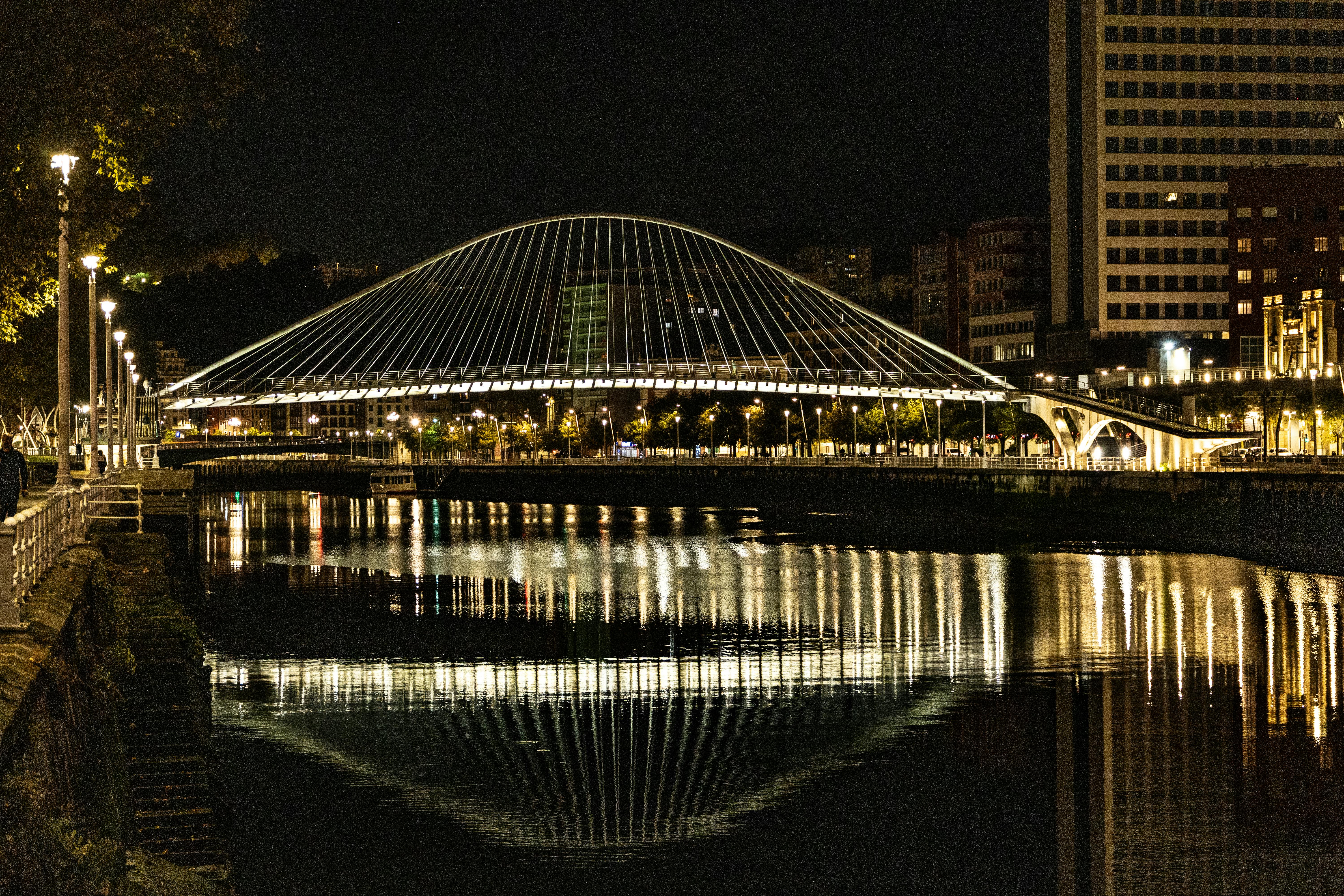
- Top sights: Guggenheim Museum Bilbao, Casco Viejo, Mercado de la Ribera, Zubizuri bridge, Doña Casilda Iturrizar Park, Funicular de Artxanda for city views.
- What to eat: pintxos with txakoli, bacalao al pil-pil, Idiazabal cheese, Basque cheesecake, seasonal seafood.
- Coffee and breakfast picks: Sua San, Café Iruña, Bohemian Lane, and Charamel Gozotegia for pastries.
- Lunch and dinner neighborhoods: Casco Viejo, Plaza Nueva, and the Ensanche around Diputación and Ledesma streets.
If you want a structured cultural start, the Guggenheim Museum guided tour is excellent for understanding both the building and the collection.

For food-minded travelers, Bilbao shines brightest after a local introduction. The Award-Winning Bilbao Food Tour & Wine Pairing by Basque Local or the Authentic Bilbao Pintxos, Food & Wine Tour with a Local are both strong choices.


If you prefer one dramatic day outside the city, the Basque coast is unforgettable. The Dragonstone, Mundaka and Guernica from Bilbao trip is the best fit for travelers who want cliffs, villages, and modern Basque history in a single outing.

Day 1 – Arrive in Bilbao
Morning: This is your travel morning, so keep expectations light and aim simply for an afternoon hotel check-in. If your arrival is especially early, store bags and start with a short river walk rather than a museum sprint.
Afternoon: After check-in, ease into Bilbao with a walk from the Guggenheim exterior along the Nervión River toward Zubizuri and the Ensanche. Even if you save museum interiors for tomorrow, seeing Gehry’s building in changing light is part of the experience; Louise Bourgeois’s giant spider and Jeff Koons’s floral Puppy give the area a playful, monumental scale.
Evening: Start your Spain itinerary properly with pintxos in Casco Viejo. Have an aperitif at Café Iruña, one of Bilbao’s historic cafés, then move toward Plaza Nueva for bar-hopping: look for mushroom pintxos, gildas, cod, and miniature toasts topped with anchovy or jamón. For dinner, choose a more substantial Basque meal at Víctor Montes near Plaza Nueva, where classic ingredients are handled with precision, or keep it flexible with a progressive dinner across several bars.
Food notes: For a late lunch or first snack, stop at Mercado de la Ribera, one of Europe’s great covered markets, where the energy is local and the produce displays are half the attraction. If you want coffee and pastry after arrival, Bohemian Lane is a stylish option with specialty coffee, while Charamel Gozotegia is ideal for something sweet and distinctly local.
Day 2 – Guggenheim, the Old Town, and Basque flavors
Morning: Begin with breakfast at Sua San or a simple coffee-and-pastry stop before heading to the museum district. Visit the Guggenheim with the Guggenheim Museum guided tour, which is especially worthwhile here because the museum is as much about architecture, urban history, and curatorial context as it is about individual artworks.
Afternoon: Walk to the Fine Arts Museum area or continue into Doña Casilda Iturrizar Park for a calmer change of mood. For lunch, choose a proper sit-down meal in the Ensanche: look for seasonal fish, grilled vegetables, and Basque rice dishes, or return to the market for a more informal lunch if you prefer grazing to formality.
Evening: Dedicate the evening to Bilbao’s great social ritual with the Award-Winning Bilbao Food Tour & Wine Pairing by Basque Local. A guided pintxos crawl is not redundant here; it teaches you how locals order, what to drink with what, why some bars specialize in one signature bite, and how Basque cuisine differs from the broader Spanish tapas tradition.
Day 3 – Morning departure to Madrid
Morning: Depart Bilbao for Madrid in the morning. The most efficient choice is usually a direct flight, around 1 hour in the air, though with airport transfers and check-in you should allow 3.5–4.5 hours door to door; fares often start around €35–€120 depending on booking window and luggage. Search schedules on Omio flights. Train is also possible via Omio trains, but typically takes about 4.5–5.5 hours and suits travelers who prefer city-center to city-center travel over speed.
Afternoon: Arrive in Madrid, check in, and take a gentle orientation walk through Barrio de las Letras or around Plaza de Santa Ana. This literary quarter was once the stomping ground of Cervantes and Lope de Vega, and it remains one of the most pleasant neighborhoods for first-day wandering, with historic facades, tiled quotes in the pavement, and excellent café density.
Evening: Keep the first Madrid night atmospheric rather than ambitious. Have dinner at a classic taberna in the center and order croquetas, tortilla española, jamón ibérico, and a glass of vermouth or Rioja. If energy allows, walk toward Plaza Mayor and the Royal Palace precinct after dark, when Madrid’s monumental core feels theatrical and almost stage-lit.
Madrid
Madrid does not seduce in a single image the way some cities do; it wins by accumulation. One perfect museum room leads to a leafy boulevard, then to a market snack, then to a plaza full of conversation, then to dinner at 10:00 p.m. that somehow feels exactly right.
Historically, it became capital in the 16th century under Philip II, a political decision that turned a modest Castilian town into the center of empire. Today, the city carries that legacy in the Royal Palace, grand civic spaces, and world-class collections, but its greatest pleasure is often ordinary life elevated: aperitivo culture, neighborhood bakeries, and the confidence with which Madrileños occupy their streets.
For accommodations, central Madrid gives you the most freedom. Consider The Westin Palace, Madrid for museum access and classic prestige, Gran Meliá Palacio de los Duques near the Royal Palace for a refined base, or Novotel Madrid Center if you want strong transport connections. Budget-conscious travelers can look at Room007 Ventura Hostel or Hostal Persal, and apartment options are easy via VRBO Madrid.
- Top sights: Royal Palace, Prado Museum, Plaza Mayor, Puerta del Sol, Retiro Park, Gran Vía, Mercado de San Miguel, Barrio de las Letras.
- What to eat: bocadillo de calamares, tortilla, croquetas, callos, roast meats, churros with chocolate, vermouth on tap.
- Coffee and breakfast picks: HanSo Café, Toma Café, La Mallorquina for pastries, and Chocolatería San Ginés for a classic indulgence.
- Best evening zones: La Latina, Huertas, Chamberí, and the streets around Plaza de Santa Ana and Cava Baja.
For major sightseeing, the Royal Palace Guided Tour with Skip the Line Ticket and the Prado Museum Guided Tour with Skip-the-Line Ticket are the two most useful foundational experiences for a short stay.


For evening culture, Madrid and flamenco make a memorable pairing. The intimate Essential Flamenco: Pure Flamenco Show in the Heart of Madrid is particularly good if you want artistry over spectacle.

If you would like one day beyond the capital, the From Madrid: Segovia & Toledo with Alcazar and Cathedral tour offers the strongest historical payoff for a short trip.

Day 4 – Royal Madrid, the Prado, and a flamenco night
Morning: Have breakfast at La Mallorquina if you want old-school Madrid pastry culture, or at Toma Café for more serious coffee. Then join the Royal Palace Guided Tour with Skip the Line Ticket. The palace is not merely opulent; it is a lesson in dynastic image-making, with ceremonial rooms that show how monarchy staged power through decoration, scale, and choreography.
Afternoon: After lunch in the old center, head to the Prado with the Prado Museum Guided Tour with Skip-the-Line Ticket. In a short trip, a guided visit is valuable because the museum’s collection is vast; it helps you focus on Velázquez, Goya, Bosch, Rubens, and the political and religious worlds their paintings inhabited.
Evening: Reserve the night for the Essential Flamenco show. Beforehand, have dinner in Huertas or La Latina: order classics like grilled artichokes, Iberian pork, anchovies, and seasonal mushrooms if available. Flamenco in Madrid is not native in the way it is to Andalusia, but the city has long been one of the country’s great performance stages, and a good venue delivers intensity at close range.
Food notes: For lunch, look for a traditional dining room serving cocido madrileño in season or refined tapas near the literary quarter. For a late sweet finish, Chocolatería San Ginés remains the classic for churros and thick hot chocolate; yes, it is famous, but the ritual is worth it, especially late at night when Madrid still feels wide awake.
Day 5 – A final Madrid morning and departure
Morning: Spend your last morning in a way that suits your interests. If you want one last major sight, stroll through Retiro Park and the area around the Palacio de Cristal; if you prefer local life, browse markets and shops around Chamberí or Salamanca. Another excellent final option is an old-town wander through Plaza Mayor, Puerta del Sol, and the lanes behind them, where Madrid’s layers feel most visible.
Afternoon: Enjoy an early lunch before heading to the airport or station for your afternoon departure. A final meal of tortilla, croquetas, and a glass of vermouth is a fitting farewell, but if you want something quick and classic, a bocadillo de calamares near Plaza Mayor is one of Madrid’s most enduring local signatures.
Evening: Departure.
This 5-day Bilbao and Madrid itinerary gives you two very different Spains in one coherent route: Basque creativity and culinary finesse first, then imperial history, museum grandeur, and the unmistakable pulse of the capital. It is a compact trip, but not a rushed one, and it leaves just enough unfinished business to make a return to Spain feel less like a possibility than a plan.