
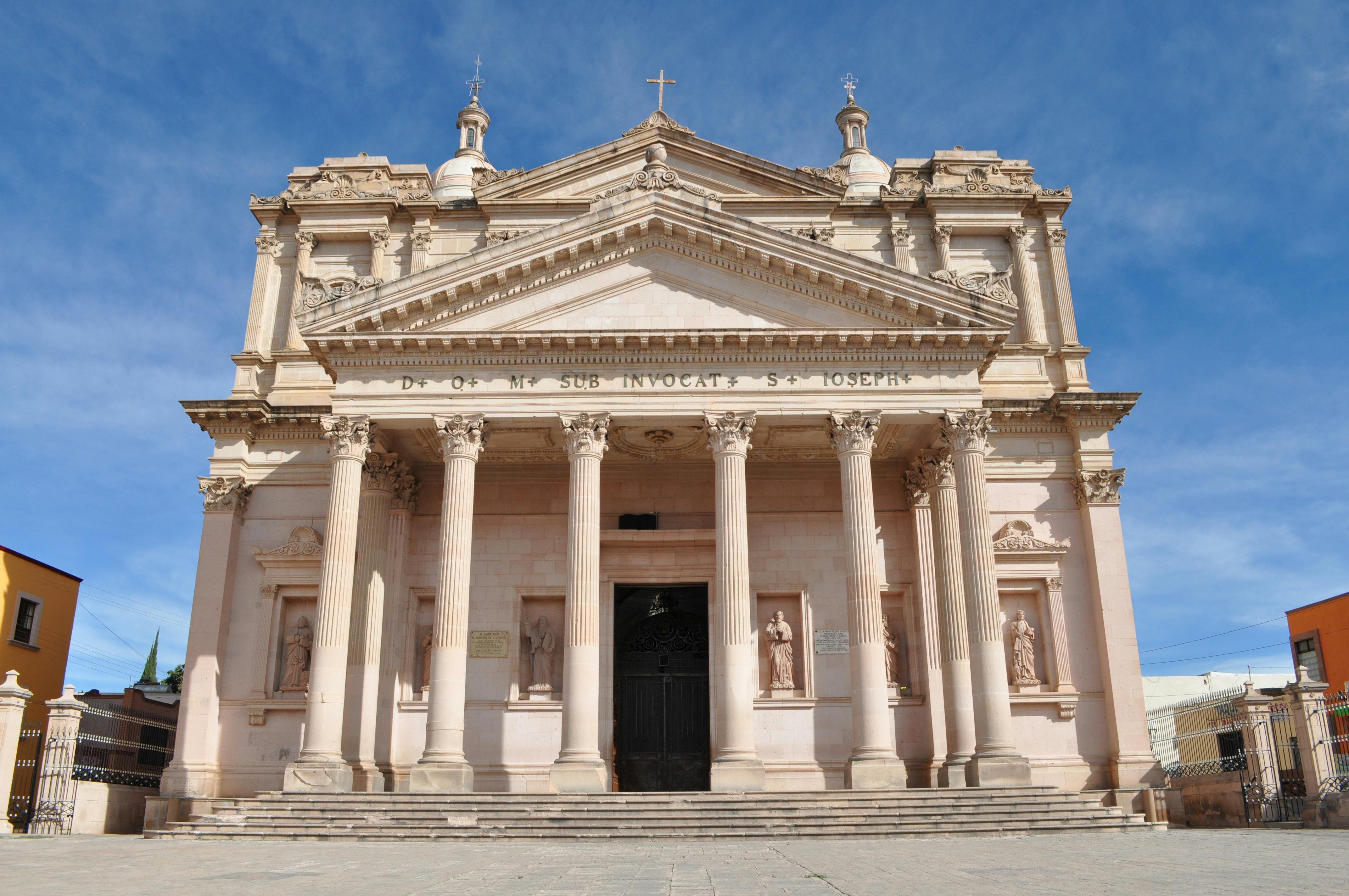
San José, Costa Rica, sits in the Central Valley at the country’s political and cultural heart, framed by green mountains and shaped by coffee wealth, democratic stability, and a strong artistic tradition. Though many travelers rush through on their way to beaches or rainforests, the capital rewards anyone who pauses long enough to look past first impressions.
The city’s story is told in grand theaters, gold collections, bustling markets, and elegant 19th-century buildings that recall the era when coffee exports transformed Costa Rica. One of the country’s most useful travel truths is this: San José is less about postcard perfection and more about texture—bookstores, soda lunches, roasteries, parks, and neighborhoods where daily life unfolds with confidence and warmth.
For a 4-day trip, it makes sense to stay based in San José and explore both the capital and nearby highland scenery without wasting time changing hotels. Practical note: traffic can be heavy, afternoons often bring rain in some seasons, and the safest approach is to use registered transport, avoid flashing valuables, and plan major outdoor walks earlier in the day; in return, you get excellent coffee, hearty Costa Rican cuisine, and easy access to some of the country’s most rewarding urban culture.
San José
San José is Costa Rica’s capital, but it rarely behaves like a city trying to impress with a single monument. Its appeal is cumulative: the National Theatre, the Pre-Columbian Gold Museum, Barrio Escalante’s food scene, La Sabana’s broad parkland, and the everyday energy of markets and cafés.
This is also one of the best places to understand Costa Rica beyond eco-lodge shorthand. In a few square miles, you can trace the nation’s coffee history, admire indigenous artistry in gold and jade, eat a proper casado for lunch, and finish the night with craft cocktails or a live performance.
For accommodations, start with Hotel Grano de Oro, one of the city’s best-known boutique stays, beloved for its refined old-house atmosphere and polished service. For a social, more budget-minded option, Selina San José works well for travelers who like a central base and casual energy, while Hilton Garden Inn San José La Sabana is a convenient pick near the park with dependable business-hotel comfort; you can also browse broader options on VRBO San José or Hotels.com San José.
For flights into Costa Rica, use Trip.com flights or Kiwi.com flights to compare routes into Juan Santamaría International Airport. The airport is usually 25-45 minutes from central San José depending on traffic; private airport transfers toward the coast are also available via Viator if you later continue your trip, including this Shuttle From San Jose Airport To Jaco Beach or From Jaco Beach.
If you want to add a bookable activity during your city stay, these Viator options fit best with a short itinerary: the Turkish Mosaic Lamp Making Workshop, Pressed Flower Art, San Jose Ghost Tour: The Scythe, Sacrifice, & Silhouette, and the Silicon Valley Private 2-Hour Driving Tour. The supplied Viator inventory is imperfect for Costa Rica, so I recommend treating these as optional booking links rather than core destination-defining experiences.


Day 1: Arrival, Downtown San José, and a First Taste of the Capital
Morning: This is your arrival day, so keep the morning flexible for flight time and airport formalities. Before travel, confirm your route on Trip.com flights or Kiwi.com flights; most travelers arriving this day will reach central San José in the afternoon.
Afternoon: Check in and settle into your hotel, then begin with an easy orientation walk through central San José. Start around Plaza de la Cultura and the exterior of the National Theatre, a stately 1897 landmark funded by coffee-era ambition, then continue to the Pre-Columbian Gold Museum, where beautifully worked animal and ritual pieces offer one of the clearest introductions to indigenous Costa Rica.
Afternoon: If you want a late lunch, head to the Central Market area and order a classic casado or olla de carne at a traditional soda. Try Soda Tala for a no-nonsense local meal, or look for a counter serving gallo pinto, fresh tropical juice, and arroz con pollo; this is the sort of lunch locals actually eat, and it gives you a stronger sense of place than a generic tourist restaurant ever could.
Evening: For dinner, make your way to Barrio Escalante, San José’s most reliable dining district. Al Mercat is a strong first-night pick for modern Costa Rican cooking with careful plating, while Isolina offers a more intimate setting and thoughtful regional ingredients; if you prefer something casual, Apotecario and nearby cafés and bars give you a lively but not overwhelming introduction to the neighborhood.
Evening: If energy permits, finish with a gentle stroll or a cocktail rather than a late night. Arrival days in San José are best kept simple, because the city works better when you have enough attention left to notice details—old facades, coffee aromas, evening conversations spilling out onto the sidewalk.
Day 2: Museums, Coffee, and the Historic Core
Morning: Begin with breakfast and coffee at Caféoteca, one of the city’s best places to understand Costa Rica’s coffee culture by the cup. Order a pour-over from Tarrazú or West Valley beans and pair it with a pastry or light breakfast; the staff often explain the beans with real enthusiasm, which makes this more than just a caffeine stop.
Morning: After breakfast, visit the National Museum of Costa Rica, housed in the former Bellavista Barracks. The building itself matters as much as the exhibits: this is where you feel Costa Rica’s unusual modern history, including the abolition of the army in 1948, a decision that still shapes national identity and helps explain the country’s emphasis on education and public institutions.
Afternoon: Continue to the Jade Museum if archaeology and design interest you. Its collection is broad, well interpreted, and especially useful for understanding symbolism, trade, and craftsmanship in pre-Columbian societies; together with the Gold Museum, it gives your San José itinerary real depth.
Afternoon: For lunch, try Nuestra Tierra near downtown for dependable Costa Rican staples in generous portions, or seek out La Esquina de Buenos Aires if you want a longer, more polished meal with excellent grilled meats in a house filled with old-world atmosphere. If you prefer a quick break, grab an empanada and fresh fruit juice nearby and save room for a more substantial dinner.
Evening: Spend the evening in Barrio Amón and Otoya, where some of the city’s most attractive historic architecture survives. This area feels quieter and more reflective than central downtown, with grand homes from the coffee boom era, art spaces, and a slower rhythm that makes it ideal for wandering before dinner.
Evening: For dinner, book Restaurante Silvestre, one of San José’s standout tables, known for thoughtful Costa Rican ingredients and a menu that treats national cuisine seriously without turning stiff. If you want something more relaxed, Conservatorium offers a fashionable setting with good cocktails, and Franco provides a pleasant terrace atmosphere for wine, small plates, and people-watching.
Day 3: La Sabana, Markets, and a Scenic Highland Escape
Morning: Start with breakfast in La Sabana or en route westward; a hotel breakfast is fine today, but if you want a proper café stop, look for a specialty coffee bar before heading out. Spend the first part of the morning at La Sabana Metropolitan Park, often called the city’s lungs, where locals jog, walk, and gather beneath broad trees with the skyline rising behind them.
Morning: If you enjoy art, continue to the Costa Rican Art Museum on the edge of the park. It is manageable in size and especially rewarding for travelers who like seeing how a nation represents itself visually across the 20th century and beyond.
Afternoon: For your afternoon, take a short excursion into the hills above the city toward Escazú or Santa Ana, roughly 25-40 minutes by car depending on traffic. This shift in altitude and atmosphere is one of San José’s pleasures: suddenly the capital gives way to views, cooler air, and restaurants with a more residential, affluent feel.
Afternoon: Have lunch at a traditional restaurant in Escazú where you can order chifrijo, chorreadas, or grilled meats with mountain views, or choose a more contemporary bistro in Santa Ana if you want a lighter meal and a polished setting. These districts are useful precisely because they show another side of metropolitan San José—less hurried, greener, and easier to enjoy at length.
Evening: Return to the city for dinner at Furca, much admired for fire-driven cooking and excellent steaks, or opt for a seafood-forward meal at a respected modern Costa Rican restaurant if you want variety after two days of heavier classics. If you still have energy, this is the best night to add the optional San Jose Ghost Tour: The Scythe, Sacrifice, & Silhouette, which works as a theatrical, history-tinged evening activity rather than a must-see attraction.
Day 4: Souvenirs, Last Coffee, and Departure
Morning: Keep your final morning close to your hotel and airport timing. If you have not yet visited the Central Market properly, this is a good moment to return for coffee, spices, sweets, and souvenir browsing; look for local coffee beans, wooden crafts, and edible gifts that travel well.
Morning: For breakfast, choose a final plate of gallo pinto with eggs, sweet plantains, and fresh cheese at a traditional soda, or go back to a favorite café for one last excellent Costa Rican brew. A short final walk around the National Theatre area or through a nearby pedestrian avenue is a pleasant way to say goodbye to the city.
Afternoon: Check out and transfer to Juan Santamaría International Airport, allowing generous time because traffic toward the airport corridor can be unpredictable. For future onward planning, compare return options on Trip.com flights or Kiwi.com flights.
Evening: Most travelers will be in transit by evening, but if your departure is later than expected, keep things simple with an early lunch near your hotel or the airport road rather than attempting one last major sight. San José is best left with a little margin built in.
In four days, San José reveals itself as far more than a stopover: it is a capital of museums, coffee, markets, and layered national history. This itinerary gives you a balanced Costa Rica city break with enough culture to feel grounded and enough ease to make you want to return for the mountains, volcanoes, and coasts beyond.