
4 Days in Rome: Ancient Ruins, Vatican Treasures, and Trastevere Evenings
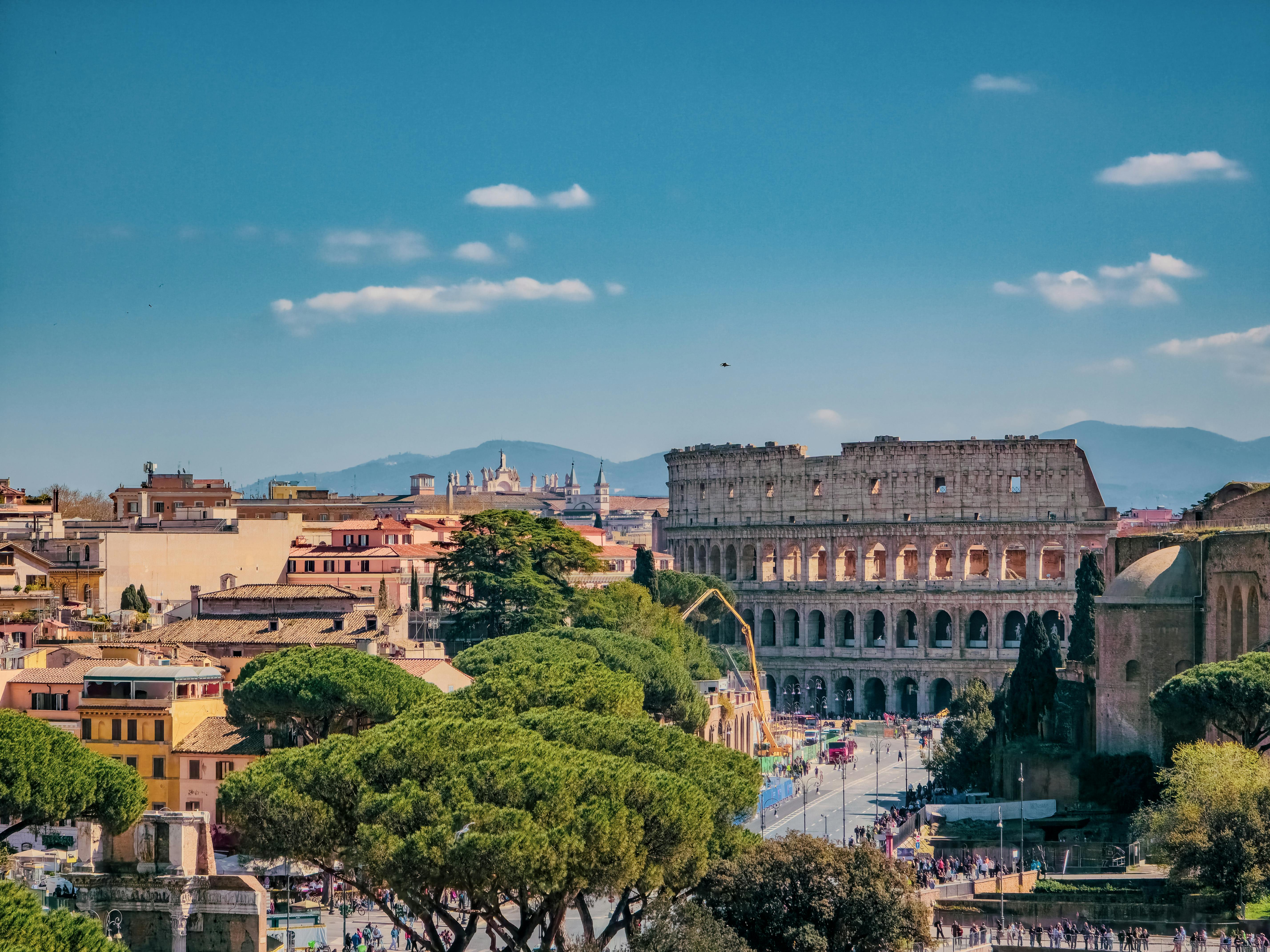
Rome is one of those rare cities where 2,000 years of history sit in plain view. A morning walk can take you from ancient temples to Baroque fountains to Renaissance palaces, often within the same half hour. For a 4-day trip, it makes the most sense to focus on Rome alone, giving you time to see its headline sights without reducing the city to a checklist.
Founded, according to legend, in 753 BCE, Rome grew from a small settlement on the Tiber into the capital of an empire that shaped law, engineering, language, and urban life across Europe and the Mediterranean. Today, the city’s great pleasures are not only the Colosseum, the Vatican Museums, and St. Peter’s Basilica, but also everyday Roman rituals: a quick espresso at the bar, an aperitivo in a piazza, and dinner that starts later than many visitors expect.
Practical notes matter here. Reserve major attractions well in advance, especially the Colosseum and Vatican Museums, wear comfortable shoes for cobblestones, and keep expectations realistic about crowds around the Trevi Fountain, Pantheon, and Spanish Steps. Roman cuisine rewards curiosity: try cacio e pepe, carbonara, amatriciana, fried artichokes when in season, and supplì—Rome’s beloved fried rice croquette with a molten center.
Rome
Rome is not a museum-city frozen behind velvet ropes; it is noisy, layered, opinionated, and gloriously alive. One street offers imperial ruins, the next a tiny wine bar, the next a church containing a Caravaggio that many cities would build an entire tourism campaign around.
For a first visit, it helps to think of Rome in clusters. The ancient core—Colosseum, Roman Forum, Palatine Hill, Capitoline Hill—reveals the bones of the empire. The historic center delivers fountains, piazzas, the Pantheon, and long wandering walks. Vatican City brings one of the world’s great art collections, while Trastevere offers a more intimate Roman mood after dark.
Rome also rewards strategic eating. Breakfast is often light, lunch can be your pause near a major site, and dinner is worth planning carefully. A good Roman meal is not just fuel between monuments; it is part of the destination’s intellectual and sensory pleasure.
Where to stay: If you want classic polish near the Spanish Steps and Via Veneto, Hotel Eden, Dorchester Collection is one of Rome’s grand addresses. For a warm stay in Trastevere, Hotel Santa Maria is a perennial favorite set around a peaceful courtyard. If you prefer a location near the Roman Forum and Colosseum area, Kolbe Hotel Rome is especially convenient. You can also browse broader options via VRBO Rome or Hotels.com Rome.
Getting there: Rome is served primarily by Fiumicino Airport, with Leonardo Express trains running to Roma Termini in about 32 minutes, usually around €14. For flights into Europe, compare options on Omio. For rail connections within Europe, use Omio trains; it is especially useful if you are adding Italy travel before or after Rome.
Day 1: Arrival and a First Taste of the Historic Center
Morning: This is your travel morning, so keep expectations light. If you arrive at Fiumicino, take the Leonardo Express to Roma Termini, then check in and freshen up. If your hotel room is not ready, leave bags and start with an unhurried orientation walk rather than a major-ticket attraction.
Afternoon: Begin in the Centro Storico, where Rome introduces itself with unusual confidence. Start at the Pantheon, originally commissioned under Agrippa and rebuilt under Emperor Hadrian, still astonishing for the perfect proportion of its dome and the oculus that opens the building to the sky. Then continue to Piazza Navona, once the Stadium of Domitian, now one of the city’s most theatrical public spaces, lined with cafés and crowned by Bernini’s Fountain of the Four Rivers.
For a late lunch, try Armando al Pantheon, long respected for deeply traditional Roman cooking, especially amatriciana and tender braised dishes; it is one of those places where the fame is justified because the kitchen remains serious. If you want something a little more casual nearby, Achille Al Pantheon di Habana is reliable for Roman staples and people-watching near the monument. For coffee, take a short detour to La Casa del Caffè Tazza d’Oro, beloved for its granita di caffè con panna and strong espresso, or Sant’Eustachio Il Caffè, whose sweet, crema-topped espresso has inspired loyal debate for years.
Evening: As the light softens, walk to the Trevi Fountain. Yes, it is crowded, but it remains worth seeing at dusk, when the marble glows and the fountain feels more theatrical than photographic. Continue toward the Spanish Steps and Piazza di Spagna, a fine area for your first Roman passeggiata.
For dinner, book Roscioli Salumeria con Cucina, one of Rome’s most admired tables, where the pantry-like setting, exceptional cured meats, and textbook pasta attract both locals and informed visitors. Another excellent first-night choice is Emma, especially if you want Roman thin-crust pizza, strong seasonal ingredients, and a polished but relaxed room. If you still have energy afterward, end with gelato at Gelateria del Teatro, known for inventive flavors made with fresh herbs, nuts, and fruit rather than candy-colored gimmicks.
Day 2: Colosseum, Roman Forum, and Monti
Morning: Start early at the Colosseum, ideally with pre-booked timed entry. The building’s scale is only part of its power; what lingers is the sophistication of Roman engineering and crowd management, from numbered entrances to subterranean staging systems. Pair it with the Roman Forum and Palatine Hill, where the political, religious, and domestic life of ancient Rome comes into focus among arches, basilicas, and imperial residences.
Before entering, take breakfast at La Licata or a quick Roman pastry-and-coffee stop near your hotel; in Rome, breakfast is often simple and best kept efficient before major sightseeing. If you prefer a more deliberate café stop after the ruins, head into Monti for La Casetta a Monti, a pleasant option for coffee, cakes, and a slower reset after the archaeological intensity of the morning.
Afternoon: For lunch, Ai Tre Scalini in Monti is a strong choice for a platter of cheeses and cured meats, Roman dishes, and a glass of wine in one of the city’s most likable neighborhoods. Another favorite is Mimi e Coco Trast if you drift elsewhere later, but Monti is ideal after the Forum because it feels residential, creative, and close by. Spend your afternoon visiting Capitoline Hill for one of the best views over the Forum, then continue to the Capitoline Museums if you want a compact but important art and sculpture collection, including the equestrian statue of Marcus Aurelius and the Capitoline Wolf.
If you would rather spend less time indoors, use the late afternoon for a neighborhood walk through Monti. Its lanes offer small boutiques, artisan shops, and that increasingly rare sensation in central Rome: the feeling that people still live ordinary lives between the monuments.
Evening: Stay in Monti for dinner at Trattoria Al Tettarello if you want a more traditional feel, or book Cuoco & Camicia for a more contemporary kitchen that still respects local ingredients. For Roman classics, look for cacio e pepe, carbonara, and saltimbocca; this is the night to compare styles and notice how even simple pasta depends on precision.
After dinner, have a drink at Blackmarket Hall or another low-lit Monti bar for a more local evening than the obvious piazza circuit. If you prefer views, take a taxi up to the Terrazza del Pincio before dinner instead and watch the city’s domes and rooftops sink into blue hour. Rome does beauty especially well when you are not hurrying.
Day 3: Vatican City and Trastevere
Morning: Dedicate this morning to Vatican City. Book the earliest available entry to the Vatican Museums to stay ahead of the heaviest crowds and give yourself the best chance of experiencing the galleries with some breathing room. The route is long, but the highlights are genuinely world-class: the Raphael Rooms, classical sculpture, maps, tapestries, and finally the Sistine Chapel, where Michelangelo’s ceiling still has the force to quiet even a noisy crowd.
For breakfast nearby, Sciascia Caffè 1919 is a handsome old-school option known for polished Roman coffee culture and chocolate-touched espresso drinks. If you want something simpler and quicker, a cornetto and cappuccino at a neighborhood bar works perfectly well; in Rome, this is less a compromise than the local norm.
Afternoon: Continue into St. Peter’s Basilica, one of the defining church interiors in the world, filled with astonishing scale and major works including Michelangelo’s Pietà. If the line and timing suit you, climb the dome for a remarkable view across Rome’s terracotta roofs and church cupolas. For lunch, Pizzarium by Gabriele Bonci is a famous and still worthy stop for pizza al taglio sold by weight, with toppings that range from classic potato and rosemary to more inventive seasonal combinations. It is ideal for a flexible sightseeing day because you can sample several slices without committing to a full sit-down meal.
Later, cross the Tiber into Trastevere. On the way, consider a pause at Castel Sant’Angelo from the outside, a structure that has been mausoleum, fortress, refuge, and symbol of papal power. Once in Trastevere, visit Santa Maria in Trastevere, one of Rome’s oldest churches, known for glittering mosaics and a square that becomes especially animated in the late afternoon.
Evening: Trastevere is made for dinner. Da Enzo al 29 is small, deservedly popular, and excellent for Roman Jewish and Roman classic dishes such as carciofi, meatballs, and pasta; go early or prepare to wait. Tonnarello is better known and busier, but still enjoyable for a lively first-time Trastevere evening if you want big portions and a festive room. For a more refined option, Osteria Fernanda offers a creative tasting-menu style that shows Rome can be forward-looking without losing its identity.
After dinner, have a drink at Freni e Frizioni, one of the city’s classic aperitivo spots, or walk up to the Gianicolo Hill overlook if you want a romantic panorama rather than a bar scene. The view over Rome at night reminds you that this city was built to be looked at from both street level and above.
Day 4: Campo de' Fiori, Jewish Ghetto, and Departure
Morning: On your final full morning, keep things concentrated and satisfying. Start around Campo de' Fiori and the Jewish Ghetto, one of the most historically rich quarters in Rome. The market itself is more atmospheric than essential for serious shopping, but the surrounding streets are excellent for wandering and understanding how layered Roman life is—ancient remains, medieval streets, Renaissance planning, and modern daily routines all in one compact area.
For breakfast, go to Forno Campo de' Fiori for fresh pizza bianca, pastries, and a standing coffee stop that feels entirely Roman. Then walk to the Portico d’Ottavia and through the Ghetto, where Jewish Roman history stretches back more than two millennia. If you have time and interest, stop by Teatro di Marcello, often compared to a smaller Colosseum, and admire how seamlessly antiquity survives in ordinary urban fabric.
Afternoon: For lunch before departure, choose Ba'Ghetto if you want to explore Rome’s distinctive Jewish-Roman cooking, especially fried artichokes when available and richly flavored traditional dishes that tell the story of the neighborhood. Another excellent option is Piperno, long respected and more formal, with a menu that elegantly represents this culinary tradition. After lunch, retrieve your bags and head to the airport or station.
If departing from central Rome to Fiumicino, budget roughly 32 minutes on the Leonardo Express from Termini, plus transfer time to the station; if taking a taxi, travel time varies widely with traffic but often runs 40–60 minutes. For onward European flights or rail, compare schedules on Omio flights and Omio trains. Leaving Rome is never pleasant, but at least it is usually straightforward.
Evening: This is your departure window. If your schedule shifts later than expected, use any extra time for one last espresso or gelato rather than trying to cram in another museum. Rome is best remembered not as a frantic list of monuments, but as a city of textures: stone, bells, espresso cups, fountain spray, and twilight over warm-colored facades.
In four days, Rome gives you an extraordinary cross-section of antiquity, faith, art, and neighborhood life. You will leave having seen the essential landmarks, but just as importantly, having tasted the city properly—through coffee bars, trattorias, evening walks, and the small rituals Romans still keep alive. That balance is what makes a short Rome itinerary feel rich rather than rushed.