
4 Days in Paris: A Refined City Break Itinerary for Art, Cafés, and Iconic Sights
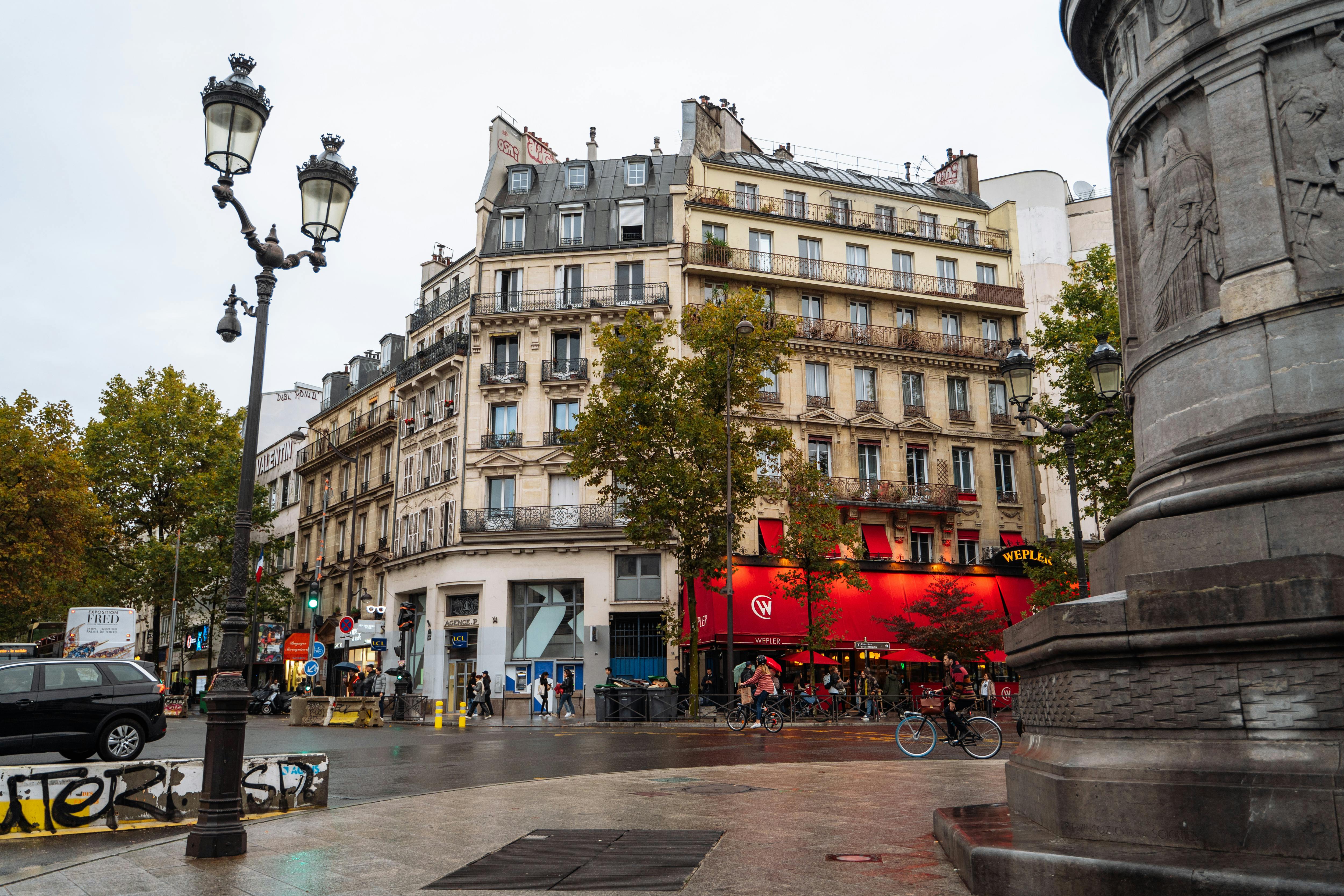
Paris has spent two millennia learning how to entrance a visitor. From its Roman origins on the Île de la Cité to its long reign as a center of art, revolution, fashion, and food, the French capital wears its history in stone façades, church towers, iron bridges, and broad boulevards cut by Baron Haussmann in the 19th century.
It is also a city of delicious contradictions. Paris can be grand and ceremonial at the Eiffel Tower or the Louvre, then suddenly intimate in a candlelit bistro, a pocket garden, or a bakery perfuming the street with butter and sugar before dawn.
For practical notes, Paris is easy to navigate by Metro, walking, and occasional taxis, though advance reservations are wise for major museums, the Eiffel Tower, and popular restaurants. Keep an eye on pickpockets in crowded transport hubs and around headline attractions, dine later than in many U.S. cities, and leave room for the small rituals that make a Paris itinerary memorable: morning coffee at the counter, a lingering lunch, and an evening stroll along the Seine.
Paris
Paris is one of the rare cities where the famous sights genuinely deserve their reputation. The Eiffel Tower still startles, the Louvre is inexhaustible, Notre-Dame remains the spiritual and geographic heart of the city, and neighborhoods such as Saint-Germain-des-Prés, Le Marais, and Montmartre reward wandering as much as checklist sightseeing.
This 4 day Paris itinerary keeps you in one city, which is the right choice for a short stay. With only four days, you will experience Paris more deeply by pairing headline monuments with excellent cafés, thoughtful museum time, classic brasseries, and atmospheric evening walks rather than rushing into day trips that eat up precious hours.
Where to stay: For a classic first trip, consider Hotel du College de France in the Latin Quarter for a smart, central base near the Seine and Sorbonne. For Montmartre character, Hôtel des Arts Montmartre is a strong pick; for a polished Right Bank stay, Hôtel des Grands Boulevards works well; and for broader options, browse VRBO Paris or Hotels.com Paris.
Getting there: For flights into Paris from within Europe or from European gateways, compare schedules on Omio flights. If you are arriving by rail from another European city, use Omio trains; major stations such as Gare du Nord, Gare de Lyon, and Montparnasse connect efficiently to the Metro and taxis. From Charles de Gaulle Airport, expect roughly 45 to 75 minutes into central Paris depending on RER, taxi, and traffic; from Orly, often 30 to 50 minutes.
Viator ideas to consider during this stay:
- Louvre Museum Masterpieces Guided Tour with Access for a focused introduction to the museum’s essential works.
- Eiffel Tower Dedicated Reserved Access Top or 2nd floor by lift if you want to avoid the uncertainty of same-day entry.
- Early Access Paris Notre Dame Cathedral Walking Tour for historical context in the oldest quarter of the city.
- Bateaux Parisiens Seine River Gourmet Dinner & Sightseeing Cruise for a celebratory final evening.


Day 1: Arrival, the Seine, and a First Taste of Paris
Morning: This is your travel day, so keep the morning focused on arrival logistics and an easy transfer into the city. If you have not yet booked transport, compare options on Omio flights or Omio trains, then aim for a hotel in a walkable neighborhood so your first afternoon begins gently rather than with luggage headaches.
Afternoon: After check-in, ease into Paris with a stroll through the Latin Quarter and over to the Seine. If you are staying near Saint-Germain or the Sorbonne, begin with coffee at Café de Flore for literary mythology and people-watching, or choose Terres de Café for a more modern, specialty-coffee approach; for a late lunch, try Le Comptoir du Relais area for bistro atmosphere, or Les Deux Magots if you want the full Left Bank tableau with history at the table.
Afternoon: Continue toward Île de la Cité and the exterior of Notre-Dame, then walk the bookstalls along the river and through Square Jean XXIII if open access is available. This first walk matters because it introduces the Paris of river light, bridges, bells, and stone, the version of the city that makes even a jet-lagged traveler suddenly attentive.
Evening: Take the Paris Seine River Sightseeing Cruise with Commentary by Bateaux Parisiens near sunset if you want an efficient, beautiful orientation to the city. From the water, Paris reads like a procession of masterpieces: the Musée d'Orsay, the Louvre, Notre-Dame, and the Eiffel Tower appearing one after another with almost theatrical precision.
Evening: For dinner, reserve at Le Bon Saint Pourçain in Saint-Germain for polished traditional cooking in a warm old-Paris room, or head to Josephine Chez Dumonet for textbook French comfort dishes such as boeuf bourguignon and grand Marnier soufflé. If you want something lighter after travel, dine at Semilla, where the menu is contemporary French and the room buzzes without feeling formal.
Day 2: Louvre, Tuileries, and the Eiffel Tower
Morning: Start early with coffee and breakfast at Café Verlet for old-school elegance and serious coffee, or pick up a buttery pastry from a trusted bakery near your hotel before heading to the museum. Then devote your morning to the Louvre Museum Masterpieces Guided Tour with Access, which is ideal for a short Paris city break because the Louvre is too vast to conquer alone on a first visit.
Morning: A guided visit helps you understand not just what you are seeing, but why these works matter: the Mona Lisa as a cultural phenomenon, the Winged Victory as an emblem of movement, and the Venus de Milo as a fragment that somehow became complete in the public imagination. Without guidance, many travelers spend half their time navigating corridors rather than experiencing the museum.
Afternoon: After the Louvre, walk through the Tuileries Garden toward Place de la Concorde. For lunch nearby, try Café Marly if you value the setting and want a terrace facing the museum arcades, or go to Le Soufflé for a distinctly Parisian meal centered on both savory and sweet soufflés, one of those slightly theatrical French pleasures that still feel grounded in tradition.
Afternoon: Continue up the Champs-Élysées only briefly if you are curious, but consider turning instead toward Avenue Montaigne or the Seine for a calmer and more elegant route to the 7th arrondissement. Build in a rest at your hotel before the evening, because Paris rewards pacing and the Eiffel Tower deserves your energy.
Evening: Time your visit with the Eiffel Tower Dedicated Reserved Access Top or 2nd floor by lift. Even travelers certain it will be overhyped often find the opposite: Gustave Eiffel’s 1889 iron lattice still feels audacious, and the view explains the city’s logic in an instant, from the radiating boulevards to the dome of Les Invalides and the white crest of Sacré-Cœur in the distance.
Evening: For dinner, choose Les Cocottes by Christian Constant for refined comfort cooking near the tower, or Bistro Saint-Dominique for a lively, unfussy meal in a neighborhood full of locals and repeat visitors. End with the Champ de Mars or Trocadéro perspective for the tower’s glittering lights, but do not linger carelessly with valuables, as this area attracts opportunistic theft after dark.
Day 3: Notre-Dame, Le Marais, and Montmartre
Morning: Begin with breakfast at Maison d’Isabelle if you are near the Latin Quarter and want one of the city’s admired croissants, or at Fragments if you prefer specialty coffee with a contemporary crowd in the Marais. Then join the Early Access Paris Notre Dame Cathedral Walking Tour for a richer understanding of the island where Paris began.
Morning: The appeal here is not only access but narrative. You will better appreciate how medieval Paris grew around church, market, monarchy, and river trade, and why the cathedral remains central to the city’s identity after fire, restoration, and centuries of upheaval.
Afternoon: Move into Le Marais for lunch. L’As du Fallafel is the famous casual stop on Rue des Rosiers if you want a fast, flavorful meal with neighborhood energy, while Chez Janou offers Provençal cooking and a beautiful courtyard feel; save room if possible for its much-loved mousse au chocolat, served generously enough to feel almost comic.
Afternoon: Spend the rest of the afternoon wandering Le Marais’s aristocratic mansions, independent boutiques, and old Jewish quarter streets, then make your way to Montmartre. Instead of racing from sight to sight, allow yourself time on stairways, side lanes, and small squares, because Montmartre’s real pleasure is its village texture beneath the fame of Sacré-Cœur.
Evening: In Montmartre, visit Sacré-Cœur in the late afternoon or early evening light, then walk through Place du Tertre and the quieter backstreets that painters, singers, and drifters once made notorious. For dinner, book Le Relais Gascon for hearty southwest French fare, or La Mascotte if you want a classic brasserie known for seafood and a buzzing local rhythm rather than a tourist performance.
Evening: If you would like a nightcap, seek out a proper wine bar or simply take espresso on a terrace and watch the hill empty. Montmartre after dinner can be magical when you step just a few streets away from the souvenir rows and find the stillness that once drew Picasso, Modigliani, and countless hopeful artists uphill.
Day 4: Parisian Rituals, a Final Museum or Market, and Farewell Dinner
Morning: On your final full morning, slow down and enjoy one of Paris’s greatest pleasures: breakfast without hurry. If you want a memorable hands-on activity, book the Paris Croissant Small-Group Baking Class with a Chef, which offers a delightful contrast to monument-hopping and leaves you with a practical souvenir more interesting than anything sold near the Eiffel Tower.
Morning: If you prefer independent exploring, spend the morning at Musée d'Orsay for Impressionism and a glorious former railway-station setting, or browse Rue Cler market street for cheese, fruit, pastries, and edible gifts. This is a good moment to experience everyday Paris rather than another major attraction.
Afternoon: Because departure is in the afternoon, keep this section flexible and close to your hotel or airport route. Enjoy a final lunch at Bouillon Chartier for Belle Époque ambience and old-fashioned value, or at Bistrot Paul Bert if your timing and reservation align and you want a classic bistro send-off with excellent steak-frites and a serious wine list.
Afternoon: If time allows before collecting bags, take one last walk through the Palais-Royal gardens or along the Seine embankments. Paris has a way of clarifying itself at the end of a trip: the city becomes less about monuments checked off and more about recurring pleasures, the bakery you returned to, the bridge you crossed twice, the view that changed with the hour.
Evening: If your schedule allows for a final meal before a later departure, make it memorable with the Bateaux Parisiens Seine River Gourmet Dinner & Sightseeing Cruise or the Bateaux Mouches Dinner Cruise on the Seine River in Paris. A dinner cruise can sound obvious on paper, yet on a final night it works beautifully: Paris lit from the river feels ceremonial, and the city seems to present itself one last time before you go.
This 4-day Paris itinerary is designed to give you the city’s great signatures without reducing the trip to a blur of queues and photos. You will leave with the essentials firmly experienced, but also with something better: a sense of Parisian rhythm, from museum mornings and café lunches to evening light on the Seine.
In a city celebrated for romance, art, architecture, and food, the real triumph is balance. Four days is enough to fall under Paris’s spell, provided you move with curiosity, reserve wisely, and keep space for the unplanned pleasures that always become the stories you remember most.