
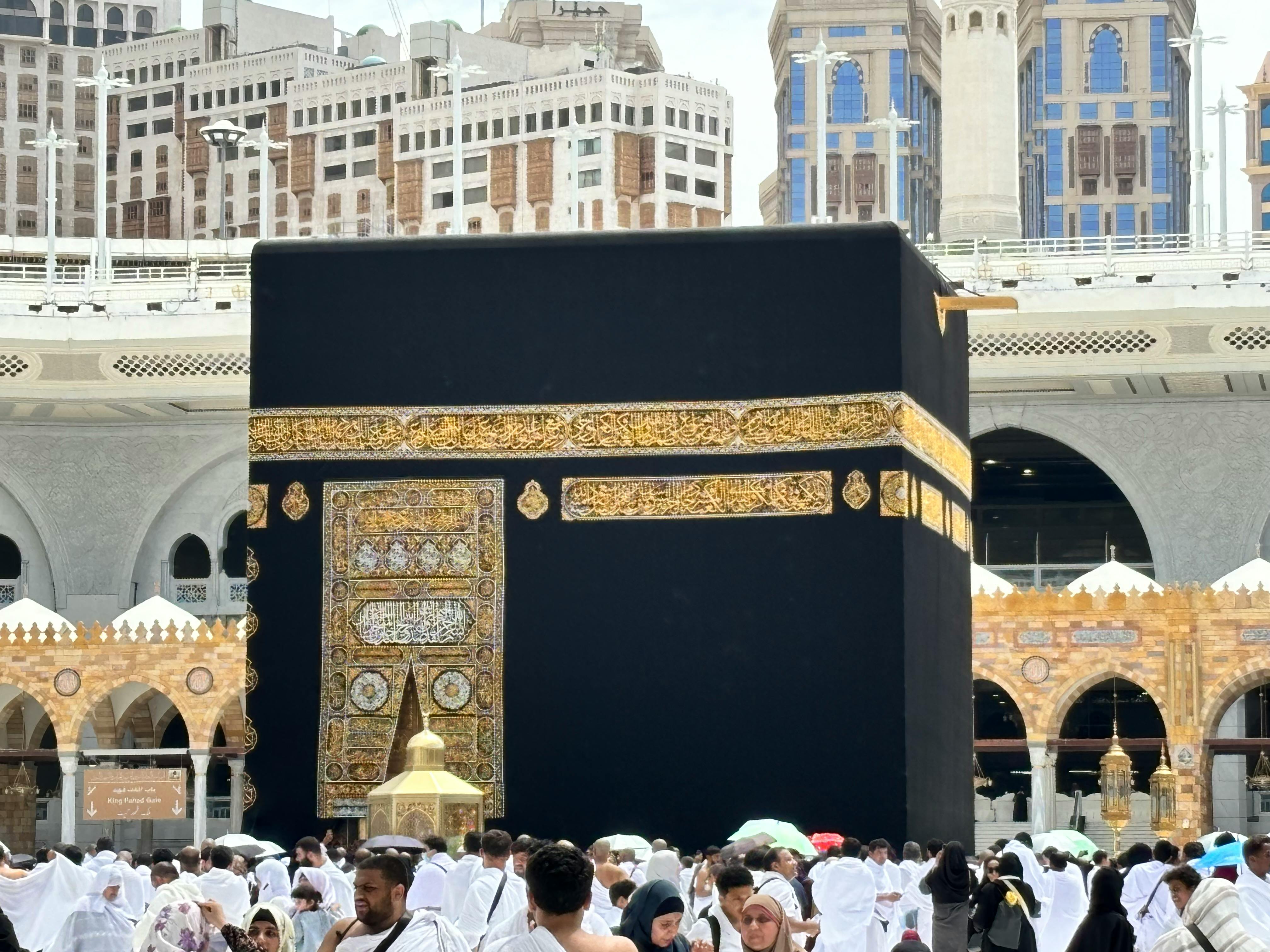
Mecca—Makkah al-Mukarramah—is the birthplace of the Prophet Muhammad (peace be upon him) and the spiritual heart of Islam. Each year, millions circle the Kaaba and walk between Safa and Marwa, continuing a tradition that reaches back to Prophet Ibrahim (Abraham) and Hajar. The rhythm of the city is prayer: a gentle swell of devotion, five times daily.
For visitors, Mecca is about intention and presence. You’ll drink Zamzam water, whisper duas near the Kaaba, and learn the stories that shaped the faith. Beyond the Grand Mosque, the new Hira Cultural District adds context to Jabal al-Nour, while the Exhibition of the Two Holy Mosques displays doors, columns, and artifacts that once stood inside the sanctuaries.
Important: Only Muslims may enter Mecca and the central areas of Medina. For Umrah, secure your permit through the official Nusuk app and review visa options (tourist eVisa or Umrah visa, depending on your nationality). Pack unscented toiletries for ihram, dress modestly, stay hydrated, and time your movements around prayer and peak crowd periods.
Mecca (Makkah)
Center yourself steps from Masjid al-Haram so you can flow in and out for prayers and rest. The Jabal Omar district and Abraj Al Bait complex place you within minutes of key gates like King Abdulaziz and King Fahd.
Top spiritual highlights include tawaf on the mataf, Sa’i between Safa and Marwa, quiet recitation in upper levels of the mosque, and filling your bottle at Zamzam coolers. For context, visit the Hira Cultural District at the base of Jabal al-Nour (with a modern Seerah and Qur’an revelation museum) and the Exhibition of the Two Holy Mosques (remarkable historic doors, lanterns, Kiswa panels).
Eat close to the Haram for convenience. Beloved Saudi chains—especially during peak times—keep things simple between prayers: Albaik for crisp broast chicken and shrimp, Al Tazaj for charcoal-grilled chicken with kabsa rice, Kudu for hot breakfasts, Barn’s or Dr. Cafe for Saudi qahwa and espresso, and shawarma from Shawarmer. For variety, hotel restaurants around the Haram offer hearty buffets when you need a full, sit-down meal.
Where to stay (near the Haram): Consider properties in Jabal Omar and Abraj Al Bait (e.g., Fairmont Makkah Clock Royal Tower, Swissôtel Makkah, Hilton Makkah Convention Hotel, Jabal Omar Hyatt Regency). Browse live options and compare distances to the gates here:
How to get there: Fly into Jeddah (King Abdulaziz International Airport, JED). Compare fares:
- Flights on Trip.com (global search)
- Flights on Kiwi.com (great for multi-city and low-cost options)
Airport to Mecca: The Haramain High-Speed Railway runs from Jeddah Airport or the Jeddah city station to Makkah in about 35–50 minutes; from Makkah Station (al-Rusaifa), it’s a 10–20 minute taxi to the Haram. Expect roughly 50–80 SAR per person for the train depending on class and timing, and 25–40 SAR by taxi to central gates (traffic dependent). For rail schedules, start here: Trip.com Trains.
Day 1: Arrival, Ihram, and Umrah by Night
Morning: Fly to Jeddah (JED). If you intend Umrah immediately, enter ihram at or before the miqat boundary (many don their two-piece ihram at the airport or on the plane when the crew announces the miqat). Keep your toiletries unscented and your intention clear.
Afternoon: Ride the Haramain train to Makkah (around 35–50 minutes), then taxi to your hotel near Masjid al-Haram. Check in, hydrate, and rest. Grab a light bite: a zesty chicken wrap at Kudu or a spinach-and-cheese simit with Turkish tea at Simit Sarayı in the Abraj Al Bait mall—both quick and close to the mosque.
Evening: Perform Umrah when the heat drops. Make tawaf on the mataf level (closest to the Kaaba) or the upper levels if you prefer more space, then pray behind Maqam Ibrahim if feasible without blocking others. Continue with Sa’i between Safa and Marwa and complete with a haircut (men) or trimming a fingertip’s length from hair ends (women). Reward yourself with Albaik—the city’s cult-favorite broast chicken; the spicy garlic sauce is beloved for a reason. For something lighter, try charcoal chicken, hummus, and Arabic bread at Al Tazaj.
Day 2: Prayers, Hira Cultural District, and Souk Strolls
Morning: Attend Fajr in the Haram; linger in calm corners of the upper levels for recitation. Breakfast on foul and tamees vibes made easy: Kudu’s eggs-with-tamees combo or labneh-and-za’atar simit at Simit Sarayı. Coffee at Barn’s (Saudi chain) or Dr. Cafe—both do solid cappuccinos alongside Saudi qahwa if you want something lighter and spiced.
Afternoon: Visit the Hira Cultural District at Jabal al-Nour for a modern, multi-room museum on Revelation and early Meccan history. It’s air-conditioned, highly visual, and family-friendly. If you want a short hike, follow the signed path partway up for views without committing to the full ascent to the Cave of Hira (wear sturdy shoes and bring water). Lunch back near the Haram: Shawarmer for pomegranate-molasses chicken wraps, or Herfy for a quick rice-and-grill plate and a seat.
Evening: Maghrib and Isha in the Haram. After prayers, browse Souk Al-Khalil (adjacent to several Jabal Omar hotels) for prayer mats, digital tasbeeh counters, and boxed dates. Sit-down dinner at a nearby hotel buffet—these are convenient when you’re exhausted: look for mixed grills, kabsa, and a salad station; most hotel restaurants around Abraj Al Bait and Jabal Omar do rotating regional dishes and a dependable dessert spread (muhalabiya, date cakes).
Day 3: Two Holy Mosques Exhibition, Taneem, and Optional Second Umrah
Morning: After Fajr and a brief rest, head to the Exhibition of the Two Holy Mosques’ Architecture (Umm al-Joud area). You’ll see historic doors, marble columns, vintage lanterns, and Kiswa panels, with Arabic/English signage that brings renovations across centuries to life. It’s a concise, eye-opening visit that deepens what you witness inside the Haram.
Afternoon: If you plan a second Umrah, go to Masjid Aisha (at Taneem)—the closest miqat for residents and visitors already in Makkah—to enter ihram again. Taxis/Uber/Careem typically take 10–20 minutes from central hotels (time varies with traffic). Simple lunch back near the Haram: grilled quarter chicken with rice at Al Tazaj or a fish fillet meal at Herfy if you want a change from chicken.
Evening: Perform your second Umrah after sunset when temperatures ease. Alternate plan if you’re resting: a reflective tawaf al-nafl (optional circumambulation) at a quieter hour, then wind down with tea and a pistachio croissant at Dr. Cafe or date cake from a mall bakery. Keep movements unhurried—tonight is about gratitude and presence.
Day 4: Quiet Farewell and Departure
Morning: If you’re up for it, head early to the base paths of Jabal al-Nour to watch first light touch the hills—no need for the full climb if your schedule is tight. Alternatively, choose a tranquil corner in the Haram for a final recitation. Breakfast near your hotel: Kudu for a quick omelet wrap or a sesame simit and black tea at Simit Sarayı.
Afternoon: Check out, then taxi to the Makkah Haramain Station for the high-speed train back to Jeddah Airport (aim to depart 3–4 hours before your flight in case of crowds). Compare any last-minute flight changes on Trip.com Flights or Kiwi.com. If time allows, pick up boxed Ajwa and Safawi dates from a mall kiosk as gifts.
Evening: In transit. Use the downtime to rehydrate and jot down duas and lessons to carry home. May your journey be accepted and your path made easy.
Practical tips and etiquette:
- Permits and visas: Use the official Nusuk app to secure your Umrah permit and time slot. Many nationalities can perform Umrah on a Saudi tourist eVisa; verify the latest rules for your passport before booking.
- Crowd wisdom: Arrive at gates 45–60 minutes before Jumu’ah and major prayers. If the mataf is dense, consider upper levels for a steadier pace.
- Heat and hydration: Carry a refillable bottle and sip Zamzam regularly. Light, breathable clothing helps; for ihram, keep all toiletries unscented.
- Shoes: Bring a small drawstring bag to carry sandals during tawaf and Sa’i.
- Getting around: Uber/Careem and metered taxis are widely used; short hops around central Makkah typically run 10–25 SAR, more in peak traffic.
To keep logistics simple, stay within a short walk of the Haram and rely on quick, reliable eateries between prayers. With this 4-day plan, you’ll complete Umrah unrushed, learn the city’s history at two excellent exhibitions, and still have quiet time to reflect.
May your Mecca journey be smooth, spiritually deep, and beautifully remembered long after you leave the sanctuary of Masjid al-Haram.