
4 Days in Goa: Beaches, Heritage Walks, Spice Plantations & Sunset Shacks
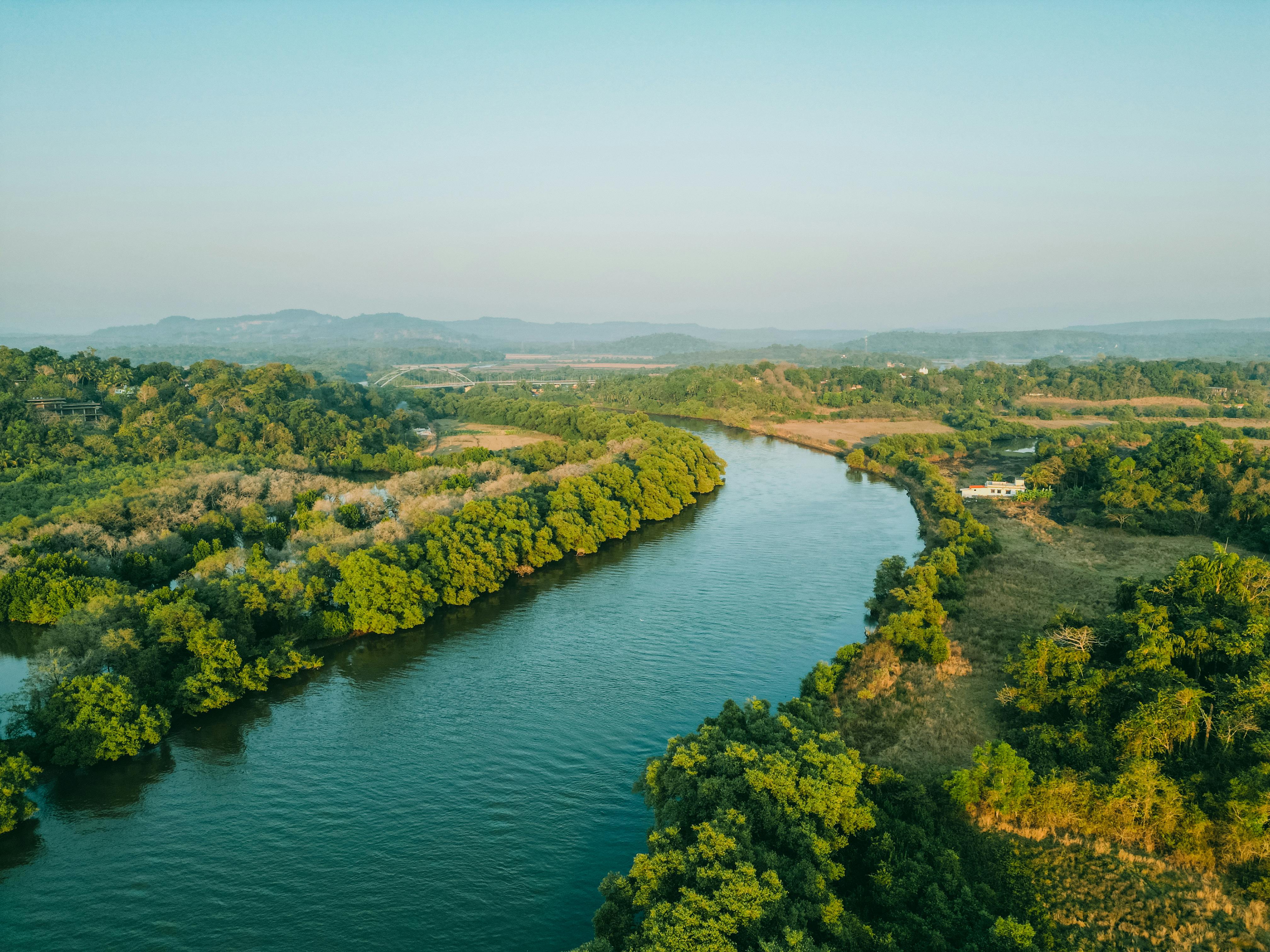
Goa is one of India’s most layered destinations: a former Portuguese colony on the Konkan coast, a beach escape, a culinary stronghold, and a place where Baroque churches, fish markets, coconut groves, and electronic music nights can all fit into the same day. Its history runs from Kadamba rule to Portuguese conquest in 1510, and that long crossroads story still shows in everything from whitewashed basilicas to vindaloo, sorpotel, and bebinca.
Fun fact: Goa is India’s smallest state by area, but it has an outsized cultural imprint. Travelers come for the Arabian Sea and the beach shacks, then discover Latin Quarter houses in Fontainhas, river islands, spice plantations, feni distilleries, and a distinctly Goan rhythm that feels different from the rest of the country.
Practically, a 4-day trip works best with one base rather than hotel-hopping, especially with an afternoon arrival and afternoon departure. Stay in North Goa if you want easier access to heritage walks, lively dining, and classic beaches such as Candolim, Calangute, Vagator, and Anjuna; plan for warm weather, dress lightly, use app cabs or pre-booked transfers, and reserve popular tours in advance during peak season.
Goa
For a 4-day Goa itinerary, I recommend using North Goa as your base while spending one full day exploring South Goa and the interior. This keeps travel simple and gives you the widest range of experiences: beaches, churches, colorful old quarters, river landscapes, and some of India’s most memorable coastal food.
North Goa is the state’s social heart, where beach clubs and old bakeries sit not far from historic neighborhoods and excellent taverns. South Goa, by contrast, is slower and more spacious, known for long sandy stretches, upscale resorts, and a quieter pace that suits late lunches and unhurried sunset walks.
Where to stay: For a polished beachfront stay, Taj Exotica Resort & Spa, Goa is a standout in South Goa, while Holiday Inn Resort Goa and The Leela Goa are strong resort choices. If you prefer North Goa convenience, Novotel Goa Resort & Spa works well for Candolim access; for budget-minded travelers, The Funky Monkey Hostel in Anjuna and The Old Quarter Hostel are both useful bases. You can also browse broader options on VRBO Goa and Hotels.com Goa.
Getting there: Fly into Goa via Dabolim Airport or Manohar International Airport (Mopa). Compare options on Trip.com flights or Kiwi.com; airport-to-North-Goa transfers usually take about 45-90 minutes depending on airport and traffic, and private transfer pricing often starts around $12-$30 equivalent. For a pre-arranged ride, consider Private Transfer from Dabolim Airport & Mopa Airport to North Goa.
Recommended activities to weave into this trip:
- Fontainhas Heritage Walk by Make It Happen — one of the best introductions to Goa’s Indo-Portuguese identity.
- Explore the Best of North Goa by Car — efficient if you want a guided overview without self-planning.
- Private South Goa City Tour with Spice Plantation and Lunch — ideal for balancing churches, viewpoints, and food.
- Dudhsagar Waterfalls Tour Jeep Safari and Spice Plantation Visit — a strong option if nature is a priority.


Day 1 – Arrival, Candolim Coast, and a First Taste of Goa
Morning: Arrival is assumed later in the day, so keep the morning open for transit. If you want to pre-book your flight, use Trip.com flights or Kiwi.com. For a smooth arrival into North Goa, a pre-booked car such as this private airport transfer removes the usual taxi bargaining and is especially useful after a long journey.
Afternoon: Check into your hotel and settle into the coast. If you are staying near Candolim or Calangute, ease into the trip with a late lunch at a beachside restaurant known for Goan staples such as prawn curry, recheado fish, and rawa-fried seafood; this first meal should be unhurried, because Goa reveals itself best at half-speed.
Afternoon: For lunch, seek out a classic Goan seafood table: order fish thali if available, because it gives you rice, curry, a dry preparation, pickles, and a snapshot of the local palate in one plate. If you want something more continental after a flight, choose a café in Candolim with strong coffee, salads, and wood-fired breads before heading to the beach.
Evening: Spend sunset on Candolim Beach or Vagator if you have the energy for a slightly longer ride. Candolim is gentler for a first evening, while Vagator offers dramatic laterite cliffs and a wider, more cinematic dusk.
Evening: For dinner, make your first full Goan meal count with coastal dishes and a cold drink rather than jumping straight into a party schedule. Order xacuti if you enjoy layered spice, cafreal if you like herb-forward heat, and bebinca for dessert; the point is to meet Goa through its table before meeting it through its nightlife.
Day 2 – Panaji, Fontainhas, Old Goa, and Riverside Evenings
Morning: Begin in Panaji with coffee and breakfast before the heat builds. A local bakery-café is the right move here: go for poi bread with butter or eggs, a strong cup of coffee, and perhaps a Goan pastry, because Panaji still carries the old habit of leisurely morning baking culture.
Morning: Then join the Fontainhas Heritage Walk by Make It Happen. Fontainhas is Goa’s Latin Quarter, a neighborhood of narrow lanes, ochre and turquoise facades, red-tiled roofs, and balconies that feel almost improbably European until the tropical light reminds you exactly where you are; this is one of the smartest ways to understand why Goa is not just a beach destination.
Afternoon: Continue to Old Goa, where the scale of the churches tells the story of an empire that once called this “the Rome of the East.” Prioritize the Basilica of Bom Jesus and Sé Cathedral, not just for their architecture but because they anchor the religious, political, and artistic history of Portuguese India.
Afternoon: If you would rather have logistics arranged, book either Explore the Best of North Goa by Car or Old Goa Heritage Walk by Make It Happen. For lunch, choose a respected Panaji restaurant serving Goan and Indo-Portuguese fare; this is the moment for pork vindaloo, chorizo pao, or crab xec xec if available, dishes with history rather than mere heat.

Evening: Return to Panaji for a stroll along the Mandovi River promenade. As the air cools, the city’s mood shifts from administrative capital to waterfront social hour, and this is a good time for a gentle aperitif or café stop rather than a packed itinerary.
Evening: Have dinner in Panaji at a place known for old-school Goan cooking or polished contemporary seafood. I recommend choosing somewhere that treats local dishes seriously instead of offering a generic beach-menu spread; on this night, the city gives you the historical context to appreciate what is on the plate.
Day 3 – South Goa Day Trip: Churches, Viewpoints, Spice Plantation, and Quiet Beaches
Morning: Head out after an early breakfast for South Goa. If you prefer a structured day with transport and lunch included, Private South Goa City Tour with Spice Plantation and Lunch is the cleanest option from a North Goa hotel.
Morning: Typical South Goa highlights include Dona Paula viewpoint, old churches, and more residential stretches of the state that feel far removed from North Goa’s nightlife corridor. The shift in atmosphere is the point: you begin to see how Goa can be contemplative as well as celebratory.
Afternoon: A spice plantation visit is one of the best inland contrasts to the coast. Walking through nutmeg, pepper, betel, and cashew landscapes adds texture to the trip, and plantation lunches are often satisfying, home-style affairs that reveal how deeply spice, coconut, vinegar, and local produce shape Goan food.
Afternoon: If you prefer to build your own day rather than take a guided city tour, spend the latter half of the afternoon on Colva, Benaulim, or Majorda Beach. These beaches are broader and quieter than the classic North Goa strips, making them ideal for a swim, a shaded drink, or simply an hour with no agenda at all.
Evening: Stay in South Goa long enough for sunset if your energy allows. A beachfront dinner here should focus on fresh catch rather than overcomplication: grilled kingfish, calamari, prawn curry rice, or a plate of butter-garlic crab works beautifully with the slower pace of the southern coast.
Evening: Return to your North Goa base after dinner, allowing roughly 1.5-2.5 hours by road depending on where you stayed and how far south you ventured. It is a longer day, but it gives balance to the trip by showing you a more spacious, less commercial side of Goa.
Day 4 – Nature or Leisure, Last-Minute Shopping, and Departure
Morning: For your final morning, choose between a gentle farewell and one last adventure. If nature appeals, book the Dudhsagar Waterfalls Tour Jeep Safari and Spice Plantation Visit or the Crocodile spotting with walking tour of local plantation in Goa; if you want a slower finale, keep to breakfast, one last beach walk, and a short shopping stop for local cashews, spices, or bebinca.

Morning: For breakfast, choose a café with excellent coffee and a final spread of eggs, fresh fruit, and local bread rather than a rushed hotel buffet. The point on departure day is to leave with one last pleasant memory, not one last queue.
Afternoon: Have an early lunch near your hotel or en route to the airport. Keep it simple and unmistakably Goan: fish curry rice, cafreal with bread, or a light seafood meal that travels better in memory than a generic sandwich ever could.
Afternoon: Transfer to the airport with a comfortable buffer, especially during weekend or holiday traffic. If needed, use the private airport transfer service, and check return flights on Trip.com or Kiwi.com.
Evening: Departure. You leave having seen more than a postcard version of Goa: not only beaches and sunsets, but churches, neighborhoods, spice country, and the culinary inheritance that makes the state one of India’s most distinctive coastal destinations.
In four days, Goa can give you a remarkably complete short escape if you resist the urge to do everything and instead do the right things well. This itinerary balances North Goa beaches, Panaji heritage, South Goa calm, and one nature-driven finale, creating a trip that feels both restorative and culturally rich.
If you return—and Goa is the sort of place that tends to call people back—you can build your next trip around monsoon greenery, island cycling, cooking classes, or a deeper beach-hopping circuit. For a first visit, though, this is a finely judged introduction to one of India’s most alluring coastal states.