
4 Days in Gdańsk: A Baltic Old Town, Shipyard & Seaside Itinerary
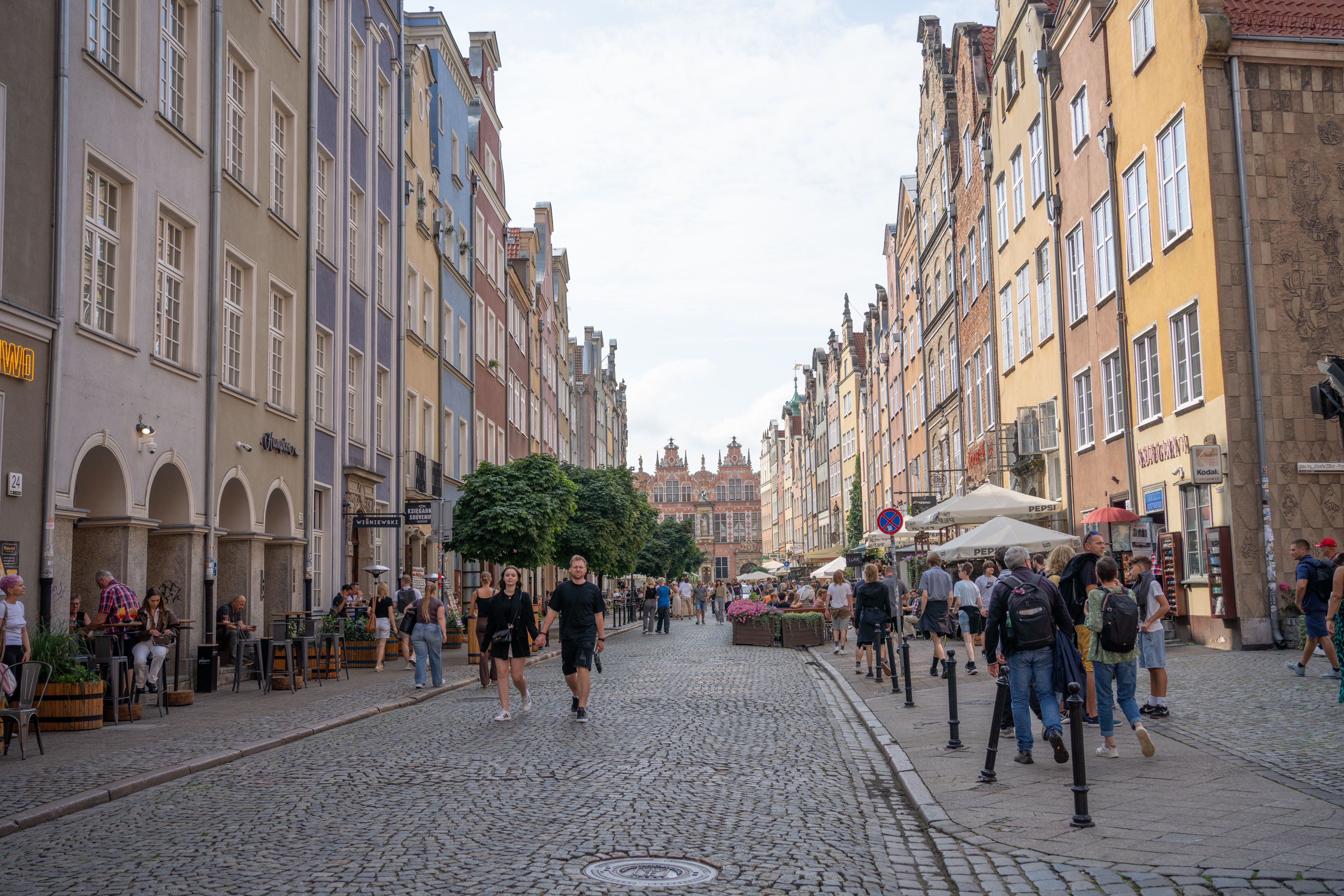
Gdańsk is one of Poland’s great historical cities: a Hanseatic port, an amber capital, and a place where trade, war, resistance, and reinvention all left visible marks on the streets. Its richly rebuilt center looks storybook-pretty at first glance, yet beneath the gables and gates lies a city that helps explain modern Europe.
For travelers, Gdańsk offers a rare balance. You can spend the morning in a world-class museum, the afternoon by the Motława River with a coffee and slice of sernik, and the evening over superb Pomeranian seafood or classic pierogi in candlelit brick interiors.
Practically speaking, Gdańsk is easy to explore on foot in the center, with trams and SKM trains making nearby coastal districts simple to reach. Polish cuisine here goes well beyond dumplings: look for smoked fish, goose, duck, herring, żurek soup, craft beer, and desserts scented with berries and poppy seed; as always in busy European city centers, keep an eye on personal belongings in crowded tourist areas.
Gdańsk
Gdańsk is the natural choice for a 4-day trip in Pomerania. With this trip length, staying in one city is the smartest approach: it allows time for the Main Town, the shipyard legacy, museum visits, and a taste of the Baltic coast without turning the holiday into a sequence of check-ins and train platforms.
The city’s visual drama begins with the Long Market, the Neptune Fountain, and facades that seem painted for a theater set. Then the narrative deepens: St. Mary’s Basilica towers over medieval streets, the European Solidarity Centre tells the story of a movement that changed the continent, and the Museum of the Second World War gives essential context to the city’s 20th-century experience.
Food is part of the destination here, not an afterthought. For breakfast and coffee, look at Drukarnia Cafe for specialty brews and a polished yet relaxed atmosphere, or Eklerownia for pastries when you want something sweet with your morning walk. For lunch and dinner, reliable favorites include Pierogarnia Mandu for inventive dumplings, Gdański Bowke for regional Polish cooking in a handsome setting, and Fellini for an elegant break if you want something beyond traditional fare.
Where to stay: Browse vacation rentals on VRBO in Gdańsk or hotels on Hotels.com in Gdańsk. For a first visit, the Main Town is best for atmosphere and walkability; Wrzeszcz suits travelers who prefer a more local neighborhood feel with excellent transport links; Brzeźno is worth considering if sea air matters more than church spires outside your window.
Getting there: For flights to Gdańsk from within or to/from Europe, compare routes on Omio flights. If arriving overland in Europe, check Omio trains for rail connections; from Gdańsk Airport to the center, allow roughly 30–40 minutes by taxi or around 40–50 minutes by public transport, with costs varying by arrival time and exact destination.
Optional bookable experiences: The supplied Viator inventory is Kraków- and Warsaw-based rather than Gdańsk-specific, so it is not a logical fit for this 4-day Baltic itinerary. For this trip, I recommend focusing on Gdańsk’s core sights, local food, and coastal excursions instead of forcing an unrelated long-distance day tour.
Day 1: Arrival and first walk through the Main Town
Morning: This is your arrival day, so keep the morning unstructured or in transit. If you land early enough to drop bags before check-in, use the extra time simply for a coffee near the center rather than a major museum visit.
Afternoon: After arriving and settling in, begin gently with the Royal Way: walk through the Golden Gate, along Ulica Długa and Długi Targ, and down toward the Green Gate and Motława waterfront. This route is Gdańsk’s grand introduction, lined with ornate façades, merchant houses, and civic monuments that reveal the city’s former wealth as a Baltic trading power.
Pause at the Neptune Fountain, the city’s best-known symbol, then drift to the riverside crane area to watch excursion boats and evening light gather on the water. If you want an easy late lunch, try Gdański Bowke for a proper regional start: Polish classics, fish, and old-town atmosphere without feeling like a generic tourist trap.
Evening: For dinner, book Pierogarnia Mandu, one of the city’s most dependable choices for pierogi done with skill and imagination. The dumplings come in both classic and more playful versions, and it is an excellent first-night meal because it feels local, comforting, and distinctly Polish.
After dinner, take a slow twilight walk along the Motława embankment. Gdańsk is especially good in the evening, when the façades glow, the water reflects the warehouses and church towers, and the city shifts from historical monument to living stage set.
Day 2: St. Mary’s Basilica, amber, and Gdańsk’s mercantile past
Morning: Start with breakfast at Drukarnia Cafe, a favorite for specialty coffee, thoughtful pastries, and a calm beginning before the streets fill. Then head to St. Mary’s Basilica, one of the largest brick churches in the world, whose immense interior feels both austere and grand.
If the tower is open and the weather is clear, climb it. The ascent is a fine reminder that Gdańsk was built not only for beauty but for visibility, trade, and civic pride; from above, the patterned roofs and waterways make the city’s layout legible in a single sweep.
Afternoon: Spend the afternoon exploring the lanes around Mariacka Street, perhaps the most evocative street in the city. Its terraces, gargoyles, and amber shops capture the Gdańsk many visitors imagine before they arrive, and it is the right place to browse jewelry if you want a meaningful keepsake tied to the Baltic coast.
For lunch, consider Manna 68 if you want an inventive vegetarian meal in the center, or Original Burger for something casual but consistently good. Later, visit the Artus Court exterior area and the old merchant streets nearby, then stop for cake and coffee at Eklerownia—their éclairs make an excellent mid-afternoon reward after a museum-and-church morning.
Evening: Choose Goldwasser Restaurant for dinner if you want a waterside table and a historic name associated with the city’s trading heritage. Seafood is a natural fit in Gdańsk, and the location makes the meal feel tied to the port itself rather than detached from it.
If you still have energy, continue with a quiet drink in the Main Town rather than a late, complicated plan. A second evening in the center lets the city settle in properly; you notice doorways, lanterns, and architectural details that rush past on the first day.
Day 3: European Solidarity Centre, the shipyard, and modern history
Morning: Begin with breakfast in the Wrzeszcz or center area depending on where you are staying; if nearby, Sztuka Wyboru is a stylish option with good coffee and a more contemporary Gdańsk feel. Then make for the European Solidarity Centre, one of Poland’s most important modern museums.
This is not a place to rush. The exhibitions on labor movements, civil resistance, censorship, and the Solidarity trade union are compelling and deeply relevant to understanding not just Gdańsk, but the fall of communism across Central and Eastern Europe.
Afternoon: After the museum, walk through the surrounding shipyard area, where cranes, industrial structures, murals, and new creative spaces coexist in a landscape that still carries the weight of political change. For lunch, 100cznia is a smart pick if open during your visit: a food-hall and container-style social space with multiple vendors, a younger crowd, and a setting that reflects the area’s reinvention.
Later in the afternoon, visit the Museum of the Second World War if your pace allows. It is substantial, serious, and exceptionally well curated; if you prefer a lighter day, save this museum for the following morning and instead enjoy a slower walk back through the riverside and side streets.
Evening: Dinner at Canis Restaurant works well for a more polished evening, especially if you want a break from heavier traditional fare. Another fine option is returning to a regional kitchen for duck, goose, or fish—Gdańsk rewards repeat dinners in different styles because the city’s culinary scene balances heritage and modern technique.
End the night with a final wander near the Crane and the waterfront. The shipyard day gives emotional and historical depth to the trip; an evening stroll afterward lets that history settle without forcing more information into the schedule.
Day 4: Baltic air before departure
Morning: Use your final morning for a taste of the coast. Take a tram or quick taxi to Brzeźno for a walk on the beach and pier, or go to Oliwa if you would rather spend the morning among parkland, cathedral surroundings, and a quieter, greener side of the Tri-City area.
For breakfast, keep it simple with a local café stop before heading out, then enjoy the contrast between sea and city. This coastal interlude is worth making time for because Gdańsk is not only a historic center; it is also a Baltic destination, and the wind, sand, and open horizon complete the picture.
Afternoon: Return to collect your luggage and head to the airport or station. If departing by train within Europe, compare schedules on Omio trains; for flights, use Omio flights. Aim to leave the center with a buffer, especially in summer or on weekends.
Evening: Most travelers will already be in transit by evening. If your departure is later than expected and you have time for one last meal, make it a relaxed lunch stretching into early afternoon—something traditional, unrushed, and recognizably Polish—so the trip ends with flavor rather than haste.
In four days, Gdańsk offers a remarkably complete city break: medieval streets, major museums, Baltic atmosphere, and excellent food packed into a walkable, memorable setting. It is a destination that rewards both first impressions and second looks, which is perhaps why so many travelers leave already planning a return to the Pomeranian coast.