
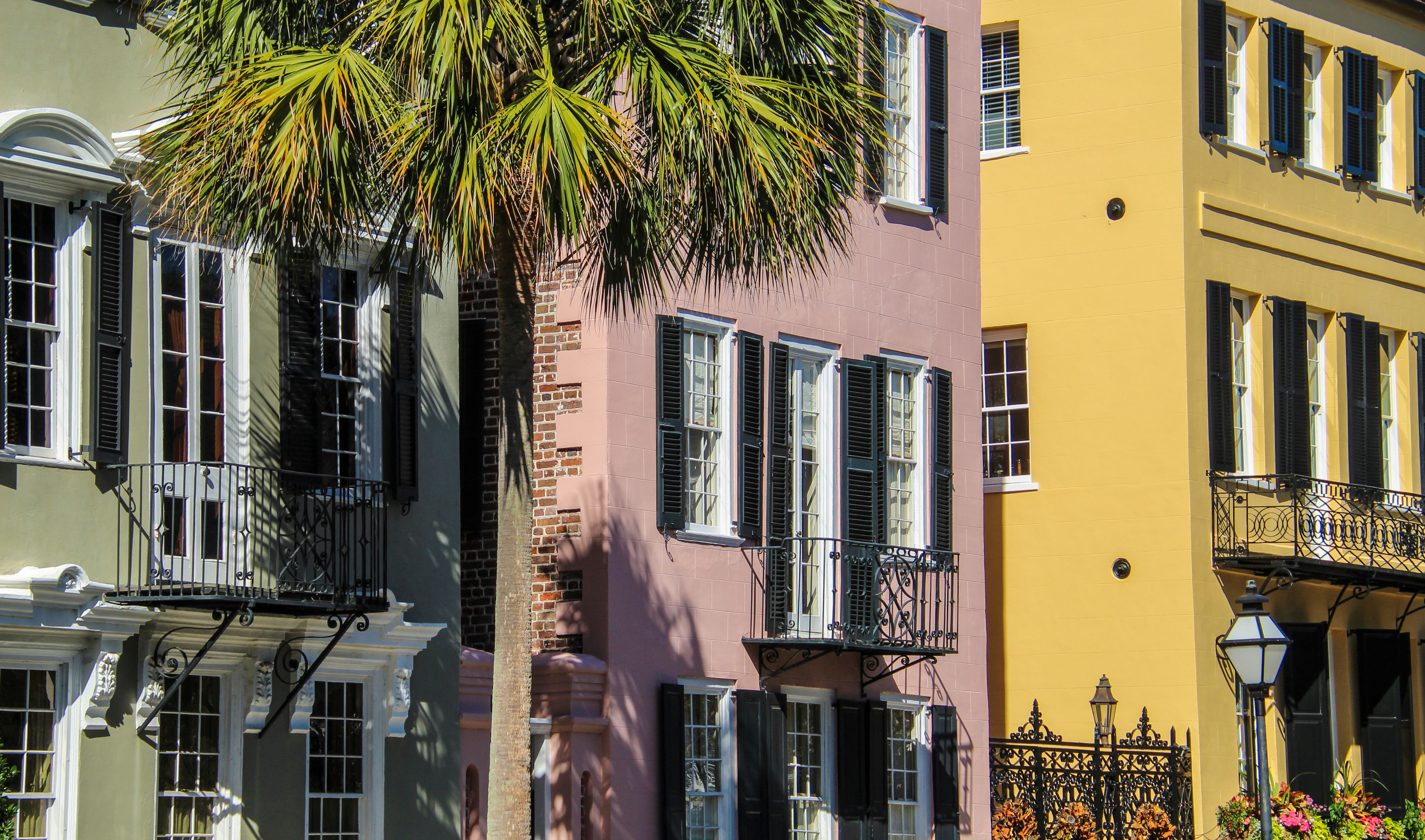
Charleston is one of America’s most storied port cities, founded in 1670 and shaped by Atlantic trade, rice wealth, war, faith, art, and the layered history of the Lowcountry. Its skyline of steeples, pastel facades, and palmettos feels graceful at first glance, yet the city’s real power lies in how much history is packed into each block, from the French Quarter to the Battery.
There is plenty here for first-time visitors: Rainbow Row, Waterfront Park, Fort Sumter, the City Market, the harbor, nearby islands, and a dining scene that has helped define modern Southern food. Charleston is also a city of texture and contrast—fine houses and hidden alleyways, oyster bars and old taverns, Gullah Geechee influence, live oaks, sea breezes, and streets where centuries seem to sit very close to the present day.
Practically, Charleston is easy to enjoy over four days if you stay in or near the Historic District and book a few popular experiences in advance, especially carriage tours, harbor cruises, and sought-after dinner reservations. Expect warm, humid weather much of the year, comfortable walking shoes to be essential on uneven historic streets, and a strong temptation to plan every meal around shrimp and grits, biscuits, oysters, and she-crab soup.
Charleston
For a four-day trip, Charleston alone is the right choice. The city offers more than enough for a rich long weekend: deep American history, one of the country’s best-preserved historic cores, excellent museums and harbor sites, and easy side trips to marshes, beaches, and plantations.
The Historic District is the best base for most travelers because it keeps you close to major sights and many of the best restaurants. If you prefer a resort feel and don’t mind being farther from downtown, Isle of Palms can work well; if you want a social budget stay, there is also a hostel option in town.
Arrival and getting there: Fly into Charleston International Airport and compare fares on Trip.com flights or Kiwi.com. Airport to downtown Charleston is usually about 20-30 minutes by car, with rideshare or taxi costs commonly around $25-$40 depending on traffic and exact drop-off point.
Where to stay: For a polished stay in the heart of the city, The Charleston Place remains one of the classic addresses downtown. For a convenient historic-area option, consider Embassy Suites by Hilton Charleston Historic District; for a resort-style beach escape, look at Wild Dunes Resort; and for a budget-minded, character-filled stay, there is NotSo Hostel. You can also browse broader options via VRBO Charleston or Hotels.com Charleston.
Recommended experiences to book ahead:
- Charleston’s Old South Carriage Historic Horse & Carriage Tour — a classic first-day orientation through the old city.
- Fort Sumter Admission and Self-Guided Tour with Roundtrip Ferry — essential for Civil War history and harbor views.
- Charleston French Quarter or Brunch Food Tour with 7+ Tastings — an excellent way to understand Lowcountry flavors.
- Charleston Harbor Sunset Cruise — a fine closing-night experience if you want the city at its most photogenic.


Day 1 – Arrival, the Historic District, and a first taste of Charleston
Morning: This is your travel morning, so keep plans light and focus on your arrival into Charleston. If your flight timing allows, compare air options in advance on Trip.com flights or Kiwi.com, then plan to settle into your hotel after landing.
Afternoon: After check-in, begin gently with a walk through the Historic District. Stroll from Market Street toward Church Street, then continue down to Waterfront Park, where the Pineapple Fountain and harbor breezes make for a very pleasant first impression. If you want an easy overview without much effort after travel, book Charleston’s Old South Carriage Historic Horse & Carriage Tour; it is a smart introduction to the city’s architecture, churches, old homes, and civic history.
Afternoon: Pause for coffee at Clerks Coffee Company if you want a polished downtown cafe with beautiful interiors, or try Second State Coffee for a more local everyday rhythm and excellent espresso. If you are hungry after arrival, Leon’s Fine Poultry & Oyster Shop is a strong late lunch choice for fried chicken, oysters, and soft-serve in a cheerful retro space, while 167 Raw is ideal if what you really want is a lobster roll and pristine seafood.
Evening: Spend your first evening around the French Quarter and lower Broad. Walk past Rainbow Row, continue to the Battery for sunset over Charleston Harbor, and notice how the light turns the old houses honey-colored in the final hour of the day. For dinner, reserve Husk if you want a thoughtful take on Southern ingredients in a historic house, or FIG if you are after one of the city’s benchmark dining rooms, known for precise seasonal cooking and dishes that often spotlight local fish and produce.
Evening: If you still have energy, finish with a short post-dinner wander down Philadelphia Alley or along Broad Street. Charleston is especially atmospheric at night, when the daytime crowds thin out and the city’s lanterns, iron gates, and churchyards seem to pull the past closer.
Day 2 – Classic Charleston: walking history, food, and harbor views
Morning: Start with breakfast at Miller’s All Day, where the biscuit sandwiches, house-made pastries, and polished diner style make it one of the best first meals in town. If you prefer something lighter, Harken Cafe serves excellent coffee, tartines, and baked goods in a bright, modern setting that feels calm before a day of sightseeing.
Morning: Then join the Historic Charleston Guided Sightseeing Walking Tour or, if you prefer a more tucked-away angle, the Hidden Alleyways and Historic Sites Small-Group Walking Tour. Both are excellent, but the second is particularly good for travelers who want to slip behind the postcard views into intimate lanes, gardens, and lesser-noticed corners.
Afternoon: Dedicate lunch and early afternoon to the Charleston French Quarter or Brunch Food Tour with 7+ Tastings or the Downtown Charleston Food Tour. This is one of the best ways to understand Lowcountry cuisine beyond a single restaurant meal: expect regional staples such as benne wafers, biscuits, seafood, and dishes shaped by Gullah Geechee and broader Southern traditions.
Afternoon: Afterward, browse the Charleston City Market briefly rather than treating it as your whole afternoon. It is worth seeing for its long history and local crafts, especially sweetgrass baskets, but the real pleasure is understanding its place in the old commercial life of the city before moving back out into the streets.
Evening: For a memorable harbor experience, board the Charleston Harbor History Day-Time or Sunset Boat Cruise or the Charleston Harbor Sunset Cruise. Seeing Charleston from the water gives the city proper scale: church spires, military sites, bridge lines, and the vastness of the harbor that made the city prosperous and contested in equal measure.
Evening: For dinner, go to The Ordinary for oysters and seafood towers in a grand old bank building, or choose Chubby Fish for creative small plates with a fiercely local following. If you want a nightcap, stop at The Gin Joint, where the bartenders are known for skillful classic cocktails and a menu that suits the city’s old-world mood without feeling like a costume piece.
Day 3 – Fort Sumter, Sullivan’s Island or Isle of Palms, and a slower coastal afternoon
Morning: Have an early breakfast at Callie’s Hot Little Biscuit if you want something quick and iconic; the biscuits are rich, peppery, and deeply satisfying without requiring a long sit-down meal. If you prefer a proper cafe breakfast, Babas on Cannon is an appealing option for coffee, pastries, and a stylish but unpretentious neighborhood feel.
Morning: Then head out on the Fort Sumter Admission and Self-Guided Tour with Roundtrip Ferry. This is one of Charleston’s essential experiences: the fort is where the first shots of the Civil War were fired in April 1861, and the ferry ride itself offers broad harbor views that connect the city’s story to the wider American one.
Afternoon: After returning, have lunch on Sullivan’s Island or nearby before a relaxed coastal afternoon. The Obstinate Daughter is a favorite for its wood-fired cooking, handmade pasta, and smart seafood dishes, while Poe’s Tavern offers a more casual stop with burgers and literary references to Edgar Allan Poe, who was once stationed on the island. If you would rather keep things beachy and simple, consider a walk on Sullivan’s Island Beach or nearby Isle of Palms for an hour or two of sea air and a welcome break from historic-house sightseeing.
Afternoon: If beaches are not your priority, an alternative is the Afternoon Schooner Sightseeing Dolphin Cruise on Charleston Harbor or the Charleston Eco Boat Cruise with stop at Morris Island Lighthouse. These are particularly good if you want more nature, tidal creeks, birds, and the distinct marsh-and-water geography that makes the Lowcountry feel unlike anywhere else in the South.
Evening: Return downtown for dinner at 82 Queen, especially if you want classic Charleston dishes in a courtyard setting, or at Chez Nous if you prefer something intimate and European in format, with a small changing menu that rewards curiosity. After dinner, consider dessert or a final drink at Camellias inside Charleston Place, a glamorous little room known for sparkling interiors and celebratory cocktails.
Day 4 – Magnolia or leisure, one last neighborhood wander, and departure
Morning: On your final day, choose between one last major historical outing or a slower farewell. If you want a final landmark experience, book the Magnolia Plantation Admission & Tour with Transportation from Charleston, which offers gardens, landscape, and a fuller sense of the plantation-era Lowcountry beyond downtown. If you would rather stay in town, spend the morning strolling King Street for boutiques, design shops, and a final look at local life beyond the postcard district.
Morning: For breakfast, go to The Daily for strong coffee and simple, reliable breakfast fare, or to Harbinger Cafe & Bakery for one of the city’s best pastry counters. Harbinger is especially good if you appreciate bakeries that treat breakfast as craft rather than routine.
Afternoon: Have an early lunch before heading to the airport. If you are near King Street, Little Jack’s Tavern is excellent for a polished tavern lunch and one of the city’s favorite burgers, while Basic Kitchen offers lighter grain bowls, salads, and fresh juices if you want a healthier final meal before flying.
Afternoon: Leave time for airport transit, ideally departing downtown around 2.5 to 3 hours before your flight if traffic or rental car return is a concern. The drive to Charleston International Airport is often manageable, but midday congestion can add time, especially during weekends and event periods.
Evening: This is your departure window, so keep the end of the trip easy and unrushed. If your schedule unexpectedly leaves room before heading out, a final short walk through Waterfront Park is a fitting goodbye—breezy, open, and unmistakably Charleston.
Over four days, this Charleston itinerary gives you the city’s great essentials without reducing it to a checklist: historic streets, harbor history, Lowcountry cuisine, coastal scenery, and enough unscheduled moments to let the place work on you. It is a destination best enjoyed at a measured pace, where the details—a church bell, a plate of oysters, a hidden alley, a marsh at dusk—often become the parts you remember most.