
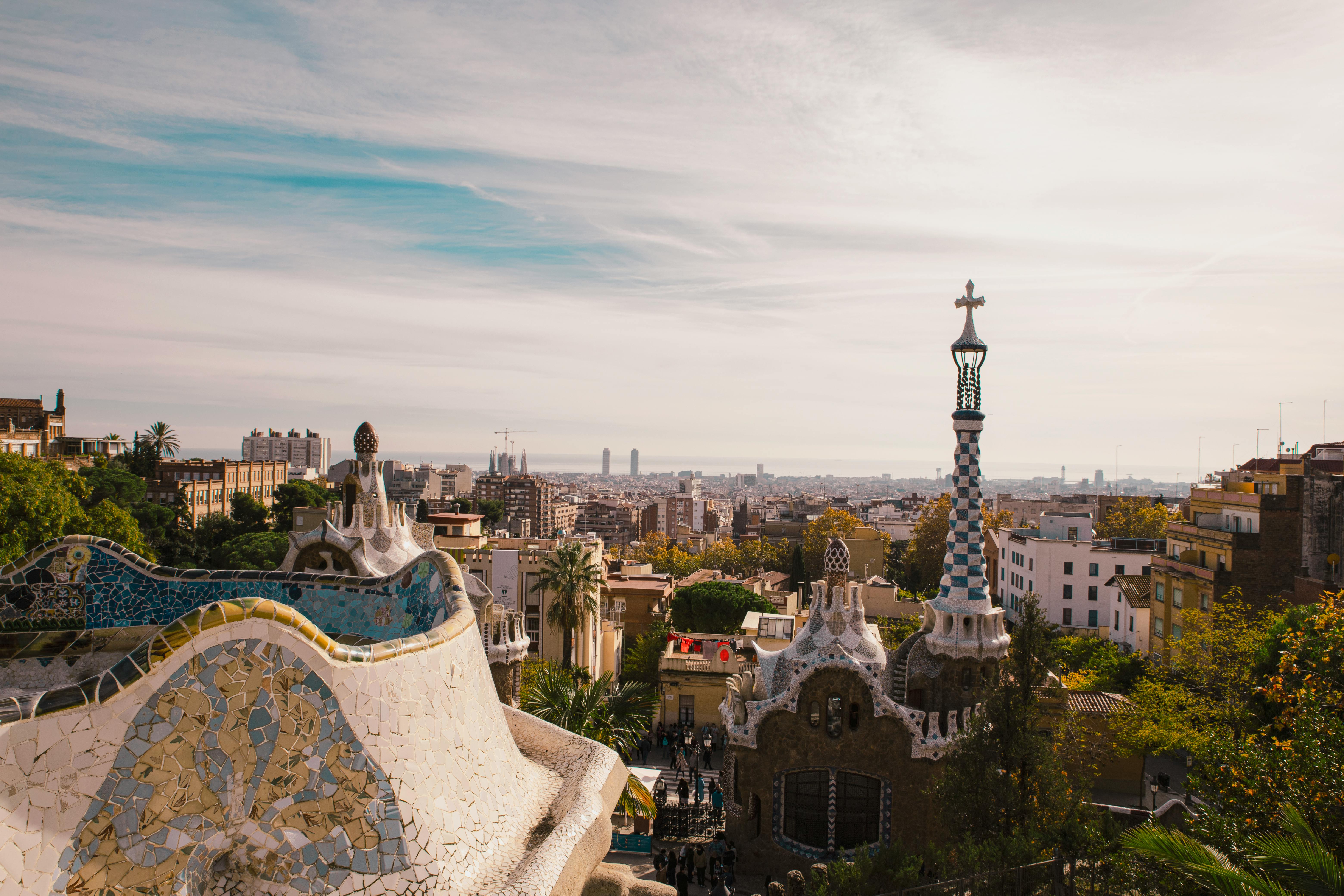
Barcelona blends Roman roots, medieval streets, and visionary Modernisme into a city that feels both timeless and inventive. From Gaudí’s soaring Sagrada Família to the seaside promenades that came to life after the 1992 Olympics, it’s a place best tasted slowly—one plaza, one glass of vermut, and one sunlit facade at a time.
The Catalan capital holds nine UNESCO World Heritage sites, a grid of octagonal blocks dreamt up by engineer Ildefons Cerdà, and markets where cooks still haggle over artichokes and anchovies. In between, cafés roast their own beans, old bodegas pour cava by the glass, and neighborhood festivals spill into narrow lanes.
Book timed tickets for major sights (Sagrada Família, Park Güell, Casa Batlló) and keep an eye on your pockets in crowded areas like La Rambla and metro hubs. Barcelona’s metro is fast and extensive; consider a 10‑ride card (Zone 1) for about €12. Dine late, embrace the afternoon paseo, and save space for olive oil-drizzled pan con tomate and flaky ensaïmadas.
Barcelona
Barcelona is a city of districts, each with its own rhythm: the Gothic Quarter’s stone arches, El Born’s ateliers and wine bars, Eixample’s regal boulevards, and Gràcia’s village squares. You’ll thread them together by metro and on foot, stopping often for espresso, vermut, and small plates.
- Iconic sights: Sagrada Família, Park Güell, Casa Batlló, La Pedrera (Casa Milà), Hospital de Sant Pau, Palau de la Música, MNAC, Montjuïc Castle, the Gothic Quarter, and the beaches of Barceloneta and Poblenou.
- Markets worth a linger: La Boqueria (vibrant but busy), Santa Caterina (local favorite under a colorful wave-like roof), and the beautifully restored Sant Antoni Market.
- What to eat: Anchovies and tomato salad at La Plata; seafood at La Paradeta or Can Solé; Catalan stews and grilled meats at Casa Amàlia; pintxos on Carrer de Blai; paella or seafood rice at Xiringuito Escribà by Bogatell Beach.
- Coffee and sweets: Nomad Coffee Roasters and Three Marks Coffee for third-wave brews; Cafés El Magnífico (El Born) for an old-school roaster; churros with thick chocolate at La Pallaresa; gelato at DelaCrem.
- Fun facts: Barcelona’s Eixample blocks have chamfered corners to ease traffic and light. The city’s waterfront was reimagined for the 1992 Olympics, opening beaches and boulevards locals now can’t imagine living without.
Where to stay (search and compare): For beachy mornings, look at Barceloneta or Poblenou; for architecture and dining, Eixample is ideal; for village vibes, try Gràcia; for a historic base, consider El Born/Gothic. Browse stays on VRBO and compare hotels on Hotels.com.
How to get there and around: For flights within Europe, compare options on Omio (flights); trains like Madrid–Barcelona (2.5–3h, ~€25–€80) and Valencia–Barcelona (2.5–3.5h, ~€15–€40) on Omio (trains); and intercity buses on Omio (buses). Long-haul travelers from outside Europe can search fares on Trip.com or Kiwi.com. From BCN airport to the center, the Aerobús takes ~35 minutes (about €7) and the L9 Sud metro runs 35–50 minutes depending on your stop.
Day 1: Gothic Quarter, El Born, and Cava by the Glass (Arrival in the Afternoon)
Morning: Fly or train into Barcelona; if you arrive early, drop bags and stretch your legs along leafy Passeig de Lluís Companys toward the Arc de Triomf. Coffee stop: Cafés El Magnífico (El Born) for a nutty house espresso or a smooth flat white.
Afternoon: Dive into the Barri Gòtic: Plaça del Rei’s medieval stones, the soaring Cathedral cloister with its resident geese, and quiet side streets like Carrer del Bisbe. Continue to Santa Caterina Market for a light lunch—order a grilled fish plate at one of the market bars or pick up jamón, olives, and fresh fruit.
Evening: Classic El Born tapas crawl. Start at La Plata (tiny, no-fuss; get the fried anchovies and tomato-onion salad), then slide into Bar del Pla for cod fritters and slow-braised beef cheeks. If the queue isn’t daunting, toast with house cava and tins at El Xampanyet. Cap the night with inventive gelato at the Rocambolesc counter off La Rambla or a glass of wine under the church at La Vinya del Senyor.
Day 2: Gaudí’s Barcelona—Sagrada Família, Gràcia, and Passeig de Gràcia
Morning: Book an early timed entry for Sagrada Família (from ~€26). Walk around the Nativity and Passion façades, then ride the elevator up a tower for city-and-sea views. Stroll 15 minutes to the Art Nouveau complex of Hospital de Sant Pau, whose gardens and pavilions tell a century of medical history.
Afternoon: Head toward Gràcia for a coffee at Onna Coffee (balanced brews and house roasts) and a bite at La Pepita (creative sandwiches and modern tapas) or Casa Amàlia near Sagrada Família (market-driven Catalan dishes). Then descend Passeig de Gràcia: tour Casa Batlló’s fantastical, scale-like roof (around €35–€45) and La Pedrera’s warrior chimneys (about €25–€30). Window-shop local design stores and Spanish fashion houses along the boulevard.
Evening: Dinner in Eixample. Try Gresca (wine bar meets modern Catalan kitchen; the bikini sandwich with Comté and truffle has a cult following) or snag a counter at Bar Cañete near the Raval for Iberian pork, razor clams, and theatrics from the open kitchen. Nightcap ideas: Dry Martini (a Barcelona cocktail institution) or Paradiso in El Born (a speakeasy behind a pastrami-shop fridge—go early to avoid the line).
Day 3: Montjuïc, Poble-sec Pintxos, and Beach Time
Morning: Breakfast near Poble-sec—Brummell Kitchen for seasonal plates and good coffee—then ride the Montjuïc funicular from Paral·lel and switch to the cable car (about €15 return) for panoramic views. Explore Montjuïc Castle, then descend to the MNAC terraces for one of the best city outlooks.
Afternoon: Eat your way down Carrer de Blai: La Tasqueta de Blai and Koska Taverna serve Basque-style pintxos you pick by the toothpicks. If you prefer a single stop, queue for Quimet & Quimet (standing room only; order the salmon with truffled honey and a conservas tasting). Later, metro to Bogatell or Poblenou Beach for a siesta by the sea; grab gelato at DelaCrem on the way if you’re near Eixample.
Evening: Choose a show or a seaside supper. For flamenco, book Tablao de Carmen (intimate, expressive) or Los Tarantos on Plaça Reial. For rice dishes by the water, Xiringuito Escribà plates glossy seafood paellas and noodle fideuà with a caramelized socarrat. Stroll the beachfront promenade as the lights flicker on.
Day 4: Park Güell at Dawn, Gràcia Squares, and Farewell Lunch (Departure in the Afternoon)
Morning: Reserve an early slot for Park Güell (about €10–€13) to enjoy the mosaic benches and lizard fountain before the crowds. Walk down into Gràcia’s narrow streets for coffee at Three Marks Coffee or a hot chocolate and churros at La Pallaresa (if you didn’t try it yet), then linger in Plaça del Sol or Plaça de la Vila de Gràcia.
Afternoon: Pick up edible souvenirs in El Born—roasted nuts and artisanal turrón at Casa Gispert—then enjoy a final lunch. Options: Can Solé in Barceloneta (since 1903; excellent suquets and rice) or Ciudad Condal in Eixample (bustling, broad tapas menu—arrive early or expect a wait). Head to the airport by Aerobús or metro with time to spare.
Evening: If your flight departs later, consider a quick jaunt to Sitges for a seaside stroll and Modernista facades (R2 Sud commuter train, 35–45 minutes, ~€4–€8 each way—check schedules on Omio (trains)), returning to Barcelona for dinner before leaving.
Extra tips and reservations: Book Sagrada Família, Park Güell, and Casa Batlló at least a week out in peak seasons. Many beloved tapas bars don’t take reservations—go early, put your name down, and embrace the standing-bar experience. Keep valuables zipped and in front on the metro and in busy lanes.
Accommodation search (repeat links for convenience): Find apartments and homes on VRBO and compare hotels by neighborhood on Hotels.com.
Transport planning (repeat links for convenience): For European flights, trains, and buses into Barcelona, use Omio (flights), Omio (trains), and Omio (buses). For long-haul routes from outside Europe, compare on Trip.com or Kiwi.com.
In four days, you’ll have traced Barcelona from Gothic cloisters to Modernisme rooftops and from mountain fortress to Mediterranean shore. Come back for deeper dives into its markets, a FC Barcelona match when the stadium reopens fully, and long, slow lunches that stretch into golden afternoons.