
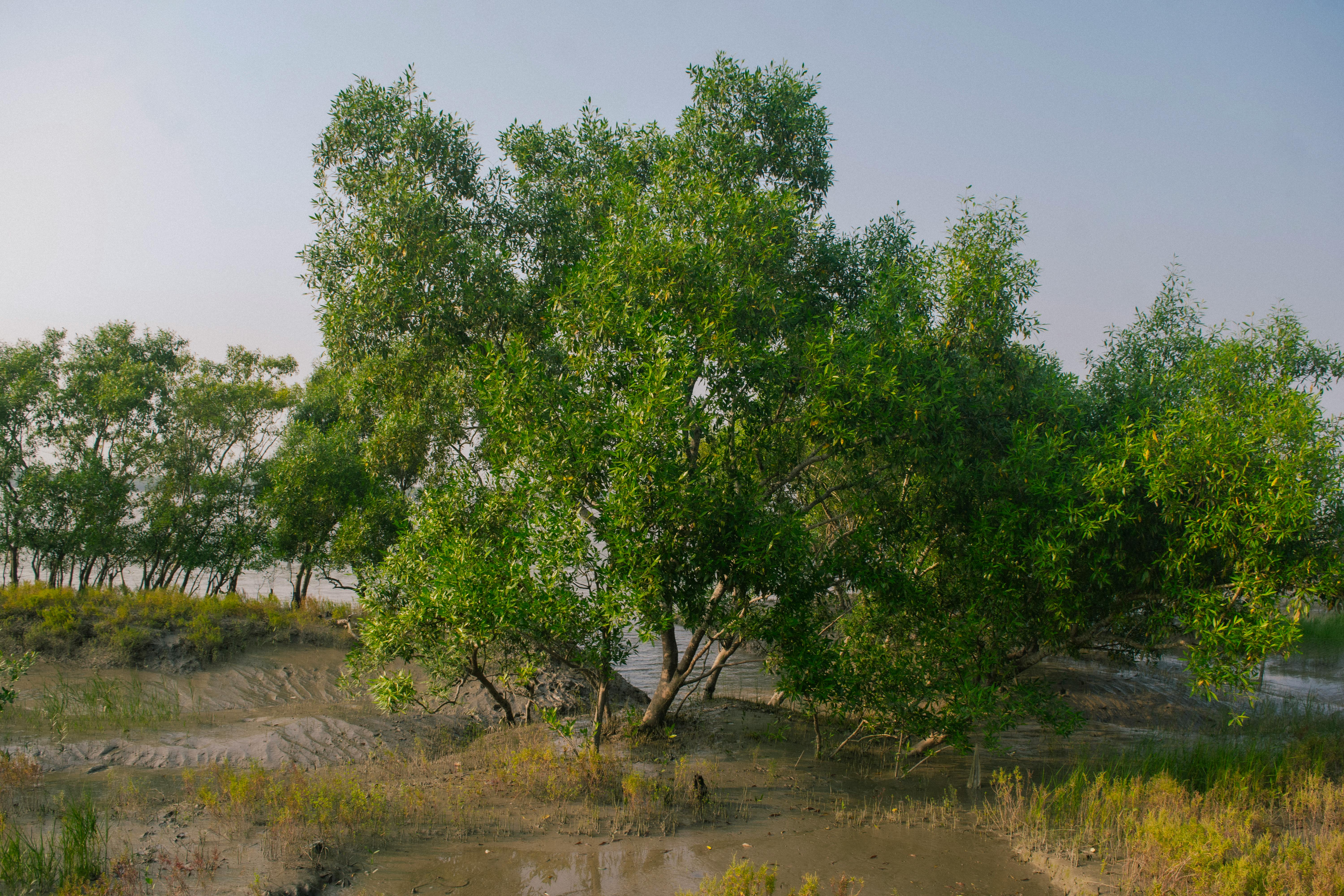
The Sundarbans, a UNESCO World Heritage Site straddling India and Bangladesh, is the planet’s largest mangrove forest—a living delta where three mighty rivers meet the sea. Tides write the daily script here, and wildlife moves to a rhythm older than the villages themselves.
This 3-day itinerary focuses on the Indian side of the Sundarbans, traveling via Kolkata to Godkhali jetty and onward by boat to an eco-lodge. You’ll explore classic safari creeks, climb watchtowers like Sajnekhali and Sudhanyakhali, cross the famous Dobanki canopy walk, and learn how islanders farm fish, collect honey, and venerate Bonbibi, the forest’s guardian spirit.
Practical notes: November–February offers the most comfortable weather and prime birdwatching. Park entry permits and licensed boats are mandatory (your lodge or operator will arrange them). Expect patchy mobile coverage, limited ATMs, and a firm “no plastic” ethos—pack a reusable bottle, sun protection, and insect repellent.
Sundarbans (India)
Base yourself at an eco-lodge on Dayapur, Pakhiralay, Bali Island, or Jharkhali—quiet hamlets with quick access to safari creeks. You’ll glide past pneumatophores (mangrove “breathing roots”), keep an eye out for saltwater crocodiles basking on the mudflats, and scan the treeline for the elusive Royal Bengal Tiger. Even without a tiger sighting, otters, spotted deer, wild boar, monitor lizards, and iridescent kingfishers keep the binoculars busy.
Top sights include the Sajnekhali Watchtower and Nature Interpretation Centre, the Sudhanyakhali Watchtower (famed for tiger pugmarks), and the Dobanki canopy walk—an elevated corridor threading through mangrove tops with views over tidal creeks. Cultural highlights add depth: Gosaba’s Hamilton Bungalow recalls the utopian experiments of Sir Daniel Hamilton, whom Rabindranath Tagore visited to discuss rural self-help and cooperative ideals.
Food is hearty and home-style—think river prawns, crab curry, bhetki paturi (fish steamed in banana leaf), and veg staples like mochar ghonto and alu posto. Tea rules the day, though many lodges also pour a decent filter coffee. For sweets, try nolen gur sandesh and mishti doi when you pass through Gosaba bazar (winter is best for the date-palm jaggery).
- Where to stay (search and compare): Browse eco-lodges and homestays near “Sundarbans” on VRBO and hotels/guesthouses on Hotels.com. Look for properties on Dayapur, Pakhiralay, Bali Island, or Jharkhali for easy jetty access.
- Getting there: Fly into Kolkata (CCU) via Trip.com Flights or Kiwi.com. From Kolkata, drive 3–3.5 hours (95–110 km) to Godkhali jetty, then 60–90 minutes by boat to your lodge. Private sedan with driver is typically ₹4,500–₹6,500 each way; shared transfers run ₹500–₹900 per person.
- Budget option: Local train from Sealdah to Canning (about 1.25–1.5 hours), then shared auto/van to Godkhali (45–60 minutes). Check schedules and fares on Trip.com Trains. Expect trains to cost just a few dozen rupees; onward autos are usually ₹100–₹200 per seat.
Day 1: Kolkata Arrival, Transfer to the Islands, Sajnekhali Start
Morning: Land in Kolkata and set out late morning for Godkhali jetty. If you prefer rail, catch a Sealdah–Canning suburban train, then hop a shared van to the jetty. Grab a cup of sweet, milky chai at the jetty tea stalls and a packet of jhal muri (puffed rice salad) for the boat ride.
Afternoon: Board your lodge’s boat to the islands—watch egrets shadow the hull as mudskippers flick from the banks. After check-in and a quick Bengali lunch (try bhetki fry or a veg thali with posto and dal), cruise to Sajnekhali Watchtower. Visit the Nature Interpretation Centre for exhibits on mangroves and tiger conservation, peek at the crocodile pond, and pay respects at the Bonbibi shrine.
Evening: Sunset drift through narrow creeks near Pirkhali or Gazikhali where kingfishers and bee-eaters traffic home. Dinner back at the lodge—order crab malai curry or prawn malaikari with steamed rice, plus seasonal veg. If available, catch a short Bonbibi or Jhumur folk performance by local artists.
- Dinner ideas: In-house dining at your eco-lodge is best for freshness and safety: ask for river prawn malaikari, bhetki paturi, or a veg spread with mochar ghonto. Many lodges can do kosher/vegan/veg on request—ask by noon.
- Night tip: Forest rules prohibit night cruising. Stargaze from the jetty and listen for distant frog choirs when the tide turns.
Day 2: Full-Day Mangrove Safari—Dobanki Canopy Walk and Sudhanyakhali
Morning: Early launch (around first light) with packed breakfast—tea, fruit, luchi or paratha, and boiled eggs. Aim for the Dobanki canopy walk, an elevated, caged walkway where you can scan mangrove crowns and creeks for raptors, deer, and crocodiles. Bring binoculars (8x42 is ideal) and a lightweight scarf for sun and spray.
Afternoon: Continue along classic tiger-country channels like Deul Varani and Panchamukhani (routes vary with tides). Hot lunch is usually served onboard: rice, dal, sabzi, and fish curry or paneer. Later, climb the Sudhanyakhali Watchtower—often good for fresh pugmarks, mud-baths used by boar and deer, and marsh harriers quartering the flats. Keep voices low; the forest hears before it sees.
Evening: Return to the lodge before dusk, as mandated. Unwind with a cup of “black cha” (strong tea) and a plate of muri with fried peanuts and green chilies. Dinner might feature kosha mangsho (slow-cooked mutton) or a lighter shorshe ilish (if in season) with steamed gobindobhog rice. Ask your host about mouals (honey collectors) and bawalis (woodcutters)—their stories bring the delta’s risks and reverence to life.
- Food & drink today: Breakfast and lunch onboard; dinner at the lodge. Vegetarians can request posto-based dishes, alu jhinge, or seasonal gourds in mustard gravy.
- What you might see: Saltwater crocodiles, otter families, water monitors, spotted deer, black-capped kingfishers, brahminy kites, and during winter, flocks of migratory waders. Tiger sightings are rare but real—watch the banks at slack tide.
Day 3: Sunrise Birding, Village Life in Gosaba, Return to Kolkata
Morning: Optional dawn boat for birding in quieter creeks or a short spin toward dolphin-friendly channels (conditions permitting) near Jharkhali. After breakfast, head to Gosaba for a guided village walk—visit the historic Hamilton Bungalow and learn how embankments, fish ponds, and prawn seed farms shape livelihoods. Pop into a local sweet shop for nolen gur sandesh in winter.
Afternoon: Early lunch at the lodge, then boat back to Godkhali and drive (or train+van) to Kolkata for your afternoon departure. If time allows, ask your driver for a quick stop in the city for takeaway mishti doi for the road.
Evening: Most travelers fly out late afternoon or evening. If you’re staying on, consider a Kolkata add-on—iconic rosogolla, College Street bookshops, and Victoria Memorial pair beautifully with a Sundarbans safari.
- Transfer timing: Boat to Godkhali 60–90 minutes; road to Kolkata 3–3.5 hours, depending on traffic and ferry schedules. Build in a buffer for tides.
- Where to book transport: Compare flights on Trip.com Flights or Kiwi.com. For the suburban train leg (Sealdah–Canning), see Trip.com Trains.
Dining short list (ask your lodge or operator to arrange meals safely):
- Lodge dining halls (Dayapur/Pakhiralay/Jharkhali): Fresh-caught river fish, crab, and prawns; veg thalis with seasonal produce. Request bhetki paturi, prawn malaikari, or veg posto dishes. Most can prepare kid-friendly and vegan meals with notice.
- WBTDC Sajnekhali Tourist Lodge Canteen (when open): Simple plates—rice, dal, seasonal fish curry—ideal if you’re around Sajnekhali midday.
- Gosaba bazar eateries: Basic but flavorful lunches (veg thali or egg curry) and sweet shops. Try nolen gur sandesh (winter) and a clay-cup chai.
Practical tips:
- Permits, licensed guides, and lifejackets are compulsory—your lodge/operator handles paperwork; foreigners should carry passports.
- Carry cash in small notes; ATMs and card machines are scarce on the islands.
- Pack light layers, hat, polarized sunglasses, reef-safe sunscreen, insect repellent, and a dry bag for camera gear. Drones are not allowed.
- The forest is a quiet place—no music on boats. Plastic carry-bags are banned; bring your reusable bottle.
When choosing accommodation, compare options around “Sundarbans” on VRBO and Hotels.com—look for properties advertising their own boats, naturalist guides, and proximity to Sajnekhali/Dobanki circuits.
For flights into and out of Kolkata (CCU), compare on Trip.com or Kiwi.com; for India train legs (e.g., Sealdah–Canning), see Trip.com Trains.
Summary: In three days, this Sundarbans itinerary blends wildlife boat safaris, canopy walks, and watchtower stops with glimpses of everyday island life. You’ll leave with salt on your skin, mangrove silhouettes in your photos, and a deeper respect for the people who navigate this tidal wilderness.