
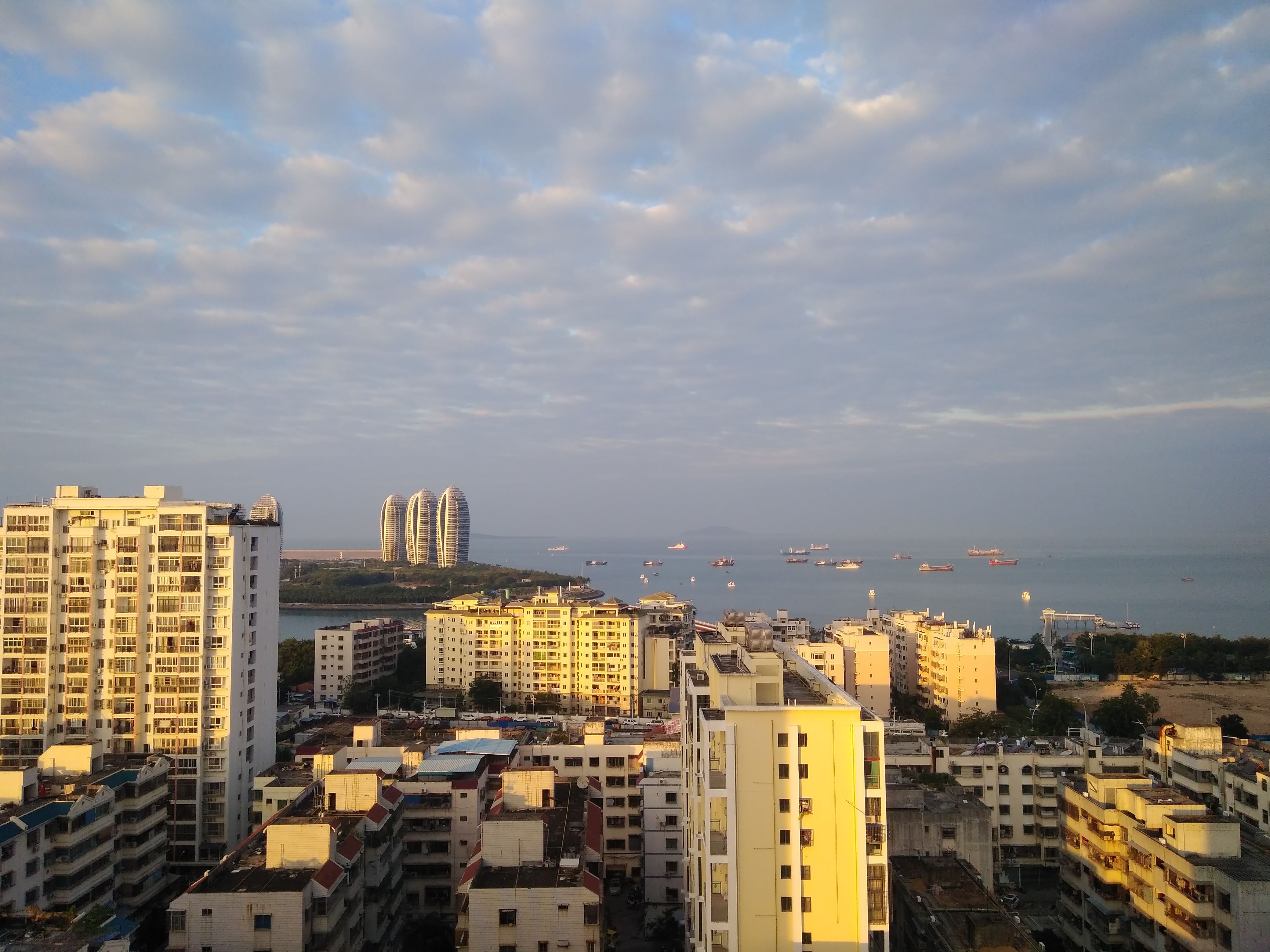
Guangzhou, long known to the outside world as Canton, has been one of China’s great trading cities for more than a thousand years. Merchants from Arabia, Europe, and Southeast Asia came here for tea, silk, porcelain, and spices, and that commercial instinct still defines the city today—only now it shares space with futuristic towers, vast malls, dim sum palaces, and sprawling wholesale districts.
What makes Guangzhou especially rewarding for a short trip is its range. You can spend the morning in polished riverfront neighborhoods near Pazhou and the afternoon in dense market streets where fashion, luggage, watches, and electronics change hands at lightning speed. It is also one of China’s best food cities, with Cantonese cooking that prizes freshness, precision, and balance over blunt intensity.
For practical planning in March 2025, Guangzhou is straightforward for a weekend if you stay disciplined with geography. Your hotel, Shangri-La Guangzhou, sits in the Pazhou area near the Canton Fair complex, which is excellent for comfort but not right beside the old commercial districts, so taxis and metro rides should be built into the plan. Because legal, tourist-facing “Super Mario Kart” street driving is not a normal Guangzhou activity and may be difficult or impossible to arrange responsibly, this itinerary prioritizes the city’s strongest and most realistic weekend experiences: markets, food, skyline views, and efficient neighborhood exploring.
Guangzhou
Guangzhou is a city of trade, appetite, and restless reinvention. It can feel corporate and polished by the Pearl River, then suddenly raw and kinetic in the wholesale neighborhoods around Guangzhou Railway Station, Baima, Zhanxi, and Haiyin—exactly the kind of contrast that makes a short stay memorable.
For your goals, the city’s greatest strength is its market ecosystem. Some places function as legitimate wholesale centers, some sell export-overruns or unbranded fashion, and some carry goods that drift into clear replica territory; inventory changes quickly, and discretion matters. Go with cashless payment options ready, bargain politely, inspect quality carefully, and avoid assuming every seller wants lengthy browsing.
Food is your second major advantage. Cantonese cuisine is ideal for a weekend because it works at every hour: morning dim sum, roast goose at lunch, double-boiled soups in the evening, and late-night dessert shops serving mango sago, ginger milk curd, or silky tofu pudding.
Where to stay: Since you are already booked at Shangri-La Guangzhou, keep it as your base for all three days. If you want backup or comparison options for future trips, browse Hotels.com Guangzhou hotels or Vrbo Guangzhou stays.
Getting there and around: For flights into Guangzhou, compare schedules on Trip.com flights or Kiwi.com flights. From Baiyun Airport to Shangri-La Guangzhou, expect roughly 45-70 minutes by taxi depending on traffic, or longer by metro with transfers. Within the city, taxis and ride-hailing are often the fastest for this short itinerary, especially when carrying purchases from market districts.
- Area strategy: Pazhou for your hotel and riverfront ease; Yuexiu and the railway station area for wholesale and fashion markets; Tianhe for polished dining and modern city energy.
- Market note: “짝퉁시장” is best interpreted in practice as Guangzhou’s fashion, accessories, watch, bag, and wholesale market clusters. Specific vendors and floors change frequently, so treat neighborhoods rather than individual stalls as the destination.
- Best local flavor: Dim sum, roast goose, white-cut chicken, wonton noodles, claypot rice, steamed rice rolls, and old-school Cantonese dessert shops.
Day 1 - Friday: Arrival, Pazhou Check-In, and an Easy First Night
Morning: This is your travel day, so keep the morning reserved for your flight and arrival preparations. If you have not already done so, save your hotel address in Chinese, set up a working payment method, and bookmark Trip.com for any flight updates.
Afternoon: You arrive Friday at 17:22, so assume a direct transfer to Shangri-La Guangzhou and hotel check-in. The property is one of the more comfortable bases in Pazhou, and after an evening arrival the smartest move is to resist crossing half the city immediately; instead, settle in, freshen up, and use the first night to get oriented.
Evening: For dinner, keep things easy and properly Cantonese. If you want a dependable classic meal in a polished setting, dine at the hotel or ask the concierge for a nearby Cantonese restaurant in Pazhou or Tianhe; if you are willing to do one short ride, head toward Tianhe for roast goose or dim sum at a reputable Cantonese restaurant such as Bing Sheng-style dining, known for carefully prepared roast meats, stir-fries, and seafood. The reason to start with Cantonese staples on night one is simple: after a flight, nothing beats a meal built around clean flavors, hot tea, and dishes meant for sharing.
Evening: After dinner, take a relaxed walk rather than a full sightseeing push. The Pearl River side and the broader Pazhou/Canton Fair district give you a first glimpse of Guangzhou’s modern face—broad avenues, towers, exhibition halls, and a business-city rhythm quite different from the older market quarters you will see tomorrow.
Evening: If you want a soft landing dessert stop, look for a branch of a trusted Cantonese dessert chain or local sweet shop serving mango pomelo sago, double-skin milk, or ginger milk curd. These desserts are not just snacks; they are part of the region’s food culture, lighter and more elegant than heavy pastries, and an ideal first-night finish.
Day 2 - Saturday: Guangzhou Wholesale Markets, Replica-Hunt Districts, and Old-School Cantonese Food
Morning: Start early with a substantial Cantonese breakfast, either at your hotel or at a respected dim sum restaurant before the market crowds build. Order shrimp dumplings, siu mai, rice noodle rolls, char siu buns, turnip cake, and phoenix claw if you enjoy the traditional spread; dim sum is worth doing properly because Guangzhou is one of its spiritual homes, where the meal is as much about tea and pacing as it is about the dishes themselves.
Morning: Then head to the Guangzhou Railway Station wholesale area, the city’s most practical zone for your main objective. Focus on the Baima Garment Market and the surrounding fashion market ecosystem in Yuexiu District. Baima is best known as a serious clothing wholesale center rather than a theatrical tourist market, which is exactly why it is useful: you can survey current fashion stock, compare quality tiers, and get a sense of how Guangzhou’s garment trade actually functions.
Morning: After Baima, walk or taxi through the nearby Zhanxi Road commercial area, where watches, bags, shoes, luggage, and fashion accessories circulate in dense clusters of trade buildings and street-facing shops. This district is the closest fit for travelers casually describing a “fake market,” but approach it as a fluid neighborhood rather than a single destination. Inventory shifts, sellers can be brisk, and the best strategy is to browse calmly, inspect stitching and materials, and compare before buying.
Afternoon: Break for lunch near Yuexiu with something unmistakably local. A strong choice is roast goose or roast pork at a well-regarded Cantonese roast shop; if you find a branch of a trusted local chain, order roast goose over rice, soy sauce greens, and a clear soup. Roast goose is one of Guangzhou’s signature pleasures because the skin should be lacquered and crisp while the meat stays rich and juicy, a beautiful example of Cantonese control and restraint.
Afternoon: Continue to the leather goods and accessories markets in the broader railway station orbit, or shift toward Haiyin and related commercial zones if electronics, smaller accessories, or mixed wholesale stock interest you more. If you are looking for bags, wallets, belts, or travel accessories, this is the time to compare construction quality and hardware carefully. In Guangzhou, two products that look similar at first glance often differ sharply once you inspect zippers, edge paint, lining, and weight.
Afternoon: Build in one coffee break to keep the day pleasant rather than purely transactional. Choose a specialty coffee shop in Tianhe or Yuexiu on your route back—Guangzhou’s coffee scene is stronger than many first-time visitors expect, and a good café reset helps after fluorescent-lit market buildings and hard bargaining. An ideal stop is any well-rated independent café with hand-brew coffee or a solid flat white; the point is less the specific brand than giving yourself a proper pause before the evening.
Evening: For dinner, go more deliberately traditional. Seek out a classic Cantonese restaurant known for old fire double-boiled soup, steamed fish, stir-fried seasonal greens, and claypot dishes. Good ordering logic for two or more people would be one soup, one roast or braised specialty, one seafood or steamed dish, and one vegetable. This style of meal shows why Guangzhou is revered in Chinese culinary history: precision, ingredient quality, and texture matter more than shouting spice or heavy sauce.
Evening: If you still have energy, end the night at the Canton Tower area or by the Pearl River for skyline views. You do not need a long attraction list here; the reward is the contrast. After spending the day in the city’s commercial engine room, the illuminated riverfront lets you see Guangzhou as a global metropolis rather than only a market maze.
Day 3 - Sunday: Slow Morning, One Final Food Stop, and Departure
Morning: Keep your final morning relaxed and local. Enjoy breakfast at the hotel or make one more deliberate food run for wonton noodles, congee, or rice noodle rolls at a dependable neighborhood eatery. Wonton noodles are especially worth seeking out because the Cantonese version is all about springy noodles, delicate broth, and compact shrimp wontons rather than oversized dumplings.
Morning: If you want a final shopping window before leaving, use it for targeted purchases rather than another major market expedition. The best move is to revisit one district only if you identified a specific item yesterday; otherwise, consider a modern retail stop in Tianhe for snacks, tea, or practical gifts. That keeps the last day controlled and avoids dragging luggage through the city.
Afternoon: Check out from Shangri-La Guangzhou and leave for the airport with generous buffer time. Depending on traffic, the ride can stretch, and Sunday movement across Guangzhou is not something to gamble with if your flight is fixed. If you still need to confirm your return routing, keep Trip.com flights or Kiwi.com flights handy for live timing.
Evening: This portion is assumed to be your return journey. If you find yourself with extra time before departure, buy edible souvenirs instead of fragile goods—tea, packaged pastries, or local sweets travel better and make for a more satisfying last-minute purchase than rushed market items.
Over three days, this Guangzhou itinerary gives you exactly what a short weekend should: a comfortable base at Shangri-La Guangzhou, serious time in the city’s wholesale and replica-adjacent market districts, and enough Cantonese dining to understand why food alone justifies the trip. It is a practical plan rather than an overloaded one, which is the right approach for a Friday-evening arrival and Sunday return.
The omitted “Super Mario Kart” idea is not a loss here. Guangzhou’s real character lies in its market energy, riverfront skyline, and quietly superb cooking—and that combination makes for a sharper, more authentic weekend than any gimmick could.