
31 Days on Route 66: A Deep-Dive Road Trip Itinerary Through Chicago, Oklahoma City, and Los Angeles
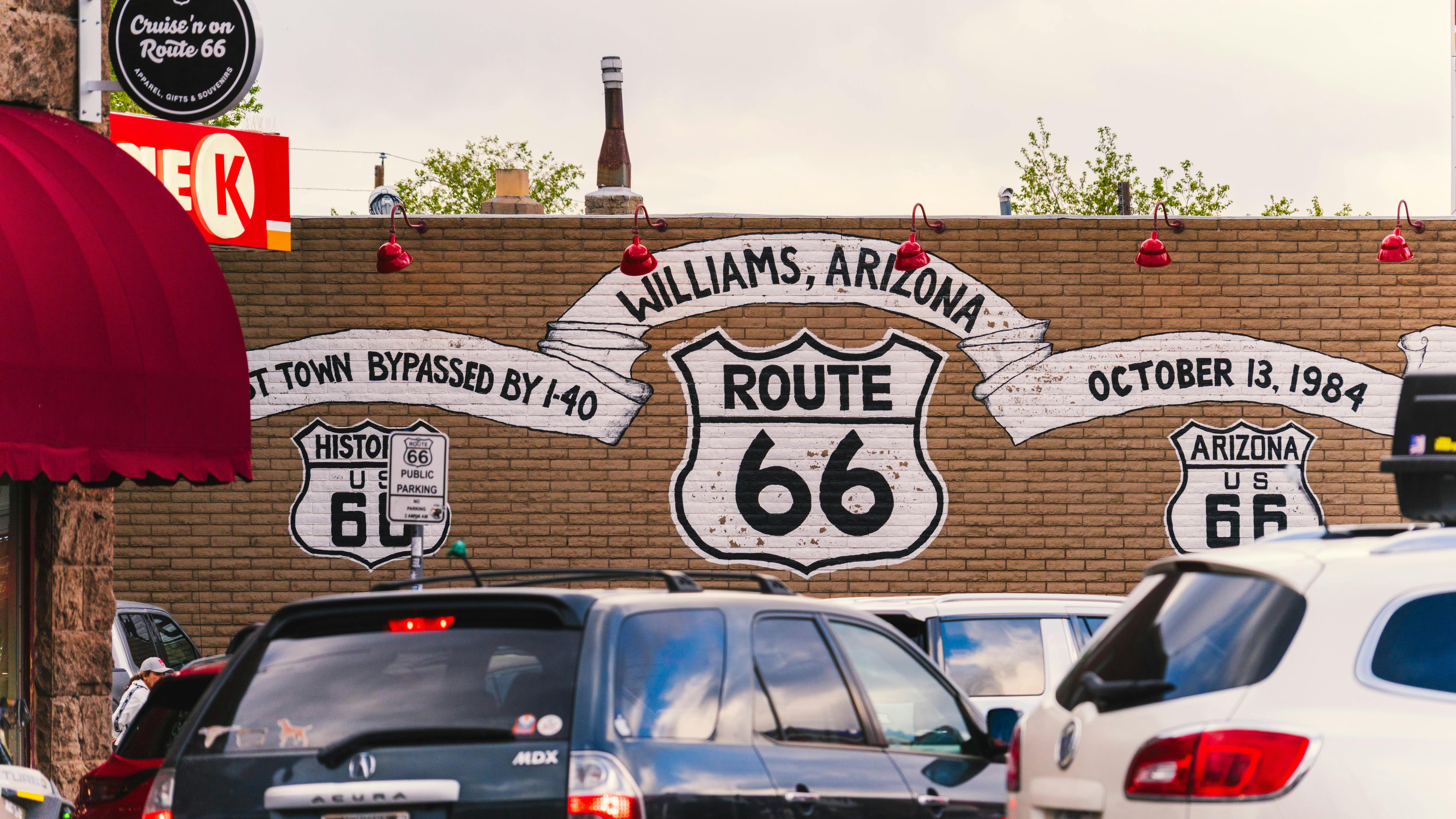
Few roads in the world carry the mythology of Route 66. Officially established in 1926, the “Mother Road” stitched together small towns, big ambitions, migrant histories, motor courts, trading posts, and diners from Chicago to Santa Monica, becoming both a practical highway and a symbol of American movement.
Route 66 is not one single preserved road today, but a patchwork of surviving alignments, historic districts, museums, bridges, gas stations, and neon-soaked main streets spread across eight states. For a 31-day trip, the smartest approach is to anchor your journey around three major cities with strong infrastructure and then use them to explore the most evocative stretches: Chicago for the eastern beginning, Oklahoma City for the great middle, and Los Angeles for the California finale.
Practical notes matter on Route 66. A rental car is essential for the full experience, summer heat in the Southwest can be intense, and some classic stops keep limited hours, so it is wise to start driving days early and confirm museum or diner schedules ahead of time. This itinerary mixes urban culture, roadside Americana, local food, classic motels, and scenic driving so the journey feels both cinematic and grounded.
Chicago
Chicago gives Route 66 its ceremonial beginning, and it does so with style. Before the long stretches of prairie and desert, you begin among grand architecture, old-school lunch counters, blues history, and the famous “Begin Route 66” sign on Adams Street.
This is a city where the road-trip fantasy meets real urban energy. Spend time here not just because it is the technical starting point, but because Chicago adds context: industry, migration, rail history, immigrant food traditions, and the sheer scale of a metropolis that helped make cross-country travel meaningful.
Getting there: Fly into Chicago and compare fares via Trip.com flights or Kiwi.com flights. From O'Hare or Midway, allow 30-60 minutes to reach central Chicago depending on traffic; flights vary widely, but domestic fares often land around $120-$350 if booked ahead.
Where to stay: Browse VRBO in Chicago or Hotels.com Chicago stays. For this section of the Route 66 road trip, the Loop, River North, West Loop, or near South Loop are especially practical for walking, dining, and picking up a rental car later.
Days 1-4: Chicago’s Route 66 origins and classic city highlights
Start at the Begin Historic Route 66 sign on Adams Street near Michigan Avenue. It is quick, iconic, and worth doing early in the morning before the crowds arrive; it also sets the mood for the entire itinerary, because this is less a single attraction than a ritual of departure.
Walk through the Loop and admire landmarks such as the Rookery, the Chicago Board of Trade, and the Art Deco and Beaux-Arts streetscapes that framed early automobile culture. The Chicago Architecture Center river cruise is one of the best introductions to the city, not because it is touristy, but because it explains how Chicago became one of America’s defining urban experiments.
Spend several hours at The Art Institute of Chicago. Its collection is world-class, but for a Route 66 traveler it also offers a useful contrast: before heading into roadside Americana, you begin with one of the country’s great cultural institutions.
- Coffee and breakfast: Lou Mitchell’s is the classic answer and a very good one. Opened in 1923, it is often treated as Route 66’s unofficial starting breakfast, known for hearty omelets, pancakes, and old-fashioned hospitality. Intelligentsia Coffee in the Loop is excellent if you want a more modern caffeine stop with serious beans and efficient service.
- Lunch: Al’s #1 Italian Beef gives you one of Chicago’s defining sandwiches, best ordered dipped if you do not mind a glorious mess. The Gage, across from Millennium Park, offers a polished gastropub lunch in a handsome historic building if you want something more leisurely.
- Dinner: The Berghoff is one of Chicago’s grand old dining rooms and fits the historical spirit of the trip beautifully, with German-American roots and a sense of old downtown permanence. For deep-dish pizza, Pequod’s is beloved for its caramelized crust and less tourist-driven reputation than some downtown rivals.
Days 5-7: Day trips along Illinois Route 66
Pick up your rental car and use Chicago as a base for the Illinois stretch. Drive southwest toward Joliet, Wilmington, Pontiac, and Bloomington-Normal, tracing preserved bits of the old alignment and stopping often; Route 66 rewards curiosity more than speed.
In Joliet, the Route 66 Welcome Center and the old prison area add texture to the story of industry and transport. In Wilmington, the giant green Gemini Giant remains one of the road’s most famous muffler-man figures, a piece of roadside pop culture so strange and so perfect that it instantly justifies the trip.
Pontiac is one of the best small-town Route 66 stops in the country. The Route 66 Association Hall of Fame & Museum and the town’s murals are affectionate rather than slick, giving you the sense that ordinary people, not branding consultants, preserved this legacy.
- Breakfast on the road: Polk-a-Dot Drive In in Braidwood is a pure Route 66 novelty stop with giant statues and classic fast-food nostalgia. It is kitschy, yes, but happily so.
- Lunch: Old Log Cabin in Pontiac is a fitting roadside meal, while Bloomington offers more contemporary options if you want a break from diner fare.
- Dinner back in Chicago: Girl & The Goat in the West Loop remains one of the city’s strongest tables for bold, shareable plates. If you prefer something more low-key after a long drive, Au Cheval serves one of Chicago’s most famous burgers, rich and worth the wait.
Days 8-10: More Chicago neighborhoods before the long drive west
Use these days to explore beyond the central core. Pilsen offers murals, Mexican heritage, and strong taquerias; Wicker Park and Logan Square bring independent coffee shops, bookstores, cocktail bars, and the sort of neighborhood atmosphere that makes a city memorable rather than merely checklist-worthy.
If you want one especially good museum pairing, combine the Museum of Contemporary Art Chicago with an evening at a jazz or blues venue. Route 66 has always been about movement, but movement means more when you understand the music, labor, and migration histories that animated the places along it.
- Coffee: Sawada Coffee is stylish without feeling hollow, especially if you like stronger espresso drinks. Dark Matter Coffee is more experimental and deeply rooted in Chicago’s modern coffee culture.
- Lunch: In Pilsen, Carnitas Uruapan is a local institution for deeply flavorful, no-nonsense carnitas. In Logan Square, Daisies is a standout for handmade pasta and produce-driven cooking with a Midwest sensibility.
- Dinner: Hopleaf in Andersonville is excellent if you want Belgian beer, mussels, and a neighborhood feel. Avec in the West Loop remains a strong choice for Mediterranean small plates in a warm, energetic room.
Oklahoma City
Oklahoma City sits at the muscular heart of Route 66. Here the road begins to feel bigger, flatter, stranger, and more mythic, with cattle-country history, oil-boom echoes, neon signs, Native histories, and a notable concentration of surviving Route 66 culture nearby.
It is also one of the best places to slow down. Rather than merely passing through, staying several days lets you explore Oklahoma’s surprisingly rich Route 66 heritage in places like Arcadia, Edmond, Tulsa as a day trip, and Clinton farther west.
Travel from Chicago to Oklahoma City: This is best done as a road-trip transfer with overnight stops, but if you prefer to reposition more quickly, compare flights on Trip.com flights or Kiwi.com flights. Direct or one-stop flights usually take about 2.5-5 hours total and often price around $120-$280, while the drive itself is roughly 11-13 hours without detours, so many travelers break it into two days.
Where to stay: Browse VRBO in Oklahoma City or Hotels.com Oklahoma City stays. Bricktown is convenient for visitors, while Midtown and Paseo put you closer to local restaurants and a more residential rhythm.
Days 11-15: Oklahoma City fundamentals, Bricktown, Midtown, and the Memorial
Begin with the Oklahoma City National Memorial & Museum. It is sober, beautifully designed, and one of the most affecting museums in the country; this is not a checkbox stop, but a place to give proper time and attention.
Balance that solemnity with time in Bricktown, where converted warehouse buildings, the canal area, and ballpark energy show the city’s reinvention. The National Cowboy & Western Heritage Museum is also essential, and much better than visitors often expect: part art museum, part historical archive, part mythology lab for the American West.
- Coffee and breakfast: Harvey Bakery & Kitchen in Midtown is a strong morning choice for pastries, breakfast plates, and a room that feels lively without being hectic. EOTE Coffee is a favorite for more serious coffee, often with nuanced roasts and a local crowd rather than a tourist scene.
- Lunch: Cattlemen’s Steakhouse in Stockyards City is one of the city’s classic meals. It is old-school, unpretentious, and tied directly to Oklahoma’s cattle economy; even if you do not order a steak, the atmosphere is worth the visit.
- Dinner: Grey Sweater is the splurge option for a more inventive tasting-menu evening. For something more relaxed but still excellent, Ma Der Lao Kitchen has become one of the city’s most acclaimed restaurants, with vibrant Lao flavors and a genuinely exciting menu.
Days 16-19: Arcadia, Edmond, and the best Route 66 day trips near Oklahoma City
This is where Oklahoma becomes pure Route 66 pleasure. Drive northeast to Arcadia, where the round red barn and roadside atmosphere feel almost too photogenic to be real. The star stop is POPS 66, famous for its giant soda-bottle sculpture and enormous range of bottled sodas from classic colas to eccentric niche flavors.
Nearby, the restored Round Barn is a wonderful piece of roadside Americana, and the small exhibits inside help explain how preservation on Route 66 often depends on stubborn local love. Continue through Edmond and farther if desired toward Tulsa-related sites, or simply spend a leisurely day stopping at vintage signs, gift shops, and local cafés rather than racing for distance.
If you want a longer excursion, head west to Clinton for the Oklahoma Route 66 Museum, one of the strongest Route 66 museums anywhere. It gives the road’s history in atmospheric, decade-by-decade form, making the broader trip feel much more coherent.
- Breakfast: Café Kacao is not Route 66-themed, but it is one of Oklahoma City’s great breakfasts, loved for Guatemalan and Latin American dishes with bold flavors. Expect popularity and possible waits, but it earns them.
- Lunch on the road: Pops in Arcadia is a fun, easy stop for burgers, sandwiches, fries, and the essential soda ritual. It is touristy, certainly, but on Route 66 that can be part of the fun rather than a flaw.
- Dinner: In the Paseo Arts District, Frida Southwest offers polished regional cooking with a strong sense of place. Paseo Grill is another good evening pick if you want something intimate and steady rather than flashy.
Days 20-21: Deeper local Oklahoma City neighborhoods and hidden gems
Use your final Oklahoma City days for neighborhoods that many road-trippers skip. The Paseo Arts District is compact and pleasant, with galleries, small storefronts, and a relaxed walking rhythm. Plaza District has murals, boutiques, and a younger creative energy.
If your timing aligns, catch live music or a local event rather than chasing one more museum. Route 66 is partly about attractions, but partly about letting ordinary American places reveal themselves at coffee counters, brewery patios, and neighborhood streets after sunset.
- Coffee: Elemental Coffee remains a favorite for thoughtful coffee and a bright morning atmosphere. Clarity Coffee is another dependable stop for carefully made espresso drinks.
- Lunch: The Mule in Plaza District is ideal for elevated comfort food, especially if you want inventive grilled cheese combinations with tomato soup or sides. Tucker’s Onion Burgers is the place for a deeply Oklahoma specialty: the onion burger, smashed thin with onions grilled directly into the beef.
- Dinner: Nonesuch is the ambitious choice for those who want a memorable final dinner in town. For something more casual, Barrios Fine Mexican Dishes offers lively cocktails and flavorful dishes in Midtown.
Los Angeles
Los Angeles is the cinematic ending Route 66 deserves. The road concludes not in a quaint square but in a vast, contradictory metropolis of palms, boulevards, taco stands, film lore, beach light, and traffic-sculpted ambition, finally tapering off near Santa Monica and the Pacific.
This final chapter feels different from Chicago and Oklahoma City, and that is precisely the point. Route 66 ends in California promise: desert-to-ocean contrast, classic diners giving way to beach paths, and the old dream of westward arrival finding its last scene at the water.
Travel from Oklahoma City to Los Angeles: Flying is the practical choice for this itinerary’s city-anchor model. Compare fares on Trip.com flights or Kiwi.com flights; flights are typically about 3-5.5 hours total depending on routing and commonly range from $140-$320. If you choose to drive sections of the Southwest instead, allow multiple days and plan carefully for desert conditions.
Where to stay: Browse VRBO in Los Angeles or Hotels.com Los Angeles stays. Santa Monica works beautifully for the Route 66 finale, while Downtown LA, Hollywood, West Hollywood, or Los Feliz can make more sense if you want easier access to museums and dining.
Days 22-25: Santa Monica, the Route 66 finish, and coastal Los Angeles
Go first to Santa Monica Pier and the nearby signs marking the symbolic end of Route 66. It is touristy, undeniably, but there is genuine emotion in standing at the Pacific after tracing America’s most legendary highway westward.
Spend time walking the beach path, exploring Ocean Avenue, and lingering over sunset rather than treating the pier as a quick photo stop. The joy here is not only the endpoint itself, but the release after weeks of road history, diners, prairie, and desert.
- Coffee and breakfast: Blueys Santa Monica is a cheerful breakfast choice with Australian-style café energy and dependable coffee. Dogtown Coffee is more rooted in local surf culture, making it especially fitting near the beach.
- Lunch: Bay Cities Italian Deli in nearby Santa Monica is famous for its stacked sandwiches, especially the Godmother, and works well for a picnic lunch. Gjusta in Venice is one of the best daytime food stops on the Westside, known for superb breads, smoked fish, pastries, and market-driven plates.
- Dinner: Cobi’s in Santa Monica offers a stylish but inviting room and a menu drawing on Southeast Asian influences with real personality. For seafood and a more celebratory mood, Water Grill Santa Monica is a solid choice for oysters, fish, and polished service.
Days 26-28: Downtown LA, Hollywood history, and classic roadside culture
Route 66 in Los Angeles is not just beaches; it is also old boulevards, motoring culture, and neon-era urban sprawl. Explore parts of Downtown LA, including the Bradbury Building, Grand Central Market, and The Broad, then trace bits of historic roadway through Hollywood and toward the older commercial corridors that cars helped shape.
For roadside nostalgia, seek out classic establishments and surviving mid-century signage. Pair that with the Petersen Automotive Museum, which is practically mandatory for a Route 66 traveler: it tells the story of car design, California dreams, and American motion better than almost anywhere else.
- Coffee: Maru Coffee in Los Feliz or Arts District is excellent for carefully made espresso and minimalist calm. Kumquat Coffee in Highland Park is another standout if you are exploring the northeast side.
- Lunch: At Grand Central Market, go specific rather than wandering aimlessly: Villa Moreliana for carnitas, For the Win for a very good smash burger, or Sari Sari Store for Filipino flavors. The market works because it captures LA’s many food identities under one roof.
- Dinner: Musso & Frank Grill in Hollywood is one of the city’s most storied dining rooms, opened in 1919 and still gloriously old-school; order a martini, steak, or classic continental dish and enjoy the sense of continuity. Dan Tana’s offers another throwback evening, beloved for red-sauce Italian-American fare and long-running celebrity lore.
Days 29-31: Neighborhood LA, hidden gems, and a strong Pacific finale
Finish with the neighborhoods that make Los Angeles feel less like an industry and more like a lived-in city. Los Feliz, Silver Lake, Highland Park, and Pasadena each reveal different versions of LA, from hillside streets and stylish cafés to older commercial strips and historic architecture.
If you want one last nod to Route 66’s spirit, drive eastward through older parts of the city and notice how the road disperses into ordinary life. That is one of the route’s deepest pleasures: it was never only a sightseeing path, but a working road folded into the daily fabric of America.
- Breakfast: Sqirl remains a notable LA breakfast stop for ricotta toast, jam, grain bowls, and seasonal plates, especially if you are spending time on the east side. Clark Street Diner is ideal if you want a classic diner feel with strong pastries and breakfast staples done very well.
- Lunch: In Highland Park, Joy is a favorite for Taiwanese comfort food such as dan dan noodles and scallion pancakes in a casual room that buzzes with locals. In Pasadena, Roma Market is beloved for its simple, excellent sandwiches and old-school atmosphere.
- Dinner: Bestia in the Arts District is still a high-energy standout for house-made charcuterie, pasta, and wood-fired dishes, worth booking ahead. For a final special meal with a broader California lens, Bavel offers bold Middle Eastern flavors and one of the city’s most memorable dining rooms.
This 31-day Route 66 itinerary gives you the road’s essential arc without reducing it to a blur of windshield miles. By anchoring in Chicago, Oklahoma City, and Los Angeles, you get the beginning, the beating heart, and the Pacific ending of America’s most legendary highway, with time to actually taste the diners, study the history, and enjoy the strange, beloved poetry of the open road.
Expect a journey of neon, museums, murals, onion burgers, deep-dish pizza, desert promise, and old asphalt memory. Route 66 endures because it is more than a road trip; it is a moving archive of American hope, reinvention, and appetite.