
30 Days in Japan: From Tokyo’s Neon to Kyoto’s Temples, Osaka’s Street Food, Hiroshima’s Peace, and Hokkaido’s Cool North
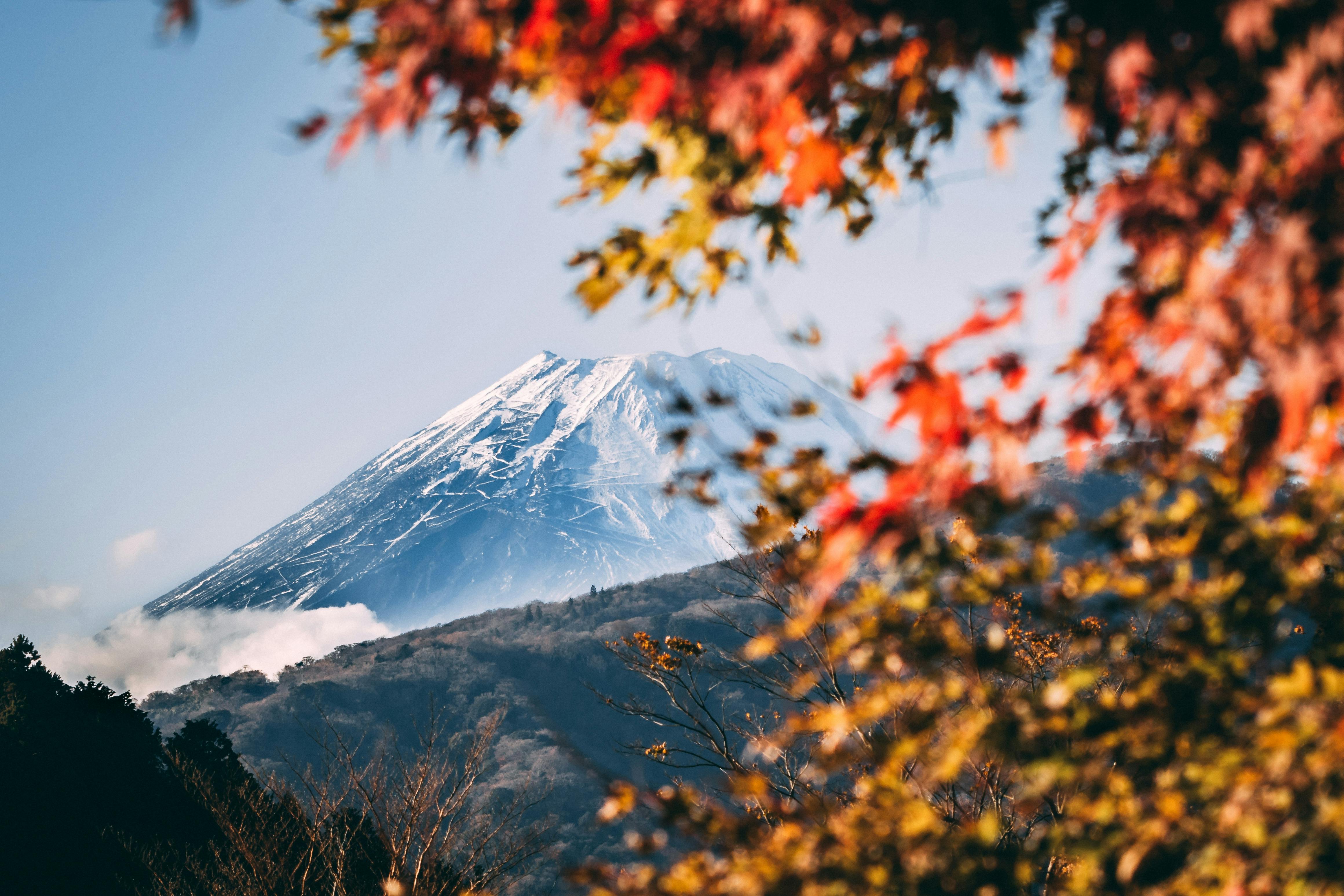
Japan is an archipelago where eighth‑century temples neighbor robot cafes, and bullet trains glide between cedar-clad mountains and megacities. From Edo-era alleyways in Tokyo to mossy temples in Kyoto, you’ll travel a timeline that spans samurai, shoguns, and tomorrow’s tech.
Across 30 days, this itinerary delivers marquee sights—Shibuya Crossing, Fushimi Inari, Osaka Castle, Hiroshima’s Peace Memorial, and Sapporo’s beer halls—balanced with quiet mornings, neighborhood food hunts, and relaxing onsen soaks. We group days into easy blocks with realistic travel times and costs.
Practical notes: Japan’s trains are famously punctual; use an IC card (Suica/PASMO/ICOCA) for subways and convenience stores. Cash is still handy, but contactless payment is common. Expect orderly queues, shoes-off etiquette, and superb convenience-store snacks. Seasonal perks include spring cherry blossoms, summer festivals, fiery autumn leaves, and northern powder snow.
Tokyo
Tokyo is a mosaic of moods: incense at Asakusa’s Senso‑ji, the forested hush of Meiji Shrine, indie fashion in Harajuku, and neon-kaleidoscope nights in Shinjuku and Shibuya. It’s also a culinary playground—sushi before sunrise, slurped tsukemen at lunch, and yakitori skewers in lantern-lit alleyways after dark.
Getting in: Search international and domestic flights on Kiwi.com or Trip.com Flights. From Narita, a private car is easy for jet-lagged arrivals: Narita Airport(NRT) Private Transfer (typical one-way pricing shown on page; meet & greet on arrival).
Days 1–3: Old Tokyo, new Tokyo
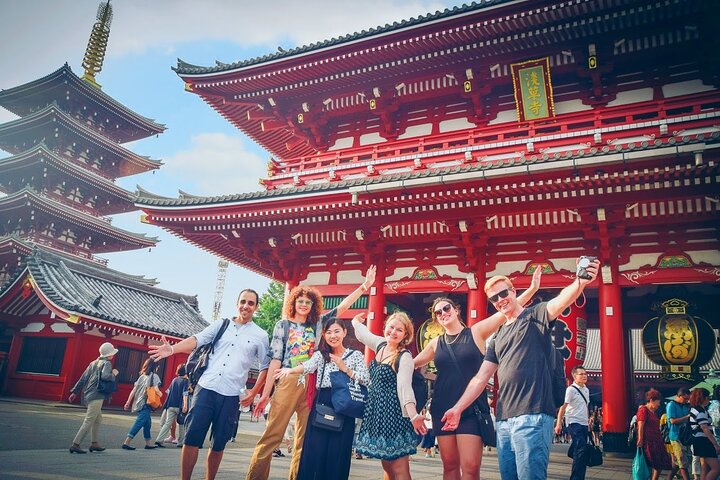
Start at Asakusa’s Senso‑ji and Nakamise shopping street for rice crackers, ningyō‑yaki cakes, and first temple etiquette. Contrast it with the glass-and-green serenity of Meiji Shrine, then wander Harajuku’s Takeshita-dori for crepes and quirky boutiques.
Evening in Shibuya: watch the Scramble Crossing from above, then slip into Nonbei Yokocho’s tiny bars for classic highballs. In Shinjuku, peek into Golden Gai’s postage-stamp watering holes and the neon canyon of Kabukichō.
Days 4–6: Markets, museums, and neighborhoods
Graze your way through Tsukiji’s Outer Market—try Sushizanmai for nigiri and Tsukiji Itadori Uogashi Senryo for kaisendon. If you’re an early bird, the tuna auction at Toyosu (advance reservation required) is a thrill.
Pick a museum duo: team modern at teamLab Planets and the Mori Art Museum, or go classic at the Tokyo National Museum and Nezu Museum’s sculpture garden. Detour to Akihabara’s retro game shops and electronics emporiums.
Days 7–9: Food, pop culture, and a guided overview
Let a local guide thread the city’s highlights and hidden alleys together on a flexible private tour: Tokyo Customized Private Tour: See Top Attractions in 1 Day.
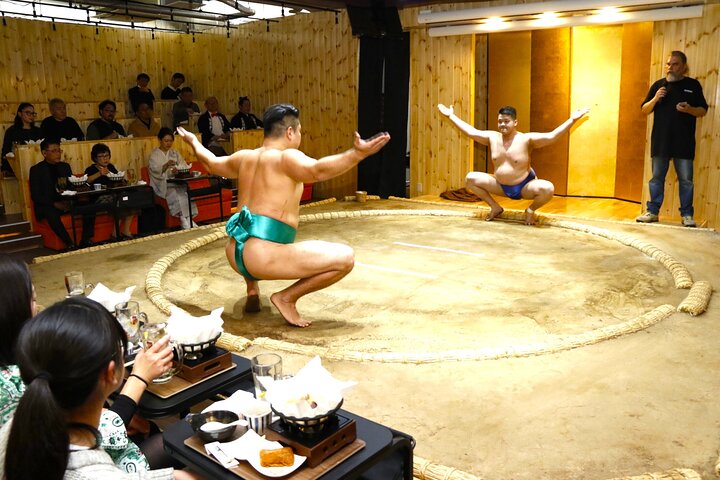
Experience sumo up close in Asakusa—learn rules, watch bouts, and tuck into chanko hot pot, the wrestlers’ hearty staple: Tokyo Sumo Entertainment Show with Chicken Hot Pot and Photo.
- Eat & drink: Ramen at Fuunji (shio or tsukemen that draws devoted lines), Afuri (yuzu-shio’s citrus lift), and Ichiran (solo-booth novelty). Tonkatsu at Maisen Aoyama Honten is crisp, airy perfection. Yakitori at Bird Land (reservations recommended) or budget-friendly Torikizoku. For sushi, book ahead at mid-range favorites like Sushi no Midori, or go casual with standing sushi bars.
- Cafes: Koffee Mameya (beans and brews for serious aficionados), Onibus Coffee Nakameguro (cozy roastery), Glitch Coffee (light roasts), and Fuglen (Scandi-Japanese vibes).
- Stay: Browse homes on VRBO Tokyo or hotels on Hotels.com Tokyo. Specific picks: The Peninsula Tokyo (Imperial Gardens views), The Ritz-Carlton, Tokyo (midtown skyline), Hotel Gracery Shinjuku (Godzilla-head fun), Hotel Sunroute Plaza Shinjuku (transport hub), Keio Plaza Hotel Tokyo (family-ready), and for a splurge, Aman Tokyo.
- Next stop (Hakone/Gotemba, Days 10–12): From Tokyo Station take the shinkansen to Odawara (35–40 minutes, ~$22) then Hakone Tozan Railway/bus to your ryokan; or JR via Kozu to the Gotemba Line (~1.5–2 hours, ~$10–$20). Check schedules/prices on Trip.com Trains.
Hakone & Gotemba (Mt. Fuji Area)
Mt. Fuji’s serrated silhouette anchors lake vistas, cedar avenues, and steaming onsen towns. Hakone pairs classic ryokan stays with art-forward museums; Gotemba delivers outlet shopping and wide‑angle Fuji views on clear days.
Days 10–12: Onsen circuits and Fuji frames
Circle Lake Ashi by cruise, ride the Hakone Ropeway over sulfur vents at Owakudani, and stroll the cedar-lined Hakone Old Highway. The Hakone Open-Air Museum blends sculpture gardens with a footbath; the Okada Museum of Art guards shimmering screens and porcelain.
Reserve an evening soak at Tenzan Onsen or your inn’s private bath, and time a Gotemba Premium Outlets visit for sunset Fuji views. Food highlights include Tamura Ginkatsu‑tei (pork-and-tofu cutlet), Bakery & Table Hakone (lakefront pastries), and soba around Hakone‑Yumoto.
- Stay: Search stays in VRBO Hakone or hotels in Hotels.com Hakone. In nearby Gotemba, consider Hotel Clad (hot-spring access above the outlets), Mars Garden Wood Gotemba (spa + gardens), or Super Hotel Gotemba 1 (value base).
- Next stop (Kyoto, Days 13–18): Odawara to Kyoto by Hikari/Kodama shinkansen in ~2–2.5 hours, ~$75–$95 one-way. Check times on Trip.com Trains.
Kyoto
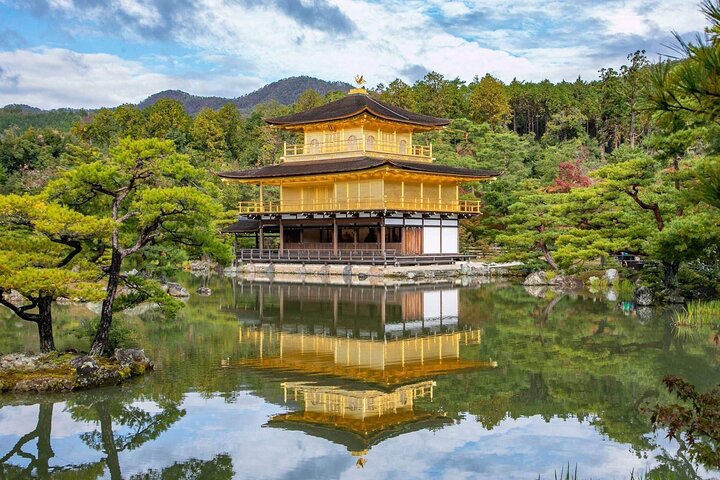
Kyoto is the keeper of Japan’s classical soul: vermilion gates climbing a mountainside, tatami-floored teahouses, bamboo groves, and silent Zen gardens. Dawn and dusk are your allies—arrive early, linger late, and the city reveals its quieter grace.
Days 13–15: Shrines, alleys, and tea
Catch first light at Fushimi Inari’s torii tunnels, then wander Sannenzaka/Ninenzaka’s stone lanes to Kiyomizu‑dera’s wooden stage. Pause for matcha and sweets in a traditional teahouse; later, stroll the Philosopher’s Path from Ginkaku‑ji past boutique ateliers.
Reserve a compact tea ceremony or kimono walk, then explore Gion at twilight—geiko culture runs deeper than snapshots, so keep voices low and eyes open for history’s details in latticework and lanterns.
Days 16–18: Arashiyama, crafts, and a curated day
Arashiyama’s bamboo grove is best pre‑8am; pair it with Tenryu‑ji’s Zen gardens and a riverside walk to the Iwatayama Monkey Park. Handcraft lovers can browse indigo-dyed fabrics, washi paper, and blades from centuries-old workshops.
If you want a one‑day “greatest hits” with a pro planner, book 10 Must-see Spots in Kyoto One Day Private Tour (up to 7 people)—efficient, story-rich, and tailored.
- Eat & drink: Classic soba at Honke Owariya (since 1465). Crispy tonkatsu at Katsukura (Sanjo). Kyoto-style sushi (pressed, subtly seasoned) at Izuju near Yasaka Shrine. Try yudōfu (delicate tofu hot pot) at Yudofu Sagano after Tenryu‑ji. For snacks, cruise Nishiki Market for dashimaki tamago (rolled omelet), skewered tako-tamago, and pickles.
- Cafes: Inoda Coffee (retro kissaten vibes), % Arabica in Higashiyama (iconic latte art), Weekenders Coffee (courtyard roastery), and Vermillion near Fushimi Inari (espresso with a torii view).
- Stay: Browse VRBO Kyoto or Hotels.com Kyoto. Options: The Ritz-Carlton, Kyoto (riverside refinement), Hotel M's Plus Shijo Omiya (great base), Kyoto Tokyu Hotel, Piece Hostel Sanjo (social + sleek), Kyoto Brighton Hotel, and Hotel M's Est Shijo Karasuma.
- Next stop (Nara, Days 19–20): Kyoto to Nara is ~35–50 minutes by JR/Kintetsu, ~$5–$8. Timetables on Trip.com Trains.
Nara
Nara is gentle and green, where friendly deer graze around temple lawns and the world’s largest bronze Buddha sits inside Tōdai‑ji’s vast wooden hall. It’s an easy breather between Kyoto’s shrines and Osaka’s nightlife.
Days 19–20: Temples and treats
Start at Nara Park, then Tōdai‑ji (Daibutsu), Kasuga Taisha’s lantern forests, and the hillside views from Wakakusa-yama if you fancy a walk. Save time for the Naramachi district’s old merchant houses and craft shops.
- Snacks & eats: Watch the famous mochi pounding at Nakatanidō (warm kusa-mochi is a must), try kakinoha‑zushi (persimmon leaf-wrapped sushi), and cozy up in a small izakaya near Kintetsu Nara for local sake and small plates.
- Stay: Make it a relaxed overnight or a long day trip. Hotels include Nara Hotel (classic, hilltop), Super Hotel Lohas JR Nara Eki, Hotel Nikko Nara, and Guesthouse Nara Komachi.
- Next stop (Osaka, Days 21–24): Nara to Osaka by Kintetsu to Namba (~40 minutes) or JR to Osaka Station (~50 minutes), ~$6–$7 via Trip.com Trains.
Osaka
Osaka is Japan’s kitchen: neon-lit Dotonbori, sizzling teppans, and friendly shout-outs from takoyaki masters. Between bites, explore retro Shinsekai, the soaring Umeda Sky Building, and the riverside paths that cut through the city’s sprawl.
Days 21–22: Castles and neighborhoods
Walk Osaka Castle’s grounds and museum for samurai history, then browse Tenjinbashisuji, Japan’s longest shopping arcade. Evening in Dotonbori means a feast of signs (look for the giant crab and gyoza) and snack-hopping by the canal.
Days 23–24: Eat Osaka with a local
Discover real-deal backstreets and flavors on Osaka Food Tour: 13 Dishes at 5 Local Eateries—featured by food storytellers and packed with places most visitors miss.
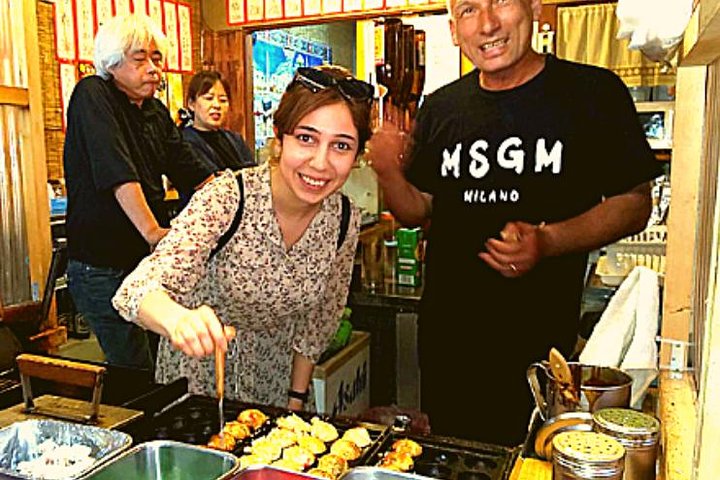
- Eat & drink: Okonomiyaki at Mizuno (Kyoto yam flour gives lift), takoyaki at Aizuya or Wanaka (try half-and-half sauces), kushikatsu at Daruma in Shinsekai (dip once). Sushi breakfast at Endo Sushi (market-fresh). Craft beer bars dot the Umeda/Tenma area—look for standing “tachinomi” spots for a local vibe.
- Stay: See VRBO Osaka or Hotels.com Osaka. Good bases: The St. Regis Osaka, Hotel Sunroute Osaka Namba, Swissotel Nankai Osaka (above Namba Station), Hotel Universal Port (for USJ), Universal Bay Condominium, and Hotel Taiyo (budget).
- Next stop (Hiroshima/Miyajima, Days 25–27): Osaka to Hiroshima by Nozomi shinkansen in ~1.5 hours (~$70–$85). Check Trip.com Trains.
Hiroshima & Miyajima
Hiroshima pairs a forward-looking, friendly city with solemn remembrance at the Peace Memorial Park and Museum. A short ferry hop carries you to Miyajima, where the famed “floating” torii of Itsukushima Shrine gleams at high tide and deer wander seaside lanes.
Days 25–27: Reflection and island time
In Hiroshima, visit the A‑Bomb Dome, Children’s Peace Monument, and the Peace Memorial Museum. Refuel with Hiroshima-style okonomiyaki—layered with soba and cabbage—at Micchan Sohonten or Hassei.
On Miyajima, time your arrival for high tide to frame the torii over the bay, then ride the ropeway toward Mount Misen for inland-sea panoramas. Snack on grilled oysters and sweet momiji manju; Kakiya is a reliable stop for oyster rice bowls.
- Stay: In Hiroshima, consider Sheraton Grand Hiroshima Hotel (by the station), RIHGA Royal Hotel Hiroshima (central), Grand Prince Hotel Hiroshima (seaside), or Santiago Guesthouse Hiroshima (budget/social).
- Next stop (Sapporo, Days 28–30): Fly Hiroshima to Sapporo (usually 1 stop in Tokyo). Total travel time ~3–4 hours; typical fares ~$100–$200. Search on Trip.com Flights.
Sapporo (Hokkaido)
Sapporo brings big skies, clean lines, and hearty northern fare—miso ramen, soup curry, and sizzling “Genghis Khan” lamb. Odori Park anchors the city; in winter it becomes a sculpture-studded wonderland during the Snow Festival.
Days 28–30: Beer, markets, and a seaside day trip
Taste history at the red-brick Sapporo Beer Museum, then feast on lamb platters at the adjacent beer hall. Browse Nijo Market for uni, crab, and scallops—perfect in a donburi breakfast.
Make a half-day hop to Otaru for its canal, glassware ateliers, and cream-laden sweets (cheesecakes at LeTAO are a local legend). Back in Susukino, warm up with soup curry at GARAKU or a miso ramen bowl at Sumire.
- Cafes & eats: GARAKU (soup curry with spice and veg crunch), Sumire or Ichiryuan (miso ramen), Sapporo Beer Garden’s Kessel Hall (lamb + lager), and Baristart Coffee (milk-forward espresso drinks).
- Stay: Explore VRBO Sapporo or Hotels.com Sapporo. Standouts: JR Tower Hotel Nikko Sapporo (station-top convenience), Hotel Resol Trinity Sapporo (Odori Park), and Sapporo Grand Hotel (heritage).
- Departure: New Chitose Airport has frequent flights to Tokyo (1h40–2h; ~$60–$140) and beyond. Compare on Trip.com Flights or Kiwi.com.
Optional add-ons if you have extra days
Tokyo Disney Resort day (stay at Hilton Tokyo Bay), a Kanazawa detour for samurai lanes and Kenrokuen (Hotel Nikko Kanazawa), or a Hakodate overnight for its famed night view (La Vista Hakodate Bay).
One more curated experience from Tokyo (optional during your Tokyo block)
If you prefer a guided day to stitch together Kyoto’s neighbor Nara too, consider this efficient combo from the Kansai base you’re in: Kyoto “10 Must-See” Private Tour you saw above—or, for Osaka-based travelers, the Nara-inclusive group option works smoothly as well.
Bonus Tokyo moment if you’re keen on pop energy
Time a fun evening at a sumo-themed show (already listed) or keep free time open for a last-minute reservation if a special event pops up—Tokyo’s calendar is always buzzing.
Recap of included experiences from Viator
- Tokyo Customized Private Tour: See Top Attractions in 1 Day
- Tokyo Sumo Entertainment Show with Chicken Hot Pot and Photo
- 10 Must-see Spots in Kyoto One Day Private Tour (up to 7 people)
- Osaka Food Tour: 13 Dishes at 5 Local Eateries
30-Day Flow at a glance: Tokyo (Days 1–9) → Hakone/Gotemba (10–12) → Kyoto (13–18) → Nara (19–20) → Osaka (21–24) → Hiroshima & Miyajima (25–27) → Sapporo (28–30).
Train/flight tools: For shinkansen and regional trains, compare on Trip.com Trains. For domestic hops, check Trip.com Flights and Kiwi.com.
In one month, you’ll trace Japan’s contrasts: lanterns and LEDs, kaiseki and street snacks, meditative gardens and rollicking arcades. It’s a generous loop that leaves room for serendipity—and a reason to come back for the places you couldn’t fit in this time.