
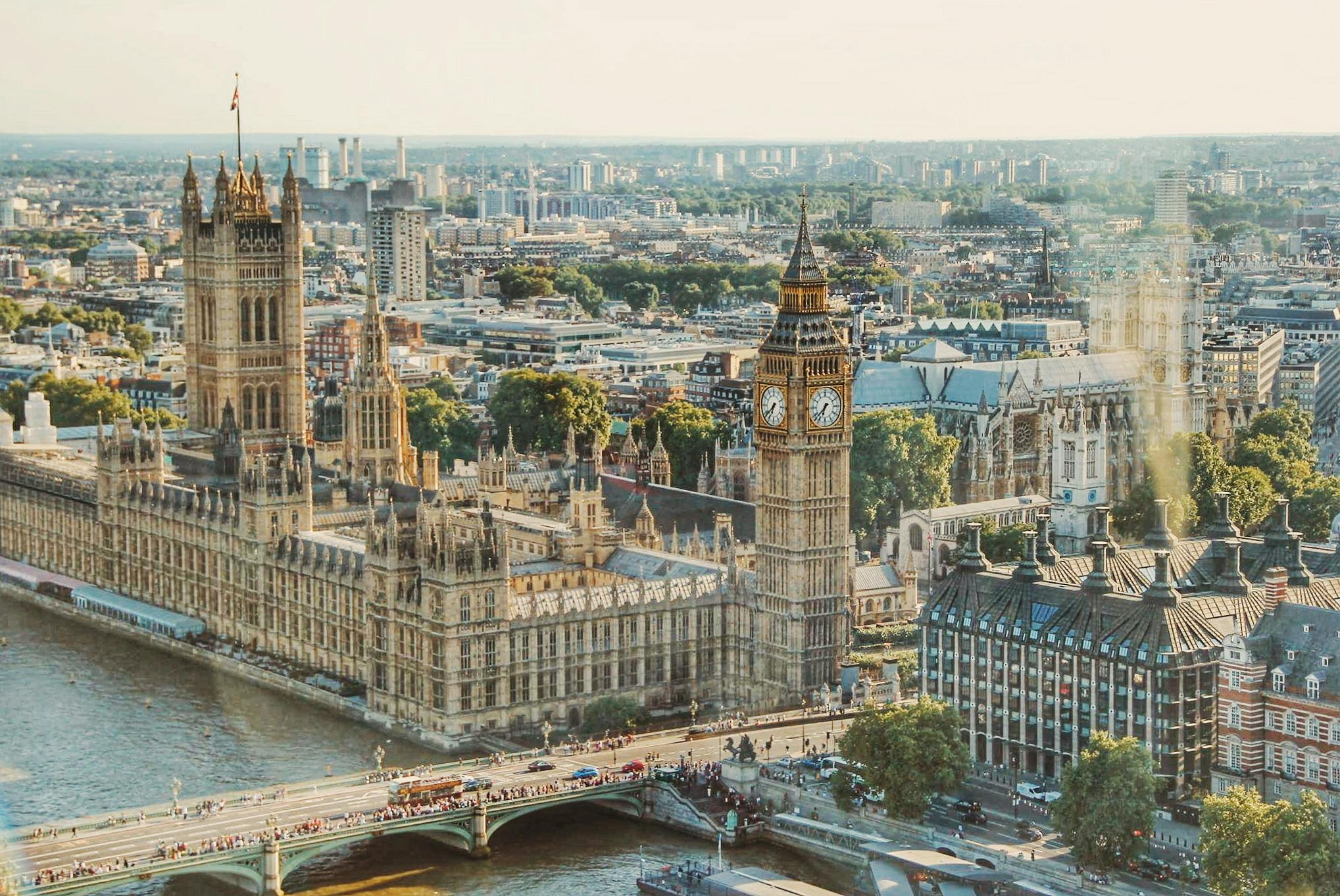
Budapest—split by the Danube and united by history—pairs grand boulevards and royal hilltops with a mischievous nightlife and a proud culinary scene. Buda’s castle district gazes over Pest’s cafe-lined avenues, while bridges glow gold at sunset. By day, steam rises from thermal baths; by night, fairy lights twinkle over ruin pubs in old courtyards.
Founded as a Roman outpost and fused from Buda, Pest, and Óbuda in 1873, the city evolved into a showcase of Neo-Gothic, Art Nouveau, and modern design. You’ll find world-class museums, a thriving coffee culture, and deep culinary traditions—from paprika-laced stews to contemporary Michelin-star dining.
Practical notes: the currency is the Hungarian forint (HUF), cards are widely accepted, and tipping is 10–12% when not included. Download the BudapestGO app for transit tickets, keep an eye out for pickpockets in very crowded areas, and pack flip-flops and a swimsuit for the baths. Coffee is excellent; pálinka is potent—pace yourself.
Budapest
Budapest rewards wanderers: ornate facades, vaulted market halls, leafy Margaret Island, and a riverscape that begs for an evening cruise. It’s a city of contrasts—royal and rebellious, historic and hip—where you can climb a medieval bastion in the morning and soak under baroque arches that same night.
- Top sights: Hungarian Parliament, Fisherman’s Bastion, Matthias Church, Buda Castle, St. Stephen’s Basilica, Heroes’ Square, City Park, House of Music Hungary, Great Market Hall, Shoes on the Danube memorial.
- Only-in-Budapest experiences: soak at Széchenyi or Rudas thermal baths; sip wine at a cellar-bar; drift past monuments on a Danube night cruise; explore ruin pubs like Szimpla Kert.
- Where to stay (neighborhoods): District V (Belváros) for a central, elegant stay; District VII (Jewish Quarter) for nightlife and cafés; Castle District (Buda) for quiet, cobbled charm and views.
Accommodations: Browse apartments and homes on VRBO Budapest or compare hotels on Hotels.com Budapest. For inspiration, look near the Basilica and Danube promenade for easy walking, or around Király utca for cafés and nightlife.
Getting to Budapest: Fly into BUD (Budapest Ferenc Liszt International). From major European hubs, nonstop flights often take 1.5–3 hours (e.g., London ~2h30, Paris ~2h10, Rome ~1h45). Compare options on Omio Flights (to/from Europe). Trains connect Vienna (~2h40, €15–35), Bratislava (~2h20), and Prague (~6–7h); see schedules and fares on Omio Trains (Europe). Budget buses also link Central Europe; check Omio Buses.
Airport to city: The 100E airport bus runs to Deák Ferenc tér in ~35–45 minutes (buy tickets via machine/app; expect a few USD). Rideshare/taxi to the center typically takes 30–40 minutes depending on traffic.
Day 1: Basilica, Parliament Promenade, and a Danube Night
Morning: Travel morning and aim for a relaxed check-in. If you arrive early, shake off jet lag with specialty coffee at Espresso Embassy (third-wave espresso, seasonal single-origin pours) or Fekete (cosy courtyard, great flat whites and porridge).
Afternoon: Start at St. Stephen’s Basilica; climb the dome for a sweeping first look across Pest to Castle Hill. Stroll down to the Hungarian Parliament and the poignant Shoes on the Danube memorial, pausing along the river promenade for photos. If you’re hungry, try a late lunch at Menza (retro-chic, reliable Hungarian classics like chicken paprikash) or Dobrumba (Levantine plates and house-made lemonades; perfect if you want something lighter).
Evening: Book a Danube River cruise for sunset or after dark to see bridges and landmarks illuminated. Afterward dine near the Basilica: Borkonyha Winekitchen (Michelin-star; contemporary Hungarian, superb local wine pairings) or Kiosk Budapest (airy, stylish space doing goulash and grilled mains right). Cap the night at a rooftop—High Note SkyBar for basilica views or 360 Bar on Andrássy út—then a crafted nightcap at Boutiq’Bar (inventive cocktails, intimate vibe).
Day 2: Castle Hill, City Park, and Ruin Bars
Morning: Cross to Buda and ride the funicular to Buda Castle for courtyards and Danube panoramas. Wander to Matthias Church with its Zsolnay-tiled roof and Fisherman’s Bastion for storybook views. Treat yourself at Ruszwurm, a 19th-century patisserie known for krémes (custard slice) and dobos torte.
Afternoon: Choose a museum on the hill: the Hospital in the Rock (WWII/Cold War bunker hospital) for something unusual, or the Hungarian National Gallery for art and city views. Then head to City Park (Városliget): soak at Széchenyi Thermal Bath, the city’s famous Neo-Baroque complex with outdoor steaming pools and indoor saunas—bring flip-flops; towel rental available. Stroll by Heroes’ Square and admire the striking House of Music Hungary nearby.
Evening: Dinner options: Paprika Vendéglő (hearty, traditional plates—venison stew, stuffed cabbage) near City Park; or Rosenstein (beloved family-run spot blending Hungarian and Jewish flavors—reserve ahead). For a lighter, buzzy scene back in District VII, try Mazel Tov (greenhouse-like courtyard, modern Middle Eastern). Finish in the ruin bars: start at atmospheric Szimpla Kert (the original), then venture to Élesztőház (craft beer hall in a former industrial space) or the Instant–Fogas complex for late-night dancing.
Day 3: Jewish Quarter Stories and the Great Market Hall
Morning: Fuel up at Cirkusz (popular brunch—shakshuka, pancakes, quality espresso) or Madal Café (calm ambience, pour-overs). Visit the Dohány Street Synagogue complex (the largest in Europe) to explore the synagogue, courtyard memorials, and museum—dress respectfully. Wander the Jewish Quarter’s murals and passages; if time, peek into Gozsdu Courtyard for a quick browse.
Afternoon: Head to the Great Market Hall (Nagycsarnok) for snacks and souvenirs (paprika, Tokaji wines, pick salami). Grab a plate upstairs—try cabbage rolls, goulash soup, or langos topped with sour cream and cheese. Alternatively, nearby Belvárosi Disznótoros serves fast, flavorful Hungarian grills and stews. If your departure allows, opt for a focused final stop: a contemplative hour at the House of Terror Museum on Andrássy út, or a peaceful stroll on Margaret Island among gardens and the musical fountain.
Evening: You’ll likely depart this afternoon; if staying one more night, consider a celebratory meal: Stand (two Michelin stars—seasonal Hungarian at its peak), Salt (foraged ingredients and pickled flavors), or Babel (refined tasting menus). For a last sweet bite, try cakes at Gerbeaud or a warm kürtőskalács (chimney cake) dusted in cinnamon from a street stand.
Parliament tour tip: Guided visits last ~45 minutes and often sell out. Expect around €25–35 for non-EU visitors; bring ID for security and arrive early.
Transit tips: Trams 2 and 4/6 are scenic and frequent; validate tickets. A 24-hour travelcard can be good value if you ride often. Many venues accept cards, but small change is handy for markets and tips.
Where to book: Compare stays at Hotels.com Budapest or find apartments on VRBO Budapest. For getting here or moving on by air or rail, search Omio Flights, Omio Trains, and Omio Buses.
In three days, you’ll trace royal ramparts, steam under Neo-Baroque arches, and toast the skyline from a riverboat. Budapest lingers—through paprika and pastry, brass tram bells and violin notes drifting from courtyards. You’ll already be plotting a return for the places you didn’t get to—always a good reason to come back.