
3 Days in Vienna, Austria: Imperial Palaces, Coffeehouses & Classical Music
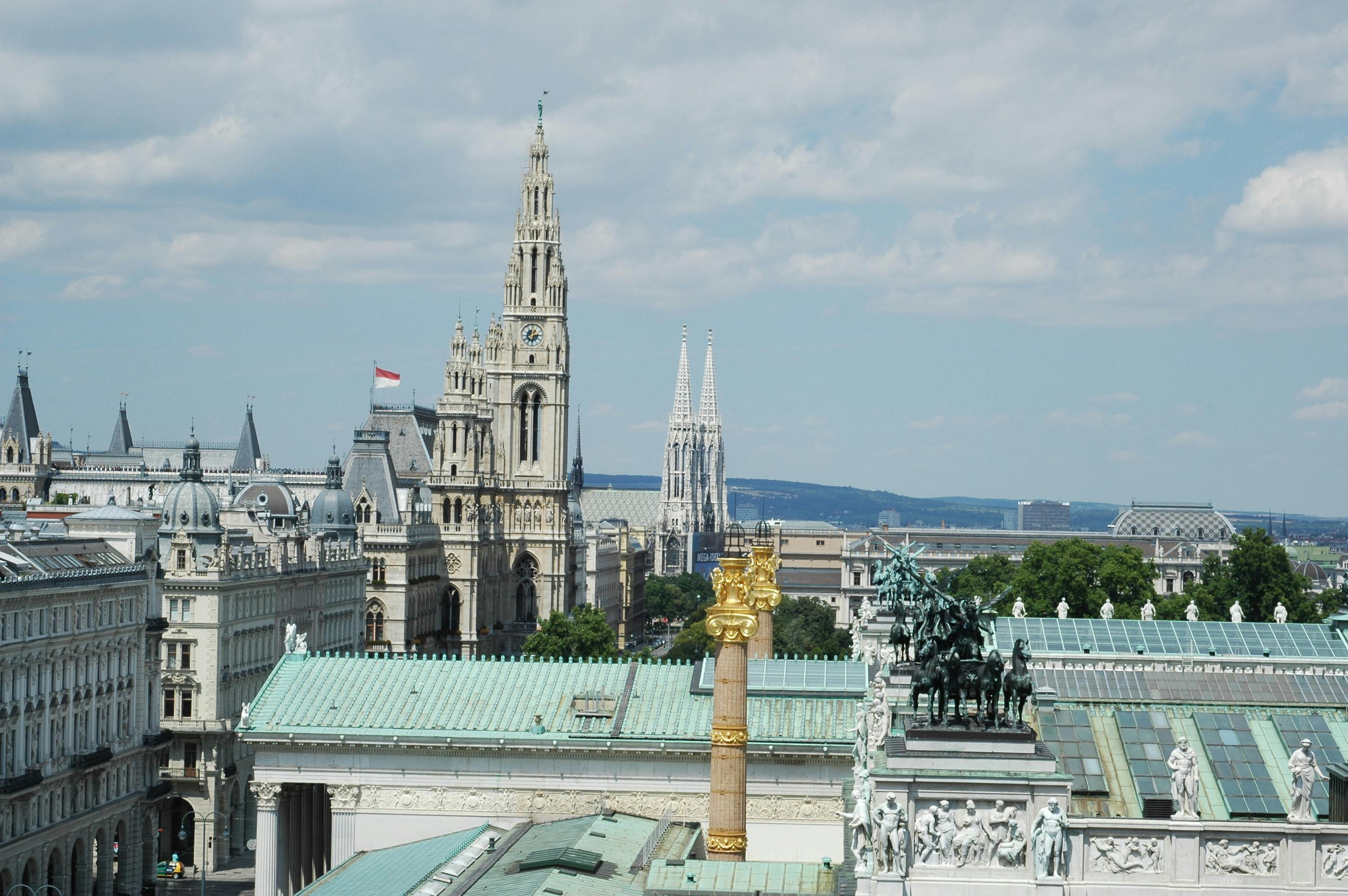
Vienna wears its history with rare confidence. Once the beating heart of the Habsburg Empire, it shaped European politics, music, and taste for centuries, and today that imperial inheritance still gleams in its palaces, ring-road architecture, and ceremonial squares.
Yet Vienna is not a city preserved in amber. It is also a place of excellent markets, neighborhood wine taverns, sharp contemporary museums, and a coffeehouse culture so central to local life that lingering over a newspaper and a slice of cake feels less like leisure than civic duty.
For practical planning, Vienna is one of Europe’s easiest capitals for a short trip: public transport is reliable, the historic center is highly walkable, and major sights are efficiently connected by U-Bahn and tram. Austrian food goes well beyond schnitzel—look for tafelspitz, goulash, seasonal pastries, and crisp local wines—while standard city awareness around busy tourist zones is usually all the caution most visitors need.
Vienna
Vienna is a city of elegant contradictions: stately yet playful, scholarly yet sensuous, disciplined yet devoted to cake. One moment you are standing beneath the Hofburg’s imperial facades; the next, you are in a market lane eating something warm, flaky, and unapologetically rich.
The great pleasure of a Vienna itinerary is variety at close range. In a single day you can tour a UNESCO-listed palace, study Klimt and Schiele, pause in a centuries-old café, and end the evening in a church or concert hall listening to music written for rooms not unlike the one you are sitting in.
Where to stay: For a grand address near the State Opera, Hotel Sacher Wien is the classic splurge and an experience in itself. For a smart mid-range stay with an excellent central location, Motel One Wien-Staatsoper is a dependable favorite. If you want easy airport access and proximity to Stadtpark, Hilton Vienna Park works well; budget travelers should look at Wombat's City Hostel Vienna Naschmarkt. For broader options, browse VRBO Vienna or Hotels.com Vienna.
Getting there: For flights into Vienna from within Europe, compare schedules and fares on Omio flights. Typical airport-to-city transfer time from Vienna International Airport to Wien Mitte on the Railjet or S-Bahn is about 15-25 minutes, with public transport usually costing roughly €4-15 depending on train choice and add-ons.
Recommended experiences: If you want expert context without wasting time in lines, the Vienna: Skip-the-Line Schönbrunn Palace & Gardens Tour is one of the strongest choices for a first visit.

To understand Vienna through its table as much as its monuments, the Vienna Food Tour: Coffeehouses, Markets, Lunch & Street Food is especially well suited to a short stay.

For a classic evening, book the Vienna Classical Concert at St. Peter’s Church or the Vienna: Classical Music Concert in the World-Famous Musikverein, both ideal for travelers who want music in a setting worthy of the city’s reputation.


Day 1: Arrival, the Historic Center, and a First Taste of Vienna
Morning: Arrival day is assumed to begin in transit, so keep expectations light and elegant rather than ambitious. If you have not yet booked flights, use Omio flights for Europe-based departures; after landing, take the train into the center and check into your hotel before setting out on foot.
Afternoon: Begin with the Innere Stadt, Vienna’s historic core, where the streets still follow the logic of an imperial capital. Stroll from Stephansplatz to Graben and Kohlmarkt, noting the transition from Gothic stone to polished storefronts, and consider the Best of Vienna : Historic Center Walking Tour if you want the city’s major dynasties, plagues, sieges, and scandals organized into a lively narrative.

For a late lunch, reserve at Figlmüller for the famous oversized schnitzel, but know that locals often debate whether the original or the Bäckerstraße branch is better. If you prefer something less headline-grabbing and more old Vienna, go to Zum weißen Rauchfangkehrer, one of the city’s oldest restaurants, for hearty Austrian dishes in a setting that feels pleasantly rooted in the past.
For coffee and cake, two dependable classics are Café Central and Café Hawelka. Café Central is grand and theatrical, ideal if you want the full marble-column coffeehouse fantasy; Hawelka is moodier and more bohemian, and its Buchteln—sweet yeast buns, especially later in the day—have cult status for good reason.
Evening: Spend your first evening with music. The Vienna Classical Concert at St. Peter’s Church is especially appealing on a short trip because the church is central, atmospheric, and easy to pair with dinner.
For dinner beforehand, try Plachutta Wollzeile for tafelspitz, the famed boiled beef dish beloved by Emperor Franz Joseph, served properly with broth, apple-horseradish, and chive sauce. If you want a more contemporary room, ef16 offers refined Austrian cooking with excellent wine pairings and a calm, intimate feel that suits a first night in the city.
Day 2: Schönbrunn Palace, Museums, and Viennese Food Culture
Morning: Start early at Schönbrunn Palace, the Habsburg summer residence whose yellow Baroque facade has become one of Vienna’s defining images. The Vienna: Skip-the-Line Schönbrunn Palace & Gardens Tour is worth it here because lines can be substantial and the guided context makes the imperial apartments, Maria Theresa’s ambitions, and the palace’s courtly rituals far more vivid.
Before heading out, grab breakfast at Café Residenz near Schönbrunn if you want something close to the palace complex, or begin in the center at Café Sperl for a more classic start with coffee, eggs, pastries, and old-world interiors. Sperl feels like a set piece from another century, though it remains very much a living café rather than a museum piece.
Afternoon: After Schönbrunn, choose between art and appetite. Art lovers should head to the MuseumsQuartier and the Leopold Museum for Schiele and Viennese modernism, or the Kunsthistorisches Museum for Bruegel, Velázquez, and one of Europe’s great art-historical collections inside a building almost as impressive as the works it houses.
If food is the better language for your Vienna, book the Vienna Food Tour: Coffeehouses, Markets, Lunch & Street Food. It is a smart use of time on a 3-day city break, introducing markets, neighborhood snacks, and the social codes of the Viennese table in a way independent travelers often miss.
For an independent lunch near Naschmarkt, Neni am Naschmarkt is lively and ideal for mezze-style plates, while nearby Zur Eisernen Zeit serves satisfying Austrian fare with less fanfare. If you are still in the museum district, Glacis Beisl is a reliable choice with a leafy courtyard and a menu that balances polish with local substance.
Evening: Dress a little for tonight and make the evening architectural as well as musical. The Vienna Mozart Concert in Historical Costumes at the Musikverein is a classic option for travelers who want spectacle, while the Classical concert Vivaldi 4 seasons in Karlskirche Vienna offers a more intimate setting inside one of the city’s most beautiful churches.
For dinner, Meissl & Schadn is excellent for schnitzel done with precision, and the room has just enough formality to make the meal feel occasion-worthy. If you want something deeply local afterward, stop by a wine tavern-style spot or a dedicated Austrian wine bar such as Pub Klemo for a glass of Grüner Veltliner and a less ceremonial end to the night.
Day 3: Belvedere, Local Markets, and Departure
Morning: On your final day, begin at the Belvedere, where princely Baroque architecture frames one of Austria’s finest museum experiences. The Upper Belvedere is best known for Gustav Klimt’s The Kiss, but the setting itself—gardens, reflecting pools, and a slope linking upper and lower palaces—is part of the pleasure.
For breakfast, Café Schwarzenberg is a strong choice if you want a classic Ringstrasse institution with a dignified atmosphere and efficient service. If you prefer somewhere more neighborhood-oriented, Café Goldegg has a loyal local following and feels pleasantly unhurried, a useful antidote to departure-day timing.
Afternoon: Before heading to the airport, spend your last hours around Naschmarkt or the Stadtpark/Wien Mitte area depending on your luggage situation. Naschmarkt is good for edible souvenirs and one last look at Vienna’s less ceremonial side; if you stay central, a final walk past the State Opera, Albertina exterior, and Ringstrasse facades makes for a handsome farewell.
For lunch, try Café Museum for a historically rich but practical stop, or Lugeck if you want modern Austrian cooking in a central location with enough efficiency for a departure day. If time is tight, a quick but satisfying option is Bitzinger Würstelstand by the Albertina/Oper area, where the sausage stand format gives you a final, democratic glimpse of local everyday eating.
Evening: Departure is assumed this afternoon, so the evening will likely be spent in transit. If your flight is later than expected and you find yourself with extra time, a final coffee and slice of Sachertorte or Apfelstrudel is a fitting coda—Vienna is one of the few cities where dessert can credibly count as a farewell ritual.
Three days in Vienna is enough to understand why the city has such a powerful hold on repeat visitors. Its imperial palaces, museum collections, coffeehouses, markets, and concert halls are not isolated attractions but parts of one continuous cultural fabric.
This itinerary gives you the grand Vienna people dream about, while still making room for the local pleasures that make the city feel personal: a quiet café table, a proper lunch, a walk through dignified streets at dusk, and music where it belongs. Vienna does not ask to be rushed; even on a short trip, it rewards attention.