
3 Days in Tokyo: Shinjuku, Shibuya, Asakusa, Akihabara & Tokyo Tower Itinerary
Tokyo is one of the world’s great capital cities: a place where Edo-period temples, postwar alleyways, precision rail lines, and futuristic art spaces coexist without ever feeling forced. Once the seat of the Tokugawa shogunate, the city grew from a castle town into a vast metropolis that still protects pockets of ritual, neighborhood identity, and seasonal tradition.
What makes a short Tokyo trip so rewarding is the city’s ability to change character by the hour. You can begin the day under the lanterns of Senso-ji, spend the afternoon inside a mirrored digital universe at teamLab Planets, and end beneath the orange lattice of Tokyo Tower with the skyline flickering into night.
For practical planning, Tokyo is safe, efficient, and deeply rail-oriented, so keep a rechargeable IC card on your phone or in your wallet for trains and subways. March is typically cool to mild, popular attractions such as teamLab Planets often require advance booking, and meals range from meticulous sushi counters to superb bowls of ramen tucked under train tracks and inside department-store food halls.
Tokyo
Tokyo rewards curiosity more than speed. Even on a 3-day itinerary, you can sample the city’s essential contrasts: Shinjuku’s restless energy, Shibuya’s famous urban theater, Asakusa’s old Tokyo atmosphere, Akihabara’s gaming culture, and the polished waterfront around Toyosu and Tokyo Tower.
For this trip, staying in Shinjuku is a smart choice. It gives you easy rail access from Narita Airport, excellent dining at nearly every hour, and a lively but practical base for reaching eastern Tokyo, central landmarks, and evening neighborhoods without wasting time in transit.
Where to stay: Browse Shinjuku and wider Tokyo stays on VRBO Tokyo or compare hotel options on Hotels.com Tokyo. If you want convenience over romance, prioritize properties near Shinjuku Station, Shinjuku-sanchome, or Nishi-Shinjuku for simple airport and subway access.
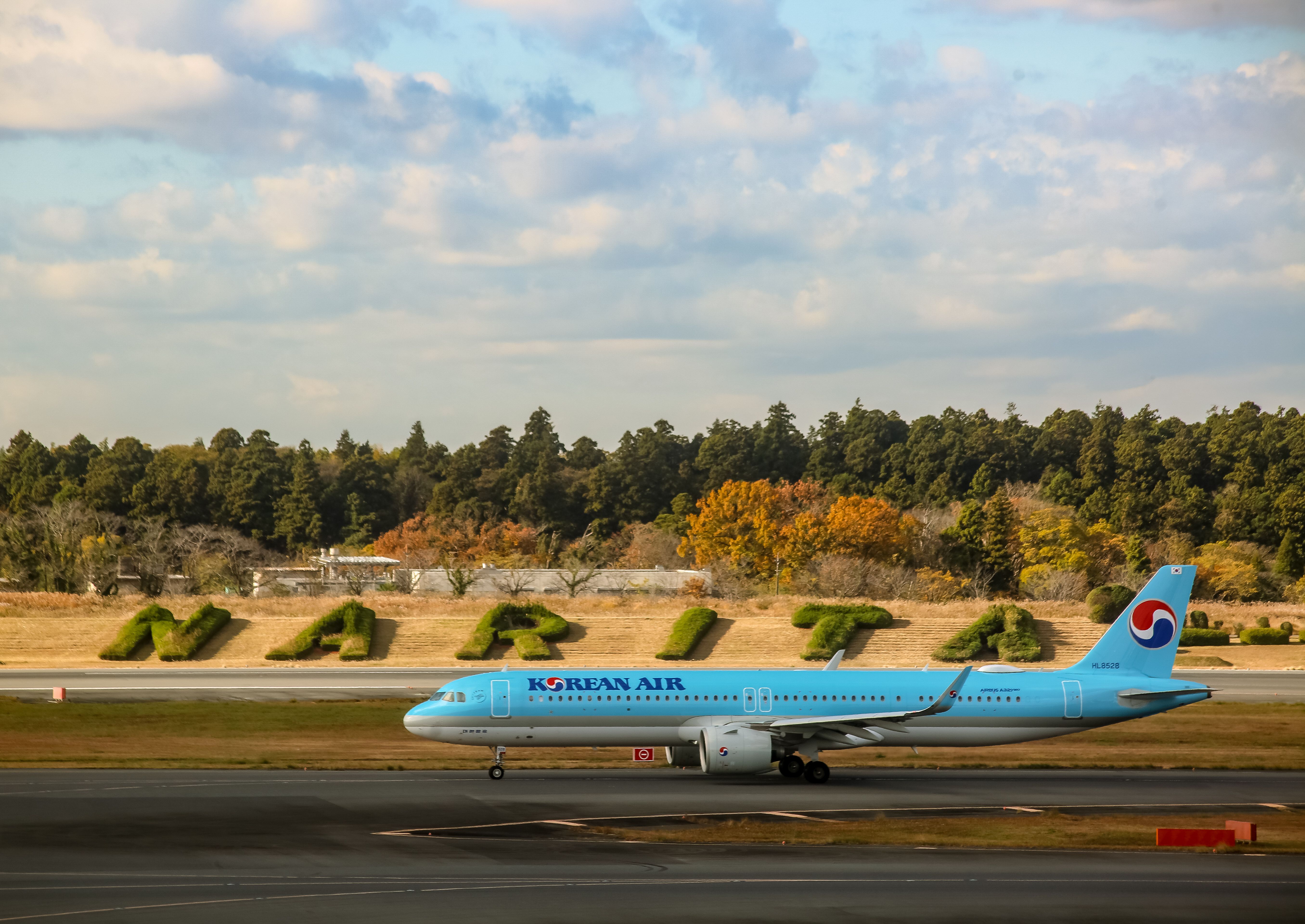
Getting in: From Narita Airport to Shinjuku, the fastest common rail option is the Narita Express, usually about 80 to 90 minutes and roughly ¥3,200 to ¥3,500 depending on seat and booking. Compare air and rail planning tools through Trip.com flights, Trip.com trains, or Kiwi.com flights. If you prefer a door-to-door arrival after a long-haul flight, consider the Tokyo Narita Airport to hotel private transfer.
Optional experiences to enrich this Tokyo itinerary: If you want guided structure between headline sights, the 3 to 5 Hours Private Customizable Tour in Tokyo with Local Guide is a useful add-on for first-time visitors who want local context and efficient routing.

If you enjoy hands-on food culture, the Ebisu Tokyo Onigiri Workshop Experience Japanese Culture and the Ebisu Tokyo Onigiri & Yuzu Ramen Cooking Class with Market Visit are excellent alternatives if you decide to swap one sightseeing block for a culinary experience.


For an evening treat geared to serious spirits fans, Tasting Yamazaki and Other Japanese Whiskies at Tokyo Bar Odin offers a polished introduction to Japan’s whisky tradition.

Day 1: Arrival, Shinjuku Check-In, and Shibuya at Dusk
Morning: Land at Narita Airport and make your way into Tokyo. After immigration and baggage claim, take the Narita Express to Shinjuku or use the private transfer above if convenience matters more than cost; either way, expect roughly 90 minutes into central Tokyo before hotel check-in or bag drop.
Afternoon: After settling in, begin gently with Shibuya. Walk through Shibuya Scramble Crossing, the city’s most famous intersection and a symbol of modern Tokyo’s organized chaos, then browse the area around Center-gai, Miyashita Park, and the Hachiko statue, whose story of canine loyalty remains one of Japan’s best-known modern legends.
For a coffee stop, try Streamer Coffee Company for strong espresso and a stylish urban crowd, or About Life Coffee Brewers for excellent hand-drip coffee and a calmer pocket near the action. If you need a light late lunch instead, Uobei Shibuya Dogenzaka offers a fun high-speed conveyor sushi experience that is quick, affordable, and ideal for an arrival day.
Evening: Stay in Shibuya for ramen dinner. I recommend Ichiran Shibuya for a highly efficient solo-booth tonkotsu ramen experience that is famous for rich pork broth and customizable spice, or Hayashi for a more compact, local-feeling bowl known for balanced fish-and-pork double soup and exceptional noodles.
If you still have energy, walk or take a short train hop back toward Shinjuku and peek into Omoide Yokocho, the narrow lantern-lit alleyway packed with yakitori grills and tiny bars. It is one of the easiest ways to feel old postwar Tokyo under the shadow of skyscrapers, even if you only stop for one skewer and a beer before bed.
Day 2: Asakusa, Tokyo Skytree, and Akihabara Arcades
Morning: Start early at Senso-ji in Asakusa, Tokyo’s oldest temple, founded in the 7th century and still one of the city’s most atmospheric sacred sites. Arriving early lets you see Kaminarimon Gate and Nakamise shopping street before the heavier crowds, and the quiet makes the incense, lanterns, and temple rooflines far more memorable.
For breakfast in Asakusa, try Suke6 Diner for good coffee, baked goods, and a modern riverside feel, or Feb’s Coffee & Scone Blucca for a lighter café start with excellent espresso. If you want something more traditional, look for a small local kissaten nearby for toast, egg sets, and the kind of old-school Tokyo morning that is disappearing fast.
Afternoon: Continue to Tokyo Skytree, about 15 to 20 minutes away depending on your route. Even if you do not spend long shopping in Solamachi, the tower itself is worth it for the observation decks and the way they reveal Tokyo’s true scale: a seemingly endless quilt of neighborhoods stretching toward the horizon.
For lunch, options around Skytree Town are abundant, but for something more distinctly Japanese, consider moving back toward Asakusa for tempura at Daikokuya, a long-running classic known for its dark sesame-oil aroma and old Tokyo style. Another good choice is Asakusa Mugitoro Honten if you want a more traditional meal centered on grated yam over rice and seasonal dishes in a refined setting.
Evening: Head to Akihabara for a completely different Tokyo mood. Once famous for electronics shops and now equally celebrated for gaming culture, anime retail, card stores, capsule machines, and multi-floor arcades, Akihabara is loud, bright, playful, and unabashedly niche.
For arcades, spend time in GiGO Akihabara or TAITO Station, where claw machines, rhythm games, retro cabinets, and fighting games draw everyone from office workers to expert regulars. For dinner, Gyukatsu Ichi Ni San offers crisp breaded beef cutlets you finish on a hot stone at the table, while Marugo Tonkatsu nearby is beloved for carefully fried pork cutlets with remarkable tenderness and a very Tokyo sort of quiet perfection.
If you want a late dessert or coffee, stop by a nearby specialty café before returning to Shinjuku. Akihabara after dark is best enjoyed as a wander rather than a checklist: peek into side streets, browse hobby shops, and let the district’s beautifully specific obsessions do the work.
Day 3: teamLab Planets, Tsukiji Sushi Lunch, and Tokyo Tower Sunset
Morning: Begin at teamLab Planets, the immersive digital art museum in the Toyosu area, where visitors move barefoot through water, mirrored chambers, projected flowers, and shifting light environments. Reserve an early timed entry if possible; the installations are strongest when you can move through them without the full crush of midday crowds.
If you want breakfast first, grab something simple and efficient before entry—Tokyo station cafés, hotel breakfast, or a quick bakery stop all work well on this kind of museum morning. The point here is to keep the schedule light and punctual, because timed admission matters more than a leisurely first meal.
Afternoon: Make your way to Tsukiji Outer Market for sushi lunch. While the wholesale tuna auctions moved to Toyosu years ago, Tsukiji remains one of Tokyo’s great food districts for sushi counters, grilled seafood, tamagoyaki, knives, tea, and specialist pantry shops.
For lunch, Sushi Zanmai’s Tsukiji branches are reliable and accessible for a varied sushi set, while Tsukiji Sushidai Bekkan is a strong pick if you are willing to queue for a more serious Edomae-style experience. Add a stop at Yamacho for sweet rolled omelet or sample fresh scallops, uni, or skewered seafood from market vendors if you want to turn lunch into a grazing session.
For coffee afterward, Turret Coffee is the classic neighborhood favorite, known for solid espresso and a practical market-side stop before continuing your afternoon. If you enjoy kitchen culture, browse the stalls selling seaweed, bonito flakes, ceramics, and Japanese knives; Tsukiji is as much about culinary texture as it is about eating.
Evening: End the trip at Tokyo Tower for sunset. Built in 1958 and inspired in part by the Eiffel Tower, it remains one of Tokyo’s most elegant landmarks, especially at golden hour when the city’s office towers, bayside infrastructure, and distant neighborhoods soften into layered color.
Before or after the view, consider dinner in the surrounding Minato area. For a memorable final meal, Nodaiwa Azabu Iikura Honten is a venerable unagi specialist with deep roots and beautifully lacquered grilled eel, while an izakaya in nearby Shinbashi offers a more casual send-off of skewers, sashimi, draft beer, and office-district atmosphere under the tracks.
If you prefer a polished capstone drink, you could swap dinner for a whisky-focused evening via Tokyo Bar Odin whisky tasting. Otherwise, simply linger with the city view and let Tokyo’s final impression be one of scale, light, and motion.
This 3-day Tokyo itinerary gives you a sharp, satisfying first encounter with the city: ancient temple grounds, pop-culture districts, major skyline icons, market dining, and one of Japan’s best modern art experiences. It moves briskly, but the route is logical, transit-friendly, and full of places worth returning to on a longer future trip.