
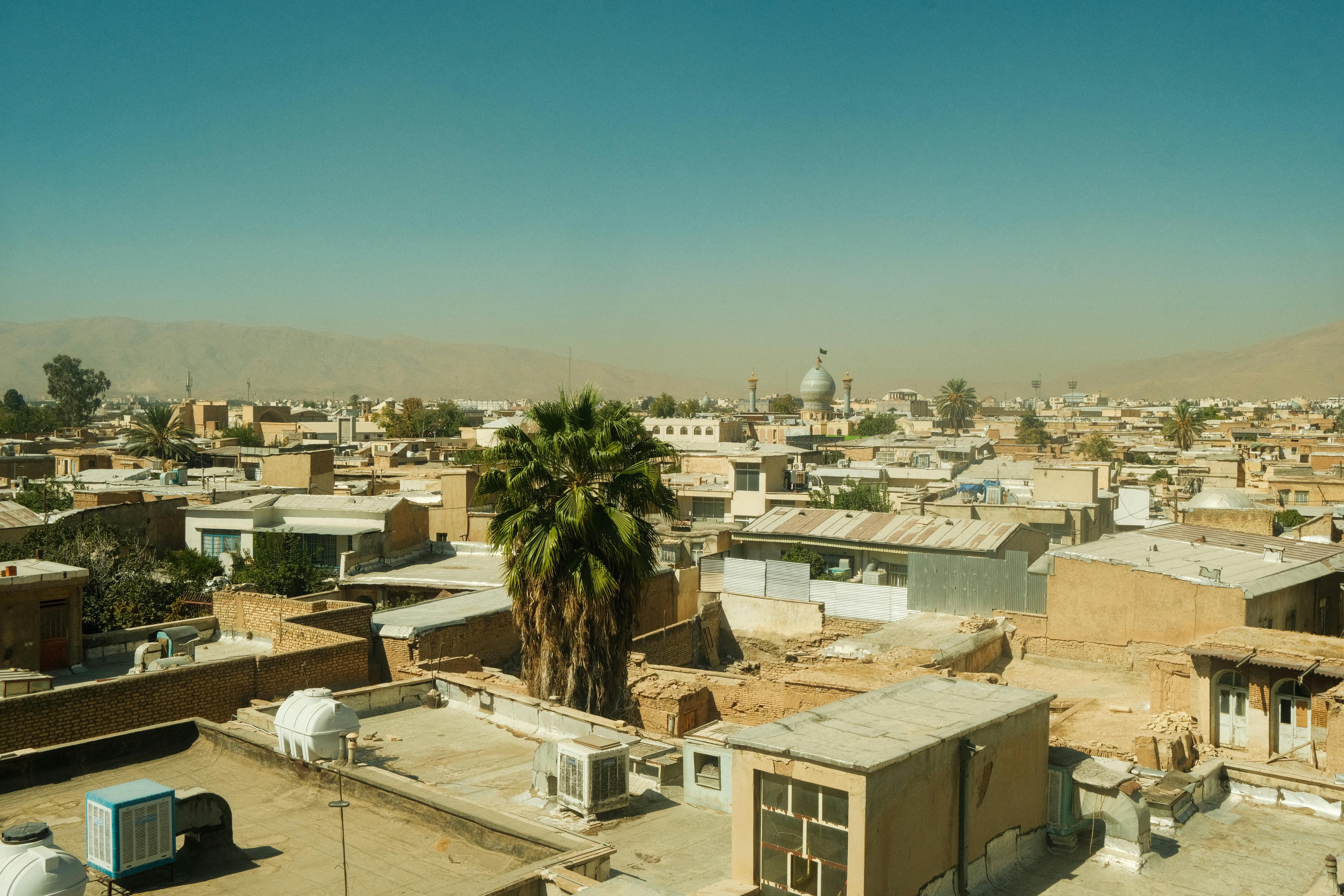
Shiraz has long been celebrated as the city of poets, roses, and refined Persian culture. Once a major capital under several dynasties, it remains one of Iran’s most rewarding destinations for travelers who enjoy historic architecture, garden design, and a slower, more reflective urban rhythm.
What makes Shiraz especially appealing on a short trip is how much of its identity can be felt in just a few days. You can move from the stained-glass glow of Nasir al-Mulk Mosque to the perfume of citrus trees in Eram Garden, then finish the day in a traditional bazaar or a modern coffee shop where students, artists, and families gather.
Practically speaking, Shiraz is one of the better-value city breaks in Iran, which suits your modest budget well. Dress modestly, carry cash where possible, confirm opening hours locally, and note that many historic sites are best visited early in the day for softer light, cooler temperatures, and fewer crowds.
Shiraz
Shiraz is the soul of Fars Province and, for many visitors, the most lyrical city in Iran. It is famous for the tombs of Hafez and Saadi, the elegant geometry of Persian gardens, and a bazaar culture that still feels deeply rooted rather than staged for visitors.
It also works beautifully for travelers interested in shopping and coffee shops. The historic core gives you traditional handicrafts, spices, textiles, and jewelry, while newer districts offer contemporary cafés serving espresso drinks, saffron desserts, and strong local people-watching.
For a short stay, base yourself in central Shiraz so you can keep taxi costs low and spend more time exploring. Good areas include the districts around Zand Street and the historic center, where many of the city’s major attractions sit within easy reach.
Where to stay: For apartment-style stays, browse VRBO in Shiraz. For hotel options across different price points, use Hotels.com Shiraz listings.
Getting there: For flights into Shiraz, compare schedules on Trip.com flights or Kiwi.com flights. If you are arriving domestically from Tehran, Isfahan, or Mashhad, flights are usually the quickest option; from Tehran, flight time is roughly 1.5 hours, while overland buses are much cheaper but significantly longer.
- Budget note: With a budget level of 13/100, focus on simple guesthouses or budget hotels, shared appetizers, local kebab shops, faludeh stops, and taxis booked selectively rather than constantly.
- Getting around: Taxis and ride-hailing are usually the easiest way to move between sights. Keep your itinerary clustered by neighborhood to save money.
- Best shopping targets: Vakil Bazaar for carpets, spices, copperware, and souvenirs; side streets near Zand Street for more everyday shopping at friendlier prices.
- Best coffee strategy: Pair morning sightseeing with café stops in the late morning or early evening, when Shiraz’s coffee culture feels liveliest.
Day 1 – Arrival, Vakil Quarter, and an Easy First Taste of Shiraz
Morning: As this is your arrival day, keep the morning unplanned except for travel. If you land early enough to check in before noon, settle into your accommodation, freshen up, and have your hotel mark key landmarks on a map so you can minimize transport costs.
Afternoon: After arriving in Shiraz, begin gently in the historic center with the Vakil complex. Start at Vakil Bazaar, one of the city’s most enjoyable places for shopping, where vaulted brick ceilings shelter lanes filled with spices, woven goods, silverwork, prayer beads, and hand-printed textiles.
The bazaar is not just a market; it is part of the civic heart built in the Zand era, and it still feels deeply local. Take your time comparing prices, especially if you are interested in small, packable souvenirs such as saffron, rose products, miniatures, or خاتم-style inlay crafts.
From there, walk to Vakil Mosque and, if time permits, the Vakil Bath. The mosque is worth visiting for its stone columns and graceful proportions rather than sheer scale, while the bathhouse offers a vivid glimpse into older Persian urban life.
For a late lunch, choose a classic local restaurant near the bazaar. Sharzeh Traditional Restaurant is a reliable choice for travelers wanting a first taste of Shiraz in a traditional setting; order koobideh kebab, doogh, and saffron rice. If you want something simpler and cheaper, look for a busy local kebab house nearby where turnover is high and portions are generous.
Evening: In the early evening, head to Arg of Karim Khan, the citadel associated with the Zand dynasty. Even if you do not spend long inside, seeing its massive brick walls at dusk gives you a strong visual introduction to Shiraz’s historical backbone.
Afterward, slow the pace with coffee. Seek out a well-regarded specialty café in central Shiraz—local café scenes can shift, so ask your accommodation for the strongest current option nearby in the Zand Street area. In general, look for cafés serving espresso-based drinks, date cake, carrot cake, or saffron desserts; these spaces are often lively but relaxed, making them excellent for first-night orientation.
For dinner, keep costs in check with a traditional soup, ash, sandwiches, or grilled chicken rather than a heavier formal meal. End with faludeh Shirazi, the city’s iconic frozen dessert of thin noodles, rosewater, and lime, ideally from a longstanding local dessert shop rather than a tourist-facing café.
Day 2 – Pink Mosque, Gardens, Tombs of Poets, and Café Time
Morning: Start early at Nasir al-Mulk Mosque, often called the Pink Mosque. Morning is essential here because sunlight passing through the stained glass creates the famous mosaic of color across the prayer hall floor, one of the most memorable indoor scenes in Iran.
After the mosque, have breakfast or coffee nearby. A good strategy is to choose a neighborhood café with fresh tea, omelets, barbari or sangak bread, and simple espresso drinks. If you find a café serving Persian breakfast plates with cheese, walnuts, jam, and herbs, it makes a fine contrast to the architectural splendor you have just seen.
Continue to the Narenjestan-e Qavam house complex if open and convenient. Its mirror work, painted ceilings, and garden setting add another layer to Shiraz: aristocratic, decorative, and intimate rather than monumental.
Afternoon: Move on to Eram Garden, one of the city’s signature Persian gardens and a highlight of any Shiraz itinerary. This is where the city’s reputation for botanical beauty feels fully earned: cypress trees, long water channels, symmetry, and the sense that architecture and planting were designed as a single art form.
For lunch, look for a casual restaurant or café near the garden or university area, where prices are often better and the atmosphere younger. Order zereshk polo if available, grilled vegetables, or a simple chicken-and-rice plate; these are satisfying without straining your budget.
Later in the afternoon, visit the Tomb of Hafez. Even travelers who do not read Persian poetry can feel the significance of this place, as families and students still come here to recite verses, reflect, and treat the poet almost as a living companion in the cultural life of Iran.
If energy allows, continue to the Tomb of Saadi. Saadi’s writing shaped ethical and literary traditions far beyond Shiraz, and his mausoleum has a quieter, more contemplative atmosphere than Hafez, making the pair an excellent same-day contrast.
Evening: Dedicate the evening to your coffee-shop interest. Choose a more contemporary café in a modern district of Shiraz, where the menu might include V60 or pour-over coffee, cold drinks, cheesecakes, and saffron ice cream. These cafés often reveal a different side of the city from the historical core: youthful, design-conscious, and socially vibrant.
For dinner, try a restaurant known for regional Persian cooking rather than only standard kebabs. Look for dishes such as kalam polo Shirazi, the city’s celebrated rice dish made with herbs and cabbage, often served with meatballs; it is one of the most local meals you can order and far more distinctive than a generic grill plate.
If you prefer another affordable dinner, choose a busy traditional eatery and share several dishes. This keeps costs low while letting you sample more flavors, especially yogurt-based sides, torshi pickles, and herb-heavy rice dishes.
Day 3 – Local Shopping, Last Coffee Stop, and Departure
Morning: Spend your final morning on lighter, flexible exploration built around shopping. Return to Vakil Bazaar if you saw items worth reconsidering, because the final day is often the best time to buy once you have a feel for prices and quality.
Focus on things Shiraz does especially well: rosewater products, spices, small rugs, printed tablecloths, copper items, and sweets suitable for carrying. Be patient and compare several stalls; in historic markets, the pleasure often lies as much in the conversation and browsing as in the purchase itself.
Before leaving the center, stop for one more proper coffee and breakfast. A café with outdoor seating or large windows is ideal on your final day, giving you one last stretch of Shiraz street life over cappuccino, tea, cake, or a light egg dish.
Afternoon: Check out and head toward the airport or onward transport. If your departure is later in the afternoon and you have time for one last sight, consider a brief stop at a nearby garden or boulevard rather than trying to squeeze in another major monument.
For onward travel, use Trip.com flights or Kiwi.com flights to compare domestic and international options. If you are continuing overland within Iran, ask your accommodation to help confirm bus terminal timing and the best-value taxi fare to reach it.
Evening: Most travelers departing in the afternoon will already be in transit by evening. If your schedule changes and you remain in Shiraz overnight, keep the final evening simple with a repeat visit to your favorite café or a relaxed dinner near your accommodation rather than crossing the city again.
Three days in Shiraz gives you a rewarding introduction to one of Iran’s most cultured cities without rushing its mood. You will leave with a strong sense of Persian gardens, poetry, traditional shopping, and the everyday café life that makes modern Shiraz feel warm, thoughtful, and very easy to like.