
3 Days in Saint Petersburg: Art, Palaces, and White Nights on the Neva
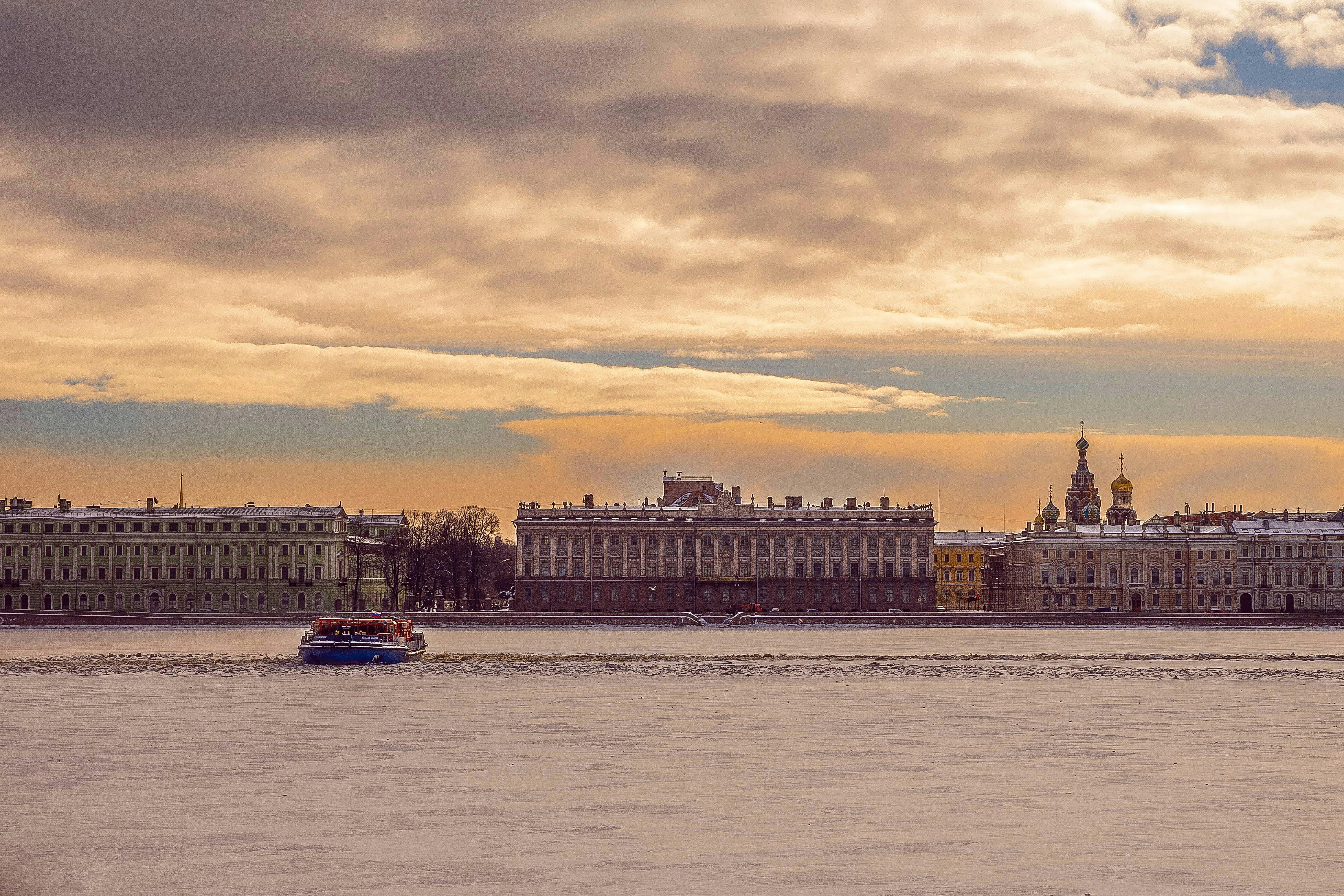
Saint Petersburg is Russia’s second city and its cultural capital—a baroque-and-neoclassical dream founded by Peter the Great in 1703. Palaces turned museums, wide boulevards, and a lacework of canals make it a natural rival to Venice. From the Hermitage’s world-class art to ballet at the Mariinsky, the city shines in every season—especially during the White Nights of summer when twilight lingers past midnight.
History is never far: the Romanovs at Peter and Paul Fortress, Rasputin’s end at Yusupov Palace, and World War II resilience told in poignant museums. Food-wise, expect hearty Russian comfort dishes alongside superb Georgian cuisine, modern bistros, and serious cocktail craft. Cafés and pastry shops fuel long museum days; evenings belong to canals, rooftops, and theater.
Practical notes (current as of 2025): Check your government’s latest travel advisories and visa requirements. Many foreign bank cards do not work in Russia—carry cash and confirm your hotel can process international payments; large taxis and cafes often accept local “MIR” cards or cash. SIM cards are sold with passport ID; taxis via local apps operate widely; the metro is fast, deep, and beautifully designed.
Saint Petersburg
The city unfolds along the Neva River, with grand avenues like Nevsky Prospekt and island districts packed with museums, theaters, and leafy parks. You’ll move between imperial set pieces—the Winter Palace, St. Isaac’s dome, the mosaic-laden Church of the Savior on Spilled Blood—and newer creative hubs like New Holland Island.
Top highlights:
- Hermitage Museum and Winter Palace: Rembrandt, Da Vinci, the Peacock Clock, and the Jordan Staircase.
- Peter and Paul Fortress: Birthplace of the city and burial site of the Romanovs.
- St. Isaac’s Cathedral: Climb the colonnade for the best city panorama.
- Church of the Savior on Spilled Blood: A riot of mosaics inside and onion domes outside.
- Peterhof fountains (summer) or Catherine Palace’s Amber Room (year-round): Day-trip showstoppers.
- Mariinsky Theatre: One of the great stages for ballet and opera.
- Canal cruise and “White Nights” bridge openings in late spring–summer.
How to get there: Many international routes connect via Istanbul, Dubai, Belgrade, or Yerevan; typical flight times: Istanbul–Saint Petersburg ~3.5 hours; Dubai–Saint Petersburg ~6 hours. Search and compare fares on Trip.com (flights) or Kiwi.com (flights). From Pulkovo Airport to the center, allow 45–70 minutes by taxi or bus + metro.
Where to stay: Base yourself near Nevsky Prospekt, Admiralteysky (for St. Isaac’s/Winter Palace), or Petrograd Side (quieter, near the Fortress). Browse options on VRBO Saint Petersburg or compare hotels on Hotels.com Saint Petersburg. Look for places with easy metro access (Gostiny Dvor, Admiralteyskaya, Nevsky Prospekt).
Day 1: Arrival, Nevsky Prospekt, and Palace Square
Morning: In transit. If you arrive early, drop bags and take a restorative walk along Nevsky Prospekt to get your bearings. Coffee is excellent (and fast) at the Bushe bakery chain—grab a cappuccino and a vatrushka (sweet cheese bun) to go.
Afternoon: Check in, then head to Palace Square, the heart of imperial Saint Petersburg—framed by the Winter Palace and the sweeping General Staff Building. Walk to the nearby Church of the Savior on Spilled Blood; its shimmering mosaics are a masterclass in Russian Revival. For a classic snack, stop at Pyshechnaya (Bolshaya Konyushennaya 25) for hot Soviet-style doughnuts dusted with sugar and a glass of cocoa—no-frills, all nostalgia.
Evening: Dine at Teplo near St. Isaac’s—homey Russian comfort dishes like borscht, beef stroganoff, and syrniki in a cozy townhouse setting. After dinner, take a one-hour canal cruise from the Moika or Fontanka embankments (runs most of the year; in high summer, consider a late departure for pink skies). Nightcap ideas: book ahead for El Copitas (speakeasy-level cocktails with agave spirits) or try a classic vodka tasting at a refined bar near Nevsky.
Day 2: Hermitage Masterpieces, Fortress History, and Mariinsky Night
Morning: Enter the Hermitage when doors open; plan 3–4 hours and focus on highlights to avoid museum fatigue. Start with the Jordan Staircase, then move through the Rembrandt, Raphael, and Leonardo rooms; peek at the Pavilion Hall’s Peacock Clock (ask about demo times). Brunch nearby at Marketplace (buffet-style, quick, fresh) or pop back to Bushe for a salmon sandwich and coffee.
Afternoon: Cross the Troitsky Bridge to the Peter and Paul Fortress. Visit the Peter and Paul Cathedral where nearly all Romanov tsars are buried; the Trubetskoy Bastion Prison offers a stark look at imperial-era confinement. Late lunch with a river view at Korushka on Zayachy Island—order the namesake smelt in season (a local springtime favorite), or try pelmeni with sour cream and dill.
Evening: If you can, book ballet or opera at the Mariinsky Theatre; a pre-show set menu at a nearby bistro keeps timing easy. Post-performance, stroll along the Kryukov Canal toward the glowing domes of St. Nicholas Naval Cathedral. For drinks, cocktail aficionados can seek bar seats at El Copitas; beer fans might try a craft taproom along Liteyny Prospekt. If visiting May–July, consider a late walk to watch the Neva’s bridges rise—magical, but mind which bank you’re on before the spans open.
Day 3: Palaces Day Trip, St. Isaac’s Views, and Farewell Flavors
Morning: Choose one showpiece palace. Summer pick: Peterhof, a 35–45 minute hydrofoil ride from the Admiralty piers when the fountains are running (usually May–September); allow 3–4 hours for Lower Park cascades and the Grand Palace. Year-round pick: Catherine Palace in Pushkin (Tsarskoye Selo), ~45–60 minutes by suburban train or bus; reserve timed entry to see the restored Amber Room. Expect admissions roughly $10–30 per site, depending on exhibits and season.
Afternoon: Return to the center for St. Isaac’s Cathedral; climb the colonnade for wraparound views of the Admiralty spire, the Neva, and the gold-tipped skyline. If time allows, visit Yusupov Palace on the Moika to explore the lavish interiors and the Rasputin exhibit. Lunch ideas around here: Stroganoff Steak House for a classic stroganoff and pickled starters, or quick blini at Teremok with fillings from mushrooms to salmon roe.
Evening: Toast your final night with rooftop views: Mansarda frames St. Isaac’s dome perfectly; Terrassa looks across to Kazan Cathedral—both pair modern Russian-European plates with photogenic panoramas. For something sweet, browse the historic Sever confectionery for honey cake or layered “Napoleon.” If energy remains, wander New Holland Island’s brick arches and sculpture-filled lawns; in warm months, it hums with pop-ups and music.
Coffee, snacks, and easy eats to know: Bushe (citywide) for excellent coffee/pastry; Pyshechnaya for old-school doughnuts; Marketplace for quick mix-and-match lunches; Pelmenya for dumplings; Georgian staples are ubiquitous—look for khachapuri (cheese bread) and khinkali (soup dumplings) at popular spots around Nevsky and Rubinstein Street.
Local logistics: The metro is inexpensive and fast; rides are typically under $1 and stations double as subterranean palaces. Taxis via local apps are plentiful; allow 45–60 minutes to/from Pulkovo depending on traffic. Museums are closed some Mondays or Tuesdays—check hours, and buy timed tickets when possible. Dress modestly for churches; scarves are often appreciated.
Where to book: Scan apartments and family-sized stays on VRBO and compare centrally located hotels via Hotels.com. For flights, browse Trip.com or Kiwi.com for the best routings via major hubs.
In three days, you’ll trace tsarist ambitions, revolutionary turns, and a vibrant contemporary scene—art, music, and food stitched together by canals and long northern light. Saint Petersburg rewards curiosity: linger in a courtyard, peek into a side chapel, chase one more view from a bridge. You’ll leave with museum highlights in your pocket and a list of places you already want to return to.