
3 Days in Rome, Italy: A Family-Friendly Local Living Itinerary
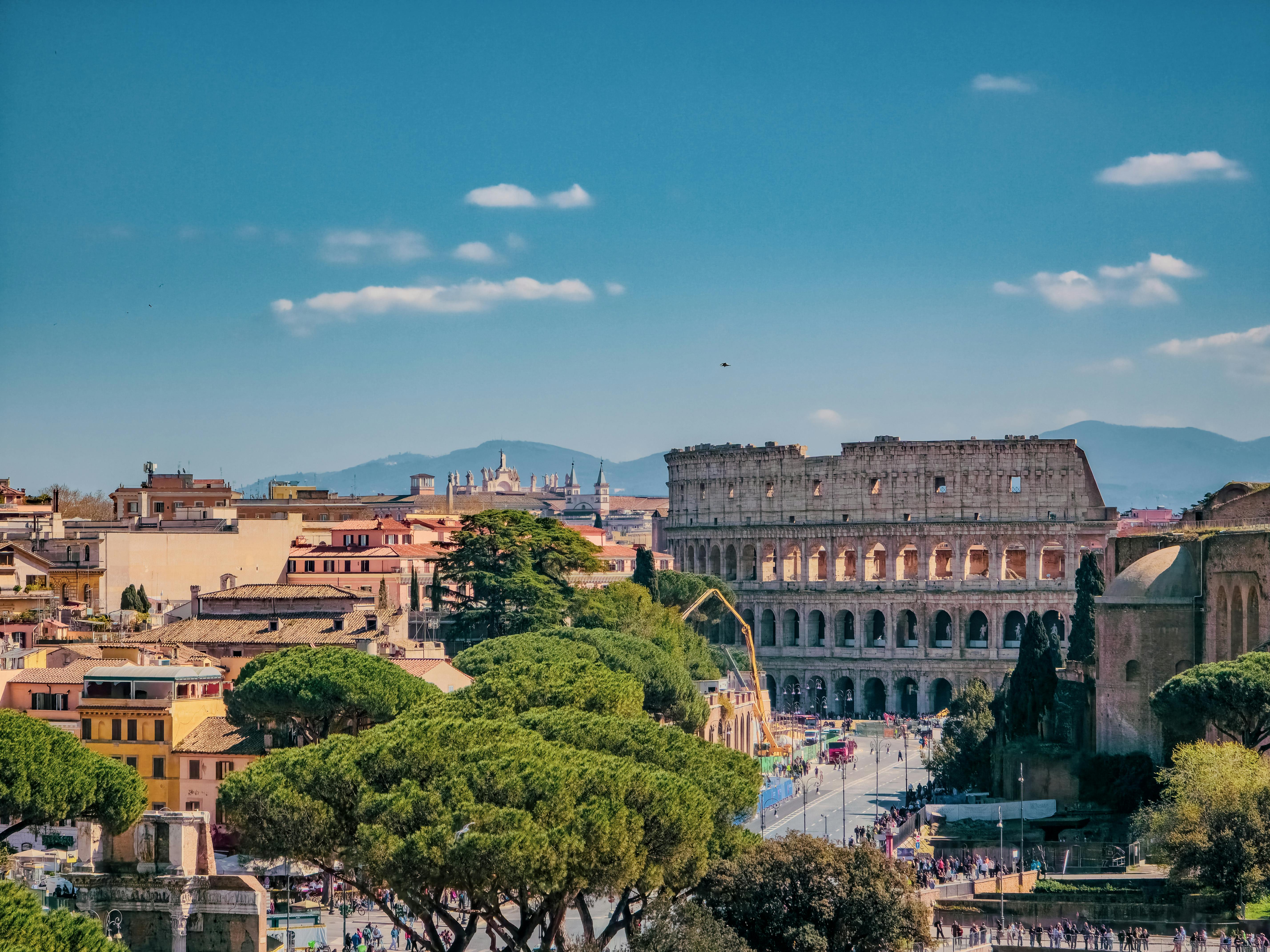
Rome is one of those rare cities where daily life unfolds atop 2,000 years of history. Ancient emperors, Renaissance artists, popes, and ordinary Romans have all left their imprint here, and the result is a city where a morning cappuccino can come with a view of ruins older than most nations.
For families, Rome works especially well because its grand monuments are balanced by very human pleasures: fountains to circle, squares to linger in, gelato breaks, neighborhood bakeries, and evening strolls called the passeggiata. You will find world-famous sights, of course, but also quiet corners where the city feels lived-in rather than staged.
This 3-day Rome itinerary is designed for a moderate budget and a "living like a local" style of travel. Expect walkable neighborhoods, practical transport notes, classic Rome attractions, and restaurant picks that make the city feel warm, flavorful, and easy to enjoy with family in tow; as always, reserve major attractions ahead, keep an eye on official strike notices affecting transit, and dress modestly for Vatican sites.
Rome
Rome is not a city to be rushed. Its greatest pleasure is contrast: one hour you are studying the engineering audacity of the Colosseum, the next you are sharing supplì in Trastevere while children chase pigeons in a sunlit piazza.
For a 3-day trip, staying central saves time and energy. Good family-friendly bases include Trastevere for atmosphere, Monti for village-like streets near ancient Rome, or the historic center for easy access to piazzas and fountains.
Where to stay: For good value with character, Hotel Santa Maria in Trastevere is especially appealing for families thanks to its peaceful cloister-like setting. Kolbe Hotel Rome is a smart pick near the Roman Forum, while budget-minded travelers should also browse The Beehive or compare broader options on VRBO Rome and Hotels.com Rome.
Getting there: For flights into Rome, compare schedules and fares on Omio. From Fiumicino Airport, the Leonardo Express train to Roma Termini takes about 32 minutes and typically costs around €14; taxis into the historic center use a fixed city fare, usually around €50, which can be worthwhile for families with luggage.
A great family-friendly activity: If you want an easy introduction to the city after arrival, the Rome 3H Private Golf Cart Tour with Pick Up and Drop Off Included is an excellent low-effort overview, especially helpful with children or jet lag.

Essential ancient Rome experience: The Colosseum Arena Floor, Roman Forum and Palatine Hill Guided Tour brings the ruins to life and helps younger travelers picture gladiators, emperors, and the vanished heart of the empire.

Vatican option: To avoid wasting precious time in lines, book the Vatican Museums, Sistine Chapel & St Peter’s Basilica Guided Tour. It is one of the most efficient ways to tackle a vast complex that can otherwise feel overwhelming.

For local flavor through food: The Winner 2025 Rome Twilight Trastevere Food Tour by Eating Europe is a wonderful fit for your preferred vibe and activity style, since Trastevere still feels like a neighborhood first and an attraction second.

Day 1: Arrival, Trastevere, and Rome at Street Level
Morning: This is your transit window, so keep the first half of the day light. If you land early enough, use Omio to review airport train options in advance, then head to your hotel and settle in without overpacking the schedule.
Afternoon: After check-in, begin gently in Trastevere, one of the most appealing neighborhoods in Rome for visitors who want to feel the city’s everyday pulse. Start with coffee and something sweet at Le Levain Roma, a beloved French-Italian bakery known for excellent pastries, then wander the ivy-draped lanes around Piazza di Santa Maria in Trastevere, where street life is the attraction.
For lunch, choose Osteria der Belli, a Sardinian-Roman favorite with seafood dishes and pasta that feels unfussy but serious, or Nannarella, popular for Roman classics such as cacio e pepe and amatriciana in a lively setting. Families often enjoy Trastevere because it has energy without the formality some central areas impose.
If everyone still has stamina, visit the Basilica of Santa Maria in Trastevere, one of Rome’s oldest churches, admired for its glittering mosaics. Then cross slowly toward the Tiber, stopping for gelato at Otaleg or Fiordiluna, both respected for quality ingredients and flavors that go beyond tourist-level sugar bombs.
Evening: For an easy first-night orientation, book the Rome 3H Private Golf Cart Tour with Pick Up and Drop Off Included. It is a smart arrival-day choice because you can see the Colosseum, Pantheon area, Trevi Fountain, and major piazzas without exhausting younger travelers.
If you prefer to stay on foot, have dinner in Trastevere at Tonnarello for hearty Roman pasta in a convivial atmosphere, or Da Enzo al 29 if you can secure a table and want a more old-school trattoria feel. End with a leisurely passeggiata through the neighborhood, the sort of unhurried evening ritual that makes Rome feel instantly familiar.
Day 2: Ancient Rome and Monti
Morning: Begin early at the Colosseum area, when temperatures are kinder and crowds more manageable. The best guided option for a short trip is the Colosseum Arena Floor, Roman Forum and Palatine Hill Guided Tour, which gives context to what might otherwise seem like scattered stones to children and first-time visitors.
Standing on the arena floor changes the scale of the Colosseum completely. From there, the Roman Forum becomes easier to imagine not as ruins but as the civic center of an empire, filled once with speeches, ceremonies, lawsuits, and processions.
Afternoon: After your tour, walk into Monti, a neighborhood of narrow streets, small boutiques, and local life tucked beside imperial monuments. Lunch at La Taverna dei Fori Imperiali is a classic call for traditional Roman dishes and warm hospitality, while Ai Tre Scalini works well for a lighter meal of wine, cheese, cured meats, and pasta in a relaxed setting.
For coffee or an afternoon pause, try Pasticceria Regoli, famed for its maritozzi filled with whipped cream, a Roman treat children tend to remember fondly. Then stroll through Monti’s side streets toward Piazza della Madonna dei Monti, where residents gather on the fountain steps and the city feels distinctly neighborhood-based rather than monumental.
If your family wants one more major sight without too much walking, continue to the Capitoline Hill overlook for a fine panorama of the Roman Forum. It is one of Rome’s best reminders that ruins here are not isolated attractions; they are woven into the living city.
Evening: Head toward the historic center for an atmospheric dinner. Armando al Pantheon is one of the great addresses for Roman cooking near the Pantheon, known for dishes such as gricia and saltimbocca, while Cul de Sac near Piazza Navona offers a broad menu and a deep wine list in a bustling old-Rome setting.
After dinner, see Rome by lamplight: Piazza Navona, the Pantheon exterior, and the Trevi Fountain all feel especially theatrical at night. This is also an ideal time to let the trip breathe: stop for a final gelato, listen to the street musicians, and let Rome reveal itself not as a checklist, but as a city of evening rituals and stone-lit beauty.
Day 3: Vatican Morning and a Local Finale
Morning: Dedicate your final full sightseeing block to Vatican City. The most efficient choice is the Vatican Museums, Sistine Chapel & St Peter’s Basilica Guided Tour, which helps you avoid long lines and gives shape to a collection so immense it can otherwise become a blur.
The Raphael Rooms, classical sculpture galleries, and Michelangelo’s Sistine Chapel frescoes are the stars, but the experience also carries a sense of scale: this is not just a museum, but a concentration of centuries of patronage, power, and belief. Wear comfortable shoes, keep shoulders and knees covered, and aim for a morning slot to preserve time for your departure day rhythm.
Afternoon: After the Vatican, have lunch in the Prati district, which is orderly, elegant, and noticeably more local in feel than the area immediately around St. Peter’s Square. Pizzarium is the famous stop for pizza al taglio sold by weight, with creative toppings and excellent dough, while Il Sorpasso is a polished but approachable choice for pasta, salads, and cured meats.
If time permits before heading to the airport, walk along Via Cola di Rienzo for practical shopping and one last coffee at a neighborhood café. For a final Roman breakfast-for-lunch style stop, a simple espresso and cornetto at a standing bar can be the most authentic farewell of all.
Evening: Since departure is in the afternoon, use this final segment as your transfer window. Plan to leave central Rome roughly 45 to 60 minutes before your preferred train departure to Fiumicino, or allow extra buffer if taking a taxi through city traffic; rail connections can be checked on Omio.
If your flight is late enough for one last early meal, keep it simple and close to your route with a casual pasta or sandwich rather than one final ambitious sit-down. Rome rewards restraint on departure day; it is better to leave wanting one more walk than to end the trip in a rush.
This 3-day Rome itinerary gives you the essentials of the Eternal City while preserving room for neighborhood life, good food, and family-friendly pacing. You will leave having seen the icons, certainly, but also having tasted the everyday Rome that residents know best: a city of markets, piazzas, espresso bars, and evenings meant for wandering.