
3 Days in Puducherry: A Relaxing Coastal Itinerary Through White Town, Auroville & Seaside Cafés
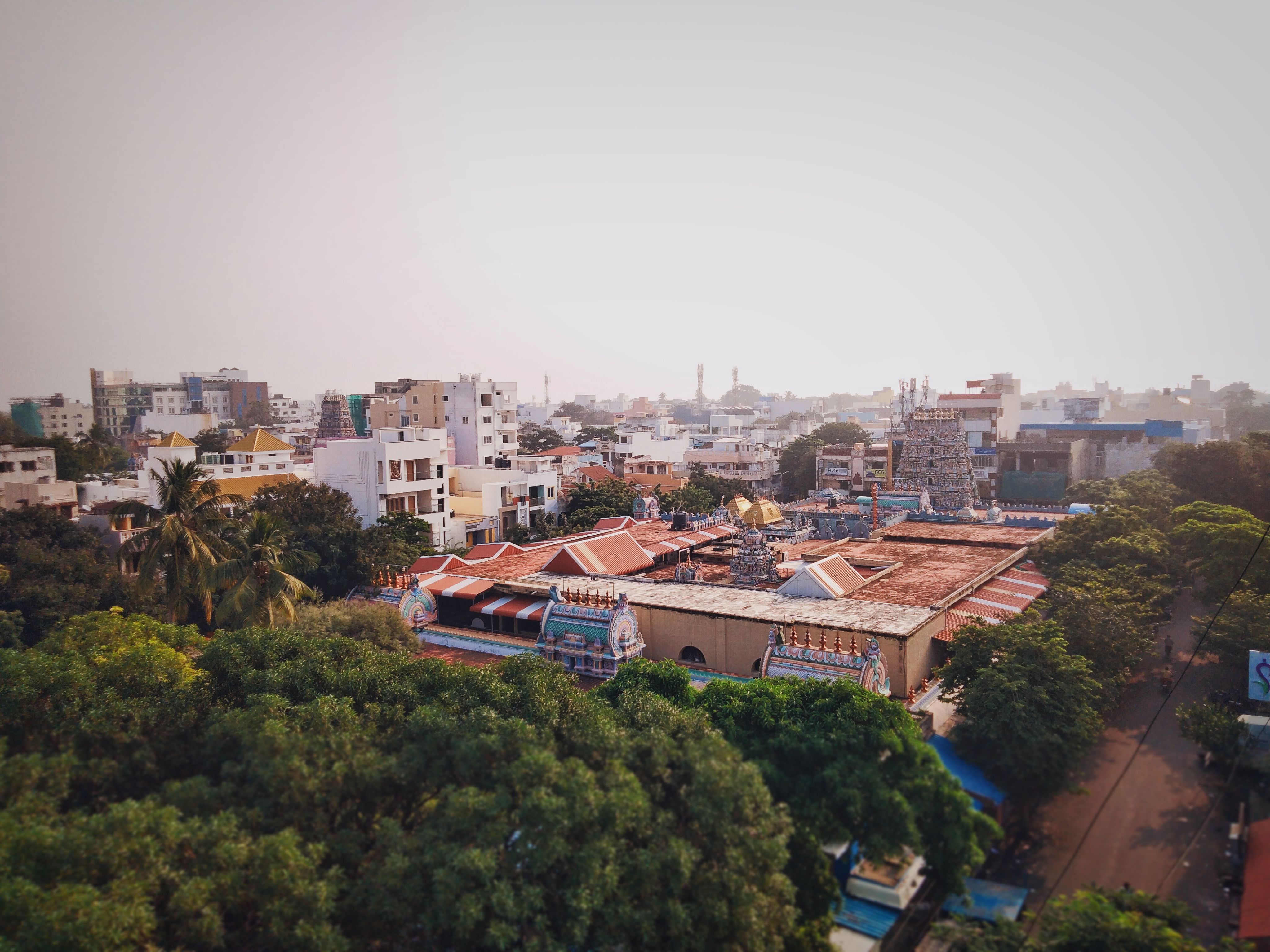
Puducherry, still affectionately called Pondicherry by many travelers, is one of India’s most distinctive coastal destinations: a former French settlement where mustard villas, Catholic churches, Tamil lanes, and bougainvillea-draped walls meet the Bay of Bengal. Its history lives in the city plan itself, with the elegant French Quarter facing the sea and the older Tamil Quarter just inland, creating one of the country’s most rewarding urban walks.
What makes Puducherry especially appealing for a short trip is its rhythm. This is not a city best conquered with a checklist; it is best absorbed through early promenade strolls, long café breakfasts, temple bells, bookstore browsing, and unhurried meals of seafood, crepes, croissants, dosa, and Creole-influenced dishes.
For practical planning, the most convenient gateway is Chennai, followed by a road transfer of roughly 3 to 3.5 hours to Puducherry, depending on traffic and whether you take the scenic East Coast Road. March is warm and often humid, so prioritize light clothing, midday breaks, hydration, and sunrise or sunset sightseeing; the city is generally easy to navigate by auto-rickshaw, taxi, bicycle, or on foot in White Town.
Puducherry
Puducherry is ideal for a 3-day relaxing itinerary because its best pleasures are close together. White Town offers colonial architecture, sea views, churches, museums, and polished cafés, while the Tamil Quarter and local markets bring color, ritual, and everyday life.
The city’s great advantage is atmosphere. You can spend one hour inside a quiet church, the next over filter coffee in a leafy courtyard, and the next watching the waves from Goubert Avenue, where the seafront becomes a community stage for walkers, families, and morning regulars.
For a balanced mid-range stay, base yourself in White Town or just beside it so you can walk to the Promenade, major cafés, and many heritage sights. Browse stays on VRBO Puducherry or compare hotels on Hotels.com Puducherry.
To reach Puducherry, most travelers fly into Chennai and continue by private car, taxi, or bus. Start your transport search with Trip.com flights or Kiwi.com flights; if you are arriving from elsewhere in India and prefer rail for part of the journey, check Trip.com trains. From Chennai to Puducherry by road, estimate around 3 to 3.5 hours and roughly US$35-70 for a private transfer, depending on vehicle type and season; buses are cheaper, often around US$4-10, but less restful after a flight.
Viator’s supplied activity inventory does not include a Puducherry-specific tour, so for this itinerary I recommend focusing on self-guided local experiences in Puducherry itself rather than padding the plan with unrelated Delhi or Mumbai excursions. That keeps the trip coherent, restful, and actually useful on the ground.
- Best area to stay: White Town for walkability, sea access, cafés, and heritage atmosphere.
- Best for your vibe: sunrise promenade walks, café hopping, heritage lanes, quiet spiritual spaces, and one gentle excursion to Auroville.
- Budget fit: very workable at a mid-range level if you mix one boutique heritage meal with simple local South Indian spots.
Day 1 - Arrival, White Town strolls & the Promenade
Morning: This is your travel morning, so keep it light. Arrive into Chennai and continue onward to Puducherry by road; if possible, request the East Coast Road route, which is the prettier drive with glimpses of the shoreline and fishing settlements along the way.
Afternoon: Check in and ease into the city with a late lunch at Coromandel Cafe, one of White Town’s prettiest dining rooms, known for its airy courtyard, polished service, and menu that moves comfortably between continental plates, seafood, and well-made coffee. If you want something more casual and wallet-friendly, Baker Street is a dependable first stop for quiche, sandwiches, pastries, and strong coffee; it reflects the city’s French imprint without taking itself too seriously.
After lunch, take a slow orientation walk through White Town. Wander Rue Dumas, Romain Rolland Street, and nearby lanes lined with colonial facades in ochre, white, and pale blue; the pleasure here is visual rather than monumental, and you will quickly understand why Puducherry is one of India’s most photogenic heritage districts.
Pause at Sri Aurobindo Ashram from the outside and, if open and appropriate for quiet entry, spend a short while in its serene spaces. Even non-spiritual visitors often appreciate the discipline of silence here; it provides a sharp, welcome contrast to India’s usually kinetic urban tempo.
Evening: Head to Promenade Beach and Goubert Avenue around sunset. This rocky waterfront is less about swimming and more about atmosphere: sea breeze, crashing surf, couples strolling, children playing, and the city gradually cooling into evening.
Make time for landmarks along the promenade, including the Mahatma Gandhi statue, the old French War Memorial, and the stately facade of the Old Lighthouse area nearby. None requires long visits, but together they create a compact open-air introduction to the city’s colonial and civic memory.
For dinner, choose Villa Shanti if you want a memorable first-night meal in a beautifully restored heritage building. Its courtyard setting is polished without stiffness, and the menu usually handles both Indian and European dishes well; it is a particularly good pick for travelers who want atmosphere but not an extravagant bill. Another strong option is Le Dupleix, where the old-world setting suits a slower dinner of seafood, curry, or grilled dishes.
Day 2 - Heritage, Tamil Quarter, cafés & slow evening by the sea
Morning: Start early with coffee and breakfast at Cafe des Arts, a longtime traveler favorite set in a heritage building with sunny interiors, mismatched furniture, and a pace that invites lingering. Order a croissant or eggs if you want a French-style morning, or choose lighter fare and coffee before the heat builds.
After breakfast, visit the Basilica of the Sacred Heart of Jesus, a striking neo-Gothic church with stained glass and a vivid red-and-white facade that stands apart from Puducherry’s pastel colonial streets. Continue to the Immaculate Conception Cathedral, one of the city’s most important churches, where the architecture and stillness reward even a brief stop.
From there, cross toward the Tamil Quarter. This part of Puducherry feels more residential and textural than White Town, with traditional houses, shaded verandas, shrines, and streets that reveal the local life often missed by travelers who stay only by the sea.
Afternoon: For lunch, try Kamatchi, a respected local restaurant that is especially useful if you want a solid South Indian thali or seafood-focused meal without paying heritage-hotel prices. If you are in the mood for a vegetarian lunch, Surguru is a reliable classic for dosa, pongal, meals, and filter coffee, and it tends to attract both residents and repeat visitors.
Spend the afternoon at the Puducherry Museum and the nearby Bharathi Park area. The museum is modest rather than sprawling, but its collection of French-period artifacts, sculptures, and archaeological finds adds valuable context to the streets you have been walking; Bharathi Park, meanwhile, offers shade, rest, and a convenient pause near the city’s civic quarter.
If you still have energy, continue to the Manakula Vinayagar Temple, one of Puducherry’s best-known Hindu temples. Its colorful gopuram and active devotional life provide a very different visual and spiritual register from the churches and colonial buildings earlier in the day, which is precisely why it belongs in this itinerary.
Evening: As the heat softens, return to the seafront for another promenade walk or choose a quieter detour to Rock Beach viewpoints and the surrounding lanes. Puducherry rewards repetition; the same waterfront feels different at dusk than it did on arrival day, and the unhurried return is part of the city’s appeal.
For a coffee break or light snack, stop at Bread & Chocolate if you do not mind a short ride; it is one of the region’s most talked-about café-bakeries, known for beautifully made pastries, breads, and specialty coffee. If you prefer to stay central, a second café stop at Baker Street is an easy, practical option.
Dinner should lean relaxed and local. Sea Gulls is popular for its sea-facing setting and seafood-forward menu, making it a good choice if you want prawns, fish, and a casual coastal atmosphere; if you prefer a more polished setting, return to White Town for Carte Blanche or another heritage-property restaurant, where the mood is calm and the surroundings do much of the work.
Day 3 - Auroville morning, leisurely lunch & departure
Morning: Dedicate your final morning to Auroville, about 20 to 30 minutes from central Puducherry by car depending on traffic. This experimental township, founded in 1968 with an international and spiritual vision, is not a conventional sightseeing stop; its appeal lies in green spaces, thoughtful design, handicrafts, quiet cafés, and a slower philosophical current.
Begin at the Visitor Centre, where you can learn the basics of Auroville’s history and present-day life before walking the shaded grounds. If advance viewing arrangements and timing permit, aim for the Matrimandir viewing point; the golden geodesic structure is one of the most unusual modern landmarks in India, and even the distant view has a contemplative quality that suits a relaxing itinerary.
Have breakfast or an early snack in Auroville at Auroville Bakery & Boulangerie or one of the nearby café spaces, where breads, pastries, sandwiches, and coffee are often better than one expects in a semi-rural setting. The atmosphere here is part of the pleasure: cyclists, artists, long-term residents, and travelers all passing through at an unhurried pace.
Afternoon: Return to Puducherry for a final lunch before departure. Escape In is a pleasant pick for a low-key meal with a leafy setting, while Coromandel Cafe is worth revisiting if you want to end on a higher note with a stylish but not overblown lunch.
If time permits before your onward transfer, fit in a little souvenir browsing for handmade paper, incense, textiles, ceramics, or gourmet products associated with the region and Auroville. Keep the final stretch intentionally loose rather than crammed; for a short relaxing trip, a calm ending is far more valuable than one last rushed attraction.
Evening: Depart Puducherry in the afternoon for Chennai or your next stop. For your onward journey, use Trip.com flights, Kiwi.com flights, or Trip.com trains as needed. If you are driving back to Chennai Airport, allow at least 4.5 to 5 hours buffer before a domestic flight and more for an international departure, since traffic near Chennai can be unpredictable.
Extra food notes for your Puducherry itinerary:
- Best breakfasts: Cafe des Arts for ambiance, Baker Street for pastries, Bread & Chocolate for excellent baked goods if you do not mind the detour.
- Best lunches for value: Surguru for vegetarian South Indian staples, Kamatchi for local meals and seafood.
- Best dinners for atmosphere: Villa Shanti, Le Dupleix, and sea-facing options such as Sea Gulls.
- What to eat: dosa, prawn curry, fish fry, croissants, baguettes, crepes, filter coffee, fresh juices, and Franco-Tamil fusion dishes where available.
This 3-day Puducherry itinerary keeps the pace gentle and the geography sensible, combining heritage streets, coastal walks, good food, spiritual calm, and a thoughtful half-day in Auroville. It is a trip built less around rushing between famous sights and more around mood, texture, and the kind of places that make you want to return.