
3 Days in Paris: A Smart, Stylish Itinerary for Art, Cafés, and Iconic Sights
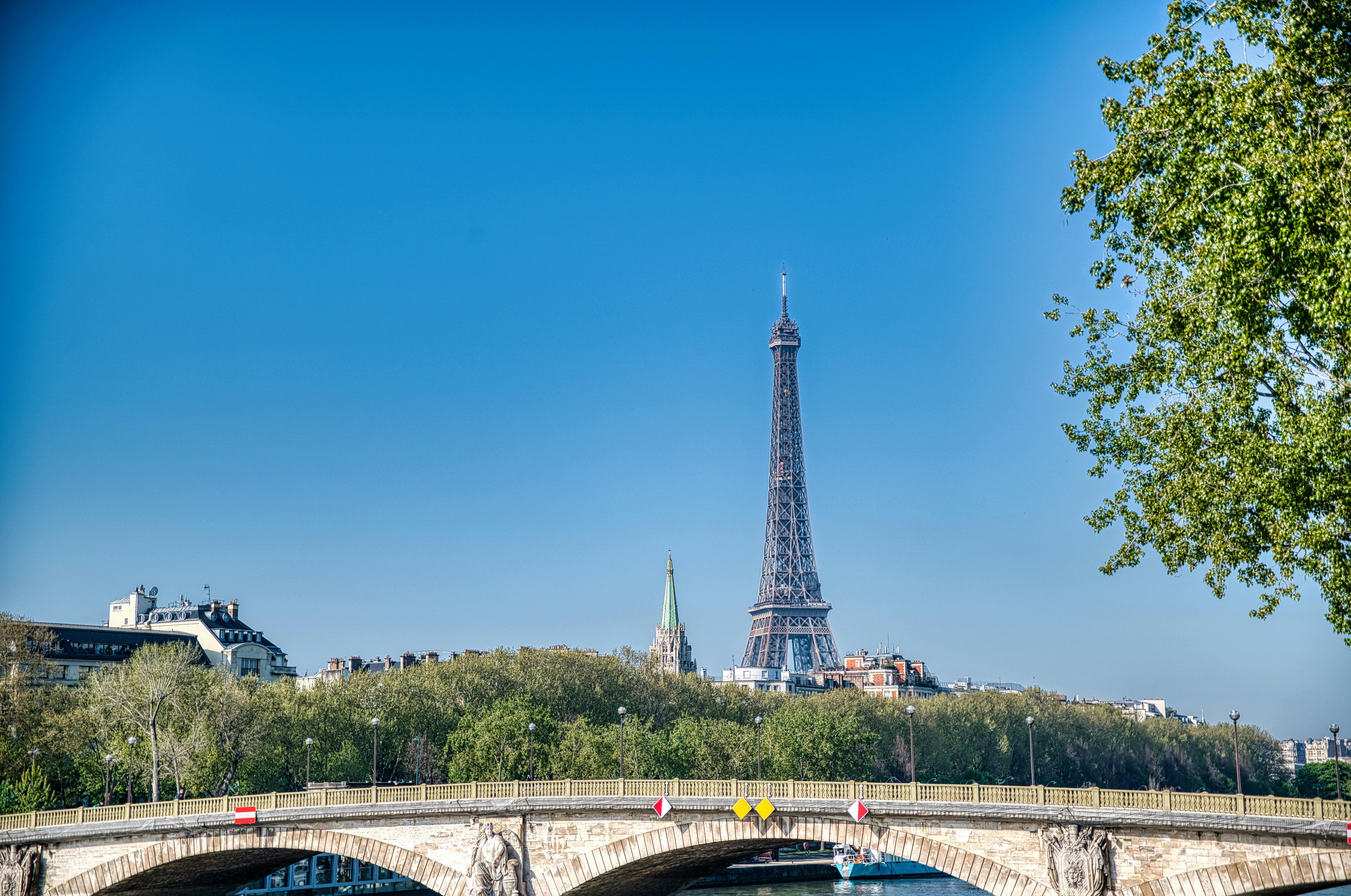
Paris has spent more than two millennia refining its sense of drama. From its Roman roots on the Île de la Cité to the grand urban redesign of Baron Haussmann in the 19th century, the French capital became a city built not merely to function, but to impress. Even now, its bridges, avenues, museums, and markets feel arranged for a very elegant stage set.
There are delightful contradictions everywhere here. Paris is both monumental and intimate: the Eiffel Tower and the Louvre draw the world, yet some of the city’s finest pleasures are still a buttery croissant at a corner bakery, a quiet square in the Marais, or a late dinner over a bottle of wine in Saint-Germain-des-Prés. It is also a city of neighborhoods, each with a distinct tempo, and that is what makes even a short Paris city break feel surprisingly rich.
For practical notes, Paris is easy to navigate by Métro, on foot, and by rideshare, though comfortable shoes are essential on cobbled streets and museum floors. Reserve major attractions in advance, especially the Louvre and Eiffel Tower. Be alert for pickpockets in dense tourist areas and on public transport, and plan meals with some flexibility: in Paris, one of the great joys is leaving room for a café, a pastry stop, or an impromptu glass of wine when a terrace calls your name.
Getting to Paris: For flights to Europe, browse schedules and fares on Omio. If you are arriving by train from elsewhere in Europe, compare rail options on Omio trains. Paris has several major arrival points, but for a 3-day itinerary it is best to stay central, ideally in the 1st, 4th, 5th, 6th, 7th, or 9th arrondissement.
Paris
Paris is not just a checklist of monuments; it is a city best read like a novel, one quarter at a time. You will find Gothic history on the Seine, royal grandeur in the Louvre district, literary cafés on the Left Bank, and small, lived-in pleasures in every market street and bakery queue.
For first-time visitors, the essential Paris attractions are close enough to combine intelligently: the Eiffel Tower, Louvre Museum, Notre-Dame area, Seine River, and classic neighborhoods like Le Marais and Saint-Germain-des-Prés. Yet the city’s true seduction often lies in the details: tiled Métro entrances, brass café counters, old bookstores, and the glow of bridges after dusk.
Where to stay: For apartment-style stays, search VRBO Paris. For hotels, compare neighborhoods and rates on Hotels.com Paris.
- Best areas for a 3-day stay: Saint-Germain-des-Prés for classic Left Bank atmosphere, Le Marais for boutiques and nightlife, the 7th arrondissement for proximity to the Eiffel Tower, or Opéra/9th for strong transport connections and excellent dining.
- Food to seek out: croissants made with AOP butter, steak-frites, onion soup, roast chicken with potatoes, buckwheat galettes, oysters and seafood towers, and pastries such as mille-feuille, Paris-Brest, and tarte au citron.
- Local rhythm: Breakfast is often light, lunch can be the best-value serious meal of the day, and dinner rarely feels rushed. Book ahead for popular restaurants, especially on weekends.
Day 1 — Arrival, the Seine, and the Eiffel Tower by Night
Morning: This is your travel morning, so keep expectations light and save your energy for the afternoon arrival in Paris. If you land at Charles de Gaulle or Orly, allow roughly 45 to 75 minutes to reach central Paris depending on traffic or rail connections.
Afternoon: After check-in, begin gently in the 7th arrondissement with a late lunch at Café Constant, a beloved address linked to chef Christian Constant. It is a very Parisian place to ease into the city, known for polished bistro cooking without excessive ceremony; expect seasonal French plates, reliable service, and a room that feels lived-in rather than staged.
If you prefer something lighter, La Fontaine de Mars is another excellent choice nearby, especially for southwestern French comfort food such as duck confit and traditional terrines. After lunch, walk toward the Champ de Mars and the Eiffel Tower, taking time to enjoy the slow reveal of the iron lattice through residential streets and open lawns rather than rushing straight beneath it.
Continue with a Seine-side stroll from the Eiffel Tower area toward the Pont Alexandre III if energy allows. This is one of the most beautiful introductory walks in Paris: riverboats passing below, gilded bridge statuary ahead, and the monumental facades of the Invalides and Grand Palais nearby. It gives you the city’s grandeur without the fatigue of a museum on arrival day.
Evening: For an aperitif or coffee break, stop at Kozy Bosquet, a dependable neighborhood café with specialty coffee, generous brunch-style plates, and a friendly local feel. It is useful to know about this spot for another morning too, but on day one it works well for a restorative pause before dinner.
For dinner, book Les Cocottes near the Eiffel Tower area, where chef Christian Constant’s concept revolves around rich French dishes served in cast-iron cocottes. The setting is stylish but not stiff, and the menu is ideal for a first night in Paris when you want classic flavors done with confidence. If you would rather go old-school Left Bank, dine at Le Relais de l’Entrecôte Saint-Germain, famous for its walnut salad, steak-frites, and secret sauce; the menu simplicity is part of the ritual.
End the evening with the Eiffel Tower sparkling on the hour after dark. Watching it from the Trocadéro is dramatic, but for a slightly calmer view, the stretch near Pont de Bir-Hakeim offers a lovely perspective. If jet lag catches up with you, let it: your only real task tonight is to let Paris announce itself properly.
Day 2 — Louvre, the Historic Heart, and Le Marais
Morning: Start early with breakfast at Café Verlet, one of Paris’s historic coffee houses near the Louvre, celebrated for serious coffee and a refined, old-world atmosphere. If you want a quicker pastry-led option, Boulangerie BO&MIE near the center is a strong choice for flaky viennoiseries and excellent breads. Then head to the Louvre Museum with a timed ticket, focusing on a few wings rather than trying to conquer the entire collection.
The Louvre can overwhelm even seasoned museum-goers, so give yourself a clear route. A smart first visit might include the Denon Wing for the Mona Lisa and major Italian works, the Winged Victory of Samothrace, and the Greek sculpture galleries. The palace itself is part of the experience: ceilings, staircases, and long state rooms remind you that this was once royal space before it became one of the world’s great museums.
Afternoon: For lunch, walk toward Le Fumoir, just across from the Louvre, where the menu leans bistro-modern and the dark, bookish interior feels wonderfully Parisian on a museum day. Another excellent option is Au Pied de Cochon in Les Halles, an old Paris institution with onion soup, seafood platters, and classic brasserie energy; this is a place to order something unapologetically French.
After lunch, explore the historic center on foot: cross toward the Palais Royal gardens, continue to the Seine, and make your way to Île de la Cité to admire the exterior of Notre-Dame de Paris. Following the cathedral’s reopening phase, access conditions can vary, so check current entry arrangements locally, but even the exterior and surrounding square are worth your time. Nearby, Sainte-Chapelle is a jewel box of stained glass and one of the most astonishing Gothic interiors in Europe.
From there, wander into Le Marais, where medieval lanes, aristocratic mansions, independent boutiques, and Jewish, LGBTQ+, and contemporary creative life all intersect. This neighborhood rewards unplanned walking. Look for Place des Vosges, one of the most graceful squares in Paris, and pause for people-watching beneath its arcades.
Evening: In Le Marais, pause for coffee or a sweet treat at Fragments, loved for strong coffee and a more contemporary neighborhood atmosphere, or pick up falafel from L'As du Fallafel if you want an iconic casual bite. Rue des Rosiers remains one of the best places in Paris to feel the layering of cultures and eras in a single short street.
For dinner, reserve Bistrot des Tournelles, where chef-bistro cooking is thoughtful, seasonal, and deeply satisfying without becoming fussy. If you want a more classic brasserie mood, Bofinger near Bastille is a beautiful Alsatian institution beneath an ornate dome, known for seafood, sauerkraut platters, and a polished Belle Époque setting.
After dinner, consider a short Seine River evening walk rather than a packed nightlife plan. Paris after dark is at its best when it slows down: lamps reflected on the water, bridges turning theatrical, and bookstalls shuttered beside the river. If you would like a cruise, choose one of the departures near the central quays; the monuments look entirely different once illuminated.
Day 3 — Left Bank Mornings, Saint-Germain, and a Graceful Departure
Morning: Begin on the Left Bank with breakfast at Maison Mulot in Saint-Germain-des-Prés, a polished pâtisserie and bakery known for elegant tarts, fine viennoiseries, and a very satisfying savory selection. For coffee lovers, Coutume Café is another strong pick if specialty coffee matters as much as the croissant. Then spend your final morning around Saint-Germain-des-Prés and the Luxembourg Gardens.
This area offers a different Paris from the monument-heavy first day and museum-rich second day. It is literary, layered, and quietly glamorous, associated with philosophers, writers, jazz clubs, and old publishing houses. Visit the church of Saint-Germain-des-Prés, browse nearby bookstores, and take a measured walk through the Luxembourg Gardens, where Parisian life is often on full display: children sailing toy boats, locals reading in green chairs, and students crossing between lectures.
Afternoon: Before departing, settle in for lunch at Le Comptoir du Relais if you can secure a table, famous for richly executed French bistro classics and a cult reputation among food-minded travelers. If that feels too ambitious time-wise, Breizh Café is a practical and delicious alternative for Breton buckwheat galettes and cider; it is ideal for a final meal that feels distinctly French without being too heavy before travel.
If you have an extra hour, stroll either through the covered passages near the center or revisit the Seine for last photographs. Another lovely final stop is Shakespeare and Company near Notre-Dame, especially if you enjoy literary travel and atmospheric browsing. Then collect your bags and head to the airport or station, allowing generous transfer time; Paris traffic can be unpredictable, particularly on weekday afternoons.
Evening: This is your departure window, so the evening is devoted to onward travel. For airport transfers and train connections within Europe, compare current options on Omio flights and Omio trains. If your schedule leaves room before leaving the city, pick up macarons or chocolate from Pierre Hermé or Patrick Roger for a final edible souvenir.
Three days in Paris is enough to understand why people return for a lifetime. You will leave having seen the city’s icons, but also having tasted its quieter pleasures: neighborhood cafés, evening river light, and the feeling that beauty here is not reserved for landmarks alone. It is a short trip, certainly, yet one with the satisfying shape of a much longer romance.