
3 Days in Paris: A Classic City Break Through the Eiffel Tower, Louvre & Seine
Paris began as a settlement on the Île de la Cité and grew into a capital that shaped European art, fashion, cuisine, and revolution. In just three days, you can feel its layers everywhere: Roman traces under medieval streets, royal grandeur in museum halls, and 19th-century boulevards made for flânerie.
Few cities have inspired as many writers and painters, yet Paris is not only about monuments. It is also about buttery croissants at breakfast, the ritual of café terraces, small wine bars hidden behind market streets, and the way the Seine ties the whole city together like a ribbon of history.
For practical planning, expect extensive walking, easy Métro access, and timed-entry culture at major sights, especially the Eiffel Tower and Louvre. As of March 2025, Paris remains very workable for short stays, but advance reservations are strongly advised for headline attractions, and comfortable shoes are just as important as a dinner reservation.
Paris
Paris is wonderfully suited to a 3-day itinerary because its great icons sit close to vivid, livable neighborhoods. One hour you are standing before the Mona Lisa; the next, you are sipping espresso on a side street in Saint-Germain-des-Prés or browsing old passages near the Grands Boulevards.
The city’s appeal lies in contrast. Imperial avenues open into medieval lanes, opulent palace hotels stand not far from student cafés, and the iron audacity of the Eiffel Tower meets the hush of church interiors and museum galleries.
Food is central to the experience here. For breakfast and coffee, look for places that treat viennoiserie seriously; for lunch, classic bistros and market-driven kitchens reward advance planning; and for dinner, Paris offers everything from old-school steak-frites to polished tasting menus and intimate natural-wine spots.
Where to stay: For a storied address near Place Vendôme, consider The Ritz Paris or Le Meurice. For a smart Left Bank base close to the Latin Quarter, Hotel du College de France is especially well placed. For Montmartre atmosphere, Hôtel des Arts Montmartre is a strong pick, while Hôtel des Grands Boulevards suits travelers who want central access and style. You can also browse broader options on VRBO Paris and Hotels.com Paris.
Getting there: For flights into Paris from within Europe or long-haul arrivals routed through Europe, compare schedules on Omio flights. Once in the city, the RER B and official taxis connect the airports to central Paris; from Charles de Gaulle to central neighborhoods, expect roughly 35 to 60 minutes depending on traffic or rail timing.
Recommended book-ahead activities:
- Eiffel Tower Dedicated Reserved Access Top or 2nd floor by lift — a strong choice for a short stay because it cuts uncertainty around one of Paris’s busiest sights.
- Louvre Museum Masterpieces Guided Tour with Access — ideal if you want context, efficient routing, and the major works without wandering aimlessly through a vast museum.
- Early Access Paris Notre Dame Cathedral Walking Tour — excellent for understanding the historic core of Paris and the cathedral’s extraordinary restoration story.
- Bateaux Parisiens Seine River Gourmet Dinner & Sightseeing Cruise — a memorable final-night option when you want monument views without adding more walking.


Day 1: Arrival, the Seine, and an Elegant First Night in Paris
Morning: This is your travel morning, so keep expectations light and save energy for the city itself. If you land early and can drop bags before check-in, begin with a simple coffee and pastry near your hotel rather than racing to a museum.
Afternoon: After arrival and check-in, ease into Paris with a walk through Saint-Germain-des-Prés and toward the Seine. Start with coffee at Café de Flore or Les Deux Magots if you want literary history with your espresso; both are famous rather than hidden, but they remain wonderful for atmosphere and people-watching. If you prefer something more contemporary and less theatrical, Coutume Café is a reliable specialty-coffee stop.
For a late lunch, book a table at Les Antiquaires, a polished bistro near the Musée d’Orsay known for classic French dishes done with confidence, or try Semilla for a more modern Left Bank meal with market-driven plates. If you want something casual, grab an excellent jambon-beurre and a fruit tart from a serious boulangerie and eat along the riverbanks like a local office worker on a lucky day.
Spend the rest of the afternoon strolling the quays and crossing onto the Île de la Cité. The point is not to conquer Paris immediately, but to let the city introduce itself by stone bridges, bookstalls, and those grand river views that make every first visit feel cinematic.
Evening: For your first major activity, take the Early Access Paris Notre Dame Cathedral Walking Tour if your arrival timing allows a same-day slot; otherwise, simply enjoy the exterior and surrounding historic streets this evening and save interior touring for another visit. Notre-Dame is not just a cathedral but the symbolic heart of Paris, and the surrounding island still carries the mood of the medieval city.
For dinner, choose Le Comptoir du Relais for a celebrated Saint-Germain bistro experience if you can secure a reservation, or dine at Allard for a classic old-Paris room and traditional fare. Order dishes that root you firmly in France: onion soup, roast chicken, duck confit, or a proper seasonal fish with beurre blanc.
If you still have energy, end with a simple Seine promenade or a glass of wine at a small bar in the 6th arrondissement rather than a late-night sprint across town. Your reward tonight is atmosphere: illuminated bridges, cream-colored façades, and the first glimpse of why Paris belongs to memory so quickly.
Day 2: Eiffel Tower, Louvre Masterpieces, and the Paris You Came For
Morning: Begin early with breakfast at Café Verlet if you are staying centrally and want old-world refinement, or at Mamiche for superb viennoiseries if you do not mind a small detour. A proper Paris morning should include good butter, strong coffee, and no rush beyond the one created by your own excitement.
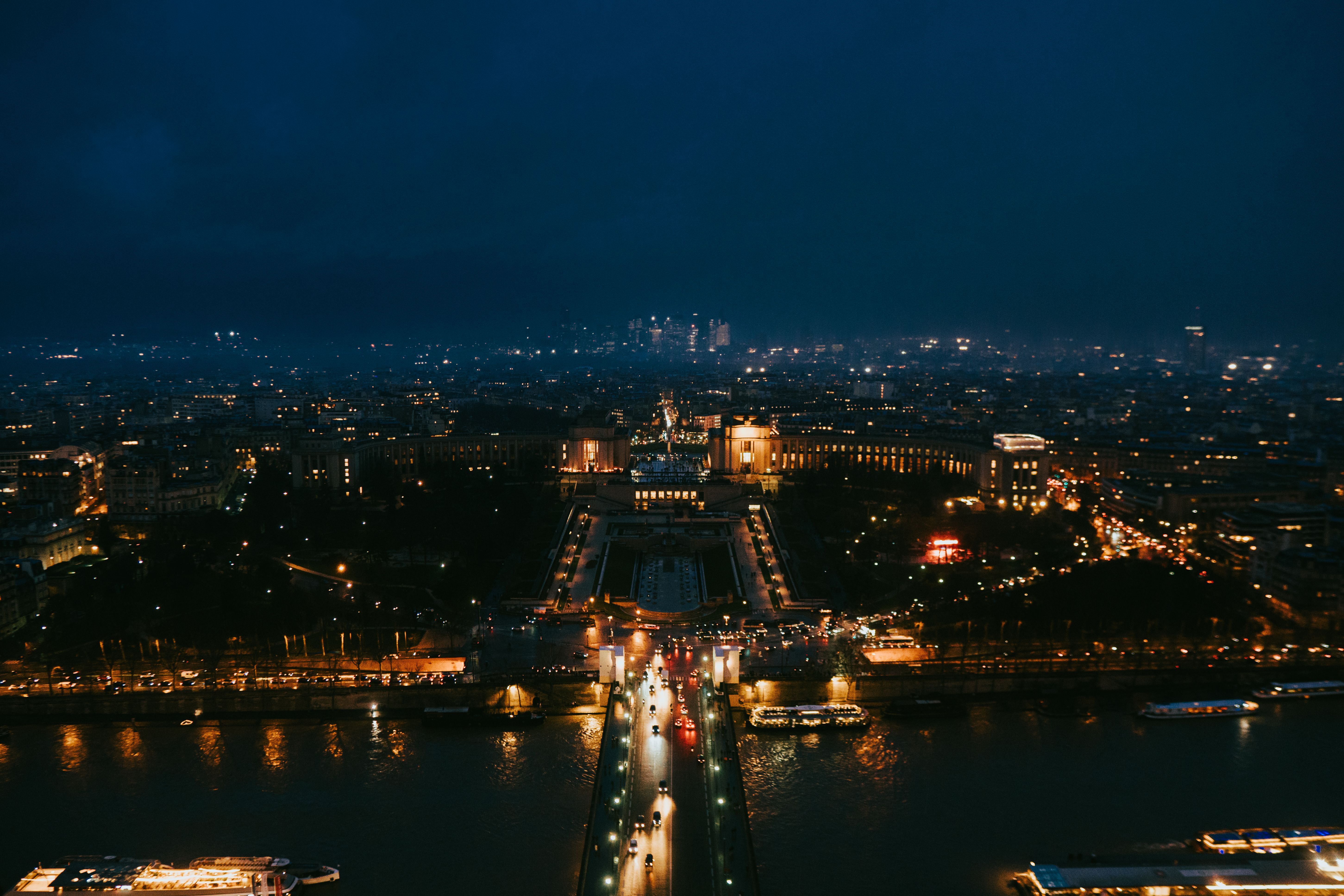
Then head to the Eiffel Tower for the Eiffel Tower Dedicated Reserved Access Top or 2nd floor by lift. This is one of the smartest uses of pre-booking on a short Paris itinerary: the tower is iconic, queues can be punishing, and a guided or hosted reserved entry makes the experience smoother and more informative. From the upper levels, Paris reveals its logic—broad boulevards, domes, gardens, and the looping Seine laid out with almost imperial clarity.
Afternoon: For lunch near the tower, Les Cocottes offers polished French comfort food in a lively setting, while Café Constant remains a dependable Right Bank standby associated with chef Christian Constant. Keep lunch efficient; your afternoon belongs to art.
Continue to the Louvre for the Louvre Museum Masterpieces Guided Tour with Access. The Louvre can overwhelm even seasoned museum-goers, which is exactly why a focused guided visit works so well here. You will see headline works such as the Mona Lisa and Venus de Milo, but the real pleasure is learning how a royal palace became one of the world’s great museums and how its collection maps centuries of ambition, collecting, empire, and taste.
If you prefer a shorter independent coda after the tour, walk through the Tuileries Garden before returning to your hotel to rest. This pause matters. Paris is best enjoyed with intervals, not as a marathon of monuments.
Evening: Tonight is made for the water. Book the Bateaux Parisiens Seine River Gourmet Dinner & Sightseeing Cruise for a relaxed sweep past the city’s illuminated landmarks. Cruising the Seine after dark is one of those experiences that can sound obvious on paper and still feel unforgettable in reality, especially when the Eiffel Tower begins to sparkle and the façades along the river seem staged for your table.
If you would rather dine on land, consider Granite for contemporary French cooking or Bistro Paul Bert for a more traditional, beloved bistro mood. In either case, reserve well ahead; Paris rewards planning, especially where dinner is concerned.
Day 3: Montmartre, Local Food, and a Beautiful Last Look
Morning: Start your final day in Montmartre, the hilltop quarter long associated with artists, cabarets, and the mythology of bohemian Paris. Have breakfast at Hardware Société for a generous, stylish brunch, or keep it more classic with coffee and pastries from a neighborhood bakery followed by a leisurely walk uphill before the lanes fill.
Spend the morning wandering around Sacré-Cœur, Place du Tertre, and the quieter backstreets where Montmartre feels less theatrical and more residential. Look for vineyard plots, ivy-covered corners, and stairways that remind you this neighborhood was once outside the city proper. Paris often hides best in these in-between places.
Afternoon: For lunch and a deeper sense of local flavor, join the Paris Food Tour: Eat Like a Local with Cheeses, Wines & Secrets. Montmartre is a fine setting for this because food here is not just about eating well; it is about understanding how Parisians shop, what distinguishes a serious fromagerie from an average one, how baguettes are judged, and why market culture still matters in a global capital.

If you prefer to explore independently, lunch at Bouillon Pigalle for a lively, affordable taste of classic French dishes in a Belle Époque-style setting, or choose Le Coq Rico if poultry is your passion and you want a more destination-worthy meal. After lunch, descend toward the Opéra or the covered passages if time allows for one last browse.
Evening: Keep your final evening graceful and unhurried, especially with an afternoon departure the next day in mind. If your schedule permits only a lighter night, take the Paris Seine River Sightseeing Cruise with Commentary by Bateaux Parisiens as a lower-commitment farewell to the city, or opt for the Paris Seine River Sunset & Evening Champagne Cruises if you want a toast to your last night.
For dinner, Frenchie is a perennial favorite for creative modern cooking, while Septime remains one of the city’s most admired tables if you can secure a reservation well in advance. For something more intimate and less ceremonious, a wine bar with small plates in the 9th or 11th arrondissement can be the perfect final note—civilized, delicious, and very Parisian.
Before turning in, take one last short walk near your hotel. In Paris, endings matter: the glow on limestone, the clatter of café chairs being stacked, the hush after traffic thins. Those are often the details travelers remember longest.
In three days, this Paris itinerary gives you the essential monuments, excellent food, and enough neighborhood texture to feel the city rather than merely photograph it. You will leave having seen the Eiffel Tower, Louvre, Seine, Montmartre, and Notre-Dame’s historic heart, but just as importantly, you will leave with a sense of Parisian rhythm—its appetite, elegance, and way of making ordinary streets feel storied.