
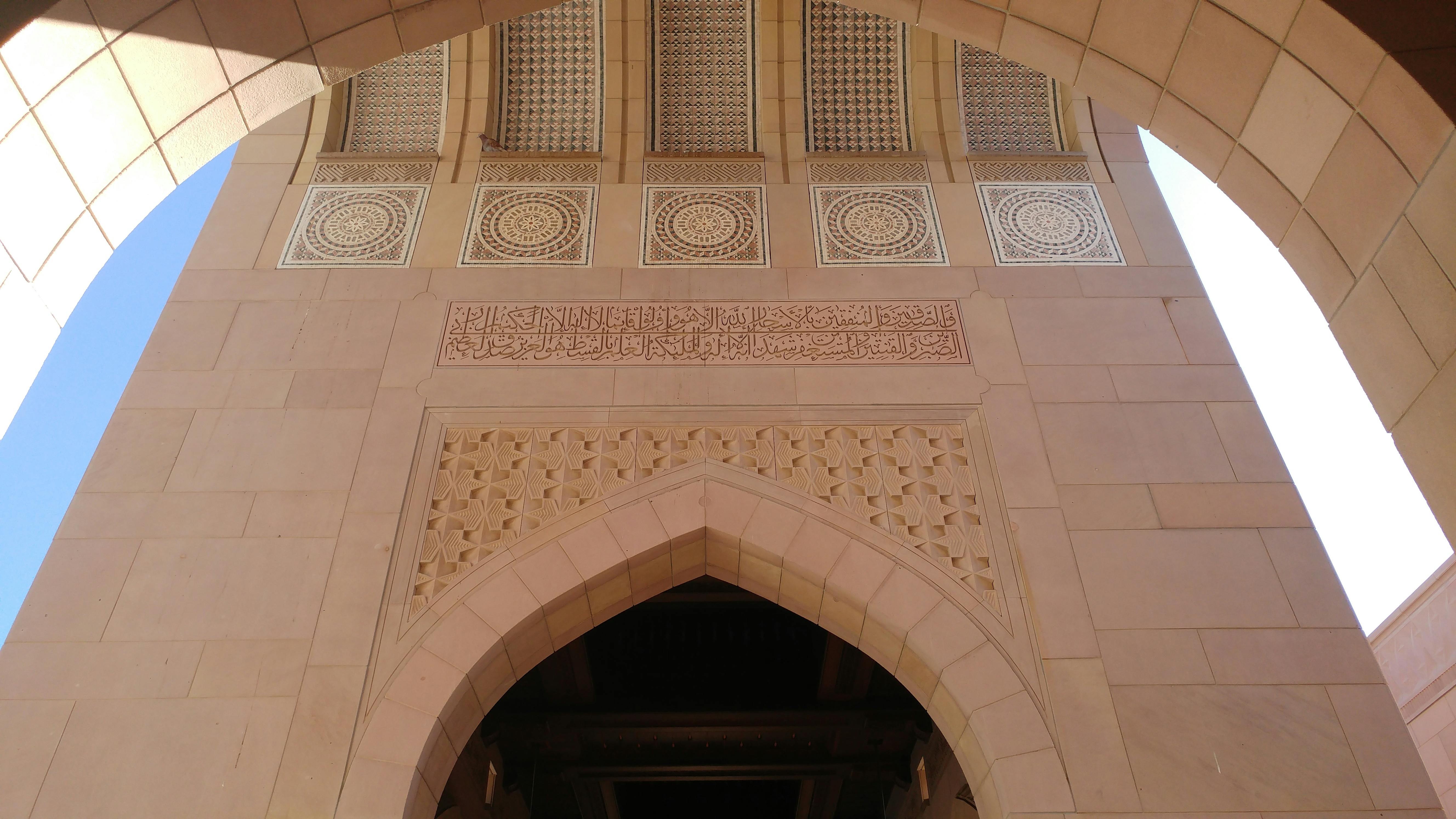
Cradled between the Hajar Mountains and the Arabian Sea, Muscat is where old-world Oman meets a graceful, modern capital. Frankincense once scented its harbors; today, you’ll wander Mutrah’s labyrinthine souq, photograph Portuguese-era forts, and sip cardamom-laced karak by the corniche.
History runs deep here. The brilliant marble of the Sultan Qaboos Grand Mosque shelters one of the world’s largest handwoven carpets. The National Museum and Bait Al Zubair showcase weaponry, jewelry, and seafaring lore that defined Oman’s trading power from East Africa to India.
Practical notes: dress modestly, especially for mosque visits (women need a headscarf; arms/legs covered). Best weather is October–April. Taxis and ride-hailing apps are common; roads are excellent if you’d like to self-drive. Omani cuisine you’ll love to seek out: shuwa (slow-cooked lamb), qabuli (spiced rice), and halwa for dessert.
Muscat
Muscat’s appeal is balance: whitewashed domes and date palms, perfumed souqs and pristine beaches, cliff-backed coves and mountain day trips. It’s a capital that still feels intimate.
- Top sights: Sultan Qaboos Grand Mosque, Mutrah Souq and Corniche, Royal Opera House Muscat, Al Alam Palace (exterior), National Museum of Oman, Qurum Beach.
- Active days: Dhow cruises along the coast, snorkeling at the Daymaniyat Islands, wadi hikes (Wadi Shab), and 4WD journeys up to Jebel Akhdar.
- Food you shouldn’t miss: Omani shuwa and harees, fresh grilled fish and jumbo prawns, gooey Omani halwa with kahwa (spiced coffee).
- Fun fact: Mutrah Souq’s lanes were once stacked with frankincense and dates bound for Zanzibar; look for silversmiths and spice merchants that keep the tradition alive.
Where to stay
- Al Bustan Palace, A Ritz-Carlton Hotel — beachfront icon backed by mountains. Book via Hotels.com: Check availability.
- Shangri-La Barr Al Jissah Resort & Spa — a trio of coves and pools east of the city; superb for families and snorkelers. Book via Hotels.com: See rooms and rates.
- Mutrah Hotel — classic, budget-friendly base near the corniche and souq. Book via Hotels.com: View deals.
- Compare more stays across neighborhoods on Hotels.com (Muscat) or browse villas and apartments on VRBO (Muscat).
Getting to Muscat (MCT)
- Fly into Muscat International Airport. From Dubai, flights are about 1 hour (often US$80–180); from Doha ~1h40m (US$120–250); from London nonstop ~7.5–8 hours (US$600–900, seasonal). Search and compare on Trip.com flights or Kiwi.com.
- Airport to town: 20–30 minutes by taxi or ride-hailing; hotel cars are convenient. Renting a car is straightforward; driving is on the right and speed cameras are common.
Day 1: Arrival, Mutrah Corniche, Old Muscat, and Frankincense Traditions
Morning: Travel day. If you land early and want a quick caffeine fix, order karak (sweet spiced tea) and a warm rakhal (Omani flatbread) from a neighborhood tea shop en route to your hotel.
Afternoon: Ease into Muscat along the Mutrah Corniche. Stroll past dhows and watch the light hit the limestone hills, then dive into Mutrah Souq to browse silver khanjar daggers, frankincense, and pashminas. For a late lunch, try Bait Al Luban near the corniche for Omani qabuli rice and luban-infused drinks, or grab fresh grilled prawns at Turkish House in Al Khuwair (a local seafood staple).
Evening: Continue to Old Muscat for photos of Al Alam Palace (exterior) flanked by the cliff-top forts of Al Jalali and Al Mirani. If you fancy a gentle first night, book an atmospheric dhow ride:
Omani Dhow Coastal and Sunset Cruise (evening) — typically 2 hours, US$40–60 per adult, includes soft drinks.

For dinner, book Rozna (a castle-like Omani restaurant with shuwa carved tableside and date-based dips) or the garden majlis at Kargeen Café for mishkak skewers and warm khubz from the clay oven.
Day 2: Forts, Souqs, and Mountain Vistas — Nizwa & Jebel Akhdar
Morning: Depart Muscat around 7:30–8:00 AM for Nizwa (1.5–2 hours). Explore Nizwa Fort and climb the round tower for oasis views; then browse the Nizwa Souq for Omani pottery, spices, and silver. If it’s a Friday, arrive earlier (around 6:30–7:00 AM) to witness the traditional goat market.
Afternoon: Continue by 4WD to Jebel Akhdar (The Green Mountain). Walk short terrace trails in villages like Al Ayn or Al Aqor, learn how rose water is distilled in spring, and take in dramatic wadis from the Saiq Plateau viewpoints. Expect cooler temperatures—bring a light layer.
Evening: Return to Muscat for dinner. Go contemporary Omani at Al Angham near the Royal Opera House (sambusa, qabuli, date puddings), or grab a relaxed feast at Turkish House—their lemon-butter hamour is local lore.
Recommended small-group or private tour from Muscat:
Muscat: Full-Day 4WD Tour to Nizwa, Jebel Akhdar & Birkat Al Mouz — about 10 hours; typical prices US$100–160 (group) or US$200–350 (private).

Day 3: Mosque, Opera, Museum — Classic Muscat Before Departure
Morning: Visit the Sultan Qaboos Grand Mosque at opening (tourist hours are generally Sat–Thu, 8:00–11:00 AM; closed Friday mornings to visitors—confirm locally). Admire the chandeliered prayer hall and that vast single-piece Persian carpet. Continue to the Royal Opera House Muscat for a guided tour if available, or a quick architectural walk-through.
Afternoon: Explore the National Museum of Oman to connect the dots—from Bronze Age beehive tombs to Indian Ocean trade routes. Lunch options: order shuwa with fragrant rice at Bait Al Luban (Old Muscat), sample Omani mezze at Al Angham, or keep it light with hummus and fattoush at Kargeen Café. If time allows, finish with a barefoot stroll along Qurum Beach or coffee at Al Mouj Marina before your airport transfer.
Evening: Departure day—aim to be at MCT around 2–2.5 hours before an international flight. Compare rides or book a car via your hotel. For future trips, bookmark flight deals on Trip.com and Kiwi.com.
Prefer a Nature Swap for Day 2? Wadi Shab & Bimmah Sinkhole
If hiking, emerald pools, and sea cliffs are your style, replace Day 2 with a coastal adventure east of Muscat. Start early, drive 1.5–2 hours to Wadi Shab, hike about 45–60 minutes up a palm-filled canyon, then swim through turquoise pools to a hidden cave waterfall. Picnic or grab a simple bite at local cafeterias, then stop at the photogenic Bimmah Sinkhole and white sands around Fins before returning to the city for dinner at Rozna or beachside seafood at Bait Al Bahr (Shangri-La).
Wadi Shab and Bimmah Sinkhole Full Day Tour — around 9–10 hours; expect US$85–140 depending on group size and inclusions.

Optional: Muscat Highlights in 4 Hours (Great for Tight Schedules)
If you prefer a guide and driver to streamline mosque timings and city logistics, add a half-day overview:
Half-Day Private Muscat City Tour – Top Landmarks in Just 4 Hours — efficient way to cover the mosque, corniche, and photo stops; typically US$50–100 per person depending on group size.

Breakfasts and coffee to try
- Dukanah Café (local favorite): Omani-style breakfast—rakhal stuffed with cheese and honey, balaleet (sweet vermicelli with egg), and strong karak.
- Café Bateel (Shatti area): date pastries, great espresso, and light breakfasts before a beach walk.
- Neighborhood karak stands: order a paper-cup karak and an egg rakhal for a quick, tasty start.
Good-to-know tips
- Mosque etiquette: knees, shoulders, and arms covered; women need a headscarf. Slip-on shoes make entry quicker.
- Best seasons: Oct–Apr for hiking and boat trips; summers are hot and humid on the coast. Daymaniyat landings face seasonal restrictions for turtle nesting; snorkeling still operates with weather checks.
- Souq bargaining: friendly and respectful haggling is expected; carry small OMR notes and try frankincense grades before buying.
Ready to book? Secure your stay on Hotels.com or VRBO, and keep flight deals on your radar via Trip.com or Kiwi.com.
In three days, Muscat gives you souqs and sea breezes, a gleaming mosque, and mountain air perfumed with rose farms. Return when the season changes—you’ll find new colors on the terraces and different spices in the souq.