
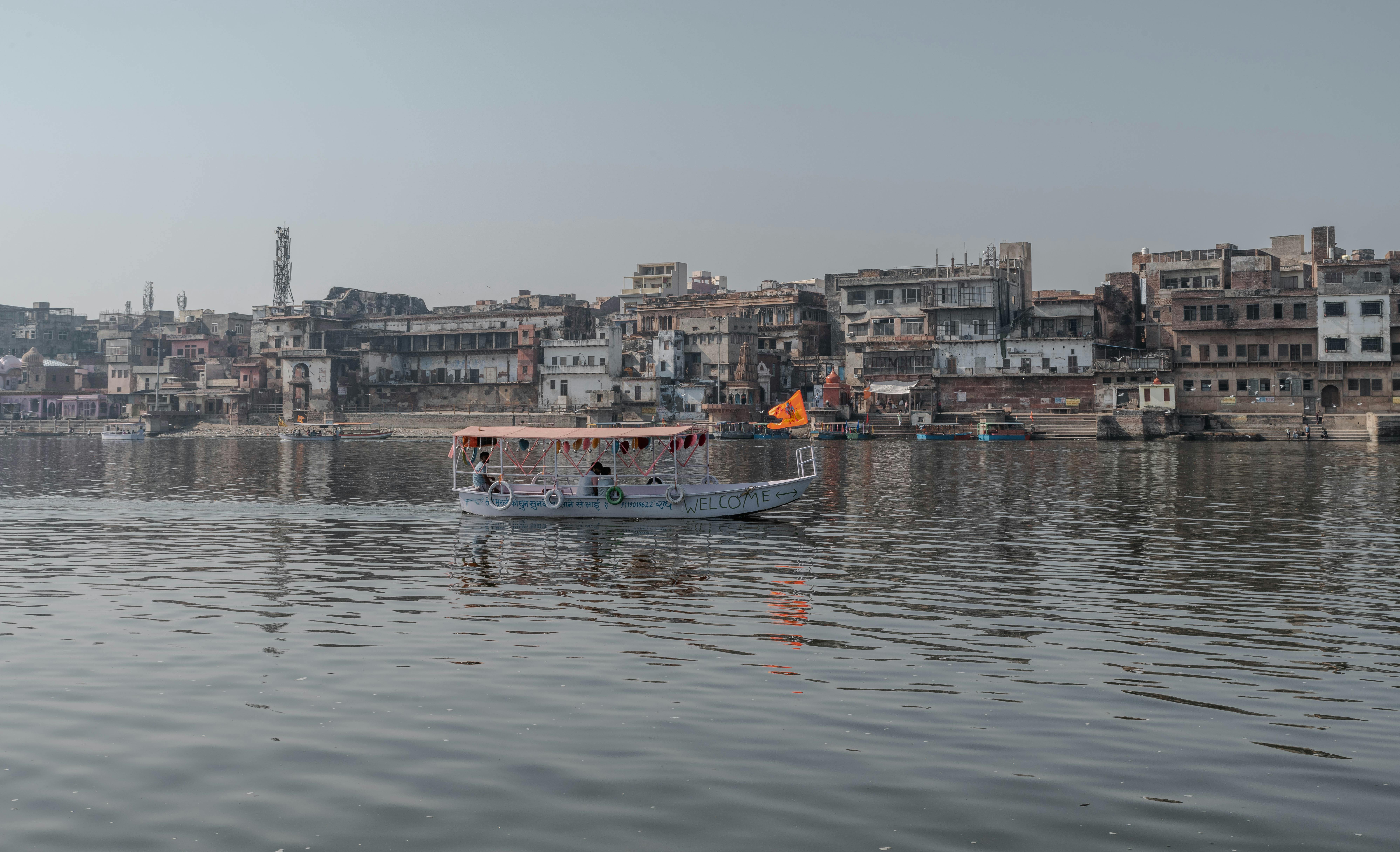
Mathura is one of India’s oldest continuously inhabited cities and is revered as the birthplace of Lord Krishna. Set along the Yamuna River in Uttar Pradesh, it has drawn pilgrims, poets, traders, and temple builders for centuries, giving the city a mood that is at once devotional, busy, intimate, and deeply lived-in.
What makes a Mathura itinerary especially rewarding is that its appeal lies not only in headline sights such as Shri Krishna Janmabhoomi and Vishram Ghat, but also in the smaller rhythms of daily life: brass temple bells, milk simmering for sweets, flower sellers threading marigolds, and evening aarti reflected on the river. The nearby Braj culture is rich with folklore, music, and food traditions, so even a short 3-day trip to Mathura can feel layered and memorable.
For practical planning, expect warm days for much of the year, modest dress at temples, and security checks at major religious sites. Mathura is well connected by road and rail from Delhi and Agra, local vegetarian cuisine is the norm around the old city, and the best approach for a relaxing stay is to balance sacred landmarks with time for wandering markets, sampling peda, and sitting still long enough to watch the city reveal itself.
Mathura
Mathura is not a city to conquer with a checklist. It is better enjoyed in pauses: an early temple visit before the crowds gather, a slow cup of chai near a market lane, or a twilight boat ride when the Yamuna turns bronze and the ghats glow.
Because your preference leans relaxing and local, this plan keeps travel light and focuses on neighborhoods, food, riverside rituals, and cultural texture. You will see the essential sacred sites, but with enough breathing room to browse, rest, and absorb the everyday character of the city.
Where to stay: For hotel comfort at a moderate budget, consider Clarks Inn Mathura, a dependable base with easier access for taxis and day movement. For value-focused stays, Hotel Ganpati Palace is popular for proximity to key temple areas, while Brijwasi Lands Inn offers a practical mid-range option; you can also browse broader stays on VRBO Mathura or Hotels.com Mathura.
Getting there: The simplest route is usually to arrive via Delhi. Search flights into the region on Trip.com flights or Kiwi.com, then continue by road or train; rail options toward Mathura Junction can be checked on Trip.com trains. From Delhi, overland travel typically takes about 2.5-3.5 hours depending on train choice or road traffic, and usually remains budget-friendly.
Note on activities: The provided Viator activity list appears mismatched to Mathura and features Indianapolis products, so I have not included them in order to keep this Mathura travel guide accurate and useful.
- Top experiences in Mathura: Shri Krishna Janmabhoomi, Vishram Ghat, Dwarkadhish Temple, Bengali Ghat lanes, local sweet shops, evening Yamuna aarti, and a gentle excursion to Gokul or nearby Braj villages if time allows.
- What to eat: Mathura peda, kachori-sabzi, bedai, lassi, rabri, simple thali meals, and fresh North Indian vegetarian fare.
- Best local-living tip: Wake early one day, spend time near the old city before tour buses arrive, and let food stops and street life shape the hours.
Day 1: Arrival, the old city, and an evening on the Yamuna
Morning: This is your transit window. If you are arriving from Delhi or Agra, aim for a morning departure and use Trip.com trains to compare rail options into Mathura Junction; train journeys are often around 1.5-3 hours from nearby major cities, while road transfers are commonly 2-4 hours depending on traffic.
Afternoon: Check in and keep your first hours light. After settling at Clarks Inn Mathura, Hotel Ganpati Palace, or Brijwasi Lands Inn, head out for a late lunch at a straightforward local vegetarian restaurant such as Shankar Mithai Wala area eateries or a classic thali spot near the main market; order a simple North Indian meal with dal, seasonal sabzi, roti, and curd to ease into the city rather than diving straight into heavy fried snacks.
Afternoon: Begin your Mathura sightseeing with Dwarkadhish Temple, one of the city’s most beloved and visually lively Krishna temples. Its painted interiors, festive atmosphere, and central old-city setting make it a fine first introduction to Braj devotion, and the lanes around it are full of flower sellers, brassware shops, and sweet counters that give you the “living like a local” feeling you asked for.
Afternoon: On the way, pause for a cool drink or coffee-style break where available, though in Mathura chai and lassi are often the better cultural choice. A good local move is to stop at a reputable lassi or milk shop and try thick sweet lassi served in an earthen cup; this region’s dairy heritage is not a side note but part of the city’s identity.
Evening: Walk to Vishram Ghat, the most atmospheric riverside stop in Mathura. Tradition holds that Krishna rested here after slaying Kansa, and whether or not you arrive with religious context, the steps, shrines, priests, oil lamps, and boatmen create one of the most evocative scenes in the city.
Evening: If you feel up to it, take a short boat ride at sunset. It is a gentle, low-effort way to absorb the city, and from the water you can watch the ghats unfold in sequence while hearing temple bells and evening prayers drift over the river.
Evening: Stay for the Yamuna aarti, which is the right kind of unhurried finale for your arrival day. For dinner afterward, look for a trusted local vegetarian restaurant serving paneer dishes, tandoori roti, jeera rice, and mild curries; if you want something distinctly Mathura, finish with fresh peda, the city’s signature milk sweet, from a longstanding sweet shop such as Brijwasi or another well-frequented local mithai counter.
Day 2: Krishna Janmabhoomi, market life, and Mathura’s food traditions
Morning: Start early at Shri Krishna Janmabhoomi Temple Complex, the spiritual heart of Mathura and one of the most important pilgrimage sites in India. Security is strict and queues can build, so carry only essentials; arriving early gives you a calmer experience and a better chance to observe pilgrims in prayer before the day becomes busier.
Morning: The appeal here is not only theological significance but atmosphere. You are standing in a city layered with ancient memory, rebuilt devotion, and living ritual, and even travelers who are not religious often find the seriousness and emotion of the site deeply affecting.
Morning: Breakfast after the visit should be local and satisfying: try kachori-sabzi or bedai with aloo from a busy morning shop where turnover is high. These fried breads with spiced lentil filling or puffed texture, paired with potato curry and often a sweet jalebi on the side, are classic North Indian breakfast foods and particularly fitting in old Mathura.
Afternoon: Slow the pace with a walk through the old bazaars around Chatta Bazaar and nearby lanes. This is where Mathura becomes most personal: puja items, brass lamps, Krishna prints, temple clothes, sweets, utensils, snacks, and ordinary household commerce all coexist in compact streets that feel more lived than staged.
Afternoon: For lunch, choose a simple sit-down vegetarian place and order a seasonal thali or light snacks such as dahi bhalla, tikki, or paneer-based dishes. The best meals in Mathura are often not the most polished, but the places locals return to for freshness, familiarity, and speed.
Afternoon: After lunch, consider visiting the Government Museum, Mathura if it is open during your travel dates and timings align. This is one of the finest places to understand the city beyond its temple identity, especially through sculptures of the ancient Mathura school of art, which played a major role in early Indian religious iconography.
Evening: Keep the evening restful and local rather than over-programmed. Return to a neighborhood near your hotel for chai and people-watching, or revisit the ghats for a quieter, less ceremonial riverside stroll than the previous evening.
Evening: For dinner, seek out a reliable family-style vegetarian restaurant with North Indian staples and a calmer setting than the old-city crush. Order tomato-based paneer, dal tadka, tawa roti, and perhaps a dry vegetable dish; after a temple-heavy day, a steady, familiar meal is often more satisfying than a long search for novelty.
Evening: End with sweets. If you sampled peda on Day 1, try rabri tonight, or compare offerings between two sweet shops to see how each balances richness and grainy milk texture. In Mathura, dessert tasting is not indulgence alone; it is cultural fieldwork of the most delicious sort.
Day 3: A softer Braj morning and departure
Morning: On your final day, choose a gentler experience that leans into local life. If you want to stay within Mathura, take an early walk in a residential-temple pocket away from the busiest thoroughfares, then have breakfast at a dairy-focused shop with chai, toast, butter, and a light savory item; if you prefer one last major sight, visit Gita Mandir, known for its red sandstone presence and more spacious feel.
Morning: Another appealing option, if your departure timing allows and you hire a local cab, is a short outing toward Gokul, associated with Krishna’s childhood traditions. The atmosphere there can feel quieter and more village-linked than central Mathura, which suits a relaxing final morning, though road conditions and timing should be checked locally the day before.
Afternoon: Return for an early lunch before departure. Keep it practical with a final vegetarian meal near your hotel—perhaps a mini thali, curd rice if available, or light paneer and roti—so you are not traveling on a heavy stomach.
Afternoon: Leave time for picking up boxed sweets from a reputable mithai shop to take home. Mathura peda is the obvious choice, but ask what is freshest that day; local shops often have seasonal specialties worth considering.
Afternoon: Head onward to the station or road transfer. For your next leg, use Trip.com trains for rail connections or Trip.com flights and Kiwi.com if you are connecting onward by air via Delhi or another major hub.
This 3-day Mathura itinerary is built for travelers who want to experience the city as more than a pilgrimage stop. With sacred landmarks, old-market wandering, riverside evenings, and plenty of room for sweets, chai, and slow observation, it offers a balanced, relaxing introduction to one of Uttar Pradesh’s most storied destinations.
You will leave with the essential sights checked off, but more importantly, with a feel for Mathura’s daily pulse: devotional, flavorful, crowded in places, and unexpectedly peaceful when approached at the right pace.