
3 Days in Lisbon, Portugal: A Family-Friendly City Break for Sightseeing, Museums & Photography
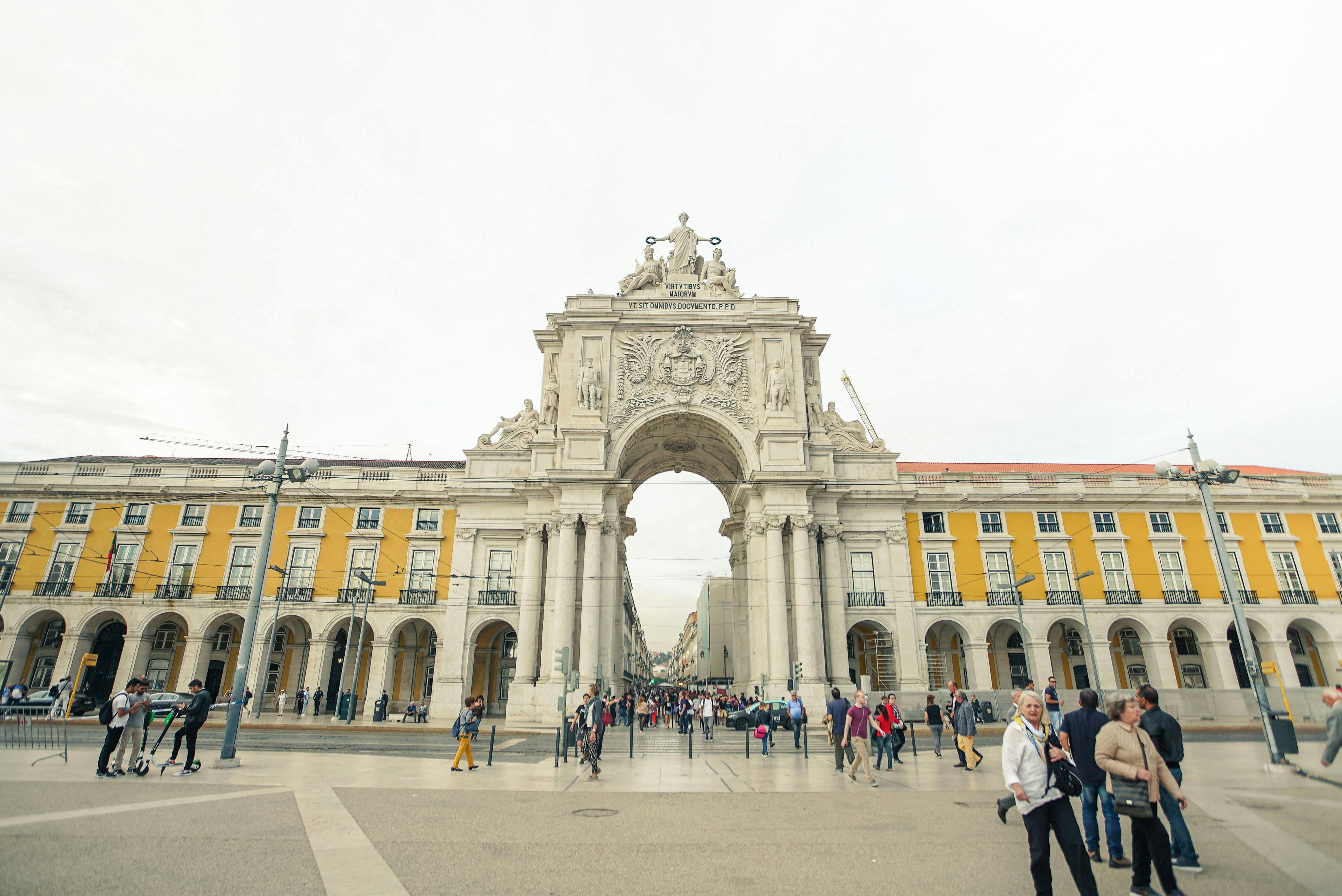
Lisbon is one of Europe’s oldest capitals, a city shaped by seafarers, earthquakes, trade, and reinvention. Its tiled facades, miradouros, yellow trams, and river light make it instantly memorable, while neighborhoods like Alfama, Baixa, Belém, and Chiado reveal different chapters of Portuguese history.
There is a playful quality to Lisbon that suits families especially well. Children tend to love the trams, funiculars, castles, and waterfront promenades, while adults can sink into the city’s museums, architecture, pastry shops, and endlessly photogenic streets.
For practical planning, Lisbon is hilly, so comfortable shoes are essential, though tuk-tuks, trams, and taxis help when little legs tire. Portuguese food is broadly family-friendly, public transport is reliable, and with a mid-range budget, you can combine excellent casual dining with a few memorable splurges and still keep this 3-day Lisbon itinerary manageable.
Lisbon
Lisbon is a city of viewpoints and layers. Roman traces, Moorish street plans, Manueline monuments, and 18th-century rebuilding all sit within a short ride of one another, which makes it ideal for a 3-day visit.
For sightseeing, the great pleasure here is contrast. One hour you are in Alfama beneath the walls of São Jorge Castle, the next you are standing in grand Belém beside monuments to Portugal’s Age of Discovery, and by evening you can be in Chiado for elegant cafés and easy family dinners.
Photography lovers will have plenty to work with: azulejo-covered buildings, the Ponte 25 de Abril glowing at sunset, patterned calçada sidewalks, funiculars climbing steep streets, and blue-and-gold river light that seems to soften everything it touches. Museums are also strong here, especially for art, coaches, maritime history, and immersive cultural context.
Where to stay: For family-friendly comfort in a central neighborhood, Martinhal Lisbon Chiado Family Suites is one of the best fits in the city, with apartment-style convenience and a polished but practical setup for parents. For a smart budget-conscious stay with character and an unbeatable transport position, Lisbon Destination Hostel is a well-known option, especially if your family is traveling light and values location over extra space.
If you want a classic grand-hotel experience, Four Seasons Hotel Ritz Lisbon remains one of Lisbon’s landmark addresses, while Olissippo Lapa Palace Hotel offers a more secluded, refined setting with gardens and a calmer residential feel. For broader options, compare family apartments on VRBO Lisbon or hotel listings on Hotels.com Lisbon.
Getting there: Lisbon is served by Humberto Delgado Airport, about 20 to 30 minutes from the center by taxi or rideshare, depending on traffic. For flights into Portugal or elsewhere in Europe, start with Omio flights; if you are comparing rail connections within Europe before or after Lisbon, Omio trains is the most useful search tool among the provided options.
- Best neighborhoods for this trip: Chiado for central access, Baixa for first-time convenience, Avenida da Liberdade for polished hotels, and Belém if you prefer quieter evenings and museum access.
- Family note: Lisbon’s hills are real. Keep museum-heavy and hill-heavy sightseeing on separate parts of the day, and use trams, taxis, or tuk-tuks strategically.
- Food note: Beyond pastéis de nata, look for grilled fish, bifanas, croquettes, caldo verde, arroz dishes, and excellent gelato. Many restaurants welcome children early in the evening.
Day 1: Arrival, Baixa, Chiado & Alfama Views
Morning: This is your travel day, so keep the morning focused on transit and arrival planning. If you still need to arrange flights, compare schedules through Omio flights, then aim for a hotel or apartment in Chiado or Baixa to reduce transfer time and make the first afternoon easy.
Afternoon: After check-in, begin gently in Baixa, Lisbon’s elegant downtown rebuilt after the 1755 earthquake. Walk through Praça do Comércio, the monumental riverside square that once welcomed merchants and royal processions, then stroll Rua Augusta under its triumphal arch; this is one of the city’s easiest, stroller-friendly areas and a strong introduction to Lisbon’s geometry, light, and river setting.
For a late lunch, head to da Prata 52, a stylish but approachable spot known for polished Portuguese small plates that are easy to share with family, including cod fritters, octopus salad, and excellent cheeses. If you want something more casual, Manteigaria Silva nearby is a fine stop for cured meats, sandwiches, and classic Portuguese pantry flavors in a historic delicatessen setting.
After lunch, take the Santa Justa area and continue toward Chiado. Skip the long queue for the lift itself unless it is short; the better family move is often walking up through the surrounding streets and enjoying the elevated viewpoints without sacrificing too much time on day one.
Pause for coffee and a sweet at A Brasileira, one of Lisbon’s legendary cafés, known for its literary past and old-world atmosphere. It is more about the setting than culinary innovation, but that setting matters: this is Chiado at its most classic, and it offers a lovely reset after travel.
Evening: In the early evening, take a taxi or tram toward Alfama for your first dramatic city views. Miradouro de Santa Luzia and Portas do Sol are among Lisbon’s finest photography spots, with terracotta roofs, church domes, and the Tagus River stretching beyond; the late golden light here is exactly why photographers love Lisbon.
For dinner, book Santo António de Alfama, a reliable family-friendly choice near the viewpoint area, known for grilled fish, rice dishes, and a warm, unfussy welcome. Another good option is Cruzes Credo near Sé, which serves modern Portuguese plates in a relaxed room and works well if you want something a touch more contemporary without becoming formal.
If energy allows, finish with a slow wander around Alfama’s lanes rather than a packed evening agenda. The point tonight is atmosphere: laundry lines, tiled walls, quiet stairs, and the sense that Lisbon reveals itself best when you stop hurrying.
Day 2: Belém Monuments, Museums & Riverside Lisbon
Morning: Start early in Belém, the district most closely tied to Portugal’s maritime age. Begin with breakfast at Pastéis de Belém, the city’s most famous pastry address, where the custard tarts are served warm in a busy, tiled bakery that has been drawing crowds since the 19th century; yes, it is famous, and yes, it is worth doing at least once.
From there, visit the exterior and, if lines are reasonable, the cloisters of Jerónimos Monastery, one of the masterpieces of Manueline architecture. Its stonework feels almost nautical in detail, with ropes, armillary spheres, and maritime motifs carved into the fabric of the building, making it a rewarding stop for adults and visually striking enough to engage children too.
Continue to the Padrão dos Descobrimentos, the Monument to the Discoveries, where stone figures of navigators, cartographers, and patrons face the river. It offers strong historical context for Lisbon’s rise as a global port, and the surrounding promenade is broad and easy for families.
Afternoon: For lunch, choose Enoteca de Belém if you want a more refined but still approachable meal with excellent seasonal Portuguese cooking, or Honorato Belém if the family wants a straightforward burger break in a comfortable setting. If you prefer seafood in a smart-casual atmosphere, Darwin’s Café by the MAAT area is a dependable pick with river views and enough variety for mixed tastes.
After lunch, visit Belém Tower from the outside and, if timing works, go inside. Built in the early 16th century as both fortress and ceremonial gateway, it is one of Lisbon’s defining images, especially beautiful in photographs when framed against open sky and water.
Then choose one museum based on your family’s pace. MAAT is the strongest pick for design-minded travelers and photographers thanks to its sculptural riverside building and roofline views, while the National Coach Museum is an excellent family option because gilded royal carriages have immediate visual appeal and make history feel tangible even for younger visitors.
Before returning to the center, stop for coffee or a cold drink at the riverside kiosk zone near Belém or at Nosolo Italia Belém for gelato. This is a good moment to rest legs and let the children decompress beside the water.
Evening: Head back to the center for dinner in Chiado or Cais do Sodré. Time Out Market works well for families who want flexibility: not every counter is equal, but the format is practical, and you can sample several respected Lisbon kitchens in one place without a long formal dinner.
If you would rather sit down properly, Taberna da Rua das Flores is one of Lisbon’s beloved small restaurants, praised for seasonal Portuguese cooking and plates that feel rooted in local tradition. It is better for families with older children or patient eaters because space is tight and demand remains high, but the food justifies the planning.
After dinner, take a short walk along the riverfront or through illuminated Chiado streets. Lisbon by night is gentle rather than overwhelming, and for a family trip that is a real advantage: the city can feel special without demanding a late bedtime.
Day 3: Castle, Museum Choice & Departure
Morning: Devote your final morning to Lisbon’s oldest quarter. Start with breakfast at Nicolau Lisboa if you want crowd-pleasing brunch plates, pancakes, eggs, and good coffee in a lively central setting, or choose Dear Breakfast in Chiado for a calmer, polished morning with reliable espresso and family-friendly menu options.
Then head to São Jorge Castle. More than just a fortress, it is one of the best places in the city to understand Lisbon’s topography, from the old Moorish hilltop settlement to the later spread of the capital toward the river; peacocks roam the grounds, ramparts keep children engaged, and the views are superb for final photographs.
If your family likes museums and you have time for one more, pair the castle with the Lisboa Story Centre back in Praça do Comércio for a compact, accessible overview of the city’s history, including the earthquake and rebuilding. It is not the grandest museum in Lisbon, but it is useful, clear, and surprisingly effective as a final contextual stop.
Afternoon: Keep lunch near your accommodation or departure route. Zé dos Cornos is a classic for hearty Portuguese grilling if you want one more local meal before leaving, while Mercado da Ribeira and nearby cafés provide flexible timing if your departure window is tight.
Use any remaining time for souvenir shopping in Baixa or Chiado, especially for tinned fish, cork goods, and ceramics. If photography is still calling, make a final stop at Miradouro de São Pedro de Alcântara, which offers one of the easiest panoramic views in central Lisbon and a fitting farewell over the castle hill.
Evening: Depart for the airport in the afternoon, ideally allowing extra buffer for city traffic. If you are continuing your journey elsewhere in Europe, compare onward rail options via Omio trains or intercity bus connections through Omio buses; for additional flights, Omio flights remains the most relevant search tool for this region.
This 3-day Lisbon itinerary gives you a strong first taste of the Portuguese capital without overloading the schedule. You will cover the city’s essential monuments, enjoy worthwhile museums, collect excellent photographs, and still leave room for pastries, river walks, and the unplanned moments that often become the most vivid memories.