

Khon Kaen is the cultural and logistical heart of Thailand’s northeast—Isaan—where fiery som tam, sticky rice, and smoky grilled chicken are everyday poetry. Founded as a provincial center in the late 18th century, the city grew along the “Friendship Highway,” linking Bangkok to the Mekong. Today it balances modern malls and universities with timeless village rhythms and temple bells.
Travelers come for its serene lakeside promenades, the nine-tiered chedi at Wat Nong Wang with panorama views, and museums that trace the region’s deep history—right back to dinosaurs found in nearby Phu Wiang. Evenings glow at Ton Tann Night Market, where acoustic stages, handcraft stalls, and sizzling grills turn dinner into a stroll.
Expect friendly, student-driven energy (thanks to Khon Kaen University), affordable prices, and easy navigation by Grab or songthaews. Dress modestly for temples, carry small bills for markets, and pace yourself in the heat—early starts and sunset strolls are your allies. This 3-day Khon Kaen itinerary blends temples, markets, and Isaan cuisine into a relaxed city break.
Khon Kaen
Khon Kaen’s compact center unfurls around Bueng Kaen Nakhon Lake, with breezy paths, exercise stations, and sunset viewpoints. The star is Wat Nong Wang—its gilded, nine-story stupa is wrapped with narrative murals of Isaan life; climb for a 360-degree city view.
Food is a headline act: think laab (herbed minced meat), som tam (papaya salad), and gai yang (charcoal-grilled chicken) eaten with warm khao niao (sticky rice). Night markets such as Ton Tann set an easy, convivial tone—music, craft stalls, and dozens of sizzling grills.
Top sights include the Khon Kaen National Museum (Isaan archeology, Bronze Age artifacts, and dinosaur finds), Wat Thung Setthi (a modern glass-and-gold chedi set by a lake), and the leafy campus of Khon Kaen University with its own lakes and gardens.
- Where to stay: For central convenience, look near Bueng Kaen Nakhon or Srichan Road. Reliable mid-to-upscale options include Pullman Khon Kaen Raja Orchid (business-class comfort), AVANI Khon Kaen Hotel & Convention Centre (family-friendly, big pool), and Kosa Hotel (classic, good value). Browse options on Hotels.com or consider apartments on VRBO.
- Getting there: From Bangkok, fly 1 hour (often US$25–60, frequent departures to KKC) via Trip.com flights or Kiwi.com. Trains from Bangkok’s Krung Thep Aphiwat to Khon Kaen take ~6.5–8 hours (about US$10–20) via the Northeastern Line—search schedules on Trip.com trains. Buses from Mo Chit are ~7–8 hours.
- Getting around: Grab is inexpensive (US$2–5 most inner-city rides). Songthaews run set routes; taxis and car hires are easy via hotels. Carry cash (THB) for markets and temple donations.
Day 1: Arrival, Lakeside Strolls, and a Sunset Stupa
Afternoon (arrival): Land at KKC and transfer 20 minutes to your hotel. Shake off the travel with a gentle loop around Bueng Kaen Nakhon Lake—watch tai chi groups, snack carts, and families fishing. Drop by a lakeside kiosk or a nearby Café Amazon for an iced Thai tea and shade.
Evening: Time your visit to Wat Nong Wang (Phra Mahathat Kaen Nakhon) for golden hour. Climb the 9 floors to read folk-life murals floor by floor; the breezy roof deck is your postcard view. Dress modestly; sarongs are often available. For dinner, tuck into an Isaan feast—look for long-running Khao Suan Kwang–style gai yang (charcoal grilled chicken), som tam, and sticky rice at a traditional open-air restaurant near the lake or along Srichan Road. If you prefer something classic and central, the Kosa Steakhouse (inside Kosa Hotel) serves reliable Thai and Western plates.
Night: Wander Ton Tann Night Market, a fixture with live music, craft stalls, and a village-fair vibe. Graze your way: moo ping (pork skewers), sai krok Isaan (garlicky sausage), and coconut pancakes. Nightcap? Students flock to U-Bar Khon Kaen for DJs and dancing; for a relaxed vibe, choose one of Ton Tann’s beer garden stages.
Day 2: Museums, Modern Temples, and Market-Hopping
Morning: Start local at the Central (Klang Muang) morning market: order jok (rice porridge) or kai krata (pan eggs with sausage and pâté) with a hot coffee. Then explore the Khon Kaen National Museum (check it’s open; typically closed Mondays). Exhibits spotlight Dvaravati-era sculpture, Khmer lintels, and fossils from Phu Wiang—an excellent primer on Isaan’s past. Entry is modest; bring cash.
Afternoon: Head to the city’s striking modern shrine, Wat Thung Setthi, where a glass-inlaid chedi glints above a small lake. It’s serene, photogenic, and less crowded than downtown temples. On the way back, cool off at CentralPlaza Khon Kaen—grab lunch at the Food Park to sample regional stalls in air‑conditioning, or try MK Suki for Thai hotpot that’s popular with local families.
Evening: Return to Srichan Road or the lakefront for an Isaan dinner—order laab (try pork, duck, or mushroom), nam tok (grilled beef salad), and tom saep (sour-spicy soup) with sticky rice. Dessert could be khanom buang (crispy crepes) or coconut ice cream from a street cart. If it’s Saturday, the Walking Street market near the old town adds buskers and art stalls; otherwise, Ton Tann is always lively. Craft-beer fans can check student-favorite pubs near the university; music-forward bars often host indie and luk thung (Thai country) sets.
Day 3: University Greenery, Last Bites, and Departure
Morning: Make for Khon Kaen University, a leafy campus that feels like a city-park extension. Stroll the Bueng Sri Than lakeside path, peek into the Art & Culture Center if open, and grab a coffee at a campus café. Brunch on light Isaan plates or a simple khao man gai (Chicken rice) at a shophouse near the main gate.
Afternoon (departure): Squeeze in a final lap at Bueng Kaen Nakhon or a quick temple stop if you missed something yesterday. Pick up edible souvenirs—fermented sausage (sai krok Isaan), jerky, or local silk—at a central market stall. Transfer to KKC for your flight or to the train/bus if you’re rolling south. If flying or training via Bangkok, see the optional add-ons below for a memorable layover.
Optional Bangkok Add‑Ons (great if you transit overnight)
- Bangkok by Night: Temples, Markets and Food Tuk‑Tuk Tour — Ride an iconic tuk‑tuk to glittering temples, hidden snacks, and riverside views. A superb way to taste the capital after dark before or after Khon Kaen.
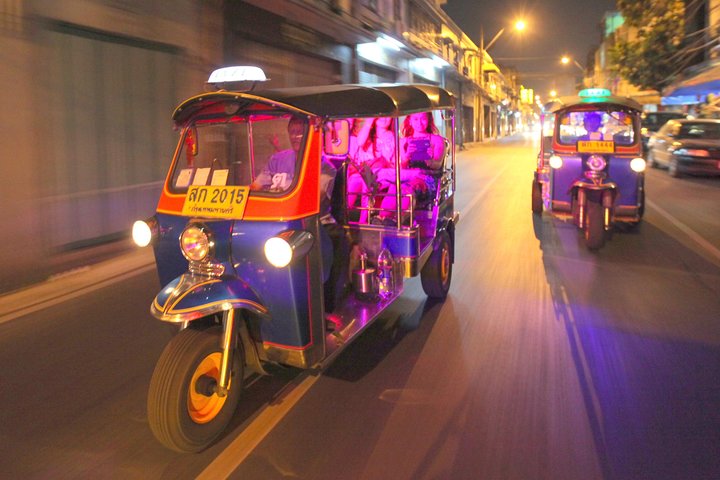
Bangkok by Night: Temples, Markets and Food Tuk-Tuk Tour on Viator - Bangkok: Floating Market and Train Market Experience — Watch a train brush through a market, then boat among canal vendors for a time-capsule look at rural commerce. Ideal for a spare half day.

Bangkok: Floating Market and Train Market Experience on Viator
Practical Notes and Local Tips
- Best time to visit: November–February is cooler and breezier. March–May is hot; plan early starts and sunset outings. Rainy season (May–Oct) brings afternoon showers but lush scenery.
- Temple etiquette: Shoulders and knees covered; remove shoes; speak softly. Donations are welcome but not required.
- Money & mobile: ATMs are common; cards accepted widely at hotels/malls, cash at markets. Consider an eSIM for data. Tipping is modest (round up small bills; 10% for sit‑down restaurants if service isn’t included).
How to book transport and stays: Compare flights on Trip.com (flights) or Kiwi.com; check rail timetables on Trip.com (trains). For lodging, browse Hotels.com and VRBO to match your budget and preferred neighborhood.
In three unhurried days, you’ll taste Khon Kaen’s essence: lakeside sunsets, mural-wrapped stupas, market melodies, and food that hums with herbs, smoke, and citrus. It’s an easygoing, flavorful window onto Isaan—authentic Thailand with a warm, hometown heart.