
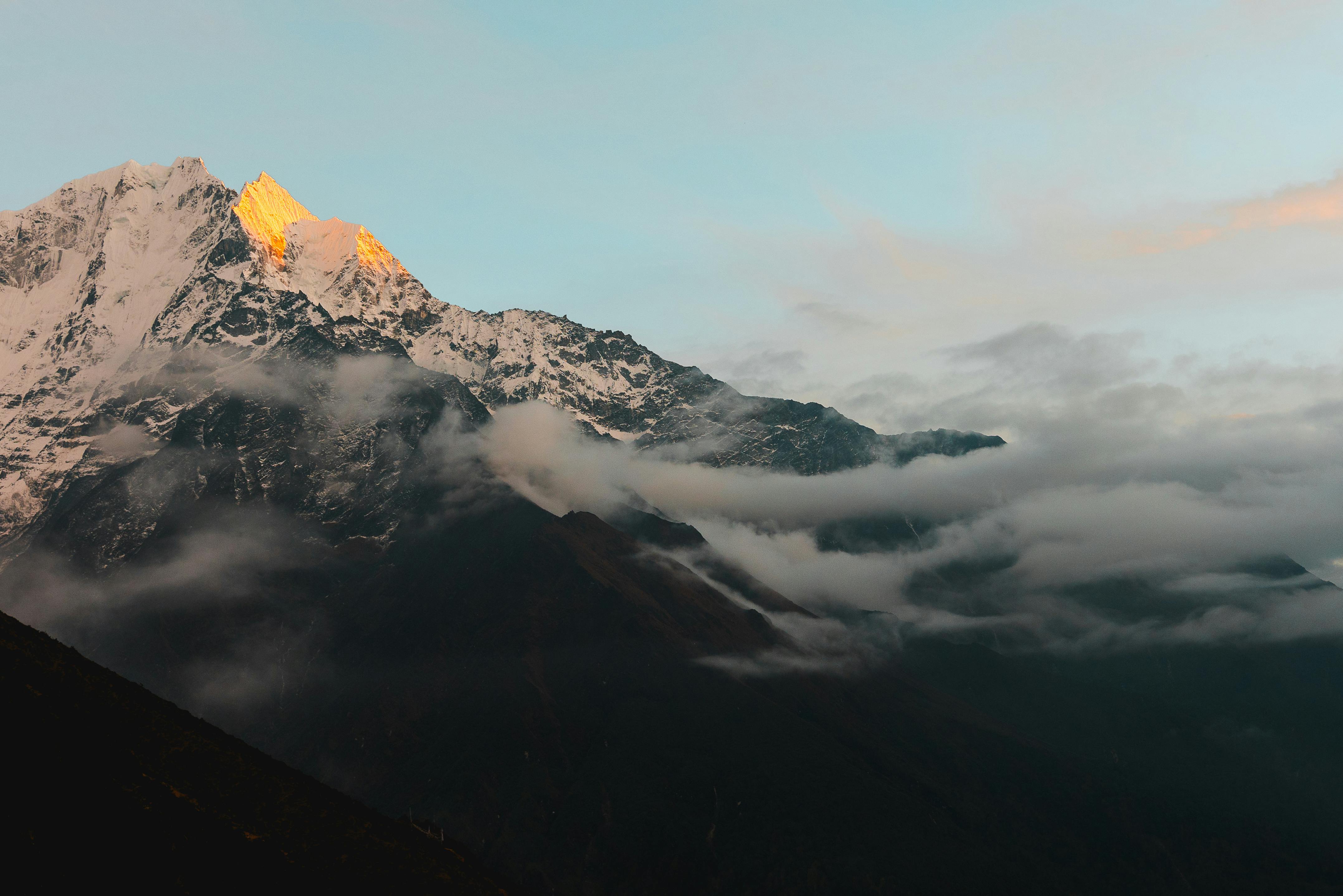
Nepal may be famous for Everest, but on a 3-day trip the smartest choice is to focus on Kathmandu, the country’s historic and spiritual heart. The Kathmandu Valley has been a crossroads of traders, artisans, monks, and monarchs for centuries, and its old squares still carry that sense of layered time: carved wooden windows, temple bells, butter lamps, and the scent of incense drifting over brick courtyards.
What makes Kathmandu so rewarding is its density. In a single day, you can move from a medieval royal plaza to one of the world’s great Buddhist stupas, then finish with momos, spiced tea, and rooftop views of the valley. It is one of South Asia’s most distinctive city breaks, especially for travelers who enjoy culture, architecture, food, and lived-in neighborhoods rather than a checklist of polished monuments.
For practical planning, March is a strong time to visit, with generally pleasant temperatures and clearer mountain visibility than the monsoon months. Traffic can be slow, air quality can vary, and temples require modest dress, so comfortable shoes, a light scarf, and a little flexibility go a long way. Nepali food deserves attention too: look for momo dumplings, Newari feasts, dal bhat, sel roti, and excellent local coffee in the capital’s increasingly polished café scene.
Kathmandu
Kathmandu is not a city that reveals itself all at once. It arrives in fragments: a golden shrine tucked behind a motorbike lane, prayer flags above a hidden courtyard, monks circling a stupa at dusk, the clang of metalworkers in Patan, and rooftop tables filled with steaming plates of buff momo.
This is the best city in Nepal for a 3-day itinerary because it offers the country’s strongest concentration of heritage, food, and day-trip possibilities without wasting precious hours on domestic transit. You can spend your short stay exploring palace squares, Hindu and Buddhist pilgrimage sites, market streets, and local dining rooms that feel far more memorable than generic tourist stops.
For where to stay, base yourself in either Thamel for convenience, Boudha for a calmer spiritual atmosphere, or near Patan for a more design-forward, heritage-rich feel. Excellent options include Dwarika's Hotel for extraordinary craftsmanship and refined Nepali character, Hotel Yala Peak for a reliable, budget-friendly Thamel base, and Hyatt Regency Kathmandu for resort-style comfort near Boudhanath. You can also browse broader stays on VRBO Kathmandu or Hotels.com Kathmandu.
For flights into Nepal, compare schedules and fares on Trip.com or Kiwi.com. Most international travelers arrive via Tribhuvan International Airport, around 20-35 minutes from central Kathmandu depending on traffic; taxi costs are modest, but travel time is unpredictable in the late afternoon.
If you want to add a bookable experience, these are particularly strong fits for a short stay:
- Private Kathmandu Sightseeing Tour | UNESCO World Heritage sites — a sensible, efficient choice for first-time visitors who want historical context without wasting time on logistics.
- Kathmandu Food and Drink Walking Tour — ideal if you prefer to understand the city through its markets, tea shops, spices, and street snacks.
- Mount Everest Scenic Flight by Buddha Air with Free Transfers — a smart way to glimpse the Himalayas on a short itinerary without committing to a trek.
- Guided Kathmandu Valley Tour: Boudhanath, Bhaktapur & Nagarkot — excellent if you want heritage plus an elevated valley viewpoint in one day.


Day 1: Arrival in Kathmandu, Thamel Lanes & Boudhanath at Dusk
Morning: This is your travel day, so keep the morning reserved for your flight into Kathmandu. Use Trip.com or Kiwi.com to compare fares; plan on arriving in the afternoon, then transferring to your hotel for check-in and a short rest.
Afternoon: After arrival, settle in and begin gently with Thamel, Kathmandu’s classic traveler quarter. Yes, it is busy and commercial, but it is also useful and atmospheric: bookstores, trekking outfitters, prayer flag shops, courtyards, bakeries, and side streets that quickly become more local than first impressions suggest.
Afternoon: Stop for coffee and a light late lunch at Himalayan Java, one of Nepal’s most recognizable café institutions, reliable for espresso, sandwiches, pastries, and people-watching. If you want something more independent, Pumpernickel Bakery is a longtime favorite for fresh bread, cakes, and simple Western-Nepali café fare; it has the sort of unfussy comfort that feels perfect after a flight.
Afternoon: If you still have energy, walk toward Garden of Dreams, a restored neo-classical garden just outside Thamel. It is not a grand botanical destination, but it is a pleasant decompression zone after travel, with pavilions, shaded lawns, and a surprisingly calm atmosphere considering the city just beyond its gates.
Evening: Head to Boudhanath Stupa around sunset, one of the most stirring places in the Kathmandu Valley. As the light softens, monks, pilgrims, and local families circle the great white dome clockwise, spinning prayer wheels and murmuring mantras beneath the all-seeing painted eyes of the Buddha. This is the hour when Boudha feels least like a sight and most like a living sacred landscape.
Evening: For dinner nearby, choose The Village Café for Tibetan and Himalayan staples in a relaxed setting, or Roadhouse Café Boudha for wood-fired pizza, salads, and an easy terrace atmosphere if you want something familiar on night one. If you are ready to dive into local flavors, order buff momo or thukpa, a noodle soup deeply comforting after travel.
Evening: If you would rather begin with a guided culinary introduction, consider the Kathmandu Food and Drink Walking Tour. It is a fine first-night choice because it helps decode the city’s flavors early, making every meal afterward more meaningful.
Day 2: Kathmandu Durbar Square, Patan & Newari Dining
Morning: Start early in Kathmandu Durbar Square, the old royal plaza of the Malla kings, where temple roofs stack against the morning sky and pigeons rise from the stone. Although parts of the square were damaged in the 2015 earthquake, restoration has been substantial, and the site remains essential for understanding the valley’s artistry, political history, and ritual life.
Morning: For breakfast first, try Mitho Restaurant in the Thamel area for Nepali breakfast items and a local feel, or Le Trio if you want good coffee, eggs, and a more polished café setting. If you prefer to explore with expert commentary, book the Private Kathmandu Sightseeing Tour | UNESCO World Heritage sites, which is especially useful for separating myth, dynastic history, and modern reconstruction.
Morning: After Durbar Square, continue to Swayambhunath, often called the Monkey Temple. Perched on a hill west of the city, it offers one of the best panoramic views over Kathmandu and brings together Buddhist and Hindu symbolism in a way that captures Nepal’s religious interweaving better than any lecture could.
Afternoon: Cross the Bagmati and spend the second half of the day in Patan, technically Lalitpur, Kathmandu’s more refined artistic sibling. Patan Durbar Square is one of the valley’s true masterpieces, known for exquisite metalwork, temple architecture, and a museum that gives proper context to the iconography you will see throughout the trip.
Afternoon: For lunch, sit down at Cafe Swotha, tucked into a beautifully restored heritage house near Patan Durbar Square. It is an excellent pause point: peaceful courtyard, good coffee, salads, pastas, and Nepali options in a setting that lets you absorb the neighborhood rather than rush through it. Another strong option is Honacha, famous for traditional Newari food, especially if you want to taste something more rooted and robust than standard tourist menus.
Afternoon: Spend time wandering the lanes around Patan’s main square rather than ticking off only headline monuments. Small bahals, artisan workshops, brass shops, and shrine-filled courtyards are the reason this area lingers in memory. Kathmandu is wonderful; Patan is often the part visitors fall in love with.
Evening: Return for dinner with a clear mission: try a proper Newari meal. Yangling Tibetan Restaurant is beloved for momos and Himalayan comfort dishes, while Jimbu Thakali by Capital Grill offers a strong introduction to Thakali-style set meals, where rice, lentils, vegetables, pickles, and curries arrive as a balanced, deeply satisfying spread. If you want one of the city’s most atmospheric dining rooms, Krishnarpan at Dwarika’s serves multi-course Nepali cuisine in a setting that feels ceremonial without becoming stiff.
Evening: If your energy is still high, finish with a low-key rooftop drink in Thamel. Choose somewhere quiet rather than flashy; Kathmandu after dark is best appreciated by watching temple lights, listening to distant horns, and noticing how quickly the old city settles into a different rhythm after sunset.
Day 3: Himalayan Morning Flight or Bhaktapur Excursion, Then Departure
Morning: For your final morning, choose between two excellent endings. If Himalayan views are a priority, book the Mount Everest Scenic Flight by Buddha Air with Free Transfers or the 1 Hour Mount Everest flight from Kathmandu With Hotel Pick Up. These early departures usually work best in the morning, when visibility is strongest, and they are one of the few realistic ways to experience the Himalayas on such a short Nepal itinerary.

Morning: If you would prefer architecture and urban history over a flight, head instead to Bhaktapur Durbar Square. Bhaktapur preserves the valley’s medieval grandeur with unusual coherence: red brick lanes, carved peacock windows, temple clusters, potters shaping clay by hand, and a slower, more traditional atmosphere than central Kathmandu.
Afternoon: In Bhaktapur, stop for the city’s famed juju dhau, the “king curd,” a rich, sweet yogurt served in clay pots and genuinely worth the reputation. For lunch, look for a heritage-style restaurant near the square serving Newari classics such as bara, chatamari, aloo tama, and yomari when available. If you are taking the Everest flight instead, keep the afternoon lighter with a good brunch back in the city at Forest & Plate or Mike's Breakfast, both dependable choices before hotel checkout.
Afternoon: Make your way back to your hotel, collect your bags, and depart for Tribhuvan International Airport. For a short international trip, leave more buffer time than you think you need; Kathmandu traffic can turn a short ride into a slow crawl, particularly around midday.
Evening: Your trip concludes with an afternoon departure, but if you have spare time before heading out, pick up a final bag of Nepali tea, handmade lokta paper goods, or a small singing bowl rather than generic souvenirs. Kathmandu is a city of makers, and the best mementos tend to be those tied to craft, ritual, or the table.
In just 3 days, Kathmandu gives you a concentrated taste of Nepal: sacred stupas, royal squares, Newari kitchens, and—if you choose—the distant white line of the Himalayas beyond the valley haze. It is a short itinerary, but not a slight one; done well, it leaves you with both a satisfying introduction and a strong reason to return for Pokhara, trekking routes, or a longer Himalayan journey.