
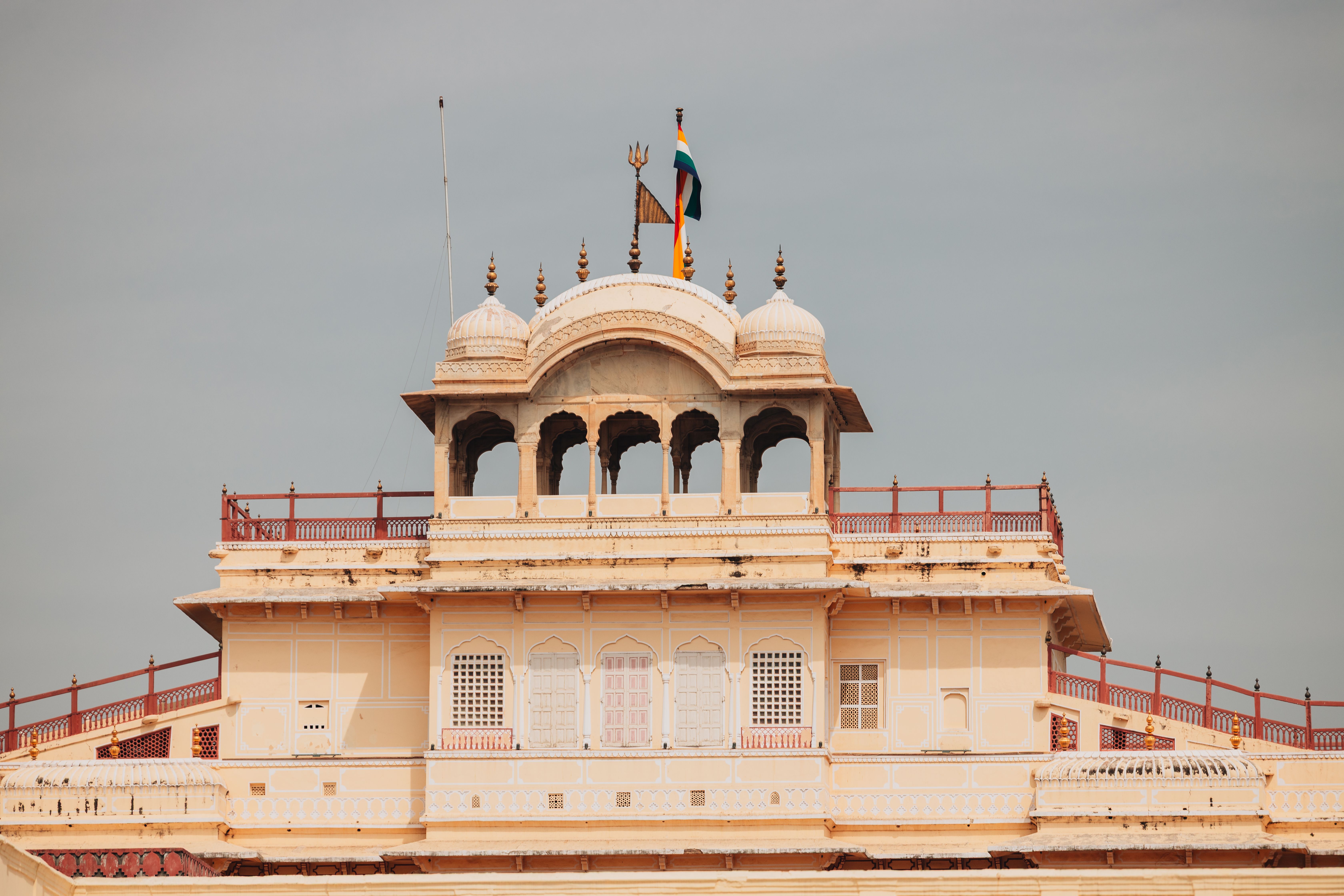
Rajasthan rewards even a short visit with spectacle. Jaipur, the famed Pink City, was founded in 1727 by Maharaja Sawai Jai Singh II and remains one of India’s most visually coherent historic capitals, where astronomy, Rajput court culture, and urban planning meet behind rose-washed facades.
Ranthambore offers a different register altogether: ruined pavilions, dry deciduous forest, lakes, and the thrilling possibility of seeing a Bengal tiger in the wild. Together, Jaipur and Ranthambore create one of the most appealing short North India itineraries for travelers who want both architecture and nature.
For practical planning, this 3-day Jaipur and Ranthambore itinerary assumes arrival in Jaipur on Day 1 afternoon and departure on Day 3 afternoon after returning from safari country. October through March is the most comfortable season for sightseeing; safaris run with fixed park rules, so carry passport copies, book early, start on time, and dress in light layers for cool mornings and warmer afternoons.
Jaipur
Jaipur is not merely photogenic; it is intellectually fascinating. Its ruler founded Jantar Mantar, one of the world’s most remarkable astronomical observatories, and the city’s broad avenues were laid out according to principles rare in 18th-century South Asia.
The great pleasures here come in layers: honeycombed palace windows at Hawa Mahal, mirror work and gateways at City Palace, hilltop ramparts at Amer Fort, and market lanes selling lac bangles, block prints, blue pottery, and silver jewelry. Food matters just as much as monuments, and Jaipur is one of the best places in India to try dal baati churma, laal maas, gatte ki sabzi, and old-school sweets.
For where to stay, Jaipur offers excellent options across budgets. For heritage splendor, consider Rambagh Palace; for a dependable upscale stay, Trident Jaipur and ITC Rajputana are strong choices; for a central, good-value base, Holiday Inn Jaipur City Centre works well; and for social budget travel, Zostel Jaipur is a lively pick. You can also browse more stays via VRBO Jaipur or Hotels.com Jaipur.
To reach Jaipur, search flights through Trip.com flights or Kiwi.com flights. If you are already in India, rail connections are often practical too; browse schedules on Trip.com trains. From Jaipur to Ranthambore/Sawai Madhopur, the most efficient short-trip option is a morning private car or train, usually around 3.5 to 4.5 hours by road or roughly 2 to 2.5 hours by faster trains to Sawai Madhopur, with typical costs around US$6-25 by train depending on class or about US$45-90 for a private car.
If you would like a guided day of city highlights without the friction of transport and ticket lines, this is a strong option: Private Full-Day Jaipur City Tour with Car, Guide & Skip-the-Line.

For a shorter introduction focused on Jaipur’s signature hilltop and lakeside sights, consider Private Jaipur Half-Day Tour with Expert Guide – City Highlights.
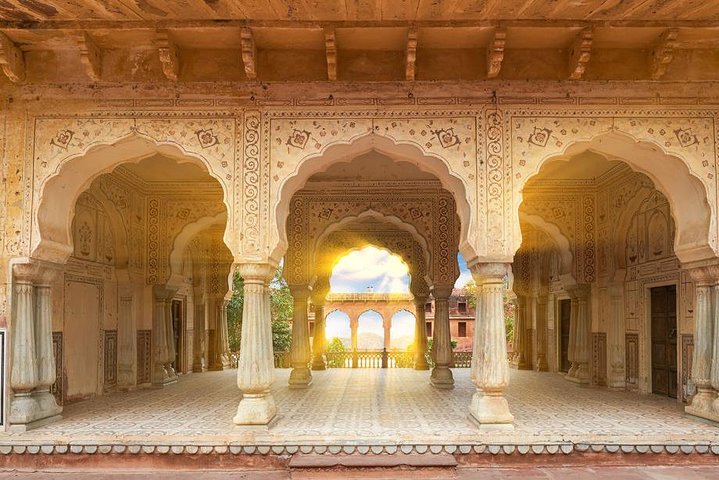
Day 1 – Arrival in Jaipur and the Old City’s Royal Facades
Morning: This itinerary assumes you are in transit to Jaipur in the morning. If you arrive earlier than expected, keep the first half light: check in, freshen up, and save your energy for an afternoon and evening focused on the old city.
Afternoon: Arrive in Jaipur, check into your hotel, and begin with Hawa Mahal from the outside and surrounding lanes in the Pink City. The five-story facade, built in 1799, is one of India’s most recognizable urban set pieces; its lattice windows allowed royal women to observe street life unseen, and the building is best appreciated as part of the street theater around it rather than as an isolated monument.
Afternoon: Walk or drive onward to City Palace and Jantar Mantar if timing allows. City Palace remains tied to Jaipur’s royal family and contains courtyards, textiles, arms, and finely painted doorways, while Jantar Mantar is a UNESCO-listed complex of giant astronomical instruments that feels startlingly modern in its geometric clarity.
Evening: For coffee or a light reset, head to Bar Palladio’s garden setting if you want a stylish drink and a memorable design-led atmosphere, or choose Tapri Central for tea, snacks, and broad city views in a more casual mood. For dinner, book ahead at Baradari in City Palace for refined Rajasthani and North Indian cooking in a historic setting, or go to Handi for a dependable local favorite known for robust curries including laal maas.
Evening: If you still have energy, take a short stroll through Bapu Bazaar or Johari Bazaar. These markets are at their most enjoyable when approached selectively: look for block-printed textiles, quilted jackets, mojari footwear, and gemstone jewelry, but buy from established shops and keep expectations realistic if you are not an expert in stones.
Day 2 – Amer Fort, Jaipur Landmarks, and Travel to Ranthambore
Morning: Start early at Amer Fort, about 30 to 40 minutes from central Jaipur depending on traffic. This is Jaipur’s grandest fort-palace experience, with courtyards, mirrored chambers, defensive walls climbing the hills, and layered Rajput-Mughal design that reveals itself slowly as you move through gates and audience halls.
Morning: If you prefer structure and efficient pacing, this tour fits the day well: Jaipur: Half day tour of Amer Fort & Nahargarh Fort by Car.

Afternoon: On the way back, pause at Jal Mahal for the classic lake view, then have lunch at 1135 AD near Amer if you want a more atmospheric sit-down meal, or at The Tattoo Cafe & Lounge if you would rather return city-side and pair lunch with a direct Hawa Mahal view. Another excellent traditional option is Laxmi Misthan Bhandar (LMB), especially for classic Rajasthani thali, sweets, and a reliable old-Jaipur institution feel.
Afternoon: Depart Jaipur for Ranthambore/Sawai Madhopur. By private car, expect around 3.5 to 4.5 hours depending on traffic and hotel location; by train, the ride can be shorter, but station transfers add time. Search rail or flight options through Trip.com trains or browse broader transport on Trip.com.
Evening: Check into your Ranthambore-area stay and keep the night unhurried, because safari mornings begin very early. For accommodation inspiration, browse VRBO Ranthambore or Hotels.com Ranthambore. Choose a lodge in or near Sawai Madhopur with early breakfast service, naturalist support, and confirmed safari coordination; convenience matters more here than elaborate decor.
Ranthambore
Ranthambore is one of India’s most famous tiger landscapes, but it is not just about the tiger. The terrain itself is beautiful and theatrical: lakes reflecting ruined pavilions, banyan-framed tracks, crocodile habitat, sambar deer in the grass, langurs on old walls, and the imposing Ranthambore Fort watching over the forest.
The safari experience is shaped by luck, timing, zone allocation, and patient observation. A sighting can happen in dramatic fashion or not at all, and that uncertainty is part of what makes the park compelling; even on quieter drives, the scenery and birdlife can be superb.
Food around Ranthambore is usually hotel-based rather than destination dining, so prioritize a property with solid buffet or à la carte service before and after safari drives. A simple early breakfast, packed tea, and an uncomplicated dinner are often the smartest choices here, especially on a short trip.
For safari planning, these are excellent options to consider: Tiger Safari in Ranthambore National Park, Ranthambore Safari Entry tickets with Licensed Naturalist Guide, or the more premium Ranthambore National Park Private Jeep Safari All inclusive.


Day 3 – Early Ranthambore Safari and Departure
Morning: Leave before dawn for a morning safari in Ranthambore National Park, the best use of your final full travel window. Morning drives usually offer cooler temperatures, active wildlife, and better light; besides tigers, look for leopard if fortune is unusually kind, plus sloth bear, marsh crocodile, sambar, nilgai, peafowl, and abundant birdlife.
Morning: Wear muted colors, avoid strong perfume, and keep your camera ready but your expectations measured. Good guides read alarm calls, pugmarks, and deer behavior as carefully as the landscape itself, so even a pause beside a track can become the most exciting moment of the morning.
Afternoon: Return to your hotel for breakfast or an early lunch, check out, and depart for your onward journey. If you are returning to Jaipur for an afternoon flight, budget at least 4 to 5 hours door-to-door by road to stay sensible about traffic; if leaving by rail from Sawai Madhopur, arrive at the station with time to spare, as safari schedules and road conditions are not worth gambling against.
Evening: This itinerary assumes departure in the afternoon, so your evening will likely be in transit or at your next destination. If your plans shift and you remain in Jaipur overnight, reward yourself with a final meal of kebabs or Rajasthani curries and a quiet rooftop view rather than packing in one more monument.
In just 3 days, this Rajasthan itinerary gives you two very different but deeply complementary experiences: Jaipur’s royal urban imagination and Ranthambore’s raw, watchful wilderness. It is short, yes, but not slight; you leave with palace silhouettes, market colors, fort walls, and perhaps the unforgettable memory of a tiger moving through the trees.