
3 Days in Amsterdam: Canals, Van Gogh, Jordaan & Dutch Countryside
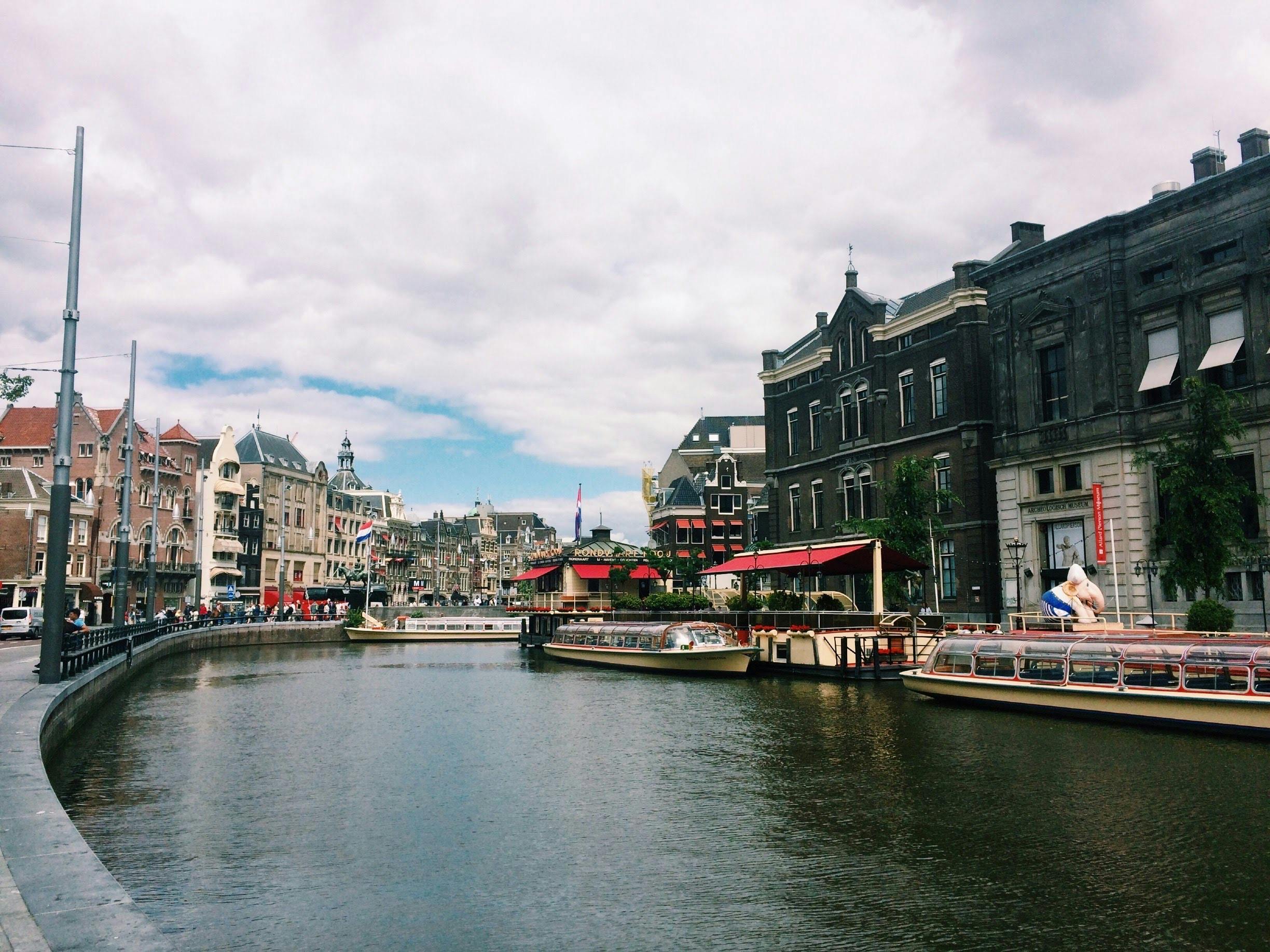
Amsterdam began as a modest 13th-century fishing settlement on the Amstel River and grew into one of Europe’s great trading capitals during the Dutch Golden Age. Today, its concentric canals, narrow gabled houses, and merchant-era warehouses tell that story in plain sight, making the city feel at once intimate and grand.
For first-time visitors, the great pleasure of Amsterdam is how much history is folded into everyday life. You can spend the morning with Van Gogh, the afternoon gliding past canal mansions, and the evening in a brown café or candlelit Indonesian restaurant, all within a remarkably walkable center.
Practically speaking, Amsterdam is easy to navigate by tram, ferry, and on foot, though cyclists rule the streets and visitors should be careful in bike lanes. Reserve major museums ahead of time, carry layers for changeable North Holland weather, and come hungry: beyond stroopwafels and fries, the city excels at Indonesian rijsttafel, Dutch apple pie, seafood, and inventive seasonal cooking.
Amsterdam
Amsterdam is one of those rare cities that rewards both planning and wandering. Its headline attractions are world-class, but some of its best moments arrive unexpectedly: a flower-filled bridge in the Nine Streets, church bells over the Jordaan, or a canal at dusk turning the whole city copper-gold.
The historic center is compact, but each neighborhood has a distinct character. The Canal Belt brings stately Golden Age elegance, Jordaan offers village-like lanes and excellent eating, Museumplein gathers the cultural heavyweights, and Amsterdam-Noord feels younger, looser, and a little more experimental.
For a 3-day stay, I recommend basing yourself entirely in Amsterdam rather than changing cities. It keeps the trip unhurried and still allows room for a short North Holland countryside excursion.
Where to stay: For classic canal-side refinement, consider Waldorf Astoria Amsterdam or Hotel Estherea, the latter especially well placed for strolling the center. For a reliable full-service option, Amsterdam Marriott Hotel works well near Museumplein; for budget-conscious travelers, ClinkNOORD Hostel is a smart pick across the IJ in Amsterdam Noord. You can also browse broader options on VRBO Amsterdam and Hotels.com Amsterdam.
Getting there: For flights into Amsterdam from within Europe, compare schedules on Omio flights. If arriving by rail from another European city, Omio trains is the simplest planning tool; Amsterdam Centraal connects efficiently to the airport by train in roughly 15–20 minutes, usually around €5–€7 for the rail segment.
Recommended activities:
- Amsterdam Van Gogh Museum with Audio or Guided Tour — an excellent choice for understanding Van Gogh beyond the greatest hits, with letters and self-portraits adding real emotional context.
- Off The Beaten Path Hidden Gems Canal Cruise — ideal if you want a more intimate canal experience than the larger boats offer.
- Anne Frank's Story - Guided Walking Tour through Amsterdam — a thoughtful historical introduction to the Jewish Quarter and wartime Amsterdam.
- Day Trip to Zaanse Schans, Edam, Volendam and Marken from Amsterdam — a strong countryside option if you want windmills, cheese, and fishing villages in one well-organized day.


Day 1: Arrival, Canal Belt & Jordaan
Morning: This is your travel morning, so keep expectations light and save energy for a graceful start in the city. If you happen to arrive early enough for coffee before check-in, head to Bocca Coffee on Kerkstraat for serious espresso from one of the Netherlands’ most respected roasters, or try Scandinavian Embassy for a polished brunch-style breakfast with excellent coffee and beautifully plated eggs.
Afternoon: After arrival and hotel check-in, begin with an easy walk through the Canal Belt and the Nine Streets. This district is Amsterdam at its most photogenic: arched bridges, leaning canal houses, independent boutiques, and shop windows full of ceramics, denim, antiques, and design objects.
For lunch, keep it local and central. Café de Reiger in the Jordaan is a dependable old-school choice with Dutch and French influences; if you want something lighter, Pluk Amsterdam in the Nine Streets is popular for salads, sandwiches, and juices, though it is more stylish café than hidden secret.
In the later afternoon, take the Off The Beaten Path Hidden Gems Canal Cruise. It is a particularly good first-day activity because you see the city without overexerting yourself, and the smaller-boat format makes the experience feel personal rather than theatrical.
Evening: Spend your first evening in Jordaan, one of Amsterdam’s most beloved neighborhoods, once working-class and now full of galleries, tucked-away courtyards, and excellent restaurants. Start with a drink at Café Papeneiland, a brown café dating to the 17th century, famous for apple pie and for interiors that still feel rooted in old Amsterdam.
For dinner, choose Restaurant Daalder if you want a more ambitious contemporary meal, or go to Moeders for something unmistakably Dutch in a cozy, slightly eccentric setting decorated with family photographs. Moeders is a fine introduction to stamppot, stews, and home-style cooking; it is not trying to be fashionable, which is precisely why people remember it.
Day 2: Museums, History & a Memorable Dinner Cruise
Morning: Start in Museumplein with coffee and breakfast at Rijks, the museum restaurant’s more accessible morning option, or at Coffee District near the museum quarter for a stronger caffeine-led opening. Then visit the Amsterdam Van Gogh Museum with Audio or Guided Tour, which is one of the city’s essential cultural experiences.
The museum works best if you move slowly. Van Gogh’s brushwork is extraordinary up close, but the letters and self-portraits are what make the visit linger; they reveal a man of relentless discipline, deep sensitivity, and recurring instability rather than a mythic caricature of a tormented genius.
Afternoon: For lunch, go to Café Loetje near Museumplein for one of Amsterdam’s favorite steak experiences, especially its famed biefstuk served in plenty of butter, or choose Bakers & Roasters for a lively, generous lunch with New Zealand-Brazil influences and very good coffee. Afterward, join Anne Frank's Story - Guided Walking Tour through Amsterdam for a more grounded understanding of the city’s wartime history.
This guided walk adds crucial context to places visitors too often reduce to a checklist. The Jewish Quarter, wartime occupation, resistance, and deportation history deserve explanation, and a knowledgeable guide can connect streets and buildings to the human stories behind them.
Evening: In the evening, trade the daytime city for its reflected, illuminated version on the water. Book the Amsterdam Classic Saloon Boat Cruise with Drinks and Cheese if you want a polished canal experience with a traditional feel.
Before or after the cruise, dine at Restaurant Blauw for Indonesian rijsttafel, one of Amsterdam’s great culinary traditions shaped by Dutch colonial history. A rijsttafel is not a single dish but a parade of many small plates—satay, sambals, stewed meats, vegetables, peanuts, pickles, coconut-rich sauces—and it offers one of the city’s most distinctive meals.
If you prefer a more intimate canal-side dinner, reserve a table at De Belhamel on Brouwersgracht. The corner setting is beautiful, the Franco-Italian menu is consistently good, and the view onto one of Amsterdam’s loveliest canals makes it especially rewarding after dark.
Day 3: North Holland Day Trip & Departure
Morning: Because your departure is in the afternoon, keep this final day efficient and close to schedule. If time allows before checkout, grab an early breakfast at Staring at Jacob for excellent pancakes, eggs, and strong coffee, or at Back to Black for a quieter, neighborhood café feel.
For travelers with a later afternoon flight or train, the best use of the morning is a short organized countryside excursion rather than an ambitious museum queue. The Zaanse Schans Windmills, Clogs and Dutch Cheese Small-Group Tour from Amsterdam is a smart half-day option, typically around 3.5 hours, and works well for seeing iconic North Holland landscapes without overcommitting your final day.
Afternoon: Zaanse Schans is undeniably popular, but it remains one of the clearest windows into Dutch industrial and rural history. The working windmills, clog-making demonstration, and cheese tasting may sound postcard-like, yet they genuinely help explain how water management, craft, and trade shaped the Netherlands.
Return to Amsterdam and have a final lunch near Centraal or your hotel before departure. For something classic and convenient, Café Restaurant Amsterdam offers a grand setting in a former pumping station and a strong seafood menu; if you need to stay central, Pancakes Amsterdam serves the Dutch staple in both sweet and savory versions and is a cheerful last taste of the city.
Allow enough time for airport transit. From Amsterdam Centraal to Schiphol by train is usually about 15–20 minutes, and from central hotels, a total transfer window of 45–60 minutes is sensible once local transit or taxi time is included; compare rail options on Omio trains.
Evening: This is your departure window, so think of the evening as a final glance from the train platform or taxi window: canals, bicycles, brick facades, and a city that somehow manages to feel both cosmopolitan and human in scale. If you have a little extra time before heading out, pick up a last stroopwafel or a slice of Dutch apple pie and leave Amsterdam on a properly sweet note.
In just 3 days, this Amsterdam itinerary gives you the city’s essential pleasures: canal views, museum brilliance, neighborhood cafés, serious history, and a glimpse of North Holland beyond the capital. It is short, but not rushed—enough time to understand why Amsterdam is far more than a pretty postcard of bridges and bicycles.