
28 Days in Japan: An Adventurous, Food-Focused Grand Tour from Tokyo to Hokkaido and Kyoto

Japan is a land where ancient shrines sit comfortably beside cutting-edge tech, where forested peaks frame neon cityscapes, and where every meal can feel like a discovery. From Edo-period alleys in Tokyo to mossy temples in Kyoto and wide northern skies in Hokkaido, this 28-day itinerary leans into adventure, culture, and cuisine—with very good hotels to match a strong mid-to-high budget.
Across four weeks you’ll hike sacred trails, ride sleek bullet trains, learn the rhythm of local neighborhoods, and taste regional specialties from Tokyo sushi and yakitori to Sapporo miso ramen and Kyoto kaiseki. Day trips take you to Mt. Fuji and Hakone’s hot springs, Nara’s bowing deer, and Osaka’s raucous street-food lanes.
Practical notes: Japan’s public transport is punctual and intuitive; IC cards (Suica/PASMO/ICOCA) simplify trains and buses. Spring and autumn are ideal for hiking and temple strolls; winter brings Hokkaido’s powder and snow scenery. Cash is still common in mom-and-pop shops, and etiquette matters—quiet voices on trains, shoes off in tatami rooms, and a respectful bow go a long way.
Tokyo
Welcome to Japan’s kinetic capital—an ever-evolving city of micro-neighborhoods: historic Asakusa, trendsetting Shibuya, sky-high Roppongi, and foodie heaven in every ward. Tokyo rewards curiosity; wander side streets for tiny coffee bars, standing sushi counters, and intimate izakaya (pubs) where the sake flows and the yakitori grills hiss.
Fun fact: Tokyo’s Shibuya Crossing, now a symbol of organized chaos, dates its bustling evolution to the 1930s when the station area boomed; today, thousands of pedestrians cross with each green light, a ballet of neon and motion perfect for a bird’s-eye view.
Where to stay (Tokyo)
- Top-tier: The Peninsula Tokyo (imperial garden views, refined dining), The Ritz-Carlton, Tokyo (skyline panoramas from Midtown Tower), or Aman Tokyo (serene minimalist sanctuary with an exceptional spa).
- Great-value upscale: Hotel Gracery Shinjuku (fun, central, Godzilla-topped), Hotel Sunroute Plaza Shinjuku (steps from transit), Keio Plaza Hotel Tokyo (classic comfort and views).
- Browse more stays: Hotels.com – Tokyo or VRBO – Tokyo.
Getting in: Fly into NRT or HND. Compare fares on Kiwi.com and Trip.com Flights. For a smooth arrival, consider:
- Narita Airport(NRT) Private Transfer To/From Tokyo 1-way or Round (Direct hotel drop-off, ideal after a long-haul flight.)
Days 1–4: Urban Icons, Neighborhood Wanders, Coffee and Sushi
- Shinjuku and Shibuya: Take in the view from the Tokyo Metropolitan Government Building, then dive into Omoide Yokocho’s alleyway grills and Golden Gai’s tiny bars. Cross Shibuya’s Scramble and peek at Hachikō’s statue—a story of loyalty since the 1920s.
- Asakusa and Ueno: Walk Nakamise-dori to Sensō-ji (Tokyo’s oldest temple). Stroll Ueno Park’s museums and ponds, then sample wagashi (traditional sweets) along Ameyoko Market.
- Tokyo Bay: TeamLab digital art, waterfront promenades, and night views from Rainbow Bridge round out the city-meets-sea vibe.
Coffee & Breakfast: KOFFEE MAMEYA (single-origin focus), Onibus Nakameguro (light-roast excellence), and Hama House for toast and magazines. Try tamago sando (egg salad sandwich) at a kissaten for a retro start.
Lunch & Dinner: - Sushi: Midori Sushi Ginza (value omakase), Kyubey (classic Edo-mae style). - Yakitori: Torishiki-inspired spots book early; for easier seats, head to Tori Shin-level specialists or Try Bird Land under Yurakucho’s tracks. - Ramen: Afuri (yuzu shio brightness), Ichiran (late-night solo slurping), or Tsuta-inspired shoyu joints for depth.
Curated activities for your vibe
-
Tokyo Customized Private Tour: See Top Attractions in 1 Day
Ideal early in your stay to tailor neighborhoods (Shinjuku Gyoen, Asakusa, Meiji Shrine) and get insider foodie tips.
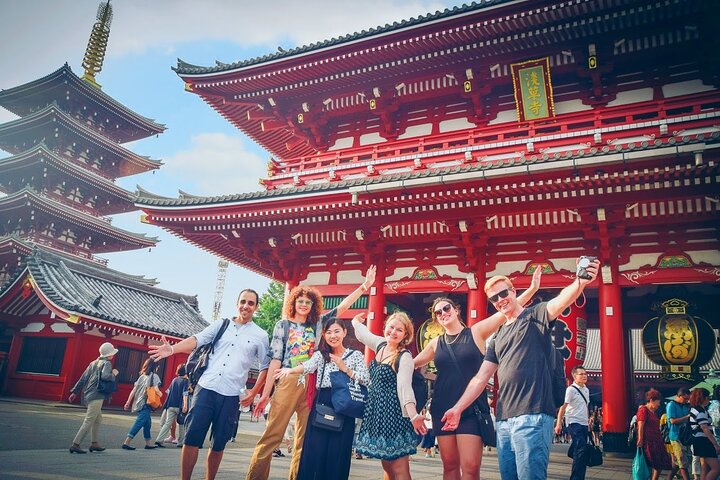
Tokyo Customized Private Tour: See Top Attractions in 1 Day on Viator -
Tokyo: Shinjuku Food Tour (13 Dishes at 4 Local Eateries)
Hit hidden counters for kushikatsu, yakitori, and seasonal specialties—a perfect immersion for food lovers.

Tokyo: Shinjuku Food Tour (13 Dishes at 4 Local Eateries) on Viator -
Tokyo Shinjuku Sumo Show & Experience with Photo
A lively window into sumo culture—rules, rituals, and the sheer power of wrestlers—without needing a tournament ticket.

Tokyo Shinjuku Sumo Show & Experience with Photo on Viator -
Flagship 2-Hours Official Street Go-Kart Tour - Tokyo Bay Shop
For the adventurous: zip past landmarks in character costumes. Note: International Driving Permit required.

Flagship 2-Hours Official Street Go-Kart Tour - Tokyo Bay Shop on Viator
Days 5–7: Old Tokyo, Akihabara, and Hidden Eats
- Akihabara and Kanda: Retro game shops, vinyl dives, and curry rice institutions. Seek out tonkatsu at Maisen-level stalwarts or tempura at long-running counters where sesame oil perfumes the air.
- Yanaka and Nezu: Surviving WWII bombings, these streets are a time capsule—cat-lined alleys, small galleries, and family-run confectioners. Pair with Nezu Shrine’s azalea gardens in season.
Food stops: - Lunch: Tempura Kondo-style places for feather-light fry; or tendon (tempura over rice) in Nihonbashi. - Dinner: Izakaya in Ebisu/Yakitori Alley beneath Yurakucho for skewers, craft sake, and seasonal small plates like ankimo and sanma (autumn).
Days 8–10: Mt. Fuji, Hakone Onsen, and Tokyo Hikes
- Day trip—Mt. Fuji & Hakone:
Mt Fuji and Hakone 1-Day Bus Tour Return by Bullet Train
5th Station views, Lake Ashi cruise, Owakudani’s sulfur vents, and a scenic shinkansen back—efficient and iconic.

Mt Fuji and Hakone 1-Day Bus Tour Return by Bullet Train on Viator - Hike options near Tokyo: Mt. Takao (gentle, with beer garden views) or Mt. Mitake (mossy river gorge, shrine on a summit plateau). Perfect for an adventurous reset.
Travel to Hokkaido (Day 11 morning): Fly Tokyo (HND/NRT) to Sapporo CTS—~1 hr 45 min; fares often $60–$180 one-way. Compare on Trip.com Flights or Kiwi.com. Rapid train from CTS to Sapporo Station ~40 min.
Sapporo (Hokkaido)
Hokkaido trades skyscrapers for skies—big, blue, and edged by mountains. Sapporo itself blends leafy boulevards, a famous beer heritage, and a culinary canon of miso ramen, soup curry, and jingisukan (grilled mutton). Summer hiking is glorious; winter brings crystalline snow and steaming onsens.
Fun fact: Sapporo’s street grid and parks reflect 19th-century development influenced by American advisors—hence the ordered avenues and the central ribbon of Odori Park stretching across downtown.
Where to stay (Sapporo)
- Top stays: JR Tower Hotel Nikko Sapporo (direct station access, great spa), Sapporo Grand Hotel (historic elegance), Hotel Resol Trinity Sapporo (Odori Park views, calm design).
- Browse more stays: Hotels.com – Sapporo or VRBO – Sapporo.
Days 11–13: City Flavor—Odori Park, Ramen, and Beer
- Odori Park and Sapporo TV Tower: Green promenades in summer; illumination and snow sculptures in winter festival season.
- Sapporo Beer Museum and Garden: Explore brewing history before a jingisukan feast grilled at your table; pair with crisp draft.
- Mount Moiwa Ropeway: Sunset over twinkling city lights and Ishikari Bay—bring a wind layer up top.
Eat & drink: - Ramen: Sumire (rich miso), Ebisoba Ichigen (shrimp miso), or Menya Yukikaze (balanced spice). - Soup curry: GARAKU (velvety broth, customizable heat) or Suage (chargrilled toppings). - Coffee: Morihiko (wood-warm, roast-forward), Baristart Coffee (milk-focused lattes).
Days 14–17: Otaru Canals, Coastal Paths, and Ishikari Flavors
- Day trip—Otaru: 35–45 minutes by train from Sapporo. Stroll the canal and Sakaimachi Street’s glass studios. Try seafood donburi at the market—uni, ikura, and scallops pulled from nearby waters.
- Ishikari and coastal walks: Gentle seaside trails and salmon lore. Warm up with the local hot-pot that fueled fishermen through winters.
-
Origin of Ishikari Nabe: Course Lunch (7 Dishes)
Seven salmon-forward dishes in the birthplace of Ishikari-nabe—hearty, historic, and perfect after a brisk coastal walk.

Origin of Ishikari Nabe: Course Lunch (7 Dishes) on Viator
Active options: In summer/early fall, hike in Shikotsu-Toya National Park (Mt. Tarumae’s lava dome trails) or paddle Lake Shikotsu’s ultra-clear caldera waters. In winter, add a ski day in Teine or an onsen soak at Jozankei.
Travel to Kyoto (Day 18 morning): Fly Sapporo CTS to Osaka (ITM/KIX) ~2 hrs; typical fares $70–$190. Then train to Kyoto: 50–80 minutes. Book on Trip.com Flights. Alternatively, long-haul train via Tohoku–Joetsu–Hokuriku lines takes 8–9 hrs—fly for time savings.
Kyoto (with Nara and Osaka day trips)
Kyoto is Japan’s cultural heart: 17 UNESCO sites, lantern-lit lanes, and artisans perfecting crafts over centuries. Yet it’s also ringed by hills and river valleys ideal for hikes, from Arashiyama’s cedar-scented paths to the Tōkai Nature Trail’s wooded ridges.
Fun fact: Fushimi Inari’s 10,000 torii gates snake up a mountain devoted to rice and prosperity, a pilgrimage that merchants and farmers have made for over a millennium—go early or at dusk for hushed pathways.
Where to stay (Kyoto)
- Top-tier: The Ritz-Carlton, Kyoto (riverside elegance, stellar kaiseki), Kyoto Tokyu Hotel (quiet, refined), Kyoto Brighton Hotel (spacious rooms, attentive service).
- Excellent value: Hotel M's Plus Shijo Omiya or Hotel M's Est Shijo Karasuma (walkable bases). For social stays: Piece Hostel Sanjo.
- Browse more stays: Hotels.com – Kyoto or VRBO – Kyoto.
Days 18–21: Eastern Kyoto—Temples, Tea, and Trails
- Higashiyama Path: Start at Kiyomizu-dera (veranda over cherry/maple valleys), then weave through Sannen-zaka and Ninen-zaka’s stone lanes to Yasaka Pagoda and Maruyama Park.
- Philosopher’s Path: A canal-side stroll linking Ginkaku-ji (Silver Pavilion) to Nanzen-ji’s vast gates, punctuated by tiny cafes and seasonal blossoms.
- Tea and tofu: In Gion and Okazaki, savor matcha and yudofu—temple cuisine that’s deceptively simple and soul-warming.
Cafés & bites: Weekenders line up for pancakes at Smart Coffee (kissaten classic). For soba, seek handmade bowls in the backstreets near Heian Shrine. Dinners: kaiseki counters in Pontocho, or obanzai (Kyoto home-style) spreads near Nishiki Market.
Days 22–25: Arashiyama, Fushimi Inari, and Nara Deer
- Arashiyama: Enter the bamboo grove at dawn, then cross to Okochi Sanso Villa’s sculpted gardens and mountain views. For hikers, follow the river to Kameyama Park’s hill trails, or head up to Daihikaku for a quiet overlook.
- Fushimi Inari: Hike beyond the lower torii to reach tranquil sub-shrines and a ridge-line lookout over Kyoto. Twilight returns the forest to cicadas and fox statues.
- Day trip—Nara: 45–60 minutes by train. Tōdai-ji’s Great Buddha impresses every time; around Nara Park, friendly deer bow for senbei (crackers). Efficient guided option:
From Kyoto / Osaka: Kyoto Must-see Spots & Nara Park One Day Tour

From Kyoto / Osaka: Kyoto Must-see Spots & Nara Park One Day Tour on Viator
Food & drink: In Fushimi, sample local sake at neighborhood tasting bars (Junmai and Ginjo styles). In Arashiyama, lunch on seasonal tempura and river ayu; dessert with warabi mochi dusted in kinako.
Days 26–28: Osaka Food Crawl and “Best-of” Kyoto with a Guide
- Day trip—Osaka: 15 minutes by Shinkansen from Kyoto Station or ~30–40 minutes by rapid trains. Wander Dotonbori’s neon and eat your way through takoyaki, okonomiyaki, and kushikatsu. For a deep dive:
Osaka Food Tour: 13 Dishes at 5 Local Eateries
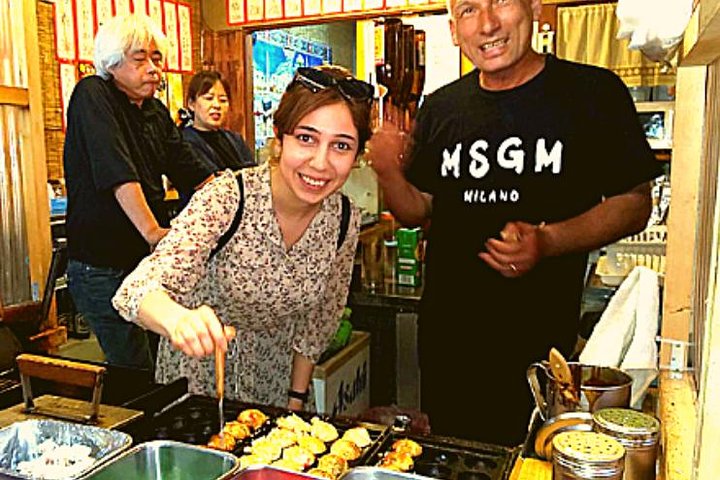
Osaka Food Tour: 13 Dishes at 5 Local Eateries on Viator - Kyoto highlights with a pro:
10 Must-see Spots in Kyoto One Day Private Tour (up to 7 people)
Efficient route planning plus context on shrine etiquette, seasonal gardens, and artisan districts.
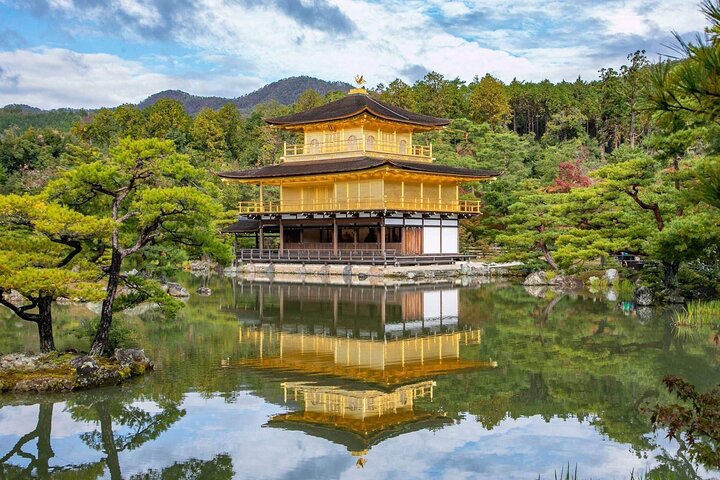
10 Must-see Spots in Kyoto One Day Private Tour (up to 7 people) on Viator
Kyoto eats to close out: Yakitori in small Marutamachi counters (try negima and tsukune), ramen rich with Kyoto-style chicken broth near Ichijōji, and a final kaiseki celebrating local vegetables (Kyo-yasai), bamboo shoots, and river fish.
Getting around and between cities
- Tokyo local transit: Rechargeable IC cards work on JR and subways. For intercity trains (Kyoto–Tokyo ~2 hr 15 min via Nozomi), see Trip.com Trains.
- Flights: For Tokyo–Sapporo and Sapporo–Osaka routes, compare on Trip.com Flights and Kiwi.com.
- Return flight: Depart from KIX (Osaka) if multi-city tickets are similar in price; if returning via Tokyo, Kyoto–Tokyo by Shinkansen is frequent and reliable.
Optional Tokyo add-ons if you crave more adventure
-
Tokyo: Mt.Fuji & Lake Kawaguchiko 1-Day Bus Tour w/Optional Lunch

Tokyo: Mt.Fuji & Lake Kawaguchiko 1-Day Bus Tour w/Optional Lunch on Viator -
Tokyo 6hr Private Tour with Government-Licensed Guide
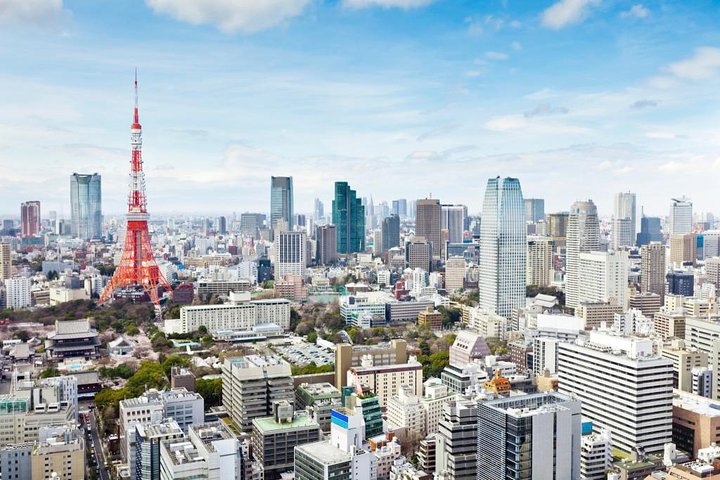
Tokyo 6hr Private Tour with Government-Licensed Guide on Viator
Across four weeks, you’ll have traced Japan’s arc—from Tokyo’s buzz to Hokkaido’s open horizons and Kyoto’s timeless rituals—through hikes, hot springs, and unforgettable meals. With efficient trains and short flights, the journey feels as smooth as the green tea you’ll come to crave. Pack curiosity and comfortable shoes; Japan will do the rest.