
21-Day Thailand–Japan Adventure Itinerary: Street Food, Island Hopping, Temples, Onsen, and Urban Thrills
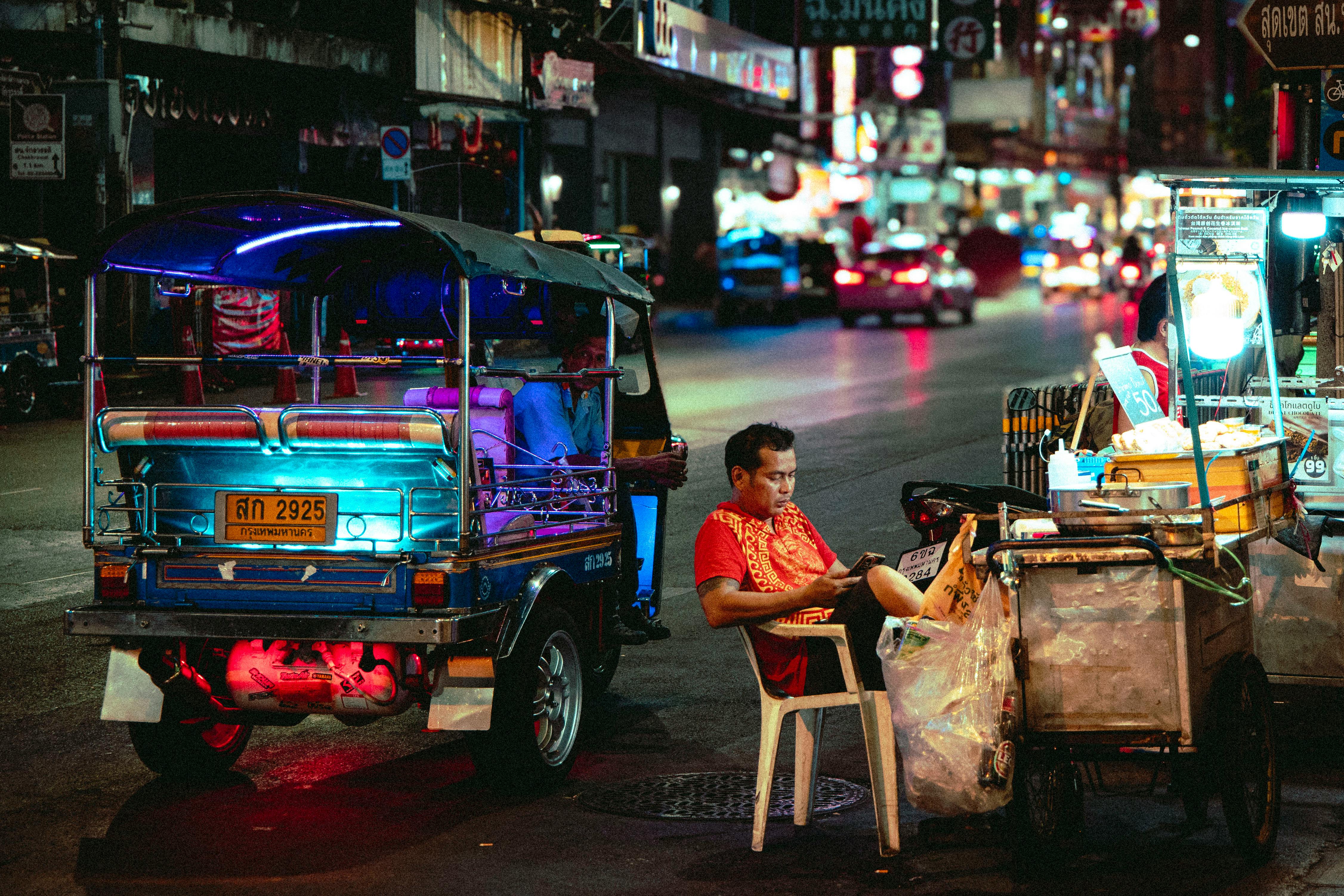
Two countries, six distinct flavors of adventure. Thailand offers golden temples, jungle mountains, and limestone seas; Japan layers neon skylines over centuries-old shrines and soothing hot springs. Across 21 days, you’ll zigzag from canals and night markets to bamboo groves and bowing deer—always with great coffee, satisfying street food, and a few spa days woven in.
Thailand’s history stretches from the Ayutthaya Kingdom to today’s creative Bangkok, while Northern Lanna traditions live on in Chiang Mai’s temples and craft villages. Japan juxtaposes Edo-period streets, tea houses, and Kyoto gardens with cutting-edge Tokyo districts and the bullet train. Both nations prize hospitality, seasonal cuisine, and meticulous craft.
Practical notes: Dress modestly for temples (shoulders/knees covered). Carry cash for markets. In Japan, trains run to the minute—line up at platform markings. For go-karting in Tokyo, an International Driving Permit (IDP) is required. Book popular activities and restaurants ahead, especially weekends and cherry-blossom/autumn-leaf seasons.
Bangkok
Days 1–4: Temples by day, tuk-tuks and tastings by night
Bangkok hums along the Chao Phraya River—royal palaces, glittering wats, and a food scene that never sleeps. It’s the ideal start for adventurous travelers: canal longtails, hidden markets, and rooftop sunsets.
- Arrival and local transport: Search flights on Trip.com Flights or Kiwi.com. From Suvarnabhumi, the Airport Rail Link connects to the BTS in ~25–30 minutes; taxis to central areas run ~45–75 minutes depending on traffic.
- Morning highlights (Day 1–2): Grand Palace and Wat Phra Kaew’s Emerald Buddha; Wat Pho’s Reclining Buddha and traditional massage school; Wat Arun’s porcelain spires across the river. Go early to beat heat and tour groups.
- Canal life (Day 2): Drift through Thonburi’s wooden stilt houses, orchid-draped docks, and small temples.
- Night markets & Chinatown (Day 3–4): Yaowarat’s neon lanes for roast duck, peppery tom yum, and mango sticky rice; then a rooftop sundowner along the river.
Book these Bangkok experiences (aligning with foodie, boating, and unique-night vibes):
-
Bangkok by Night: Temples, Markets and Food Tuk-Tuk Tour
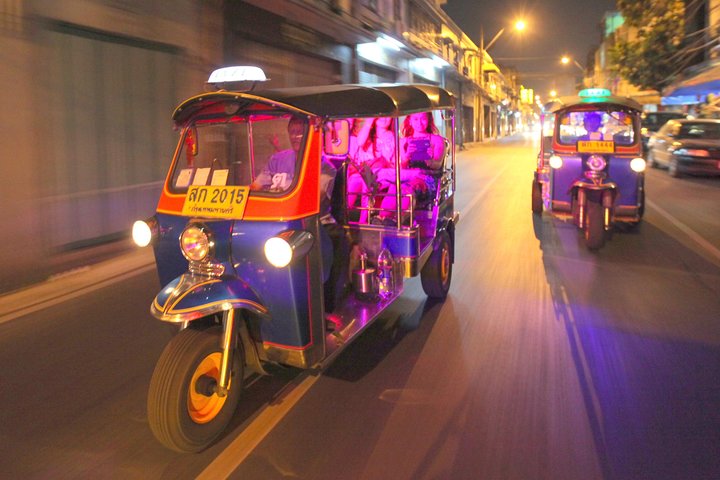
Bangkok by Night: Temples, Markets and Food Tuk-Tuk Tour on Viator Top-rated evening hop between hidden eateries, glowing wats, and after-dark markets—perfect first-night orientation and a feast.
-
Bangkok City Highlights Tour: Grand Palace & Three Iconic Temples

Bangkok City Highlights Tour: Grand Palace & Three Iconic Temples on Viator Streamlined half-day that unlocks context and saves time at Bangkok’s big three.
-
Bangkok Canal Tour: 2-Hour Longtail Boat Ride

Bangkok Canal Tour: 2-Hour Longtail Boat Ride on Viator Glide past everyday river life in Thonburi—Bangkok’s timeless side.
-
Bangkok Sawasdee Chaophraya Dinner Cruise from ICONSIAM

Bangkok Sawasdee Chaophraya Dinner Cruise from ICONSIAM on Viator Buffet, live shows, and riverside cityscapes—an easygoing finale to a temple day.
Eat & drink (specific picks):
- Breakfast/coffee: Roast at The COMMONS (all-day breakfast and single-origin coffee); Sarnies Bangkok (Aussie-style plates, craft roasts).
- Lunch: Thipsamai (old-school pad thai cooked over charcoal); Krua Apsorn (royal Thai recipes—look for crab omelet, green curry).
- Dinner: Soei (chef-famous Isan heat; crispy mackerel heads, fiery salads); Phed Mark (chili-forward pad kra pao by local foodies); Chinatown’s Nai Mong Hoi Thod (oyster omelets).
- Massage/spa: Wat Pho Traditional Massage School; Health Land (clean, mid-range full-service spa).
Stay in Bangkok:
- Mandarin Oriental, Bangkok — Heritage riverside icon with legendary service and a top-tier spa.
- Anantara Riverside Bangkok Resort — Resort feel on the river; great pools and boat shuttle.
- Lub d Bangkok Siam — Budget-friendly design hostel steps from BTS/Siam.
- Niras Bankoc Cultural Hostel — Nostalgic Old Town base near key temples.
- Browse more: VRBO Bangkok | Hotels.com Bangkok
Travel Day (Morning, Day 5): Bangkok → Chiang Mai
1h15–1h30 nonstop flight (~$30–$80). Book on Trip.com Flights or Kiwi.com.
Chiang Mai
Days 5–7: Lanna temples, misty peaks, and ethical elephant time
Chiang Mai’s Old City is a serene square of moats and teak houses. Outside town you’ll find forests, hill tribe trails, and the highest peak in Thailand.
- Old City stroll: Wat Phra Singh and Wat Chedi Luang for Lanna architecture; artisans at Saturday Wua Lai Walking Street or Sunday Tha Pae Walking Street.
- Sunrise/sunset: Doi Suthep temple overlooks a waking city—go at dawn for monk chants and fewer crowds.
- Hiking & nature: Day trip to Doi Inthanon for cloud forests, waterfalls, and short ridge hikes.
Signature adventure (hiking + sanctuary):
-
3-in-1: Doi Inthanon Tour, Elephant Sanctuary, and Trekking Trail

3-in-1: Doi Inthanon Tour, Elephant Sanctuary, and Trekking Trail on Viator Efficient, ethical, and scenic—hits your hiking and wildlife priorities in one day.
Eat & drink:
- Breakfast/coffee: Ristr8to (award-winning latte art and roasts); Akha Ama Coffee (socially responsible beans).
- Lunch: Khao Soi Khun Yai or Khao Soi Mae Sai for northern curry noodles; SP Chicken for lemongrass rotisserie.
- Dinner: Huen Phen (Lanna classics like sai ua sausage and nam prik ong); Dash! Teak House (atmospheric wood house, northern plates).
- Spa: Fah Lanna Spa (relaxing northern-style treatments after your hike).
Stay in Chiang Mai:
- 137 Pillars House — Restored teak elegance, leafy pool, refined spa.
- Shangri-La Hotel, Chiang Mai — Resort feel near Night Bazaar.
- Green Tiger House — Calm, vegetarian-friendly guesthouse in the Old City.
- Green Sleep Hostel — Budget beds with a clean design.
- Browse more: VRBO Chiang Mai | Hotels.com Chiang Mai
Travel Day (Morning, Day 8): Chiang Mai → Phuket
~2h nonstop flight (~$50–$120; occasional direct services). Book on Trip.com Flights or Kiwi.com.
Phuket
Days 8–10: Emerald bays, sea caves, and slow sunsets
Base yourself near Phuket Town for culture and food, or on the west coast for beaches. Spend your days on the water—snorkeling, kayaking through karst caves, and pausing for island lunches.
- Phi Phi day: Postcard lagoons, colorful reefs, and a seaview lunch.
- Phang Nga Bay: Kayak the sea caves at low tide and circle James Bond Island.
- Ethical elephant morning: Meet rescued elephants in natural surroundings.
Water and wildlife picks:
-
Phi Phi Islands Adventure Day Trip w/ Seaview Lunch by V. Marine

Phi Phi Islands Adventure Day Trip w/ Seaview Lunch by V. Marine on Viator Award-winning small-group operator known for clear briefings and good snorkel stops.
-
Phang Nga Bay Sea Cave Canoeing & James Bond Island by Big Boat

Phang Nga Bay Sea Cave Canoeing & James Bond Island by Big Boat on Viator Kayak through hidden hongs and photograph dramatic limestone stacks.
-
A Morning with the Elephants at Phuket Elephant Sanctuary

A Morning with the Elephants at Phuket Elephant Sanctuary on Viator Observe rescued elephants roaming and bathing in a forested haven.
Eat & drink:
- Breakfast/coffee: Campus Coffee Roaster (Phuket Town, small-batch pours); The Feelsion (quirky industrial-chic brunch spot).
- Lunch: One Chun (heritage Phuket cuisine—crab curry, moo hong); Mor Mu Dong (rustic huts over mangroves with grilled seafood).
- Dinner: Raya (old Sino-Portuguese mansion serving crab curry with rice vermicelli); In No. 6 Restaurant (Patong) for classic Thai staples if beach-based.
- Spa: Oasis Spa Kata or Let’s Relax branches around the island for post-boat rubdowns.
Stay in Phuket:
- JW Marriott Phuket Resort & Spa — Family-friendly pools and a strong spa program on Mai Khao Beach.
- The Shore at Katathani — Romantic villas with private pools (Kata Noi).
- Lub d Phuket Patong — Social, affordable, steps from nightlife.
- Centara Grand Beach Resort Phuket — Classic beachfront stay with lazy river-style pool.
- Browse more: VRBO Phuket | Hotels.com Phuket
Travel Day (Morning, Day 11): Phuket → Tokyo
6.5–9.5h flights (some seasonal nonstops; many via Bangkok). Typical fares ~$250–$600 one-way. Book on Trip.com Flights or Kiwi.com.
Tokyo
Days 11–15: Neon nights, timeless shrines, sushi alleys, and Mt. Fuji views
Tokyo is a city of micro-worlds: lantern-lit alleys, skyscraper lobbies, quiet gardens, and subcultures around every corner. You’ll graze through ramen counters, sip third-wave coffee, and day-trip to Fuji/Hakone for mountains and hot springs.
- Asakusa & Ueno: Senso-ji’s thunder gate, Nakamise snacks; Ameyoko market for street eats.
- Shibuya & Harajuku: Meiji Shrine’s forest, vintage boutiques, and the famous Shibuya Scramble Crossing.
- Omoide Yokocho/Golden Gai: Tiny yakitori joints and atmospheric bars—go early for a seat.
Top Tokyo experiences for food, culture, and a Fuji day:
-
Tokyo: Shinjuku Food Tour (13 Dishes at 4 Local Eateries)

Tokyo: Shinjuku Food Tour (13 Dishes at 4 Local Eateries) on Viator Dive into backstreet izakaya culture with a local guide and a generous tasting lineup.
-
Tokyo Shinjuku Sumo Show & Experience with Photo

Tokyo Shinjuku Sumo Show & Experience with Photo on Viator Witness sumo techniques up close in an intimate ring—a rare cultural peek.
-
Mt Fuji and Hakone 1-Day Bus Tour Return by Bullet Train

Mt Fuji and Hakone 1-Day Bus Tour Return by Bullet Train on Viator Iconic vistas plus a Shinkansen ride back—efficient nature escape from the city.
-
Official Street Go-Kart in Shibuya

Official Street Go-Kart in Shibuya on Viator Costumed karting through city streets—bring an IDP. A uniquely Tokyo thrill.
Eat & drink:
- Breakfast/coffee: Koffee Mameya or Onibus Coffee (meticulous pour-overs); bills Omotesando (ricotta hotcakes, espresso).
- Lunch: Fuunji (rich tsukemen near Shinjuku); Afuri (citrusy yuzu ramen); Tonkatsu Maisen Aoyama (silky pork cutlets).
- Dinner: Omoide Yokocho yakitori counters (grilled skewers, draft beer); depachika food halls at Isetan/GINZA SIX for bento grazing.
- Spa/soak: Time a Hakone onsen dip during your Fuji/Hakone day—perfect after lakeside walks.
Stay in Tokyo:
- The Ritz-Carlton, Tokyo — Sky-high views in Roppongi.
- Hotel Gracery Shinjuku — Godzilla-head tower, walkable to food alleys.
- Hotel Sunroute Plaza Shinjuku — Reliable, near major train hub.
- Keio Plaza Hotel Tokyo — Spacious rooms, views, and easy transport.
- Browse more: VRBO Tokyo | Hotels.com Tokyo
Travel Day (Morning, Day 16): Tokyo → Kyoto
Shinkansen Nozomi ~2h15 (¥14,000–¥15,500, ~$95–$110). Reserve on Trip.com Trains.
Kyoto
Days 16–19: Torii tunnels, tea houses, bamboo groves, and riverside lanes
Kyoto distills Japanese aesthetics—maple-shaded temples, moss gardens, and machiya townhouses. Early mornings and late afternoons are your allies here.
- Fushimi Inari: Walk through vermilion gates in the soft dawn light.
- Higashiyama: Kiyomizu-dera’s cliffside hall; lanes of Ninenzaka/Sannenzaka with ceramics and sweets.
- Arashiyama: Bamboo Grove, riverside paths, and monkey park; consider a boat ride on the Hozu or a riverside footbath.
Guided deep dives (optional):
-
10 Must-see Spots in Kyoto One Day Private Tour (up to 7 people)
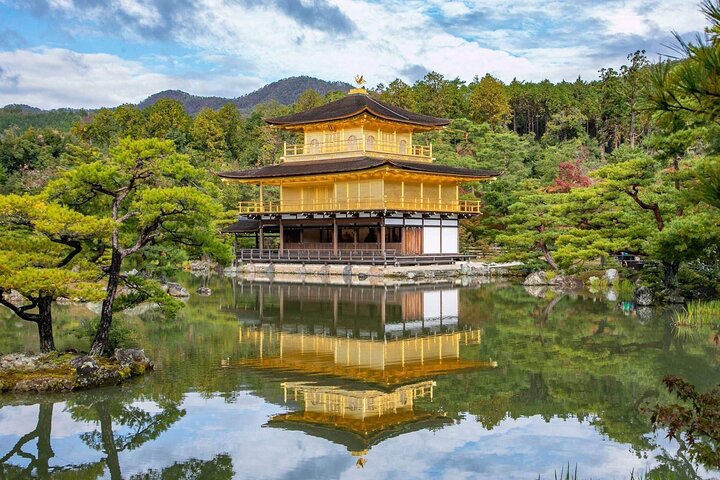
10 Must-see Spots in Kyoto One Day Private Tour (up to 7 people) on Viator Efficient customized routing across Kyoto’s headline temples and gardens.
-
From Kyoto / Osaka: Kyoto Must-see Spots & Nara Park One Day Tour

From Kyoto / Osaka: Kyoto Must-see Spots & Nara Park One Day Tour on Viator Add Nara’s bowing deer and the Great Buddha at Todai-ji to your Kyoto stay.
Eat & drink:
- Breakfast/coffee: Kurasu (Kyoto-roasted beans, minimalist bar); Weekenders Coffee on a hidden parking-lot corner.
- Lunch: Omen (handmade udon with seasonal veg); Katsukura (panko-crisp tonkatsu with barley rice and miso).
- Dinner: Tempura Endo Yasaka (light, precise tempura courses); Yakitori Hitomi (grilled skewers with local sake); Nishiki Market graze (dashimaki tamago, soy donuts, yuba).
- Tea & sweets: Ippodo for sencha/gyokuro tasting; Saryo Tsujiri for matcha parfaits.
Stay in Kyoto:
- The Ritz-Carlton, Kyoto — Kamogawa riverside serenity and a standout spa.
- Kyoto Tokyu Hotel — Calm base with easy bus links to temples.
- Hotel M's Plus Shijo Omiya — Value, transit-convenient.
- Piece Hostel Sanjo — Sociable, design-forward budget pick.
- Browse more: VRBO Kyoto | Hotels.com Kyoto
Travel Day (Morning, Day 20): Kyoto → Osaka
JR local 28–45 minutes (¥570–¥1,000) or Shinkansen ~15 minutes (¥1,420). Book on Trip.com Trains.
Osaka
Days 20–21: Street-food capital and neon river walks
Osaka is convivial and flavor-obsessed. Dotonbori glows with giant crab signs and sizzling griddles; Shinsekai serves skewers and nostalgia under Tsutenkaku Tower.
- Dotonbori & Shinsaibashi: Try takoyaki (octopus balls) at Wanaka, okonomiyaki at Mizuno or Chibo, and ramen counters tucked off the canal.
- Shinsekai: Kushikatsu Daruma for crisp-fried skewers—“no double-dipping.”
- Views: Umeda Sky Building’s Floating Garden Observatory for sunset panoramas.
Essential foodie tour:
-
Osaka Food Tour: 13 Dishes at 5 Local Eateries
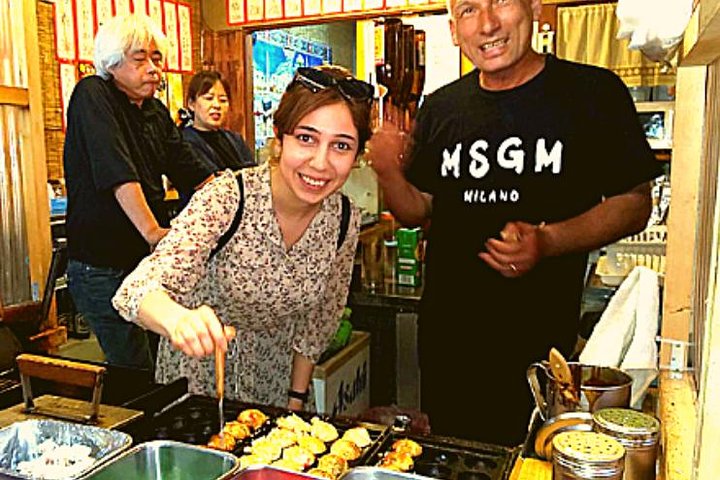
Osaka Food Tour: 13 Dishes at 5 Local Eateries on Viator Local-led crawl through hidden counters and classic Kansai flavors—fantastic finale.
Eat & drink:
- Breakfast/coffee: LiLo Coffee Roasters (precision pour-overs); Takagi Coffee for hearty morning sets.
- Lunch: Tempura Tarojiro (quick, light batter bowls); Tsurutontan (udon with creative toppings).
- Dinner: Dotonbori’s Kani Doraku (if you crave crab feasts) or stroll Kuromon Ichiba for fresh sashimi cups and wagyu skewers.
Stay in Osaka:
- Swissotel Nankai Osaka — On top of Namba station, perfect for food forays.
- Hotel Sunroute Osaka Namba — Solid mid-range near Dotonbori.
- Hotel Taiyo — Basic, budget, steps from Shin-Imamiya.
- The St. Regis Osaka — Splurge service on Midosuji.
- Browse more: VRBO Osaka | Hotels.com Osaka
Budget & vibe notes
- Budget 50/100: Mix night markets and noodle counters with a few guided tours. Choose mid-range city hotels and occasional splurge spas. Street food in both countries is delicious and budget-friendly.
- Adventurous focus: You’re boating through sea caves, hiking Doi Inthanon and Fuji/Hakone, sampling alleyway izakaya, and trying a sumo show or street go-kart run.
- Transport: For Asia flights and trains, compare on Trip.com Flights, Kiwi.com, and Trip.com Trains for Japan rail segments.
In three weeks, you’ll taste Bangkok’s backstreets, trek Chiang Mai’s cool forests, island-hop Phuket’s teal coves, then trade boat wakes for bullet trains as Tokyo, Kyoto, and Osaka unfold in flavorful, photogenic chapters. It’s a balanced, adventure-forward route you can savor—and repeat in new seasons.