
21 Days in Munich, Switzerland, and Milan: An Alpine Rail Journey of Castles, Peaks, and Cuisine
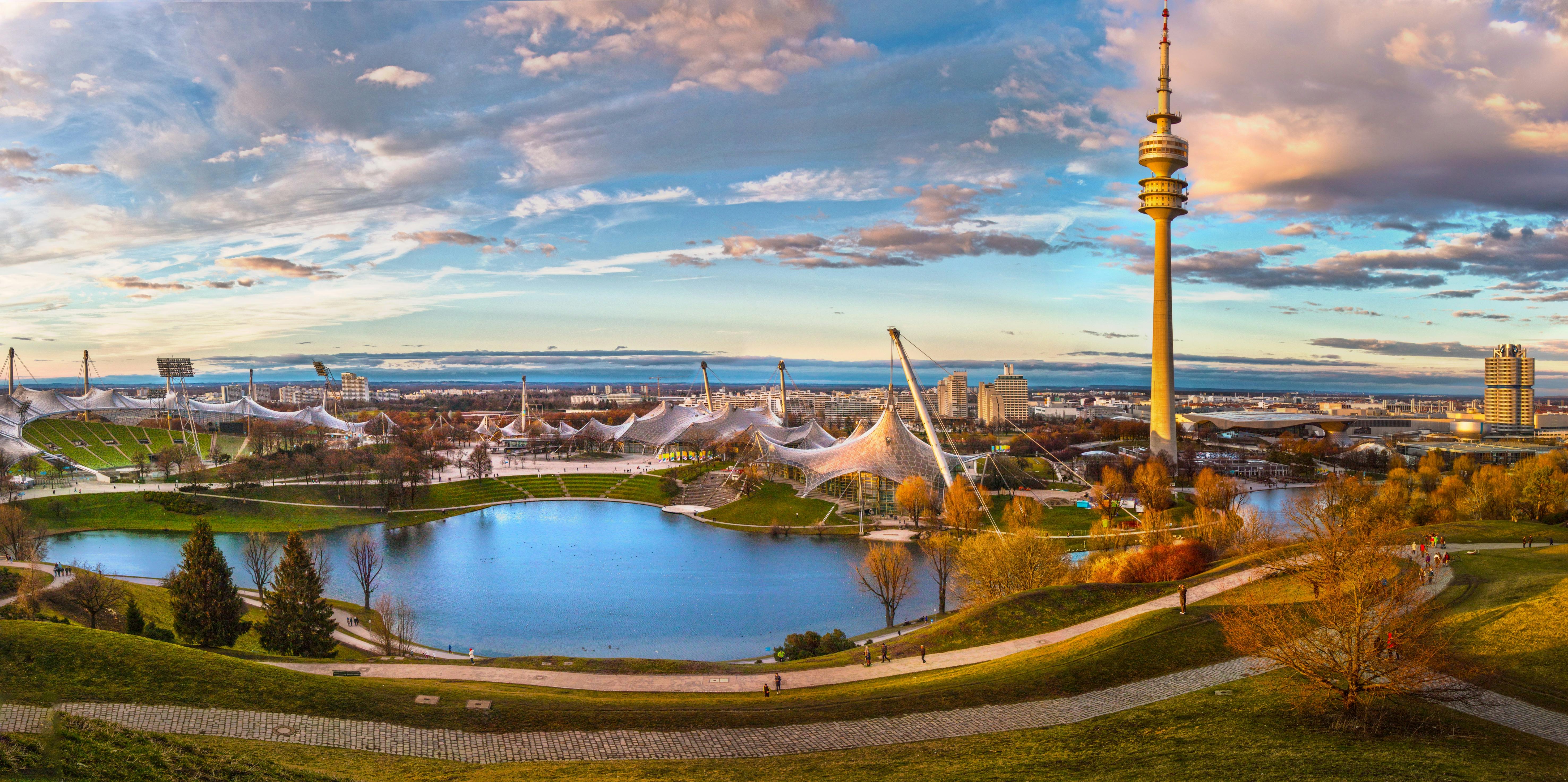
Across three weeks, this Alps-forward itinerary braids together Munich’s royal architecture and beer culture, Switzerland’s lake towns and glaciers, and Milan’s fashion-forward streets and Renaissance art. It’s designed around efficient European trains, minimizing transfers while maximizing mountain time and food moments.
Expect mornings on boats or cogwheel railways and afternoons wandering medieval streets, punctuated with Bavarian roasts, Swiss mountain fare, and the simple perfection of Milanese risotto. You’ll stand at Neuschwanstein, ride to Jungfraujoch and Gornergrat, and watch the Duomo blush at sunset.
Practical notes: reserve popular sights (e.g., Milan’s Last Supper) weeks ahead; consider a Swiss Travel Pass if you’ll ride multiple mountain lines; pack layers for quick weather shifts in the Bernese Oberland and Zermatt. Trains are the backbone—fast, frequent, and scenic.
Munich
Bavaria’s capital mixes postcard squares and poignant history with a low-key love for craftsmanship—from beer purity laws to world-class design. Marienplatz’s Glockenspiel still draws crowds; just beyond, the English Garden unwinds like a green river through town.
Use Munich as your castle gateway: the Alps are a day trip away, and the city’s markets and breweries keep evenings lively and delicious.
Days 1–5: Old Town, Museums, Beer Gardens, and Alpine Day Trips
- Old Town walk: Start at Marienplatz, duck into the twin-towered Frauenkirche, and wander the Viktualienmarkt for a graze—try Münchner Suppenküche (soups), Caspar Plautz (creative potato dishes), and Fisch Witte (crispy fish rolls). Climb St. Peter’s Church tower for a roofline view.
- Museums: The Residenz (treasures of the Wittelsbachs), Alte Pinakothek (Old Masters), and Deutsches Museum (hands-on science) reward a few hours each.
- Beer culture: Reserve at Augustiner-Keller for roast pork with crackling and a Maß of Munich’s oldest brewery beer; sip wheat beers at Schneider Bräuhaus. For modern Bavarian, book Mural (artful plates, natural wines).
- Cafe/breakfast: Man Versus Machine (specialty roaster), Café Frischhut (warm Schmalznudel), and Dallmayr (historic delicatessen) set the tone.
Signature day trips (Viator picks)—select one or two:
-
Premium Neuschwanstein Castle and Linderhof VIP Tour from Munich

Premium Neuschwanstein Castle and Linderhof VIP Tour from Munich on Viator Small-group coach, timed entries, and a guided look at King Ludwig II’s fantasy castles with alpine vistas.
-
Dachau Concentration Camp Memorial Site Tour by Train

Dachau Concentration Camp Memorial Site Tour from Munich by Train on Viator An authorized guide contextualizes the site and memorial—an essential, solemn visit.
-
Salzburg Sightseeing Day Trip from Munich by Rail

Salzburg Sightseeing Day Trip from Munich by Rail on Viator Cross to Mozart’s city in ~1h45 by train: fortress views, baroque lanes, and strudel breaks.
-
Munich Old Town Food Tour with 10+ Bavarian Specialties

Munich Old Town Food Tour with 10+ Bavarian Specialties on Viator Guided tastings—pretzels, weisswurst, cheeses, and beer—woven through hidden alleys.
Dinners worth booking: Spatenhaus an der Oper (opera views; duck and knödel), Zum Dürnbräu (old-school tavern), and Tantris DNA (heritage fine dining with a modern line). Nightcaps at Zephyr Bar for clever cocktails.
Stay in Munich: For options across budgets, browse Hotel Bayerischer Hof, Motel One München-Campus, Novotel München City, Motel One München-Sendlinger Tor, Euro Youth Hotel Munich, Meininger Hotel Munich City Center, Holiday Inn Munich - City Centre, and Novotel München City Arnulfpark. Or search broadly on Hotels.com: Munich or VRBO: Munich.
Getting to Munich: Fly into MUC and compare fares on Omio (flights to/from Europe) or Trip.com (global flights). From the airport, the S1/S8 train reaches the center in ~40 minutes.
Travel Day: Munich → Lucerne (morning train)
Ride Munich Hbf to Lucerne via Zurich (typ. 1–2 changes) in ~4.5–5.5 hours. Book on Omio (Europe trains); advance fares often €40–€80, flexible around €100–€130.
Lucerne
Set on Lake Lucerne beneath snow-dusted ridges, this compact city blends medieval woodwork with modern Swiss polish. The Chapel Bridge (Kapellbrücke) and Water Tower have guarded the Reuss since the 14th century.
Lucerne is also your springboard to lake steamers, cogwheel railways, and golden-hour promenades.
Days 6–9: Lake Lucerne, Pilatus or Rigi, and Old Town
- Old Town loop: Cross the Chapel Bridge, pause at the Lion Monument, and browse the Sammlung Rosengart (Picasso, Klee) for an intimate art hour.
- Mount Pilatus “Golden Round Trip”: Boat from Lucerne to Alpnachstad, ascend on the world’s steepest cogwheel railway, then cable car down via Kriens; views sweep from lakes to sawtooth peaks.
- Mount Rigi day: Combine boat to Vitznau and a classic cogwheel climb for broad lake panoramas and easy ridge walks.
- Food & coffee: Breakfast at Heini Conditorei (buttery Nussgipfel) or Bachmann (Luzerner Lebkuchen). Riverfront lunch at Mill’Feuille (seasonal plates, great cakes). For traditional Lucerne: Wirtshaus Galliker (Luzerner Chügelipastete) and Zunfthausrestaurant Pfistern (guildhall dining). Treats at Max Chocolatier.
Where to stay: Browse central hotels and lakeside stays on Hotels.com: Lucerne and VRBO: Lucerne.
Travel Day: Lucerne → Interlaken/Grindelwald (morning train)
Board the Luzern–Interlaken Express for a scenic 1h50 ride over lakes and passes to Interlaken Ost; continue 35 minutes to Grindelwald if you’re basing in the village. Check timetables and fares on Omio (typ. CHF 35–60 one-way; covered by Swiss Travel Pass with reservations on scenic lines).
Interlaken & Grindelwald
The Bernese Oberland is Swiss mountain cinema: glacier-cut valleys, cliff-top villages, and trains that climb into the clouds. Interlaken is the transport hub; Grindelwald sits closer to the high trails and cliff walls.
Build weather flexibility into your days—clear mornings are gold for summits, while waterfalls and gorges shine even when clouds roll in.
Days 10–14: Jungfraujoch, Lauterbrunnen, Mürren, and Lake Days
- Jungfraujoch – Top of Europe: Ride via Grindelwald Terminal and the Eiger Express to the saddle between Jungfrau and Mönch. Explore the Ice Palace and Sphinx Terrace; go early for calmer views.
- Lauterbrunnen Valley: Stroll beneath Staubbach and Trümmelbach Falls, then cable up to Mürren and walk to Gimmelwald for balcony-like views over the valley.
- First & Bachalpsee: Gondola to First, hike to mirror-like Bachalpsee; thrill-seekers can add the First Cliff Walk or mountain carts back to Bort.
- Lake Brienz/Thun: Cruise to Iseltwald for glassy-green coves, or to Spiez for castle-and-vineyard scenes.
- Eats & coffee: In Interlaken, Velo Café (specialty coffee, sourdough toasts) and Husi Bierhaus (local beers, rösti). In Grindelwald, C und M (homemade cakes, alpine plates) and Barry’s (wood-clad mountain dining). Fondue options: Restaurant Laterne (Interlaken) or Swiss Restaurant Alpenblick (Grindelwald).
Where to stay: For hub convenience, search Hotels.com: Interlaken and VRBO: Interlaken. For alpine village feels, check Hotels.com: Grindelwald and VRBO: Grindelwald.
Travel Day: Interlaken → Zermatt (morning train)
Go Interlaken Ost → Spiez → Visp → Zermatt in ~2h10–2h40. The final leg is a narrow-gauge climb with big valley views. Typical fares CHF 60–90; search and compare on Omio.
Zermatt
Car-free Zermatt sits at the head of a deep valley, hemmed by 4,000-meter peaks—and the unmistakable pyramid of the Matterhorn. Wooden mazots line lanes scented with pine and rösti.
With two classic viewpoints and miles of trails, it’s a hiker’s playground in summer and a world ski capital in winter.
Days 15–18: Gornergrat, Glacier Paradise, and Alpine Huts
- Gornergrat Railway: A quintessential mountain train to 3,089 m with sweeping views over the Gorner Glacier and a whole crown of peaks. Time your ascent for clear skies.
- Matterhorn Glacier Paradise: Cable up to 3,883 m for Italy-border vistas and year-round snow. The ice cave is kitschy-fun; bring layers for the thin, crisp air.
- Five Lakes Walk (5-Seenweg): A moderate route linking five alpine lakes that often mirror the Matterhorn. Sunnegga and Blauherd lifts streamline access.
- Eat & linger: Chez Vrony (Findeln hamlet; organic alpine recipes, sun terrace), Findlerhof (slow lunches with mountain panoramas), Schäferstube (lamb specialties from the Julen family), and Brown Cow Pub (casual burgers, local brews). Morning pastries at Fuchs Bakery; espresso at Petit Royal.
Where to stay: Search chalets and hotels on Hotels.com: Zermatt and VRBO: Zermatt.
Travel Day: Zermatt → Milan (morning train)
Descend to Visp and connect through Brig/Domodossola to Milano Centrale in ~3h45–4h15 through the Simplon route. Expect €35–€75 with advance fares. Check schedules and seats on Omio.
Milan
Italy’s style capital pairs Renaissance masterpieces with bold contemporary energy. The marble Duomo took nearly six centuries to perfect; beneath it, aperitivo hour hums from Brera to the Navigli canals.
Fashion, design, and food are everyday art forms here—best explored on foot between espresso bars and trattorie.
Days 19–21: Duomo to Navigli, Art to Aperitivo
- Historic core: Tour the Duomo and rooftop terraces, then stroll the Galleria Vittorio Emanuele II to La Scala. Window-shop along Via Montenapoleone and Via della Spiga.
- Renaissance art: Book Santa Maria delle Grazie for Leonardo’s Last Supper far in advance; pair with the Sforza Castle and the Brera district’s galleries and cobbles.
- Design districts & canals: Porta Nuova’s skyline tells Milan’s modern story; evenings, drift to Navigli for canal-side aperitivo.
- Eat & drink: Coffee and pastries at Pavé (custard brioche, seasonal tarts), Marchesi 1824 (polished classics), or Cova. Quick bites: Luini (panzerotti) and Piz (thin, blistered pies). Memorable dinners at Trippa (nose-to-tail trattoria, book early), Ratanà (Milanese risotti in a repurposed warehouse), and Osteria del Binari (classic ossobuco). Gelato at Pavé Gelati & Granite. Aperitivo at Mag Café (mixology by the canal) or Bar Basso (home of the Negroni Sbagliato).
Where to stay: Explore neighborhoods from Brera to Navigli on Hotels.com: Milan and apartment options on VRBO: Milan.
Departure
Fly out of Milan (MXP/LIN/BGY). Compare fares on Omio (flights in Europe) or Trip.com (global flights). If returning by train to another European hub, browse Omio (trains) or Omio (buses).
Optional Rail & Money-Saving Tips
- Swiss Travel Pass: Worth it if you’ll take multiple lake boats and mountain railways (many included or discounted). Seat reservations may be required on select panoramic routes.
- Advance fares: In Germany/Italy, buy early for cheaper long-distance tickets; Switzerland’s base fares are fixed, but supersaver fares appear on some routes.
- Pack for layers: Mountain weather changes quickly; bring sun protection and a light rain shell even in summer.
Summary: Over 21 days you’ll sip beer under chestnut trees in Munich, cruise Lake Lucerne, step onto the Jungfraujoch and Gornergrat, and toast the sunset along Milan’s canals. It’s a greatest-hits tour of Alpine Europe—rich in history, scenery, and flavor—stitched together by some of the world’s most beautiful train rides.